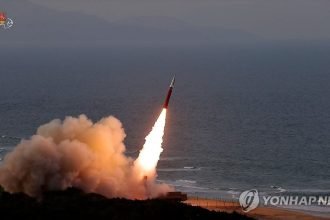









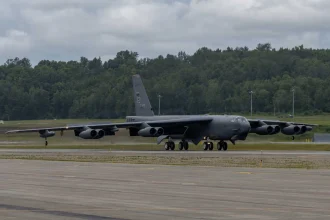


In a surgical display of maritime air defense, U.S. Central Command (CENTCOM) has released declassified thermal footage documenting the kinetic intercept of an Iranian Mohajer-6 reconnaissance and strike UAV.
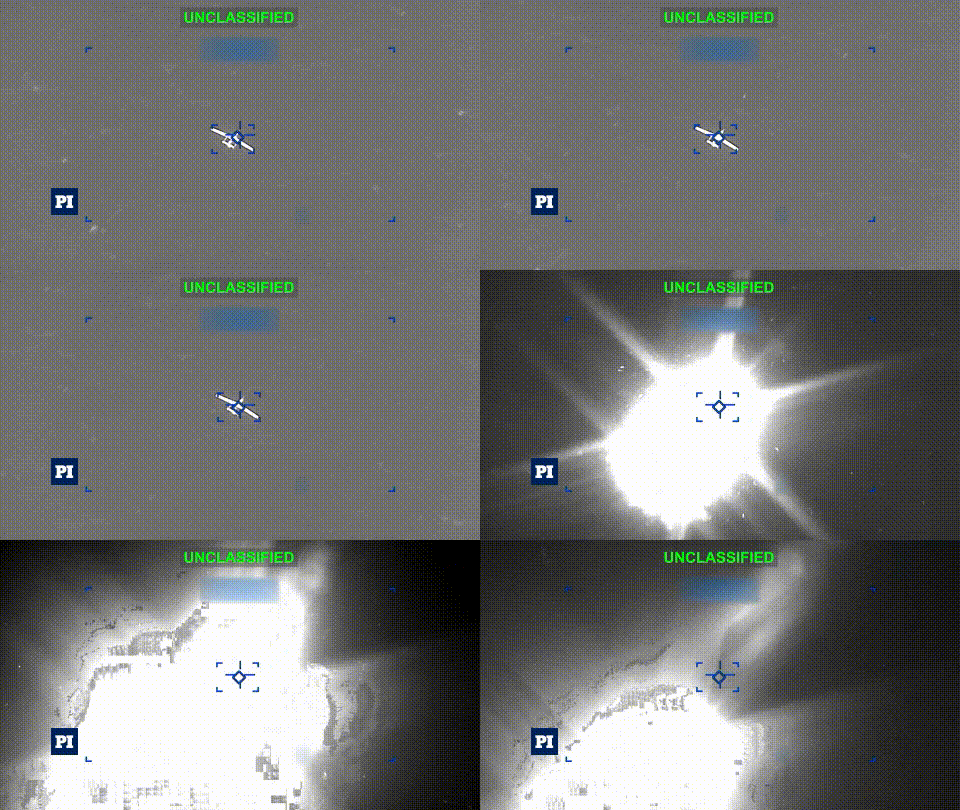
The engagement occurred over the Strait of Hormuz, specifically in international airspace near the Musandam Peninsula. The location is a known flashpoint where the narrow shipping lanes force Iranian surveillance assets and U.S. Naval patrols into close proximity.
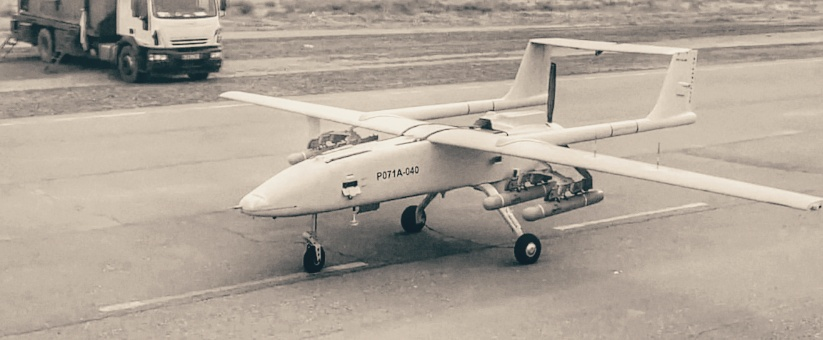
The Intercept: Visual Evidence
The footage, recorded via a high-altitude targeting pod, shows the Mohajer-6 maintaining a steady flight path before a surface-to-air or air-to-air munition impacts the fuselage.
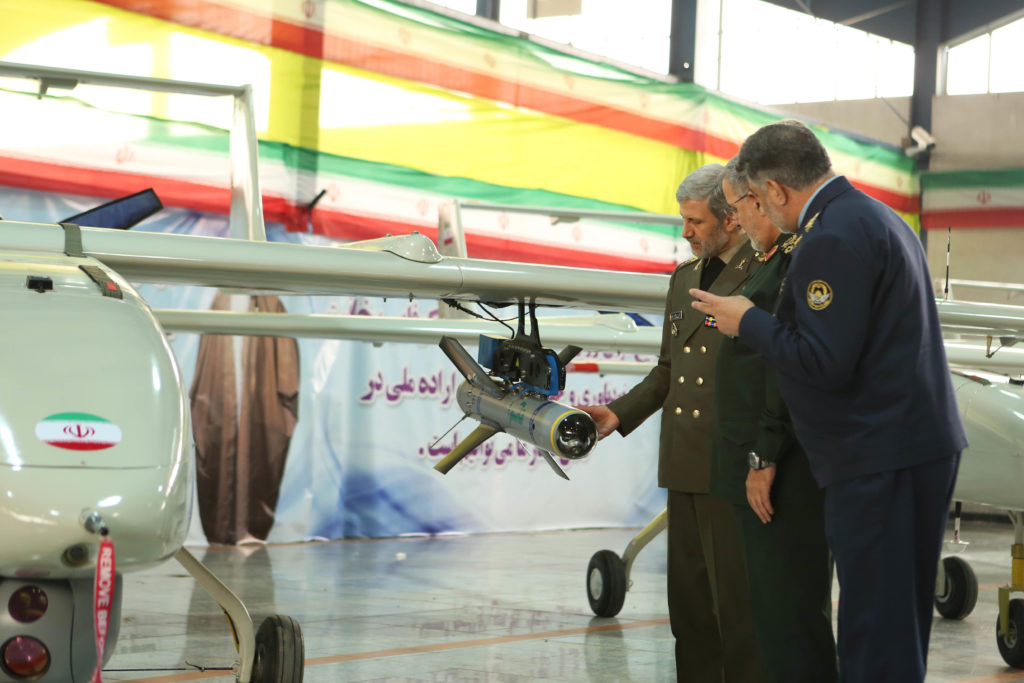
- The Target: The Mohajer-6 is Iran’s premier “workhorse” drone, capable of carrying up to four Qaem laser-guided munitions.
- The Engagement: Analysts noting the lack of a visible missile trail in the initial frames suggest the use of a high-speed interceptor or directed energy test-bed, though CENTCOM has officially credited “organic fleet defense assets.”
Strategic Context: The Isfahan Aftermath
The timing of this drone flight is no coincidence. Following the recent U.S. Special Ops rescue south of Isfahan, the IRGC has significantly increased “pattern-of-life” surveillance over the Strait.
By pushing a Mohajer-6 into the corridor, Tehran was likely attempting to:
- Map U.S. Carrier Strike Group positions currently operating in the Gulf of Oman.
- Test the reaction times of U.S. Aegis-equipped destroyers following the high-intensity operations of the previous 48 hours.
The “Unclassified” Signal
The decision to release this footage—complete with the “Unclassified” watermark—is a calculated piece of information warfare. It demonstrates that despite Iran’s claims of indigenous “stealth” coatings on their newer UAV batches, U.S. sensors maintain a persistent, high-fidelity lock on these assets from the moment they depart their coastal launch sites.

We’ve gathered the top pre-built gaming desktop deals. We’re constantly updating this list with the best discounts across all retailers.
We're keeping an eye out for the best deals on prebuilt gaming…

SHADOW WAR ON AMERICAN SOIL: How the U.S. Navy Secretly Sprayed Live Bacteria Over 800,000 Unsuspecting Citizens
SAN FRANCISCO, CA — On a damp foggy morning in September 1950,…

DIPLOMATIC DERAILMENT: Former Japanese Minister Slams India Over Bullet Train Delays, Broken Promises, and Signaling Clashes
TOKYO / NEW DELHI — The high-stakes $15 billion flagship mega-project designed…
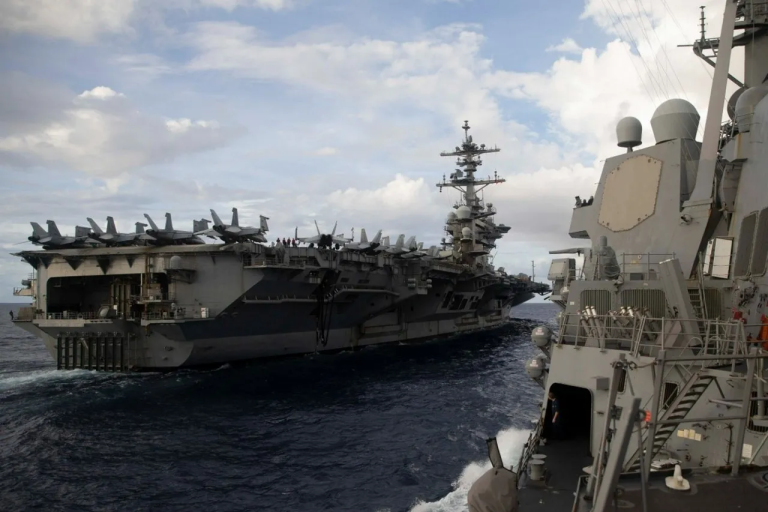
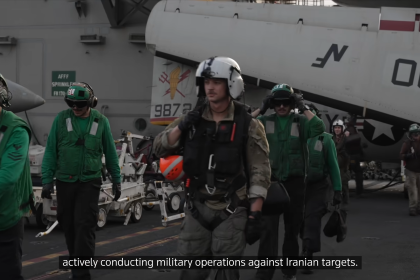
The aircraft carrier group USS Theodore Roosevelt (CVN-71) sailed closer to Iran
The carrier group, led by the nuclear-powered aircraft carrier USS Theodore Roosevelt…

Hermit crabs and cockroaches are acting as gardeners for a parasitic plant
Hermit crab. Image via Wiki Commons. In the humid, coastal forests of…
As the wreckage of the Mohajer-6 settles on the seafloor near the world’s most vital oil chokepoint, the message from CENTCOM is clear: The “cloak” provided by the 427th SOS in the mountains doesn’t just work one way—U.S. eyes are everywhere.