





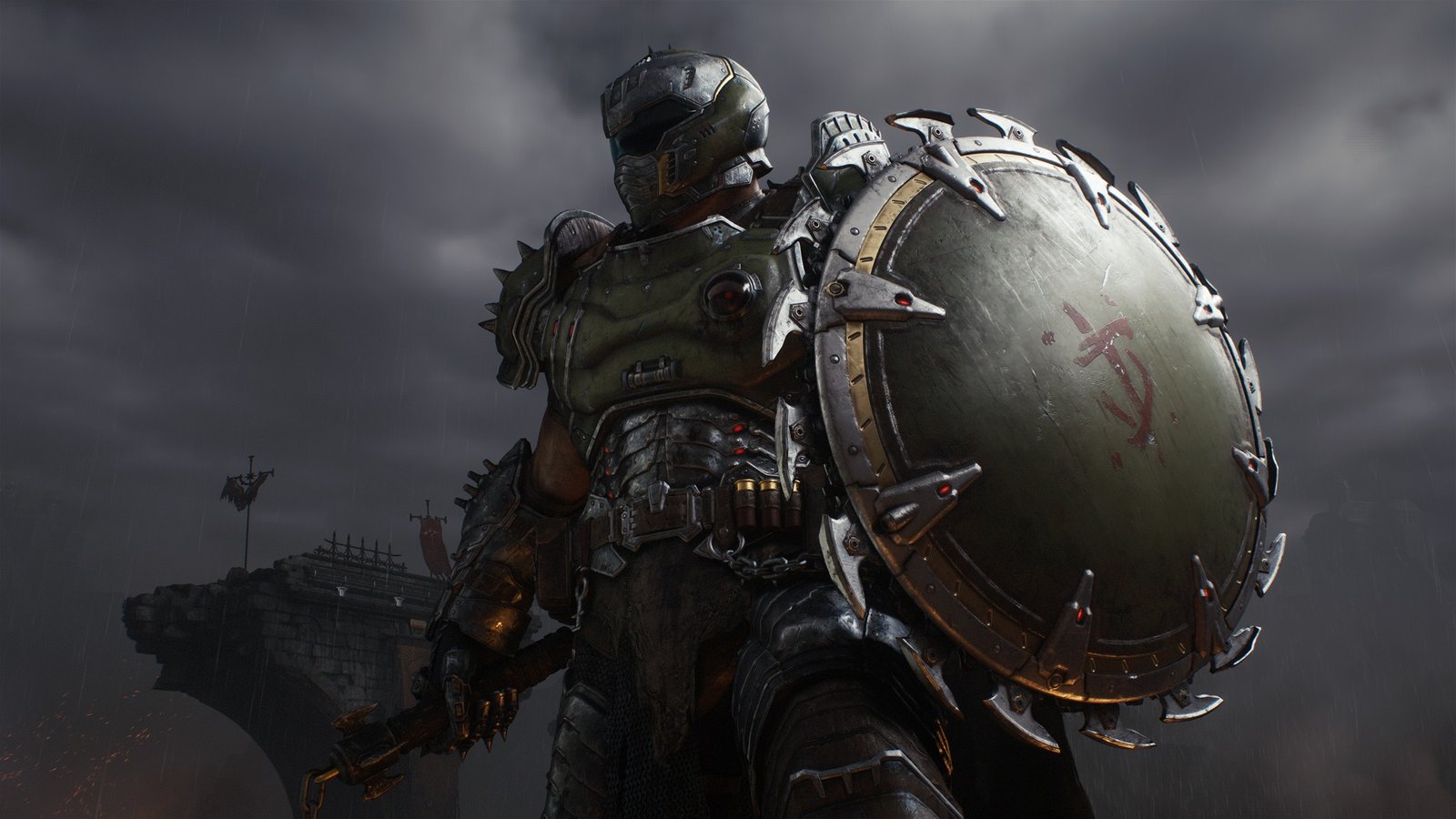
Look, I’ve been covering this industry for twenty years. I’ve seen the crunch, the layoff cycles right after a blockbuster launch, and the hollow press releases about “family” when the stock price dips. For years, the story of game development was a predictable, brutal one. That’s why the news out of Texas—that staff at Id Software, the absolute legends who defined the first-person shooter with Doom—have overwhelmingly voted to unionize—isn’t just another press release. It’s a fundamental shift.
This isn’t about just demanding more free coffee. This is about survival.
The Id-ification of Labor
The numbers are staggering and, frankly, beautiful: 165 workers voted yes. That’s out of a total of “around 185.” Forget a slim majority; this is a mandate.
But the real game-changer here is the “wall-to-wall” nature of the union. Traditionally, we’ve seen unions organize within specific disciplines—QA, for example. Id Software’s crew, now part of the CWA Local 6215, has everyone: the programmers who craft the fluid combat, the artists who design those monstrous demons, the producers trying to keep the train on the tracks. This isn’t a partial fix; this is a complete structural overhaul. This wall-to-wall model ensures that management can’t try to isolate or pit departments against each other during bargaining. When a senior VFX artist like Caroline Pierrot and a producer like Andrew Willis are standing shoulder-to-shoulder, the power balance in the room fundamentally changes. It elevates the conversation from just ‘wages for artists’ to ‘the entire studio’s long-term health.’

Who is Roger Avary? The Unfiltered Architect of Cult Cinema
If Quentin Tarantino is the face of the 90s independent film revolution,…

US Strike Eagle Downed Over Iran; High-Stakes Rescue Mission Underway
TEHRAN / WASHINGTON D.C. – In a significant escalation of Operation Epic…

Here’s how Russia should deal with Trump’s new America
The key to normalizing relations between Moscow and Washington lies in our…

The test the US cannot afford to fail
The outcome of the war with Iran will determine America’s capabilities on…

The Isaaq Genocide: Somalia’s Brutal Attempt to Wipe Out an Entire Clan – And the World Still Looks Away
Between 1987 and 1989, under dictator Siad Barre's iron fist, the Somali…

The ‘Double-Tap’ Atrocity: Air Strike Hits Karaj First Responders During B1 Bridge Rescue
The recent escalation in the conflict has shifted its focus toward critical…
Willis nailed the core issue: the union is a way for developers “to take back control of the industry we love.” You hear that phrasing, “take back control,” from developers everywhere—it’s the sound of genuine burnout translating into collective action.
The Microsoft Safety Net, and a Crucial Difference
The immediate, essential context here is Microsoft.
Since the Xbox giant inked its labor neutrality agreement with the CWA back in June 2022, we’ve seen union votes cascade through their studios: Bethesda, ZeniMax Online, Blizzard’s Diablo and Hearthstone teams, and even Activision user researchers. Microsoft—in a shrewd, realpolitik move to secure their Activision Blizzard acquisition—essentially removed the single biggest historical hurdle to unionization: management actively fighting the process.
But here’s my second point: Observation 2: The End of Labor-as-PR.
The wave of unionization is often framed as a win for Microsoft’s reputation—a demonstration of their progressive labor policies. That’s a superficial take. These union votes aren’t happening because Microsoft is encouraging them; they are happening because Microsoft is legally and contractually obligated not to interfere. The energy, the hours, the organizing muscle—that’s all coming from the workers, not the corporation.
What the Id Software vote proves is that the appetite for organizing within ZeniMax studios—which historically suffered from a punishing culture of crunch long before Microsoft bought them—is still ravenous. The labor agreement merely provided the clear runway; the developers are the ones building and flying the planes. This is a profound, worker-led movement that no corporate PR strategy can truly contain or claim credit for.
The Slow Burn of the Collective Bargaining Agreement (CBA)
We need a dose of reality here. While the vote is a massive, immediate victory, the real work—the hard, grind-it-out slugfest—starts now.
Look at Raven Software. They voted to unionize back in early 2022. They finally secured their collective bargaining agreement (CBA) with Microsoft three years later. Three years! A CBA is the document that actually codifies the wages, benefits, working conditions, and job security measures.
The biggest variable in the current union success narrative is the speed of CBA negotiation. If Microsoft slows these processes down—even passively—it can drain the resources and enthusiasm of the newly formed unions. The Id Software union’s success isn’t truly measured until they sign a contract that addresses the core instability issues Pierrot mentioned. I’m watching this closely. The company’s willingness to quickly and fairly negotiate with this latest, powerful “wall-to-wall” unit will be the true test of their labor neutrality commitment.
The staff at Id Software just secured their voice. Now they have to use it. And for every game worker watching, from the massive AAA studios to the indie teams, this Doom team just loaded the BFG. Get ready.