















In the 2026 landscape of software engineering, Cursor AI has emerged as the definitive tool for high-velocity development. However, a common narrative has surfaced—driven by the platform’s incredible synergy with Eastern LLMs—that Cursor is a Chinese innovation.

In reality, Cursor is developed by Anysphere, a San Francisco-based startup. The confusion persists because Cursor was the first major IDE to flawlessly integrate “reasoning” models like DeepSeek-V3 and DeepSeek-R1. While the editor is American, its ability to harness China’s most efficient coding logic has made it a global bridge for AI-native programming.
Beyond the Chatbot: Why Cursor Dominates
Unlike traditional editors that simply “bolt on” a chat window, Cursor is a VS Code fork rebuilt from the ground up for agentic workflows.
1. The Agentic Composer
The standout feature in 2026 is Composer 1.5. It doesn’t just suggest snippets; it handles multi-file refactors autonomously. By using a “Plan-Execute-Verify” loop, it can update your frontend, backend, and database schema in one coordinated sweep.
2. Shadow Workspaces
Cursor eliminates the “broken build” cycle through Shadow Workspaces. In the background, AI agents test code and run linters in a hidden environment. You only see the code once the AI has verified it actually works, preserving your flow state.
3. Proprietary “Tab” Prediction
While it supports external APIs, Cursor uses a custom, low-latency model for Tab Autocomplete. It predicts entire logic blocks—not just the next word—allowing developers to act more like architects than typists.

Newegg Reveals Massive Working Roblox Race Horses Codes Breakdown For Maximum Rewards
Welcome back to The Philly PI’s hardware lab, where we keep a…

Massive Darth Vader Episode II Premiere Secrets Finally Revealed After Years of Waiting
The anticipation surrounding independent and fan-made Star Wars projects has always been…

Philadelphia Icon Pat Croce Unveils Inspiring Secrets in New Life-Changing Book
PHILADELPHIA — For generations of sports fans across the Delaware Valley, the…
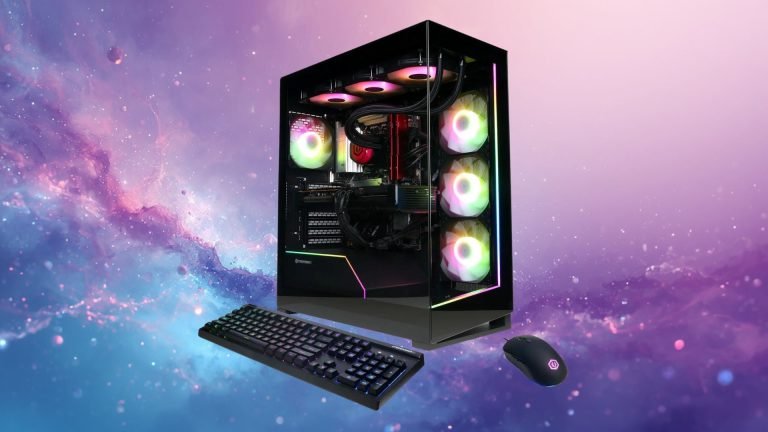
All-AMD 4K Gaming PC Deal: Save $260 on Ryzen 7 9800X3D & Radeon RX 9070 XT Rig with 32GB DDR5 & 2TB SSD
Newegg Cuts $290 Off This All-AMD 4K Gaming PC Featuring the Ryzen…
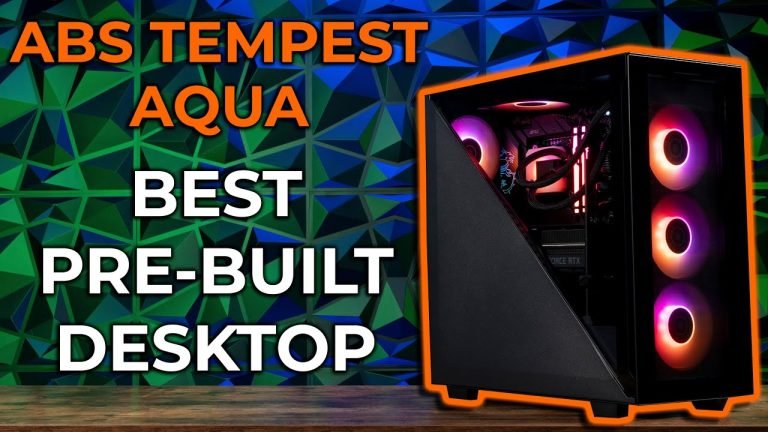
ABS Tempest Aqua Review Dominates The Best PreBuilt Gaming Desktop Market
Welcome back to the gear lab here at The Philly PI, where…

How Mikoyan and Sukhoi Design Bureaus Achieved Variable-Sweep Wings
Continued. Part one: The Origins of the Soviet Tilt-Wing: From the Bell…
A Model-Agnostic Powerhouse
The brilliance of Cursor lies in its neutrality. Developers can toggle between Claude 3.5 Sonnet for creative problem-solving and DeepSeek-R1 for hyper-efficient, low-cost logic. This flexibility ensures that no matter where the next breakthrough in AI happens—be it Silicon Valley or Beijing—Cursor users are the first to benefit.
The Verdict: Cursor isn’t just a Chinese-model powerhouse; it is the definitive interface for the next era of software engineering.
The “model-agnostic” nature of Cursor is its greatest strength in 2026. By choosing the right model for the right task, you can maximize your $20/month Pro credit pool or minimize overage costs.
Below is a breakdown of the most cost-effective API models currently available within the Cursor ecosystem for 2026, categorized by their primary strength.
2026 Cursor Model Cost-Effectiveness Table
| Model Name | Strength | Input Cost (per 1M) | Output Cost (per 1M) | Best For |
| DeepSeek-V3.2 | Best Value | $0.28 | $0.42 | Everyday coding, logic, and debugging. |
| Gemini 2.0 Flash-Lite | Cheapest | $0.075 | $0.30 | Simple scripts, boilerplate, and documentation. |
| Claude 3.5 Sonnet | Versatility | $3.00 | $15.00 | Complex UI/UX and nuanced refactors. |
| GPT-5 Mini | Speed | $0.25 | $2.00 | Fast autocompletion and unit test generation. |
| DeepSeek-R1 | Reasoning | $0.14 | $0.42 |