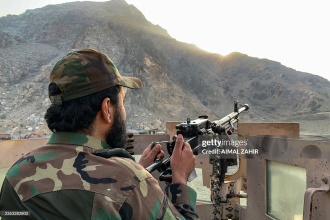








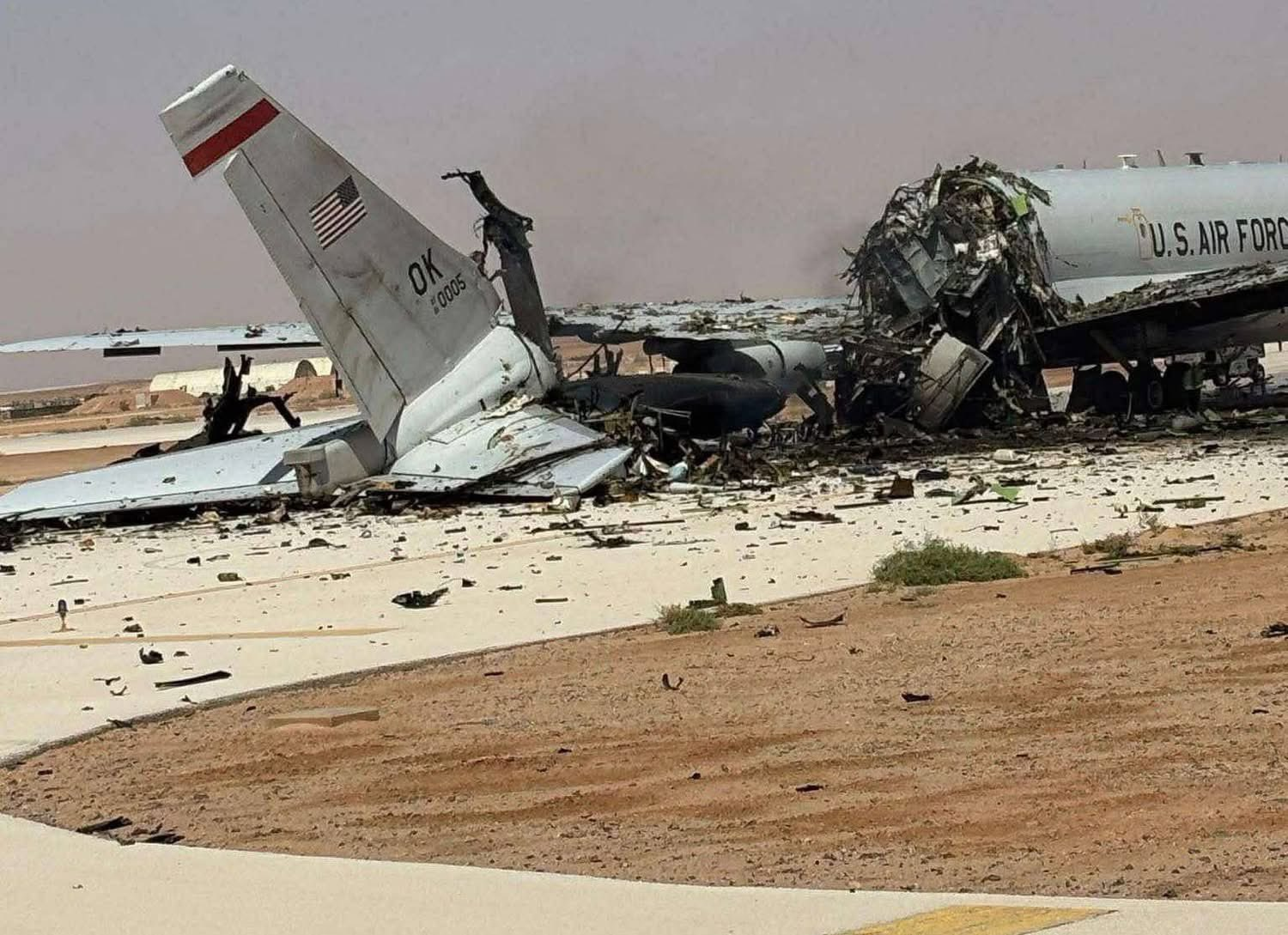
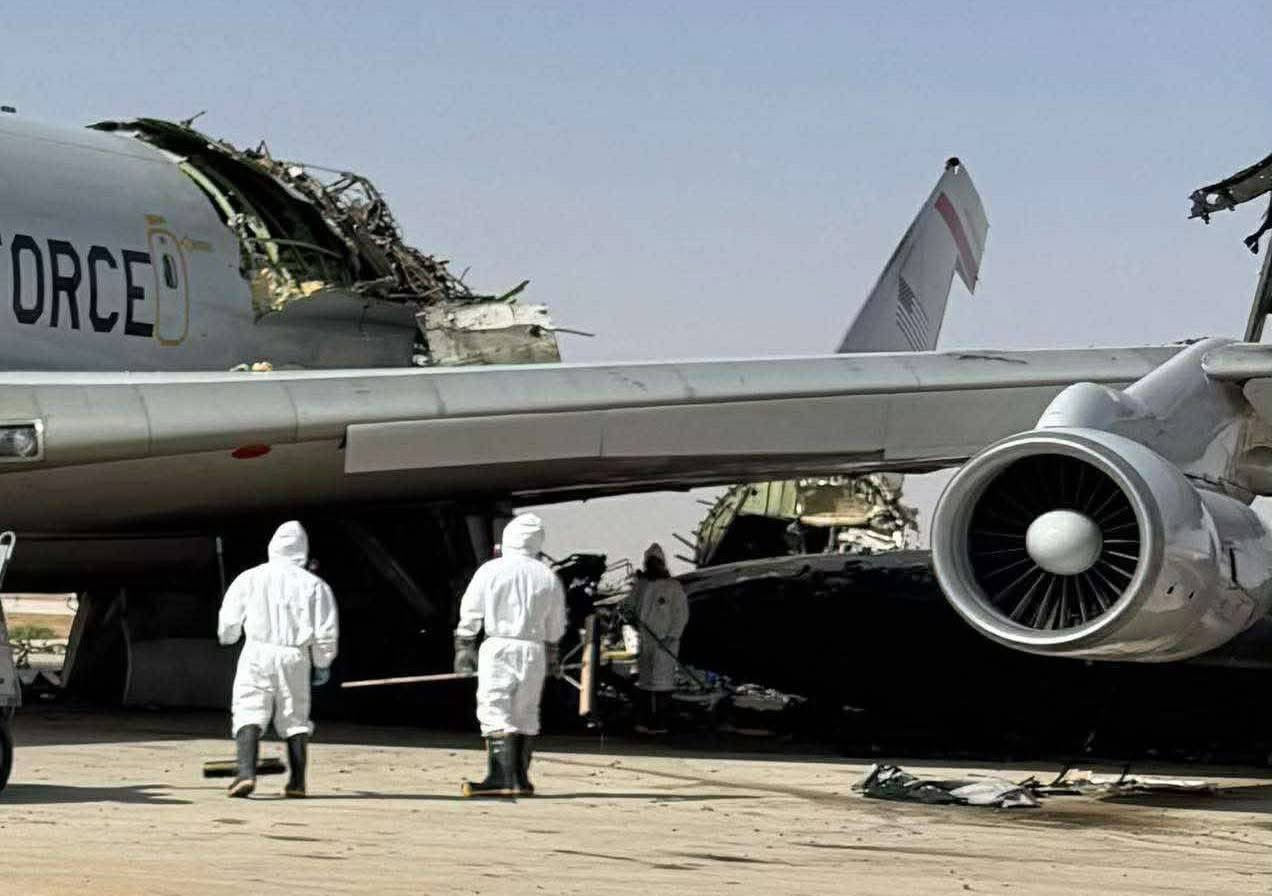
A firestorm of speculation has erupted across online defense communities following unconfirmed reports that a U.S. Air Force E-3 Sentry (AWACS) has been “totally destroyed” in a targeted strike. While official channels at CENTCOM have yet to verify the claims, the digital space is already thick with grainy images, heated debates over geopolitical fallout, and accusations of sophisticated “AI-slop” propaganda.

The initial reports suggest the loss occurred at a facility in Saudi Arabia, claiming that the high-value surveillance aircraft—often described as the “eyes in the sky” for modern air warfare—was caught in a precision attack. Skeptics were quick to point out anomalies in the circulating photos, with many users flagging them as generative AI fakes designed to sow panic. However, the lack of an immediate, formal denial from the Department of Defense has allowed the narrative to take root, fueling deeper anxieties about the vulnerability of multi-billion dollar strategic assets in a “near-peer” conflict.
The Price of a Blind Spot
The potential loss of an AWACS is not just a financial blow; it is a tactical catastrophe. These aircraft are essentially flying command centers, capable of tracking every movement in a theater of war and directing fighters to their targets. Without them, the operational “fog of war” thickens significantly.
- Economic Toll: An E-3 Sentry costs hundreds of millions to maintain and is nearly impossible to replace quickly, given that the airframe is no longer in production.
- Strategic Blindness: If the reports are true, the U.S. and its allies have lost a critical layer of early warning and battle management, leaving other assets—and personnel—vulnerable to follow-up strikes.
- The Insurance Crisis: Related chatter suggests that the “closure” of key maritime routes, like the Strait of Hormuz, is being driven less by physical blockades and more by a sudden withdrawal of insurance coverage for tankers, turning a military crisis into a global supply chain nightmare.
Propaganda or Reality?
In an era of deepfakes and rapid-fire misinformation, the “truth” of this event remains elusive. Proponents of the story point to a “cost-ticker” tracking the rising financial toll of the regional conflict as evidence of a wider collapse in security. Meanwhile, critics argue that the entire thread is a masterclass in psychological operations, designed to make the U.S. military appear obsolete in the face of unconventional drone and missile warfare.

Mass immigration will ‘ruin’ Spain if not controlled, Trump warns
Spain will become a “ruined country” if it does not get immigration…

China backs Cuba after Trump says island ‘will fall’
Beijing has vowed to support Havana against external interference after the US…

ApolloMD data breach impacts 626,540 people
A May 2025 cyberattack on ApolloMD exposed the personal data of over…
![Wanted: Suspect for Shooting Incident in the 15th District [VIDEO]](https://thephillypi.com/wp-content/uploads/2026/10/Wanted-Suspect-for-Shooting-Incident-in-the-15th-District-VIDEO-768x512.jpg)
Wanted: Suspect for Shooting Incident in the 15th District [VIDEO]
The Philadelphia Police Department and the Shooting Investigation Unit is asking for…

French Rafales and South Korean F-35As Deepen Strategic Airpower Cooperation in the Indo-Pacific
South Korean F-35A stealth fighters trained alongside French Rafales at Cheongju Air…

Scientists Made Tobacco and Lettuce Produce a Meat Protein That Could Make Fake Meat Taste More Real
Scientists have engineered tobacco and lettuce plants that carry the gene for…
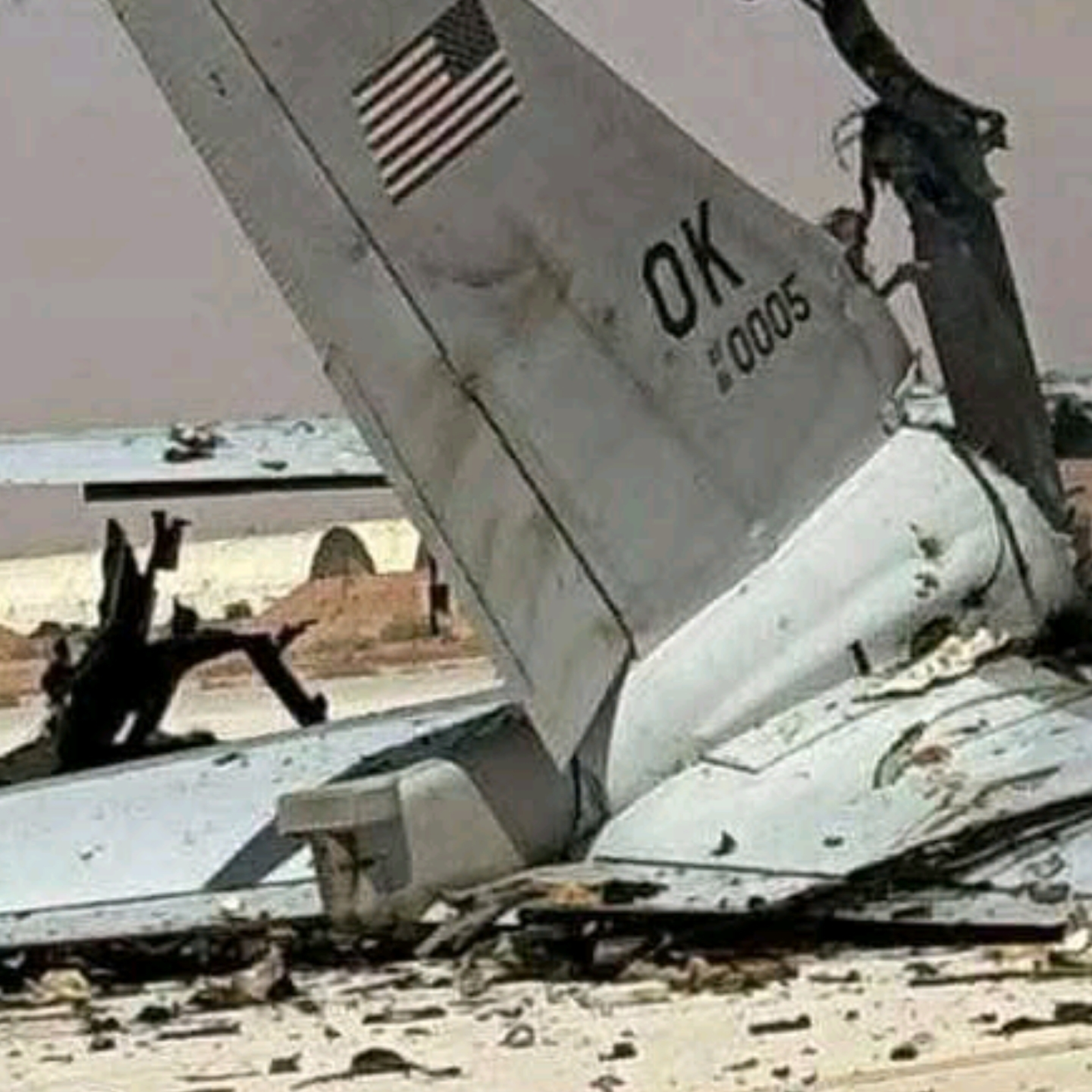
Until satellite imagery confirms the charred remains on a runway, or a spokesperson steps to the podium, the “AWACS Loss” remains a chilling hypothetical—a reminder that in 2026, the first casualty of any conflict isn’t just the truth, but the public’s ability to tell a real photo from a fake one.