






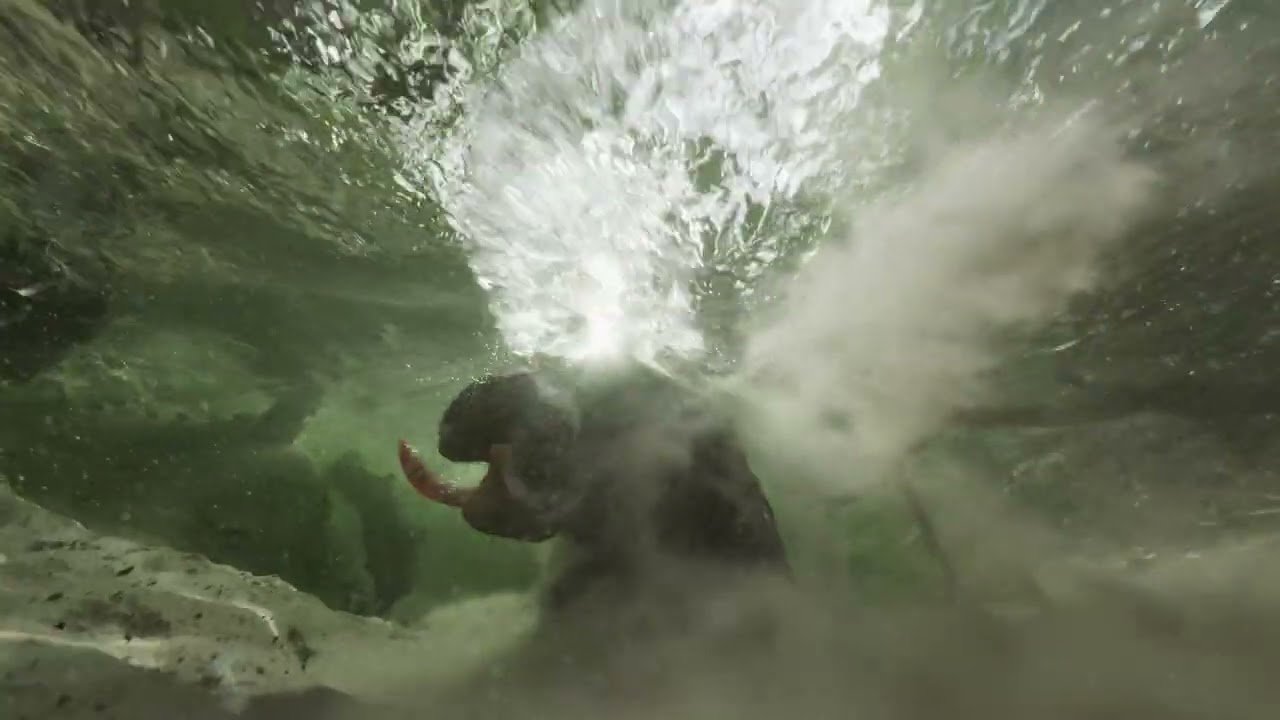
March 31, 2026 — The world of high-end visual effects just hit a massive milestone. In a stunning new demonstration of what modern hardware can do, a complex “Hippo Fluid Scene” has successfully pushed the boundaries of digital water by simulating a staggering 100 million particles in real-time.
For those who aren’t deep into the world of 3D modeling, simulating water is one of the hardest things for a computer to do. Usually, you have to choose between speed and detail. But with the new HydroFX system, that choice is becoming a thing of the past.
The “Cohesive” Splash
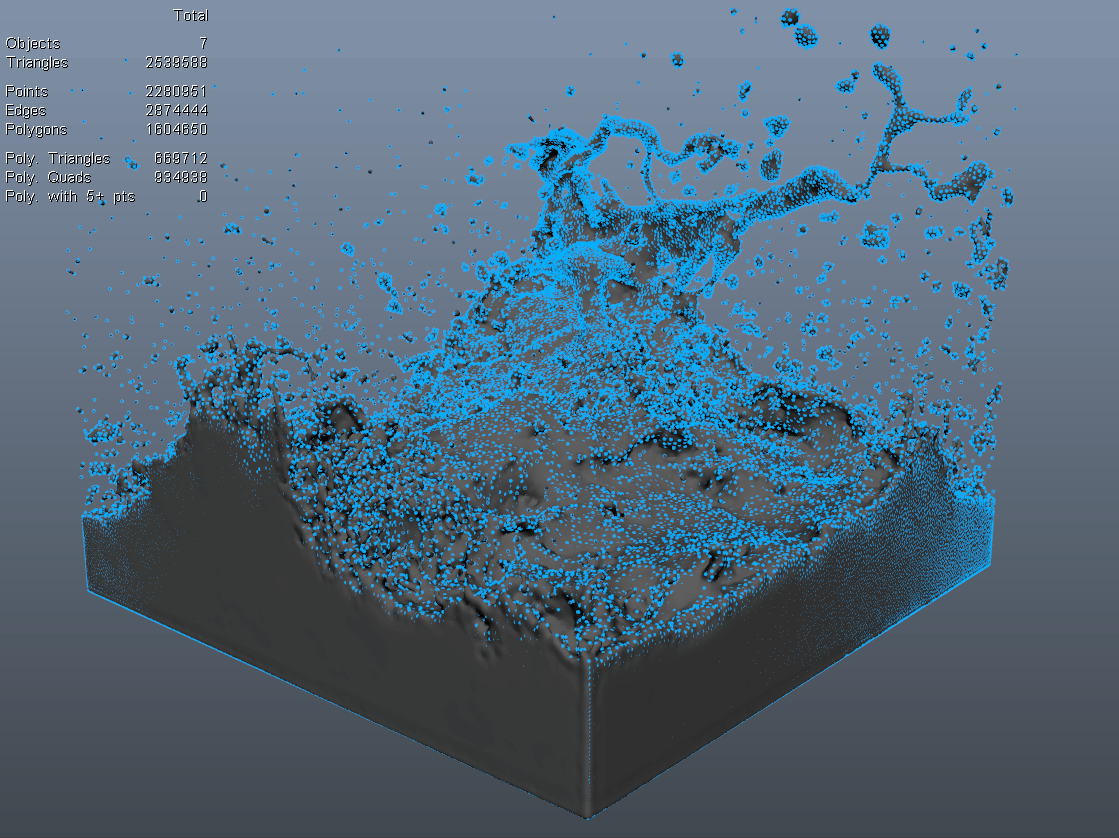
The demonstration showcased a massive hippo thrashing through a river, but it wasn’t just simple water. The HydroFX system managed to simulate foam, bubbles, and spray all together in a single, cohesive system.
Usually, these effects are done separately and layered on top of each other, which can look “fake.” By doing them all at once, the interaction between the bubbles and the foam looks exactly like it would in a real nature documentary.

THE DEAD MMORPG SURVIVOR: How Dragon Nest Transformed Fast-Paced Action Combat—And Why Fans Refuse to Let It Die
LOS ANGELES, CA — Long before modern action RPGs dominated mainstream gaming…

2,000 Pairs of Underwear Were Turned Into a Giant Soil Experiment and the Results Were Surprisingly Revealing
Slightly or heavily decomposed? The more active the soil organisms, the faster…

The aircraft carrier group USS Theodore Roosevelt (CVN-71) sailed closer to Iran
The carrier group, led by the nuclear-powered aircraft carrier USS Theodore Roosevelt…

Home Depot Launched a New Husky Laser Distance Tool
I spotted a new Husky laser distance measuring tool on Home Depot’s…

U.S. CISA adds SolarWinds Web Help Desk, Notepad++, Microsoft Configuration Manager, and Apple devices flaws to its Known Exploited Vulnerabilities catalog
U.S. Cybersecurity and Infrastructure Security Agency (CISA) adds SolarWinds Web Help Desk,…

Germany's Former Spy Chief Arrested In Biggest Espionage Scandal Of The Century
August Hanning, former head of the German BND foreign intelligence agency, which…
Powered by GPU Acceleration
The secret sauce behind this massive 100M particle count is full GPU acceleration. Instead of relying on the computer’s main brain (the CPU), the simulation offloads the heavy math to the graphics card.
The workflow behind the scene was a “best of” for digital artists:
- Houdini: Used for the initial meshing and the complex interaction between the water and the sand on the riverbed.
- Blender: Used for the final “lookdev” and rendering, proving once again that open-source software can compete with the most expensive tools in Hollywood.
What This Means for Gaming and Film
For indie developers and digital news publishers, this tech is a glimpse into the near future. As these tools become more accessible, we’ll start seeing this level of “AAA” realism in smaller projects and interactive media.
If you’re working in Unity or Godot, seeing 100 million particles on a standard GPU is a sign that the “performance ceiling” is about to be shattered. The “AI bubble” might be on everyone’s mind, but in the world of pure physics simulation, the progress is undeniable.