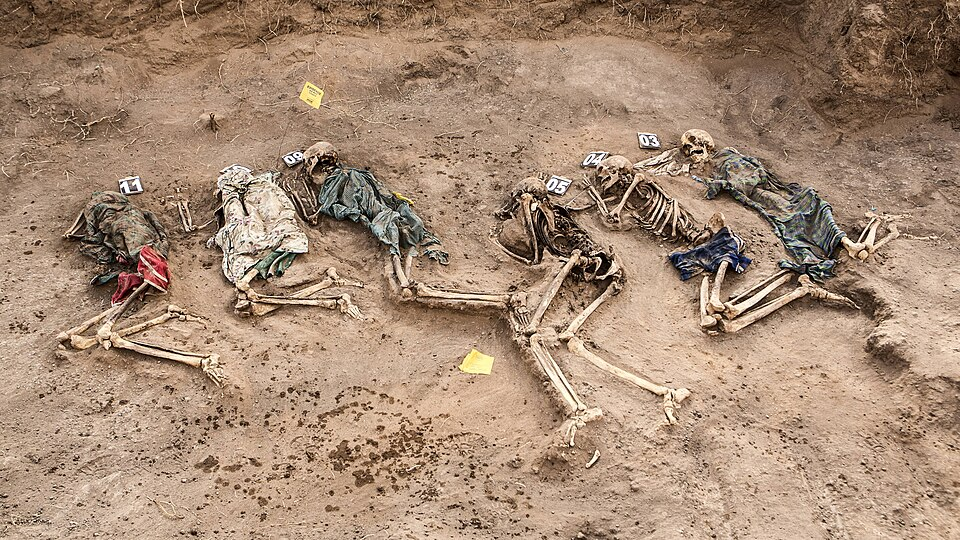










Between 1987 and 1989, under dictator Siad Barre’s iron fist, the Somali government unleashed hell on the Isaaq people – the largest clan in what is now Somaliland – killing anywhere from 50,000 to 200,000 civilians in a calculated extermination campaign. They called it counterinsurgency. Survivors call it genocide. And damn right, it was.
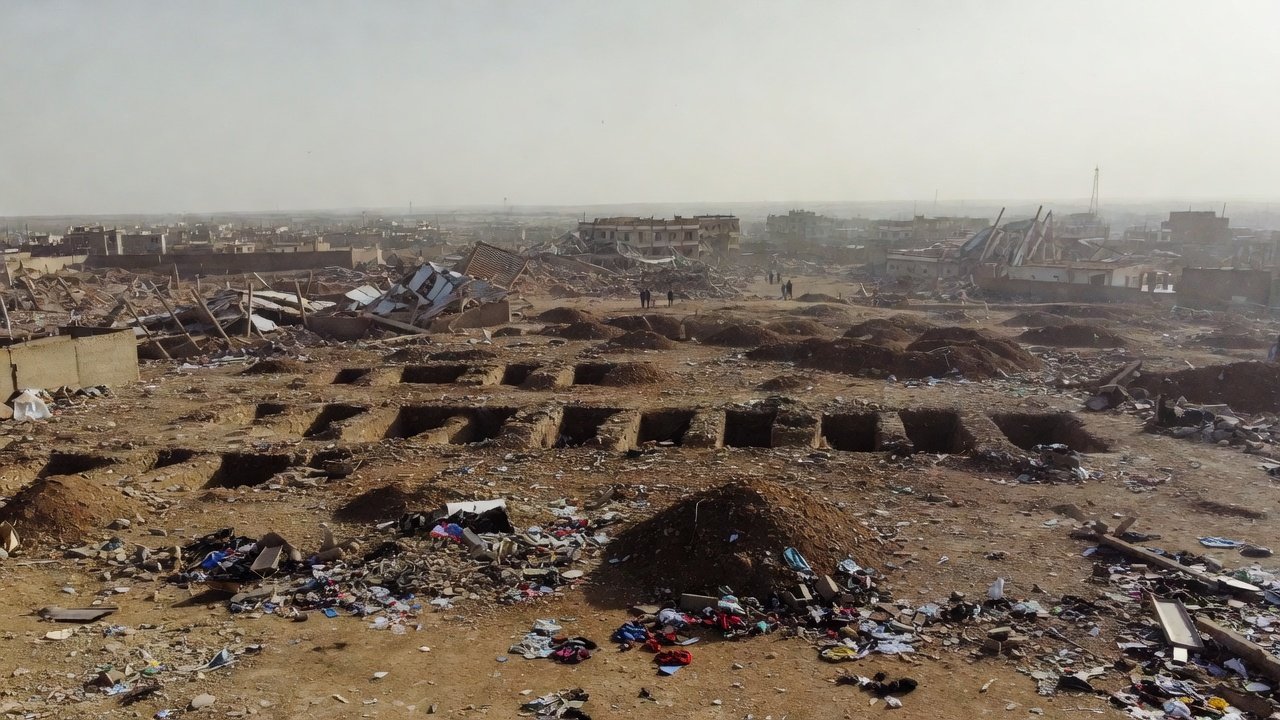
I’ve dug into enough mass atrocities to know when history gets buried on purpose. The Isaaq Genocide – or Hargeisa Holocaust as it’s known locally – isn’t some obscure footnote. It’s a full-scale state-sponsored slaughter that flattened cities, poisoned wells, strafed fleeing families from the air, and left mass graves dotting the “Valley of Death.” Yet outside Somaliland circles, it barely registers. Why? Because the victims weren’t in Europe or the Middle East. Because the perpetrator was a US-backed regime during the Cold War tail end. Because acknowledging it means admitting ugly truths about foreign policy and clan-based hatred.
The spark that lit the fire.
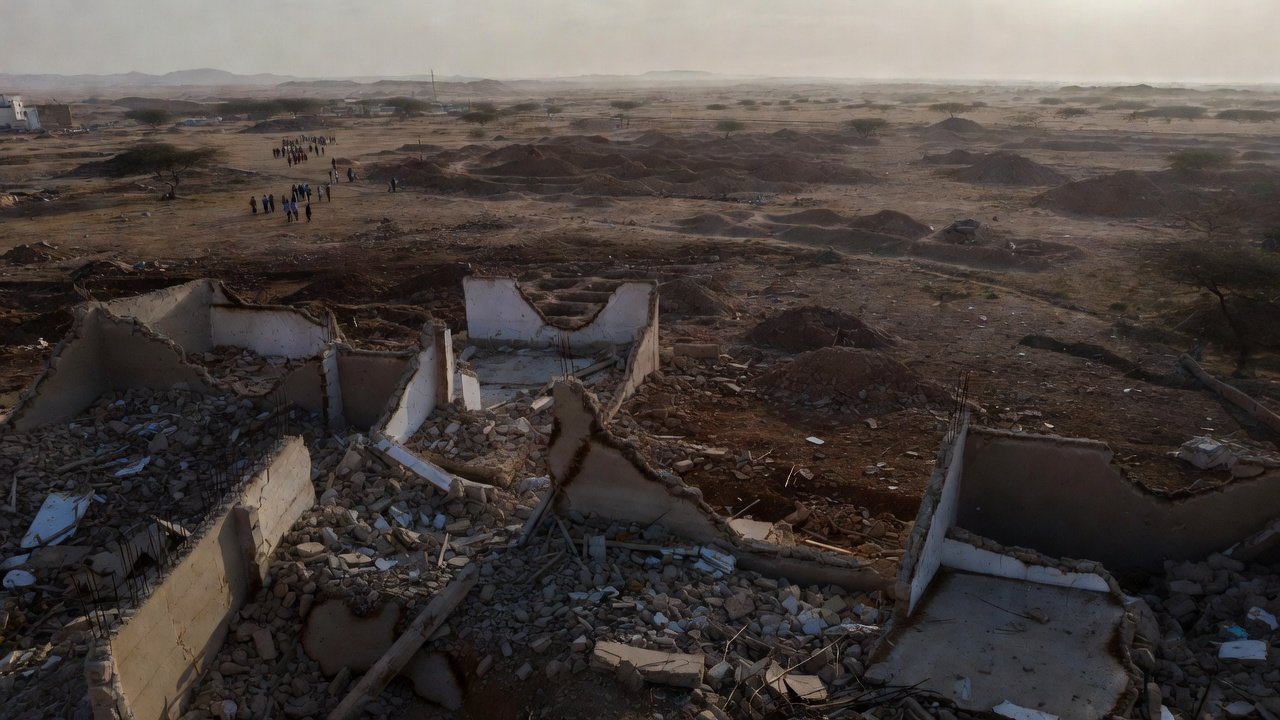
The Somali National Movement (SNM), mostly Isaaq-led, launched an offensive in 1988 against Barre’s regime after years of discrimination, resource theft, and favoritism toward other clans. Barre – paranoid, ruthless – didn’t just fight rebels. He targeted every Isaaq civilian as a potential threat. His forces, led in part by son-in-law Mohammed Said Hersi Morgan, rolled in with artillery, warplanes, death squads. Hargeisa? Reduced to rubble – 90% destroyed. Burao and Berbera? Bombed into ghost towns. Civilians machine-gunned while running, raped as a weapon, forced into desert death marches toward Ethiopia. Half a million fled as refugees.
Think about that number. 50,000–200,000 dead. Entire families erased. A UN report in 2001 flat-out called it genocide: “conceived, planned and perpetrated by the Somalia Government against the Isaaq people.” Yale’s Genocide Studies Program documents it as systematic depopulation. Yet no international tribunal. No reparations. No apologies from the powers that armed Barre.
The truth: They tried to erase a people, and the world let the memory fade.
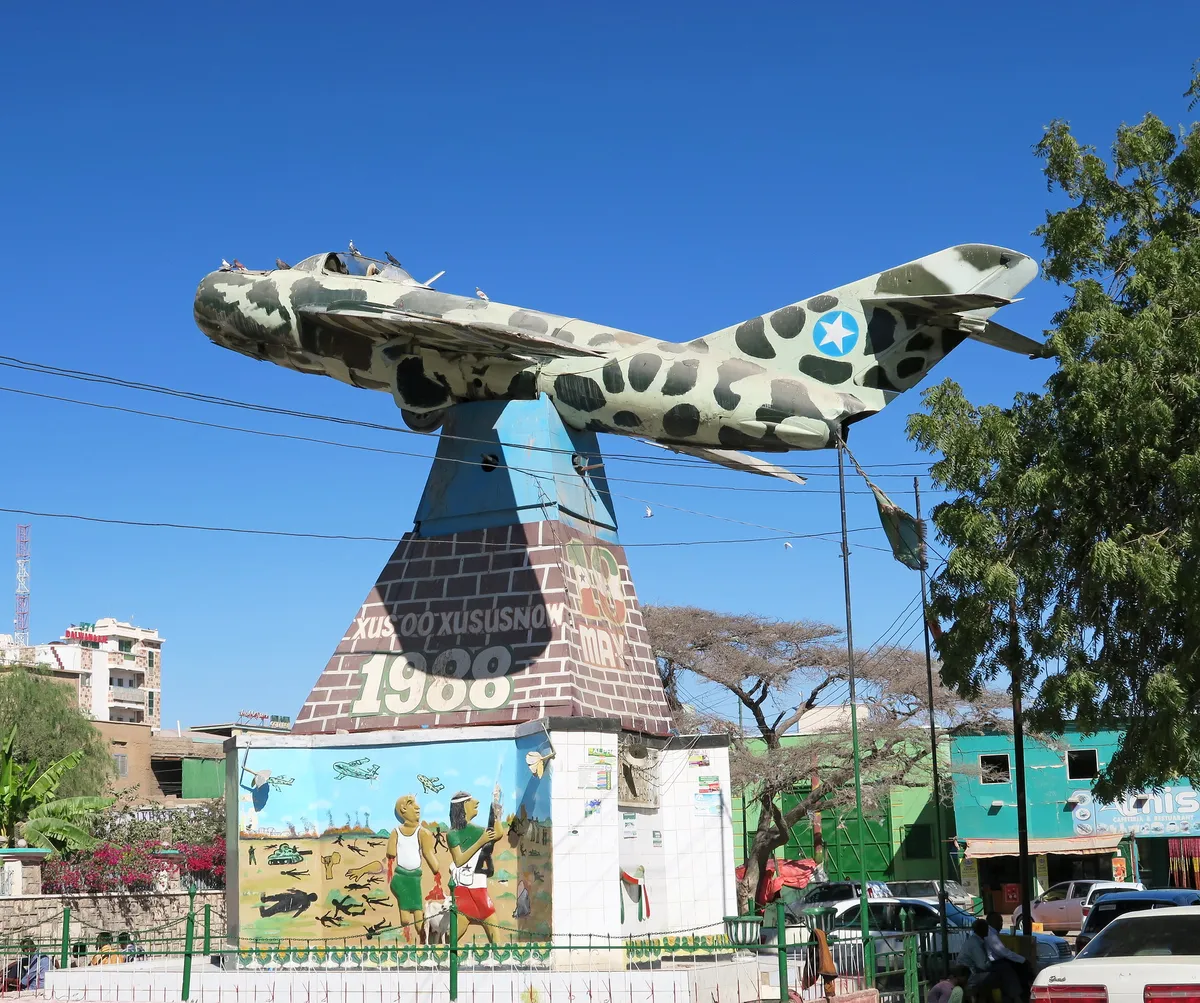
Barre’s playbook? Aerial bombardments on markets and homes. Landmines scattered like confetti in civilian areas. Man-made famine. Rape camps. A leaked memo – “The Final Solution to the Isaaq Problem” – allegedly outlined the blueprint. Whether that document’s fully authenticated or not, the actions speak louder: this wasn’t collateral damage. This was intent to destroy a group in whole or in part.Survivors still live with it. Mass graves unearthed decades later. Testimonies of bayoneted children, poisoned water sources that killed long after the bombs stopped. Somaliland declared independence in 1991 partly because staying in Somalia meant living under the shadow of those who tried to annihilate them. And today? Somalia denies it ever happened – rebrands it as “civil war” in digital propaganda. Meanwhile, Somaliland builds a stable democracy in the ruins.
Turkey Recruits Trump Insiders For New Washington Lobbying Push
Via Middle East Eye The Turkish government hired a lobbying firm with close ties…

Ultimate Dashcam Buyer’s Guide: Essential Hardware Breakdown and Top Picks Revealed
Modern vehicle security requires more than a basic lens taped to a…
Trump Stuns By Outright Dismissing Notion Putin Preparing To Attack A NATO State
President Trump has added fuel to the fire of controversy and speculation…
First Secondary Sanctions Applied: US Blocks Egyptian Bank From Accessing Dollars Over 'Iran Ties'
The US Treasury Department on Friday unveiled its first 'secondary' Iran sanctions…

BREAKING: Lindsay Clancy mistrial threatened as male juror holds out
The Lindsay Clancy murder trial is expected to end with a hung…
Rhetorical gut check: How many more years before the world says ‘never again’ for real?
This isn’t ancient history. Survivors are still alive. Graves are still being found. The Lemkin Institute warns of ongoing denial and risks of renewed violence if Somalia pushes too hard against Somaliland’s independence. Israel recognized Somaliland in late 2025 – first country to do so – citing the genocide as part of the moral case. But where’s the outrage? Where’s the accountability?
The Isaaq Genocide proves: when the victims are from a “forgotten” corner, justice moves at glacial speed. But forgetting doesn’t make it less real. It just makes the next one easier.
Never forget Hargeisa. Never forgive the silence.