


![Wanted: Suspects for Attempted Robbery in the 22nd District [VIDEO]](https://thephillypi.com/wp-content/uploads/2026/08/Wanted-Suspects-for-Attempted-Robbery-in-the-22nd-District-VIDEO-330x220.jpg)

![Wanted: Suspects for Shooting Incident in the 3rd District [VIDEO]](https://thephillypi.com/wp-content/uploads/2026/08/Wanted-Suspects-for-Shooting-Incident-in-the-3rd-District-VIDEO-330x220.jpg)

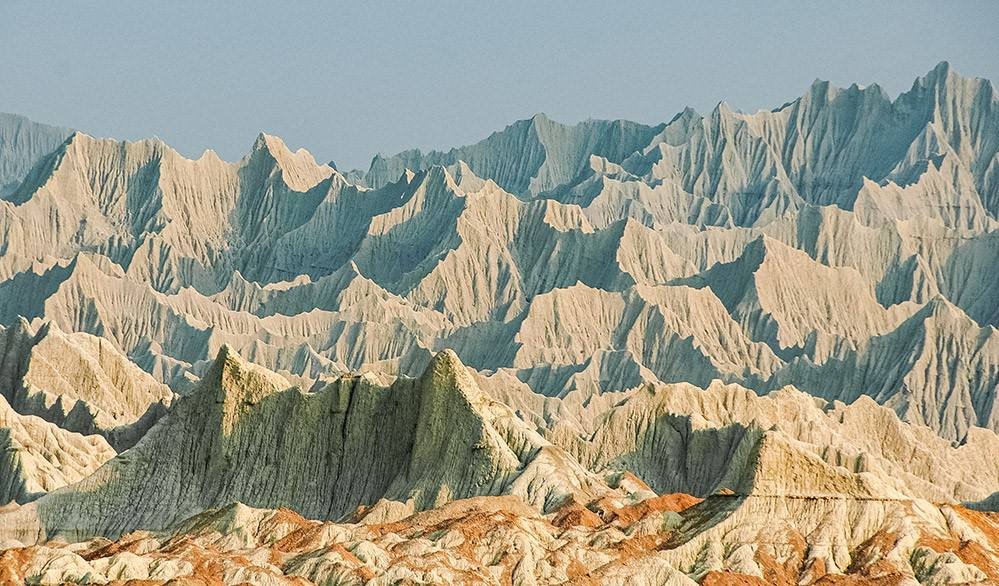
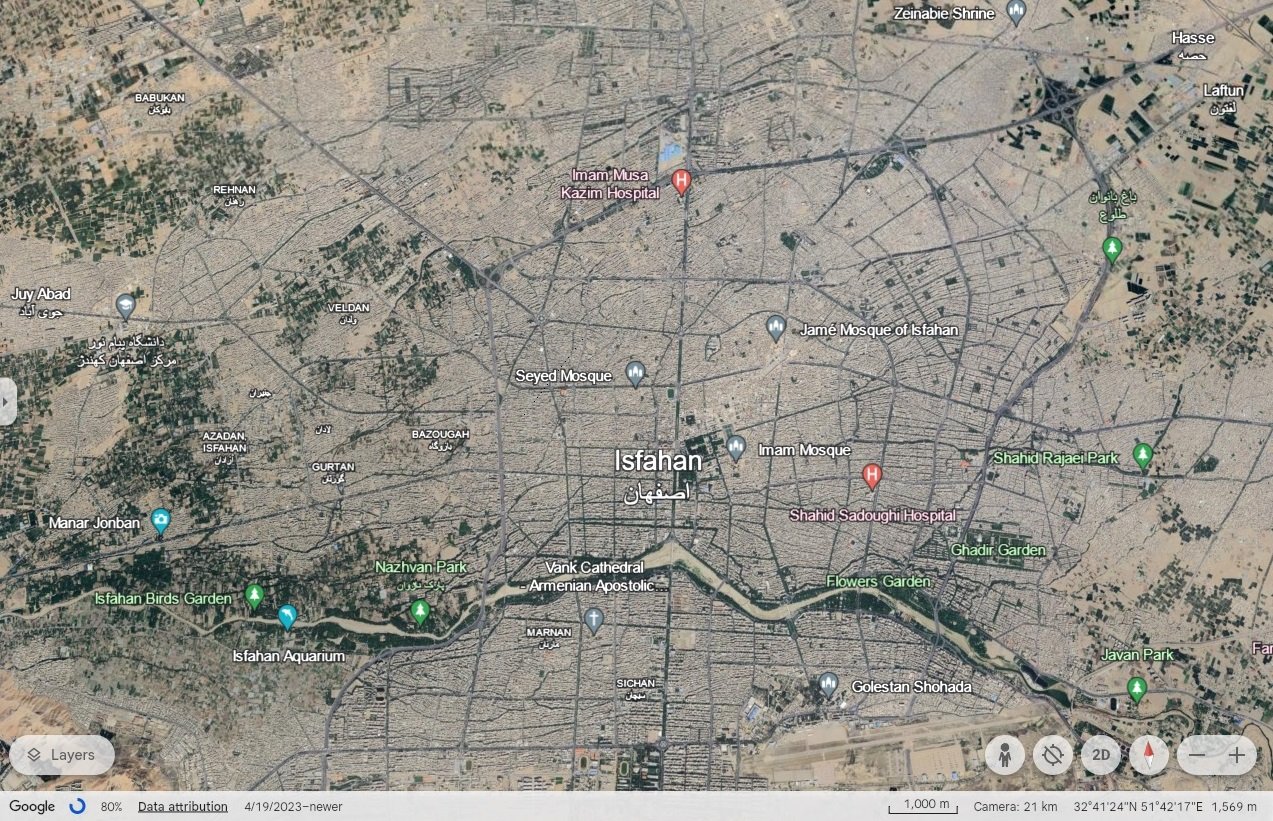
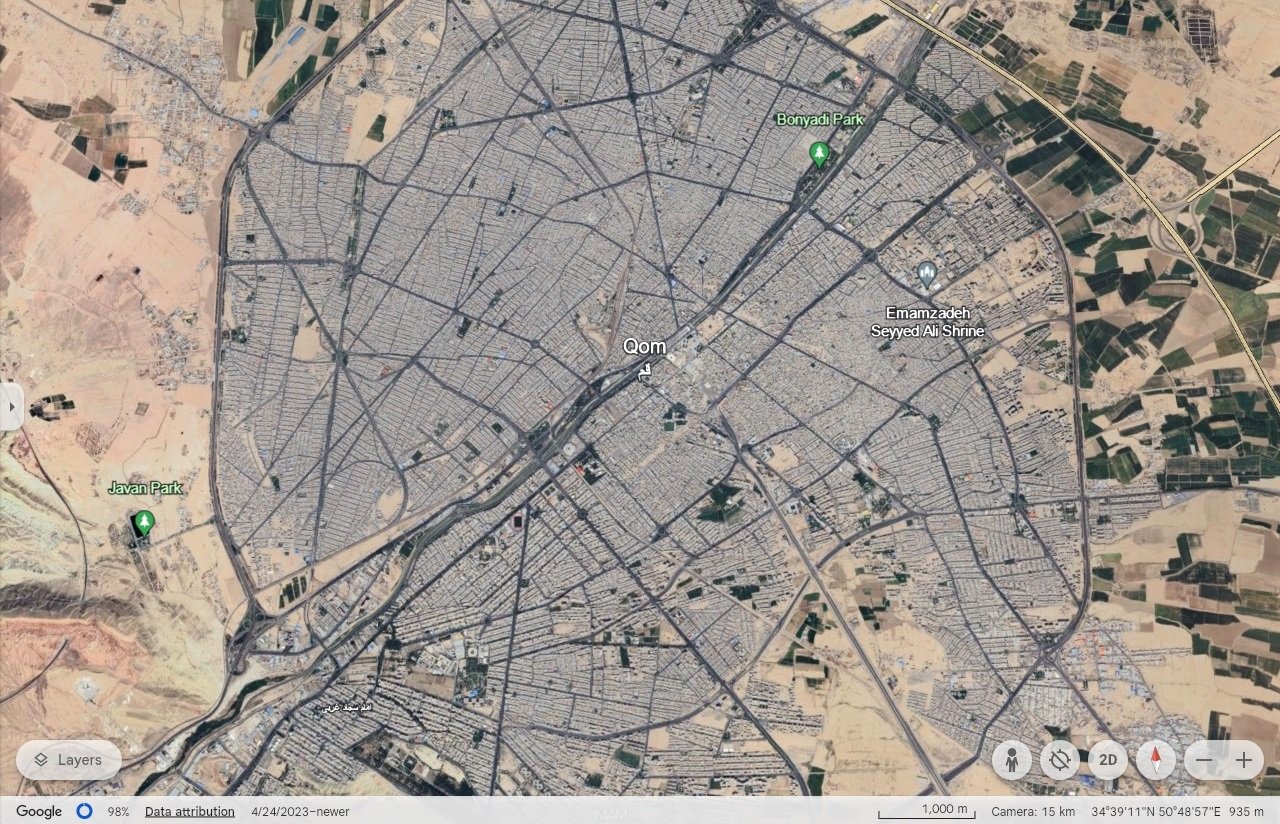
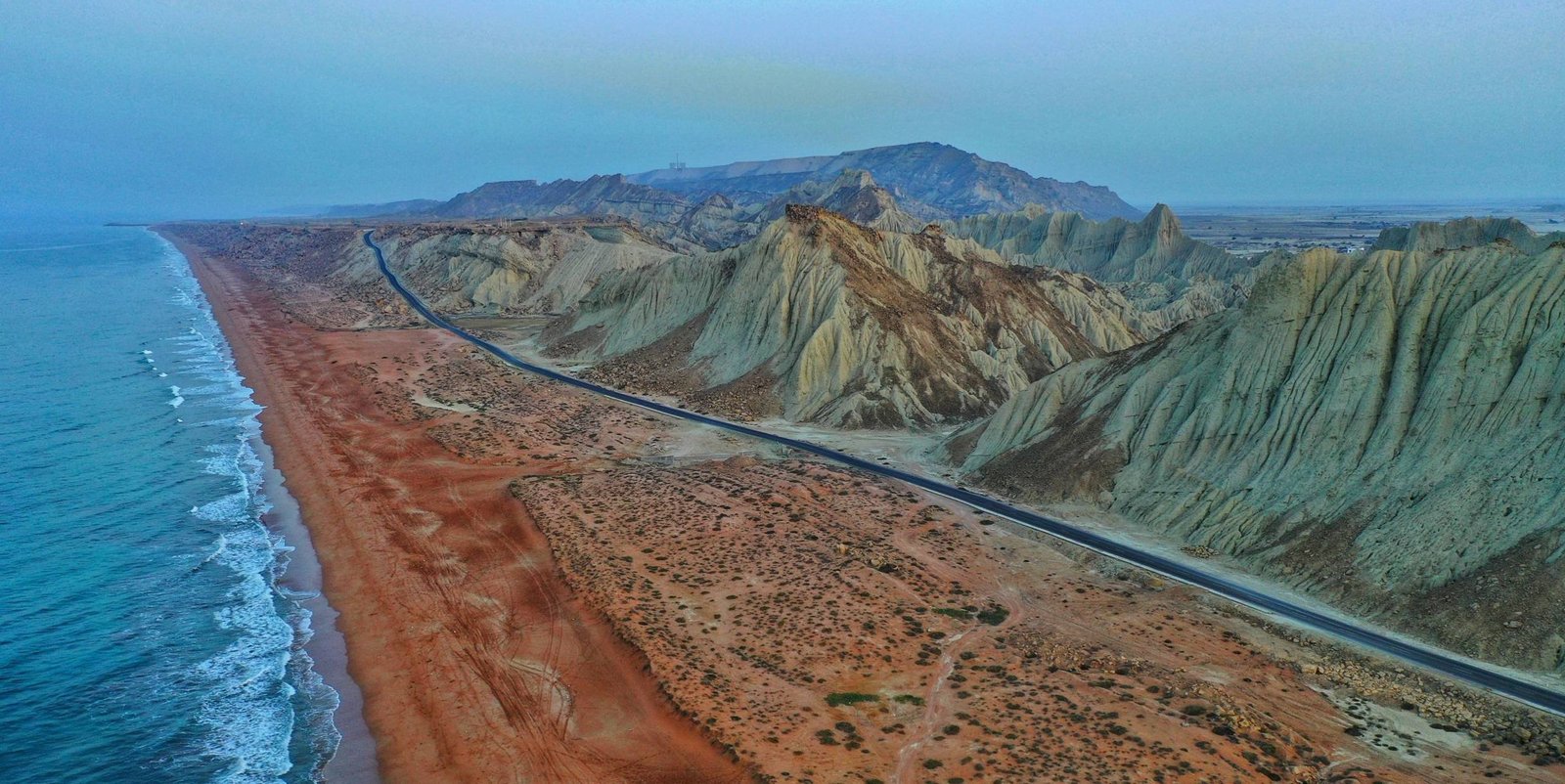
In the rugged expanse of the Iranian plateau, history isn’t just written in books—it’s carved into cliffs and molded from the very earth itself. Iran’s “fortress landscape” is a staggering collection of ancient military and civic architecture that has survived millennia of silk-road trade, nomadic invasions, and the rise and fall of empires.
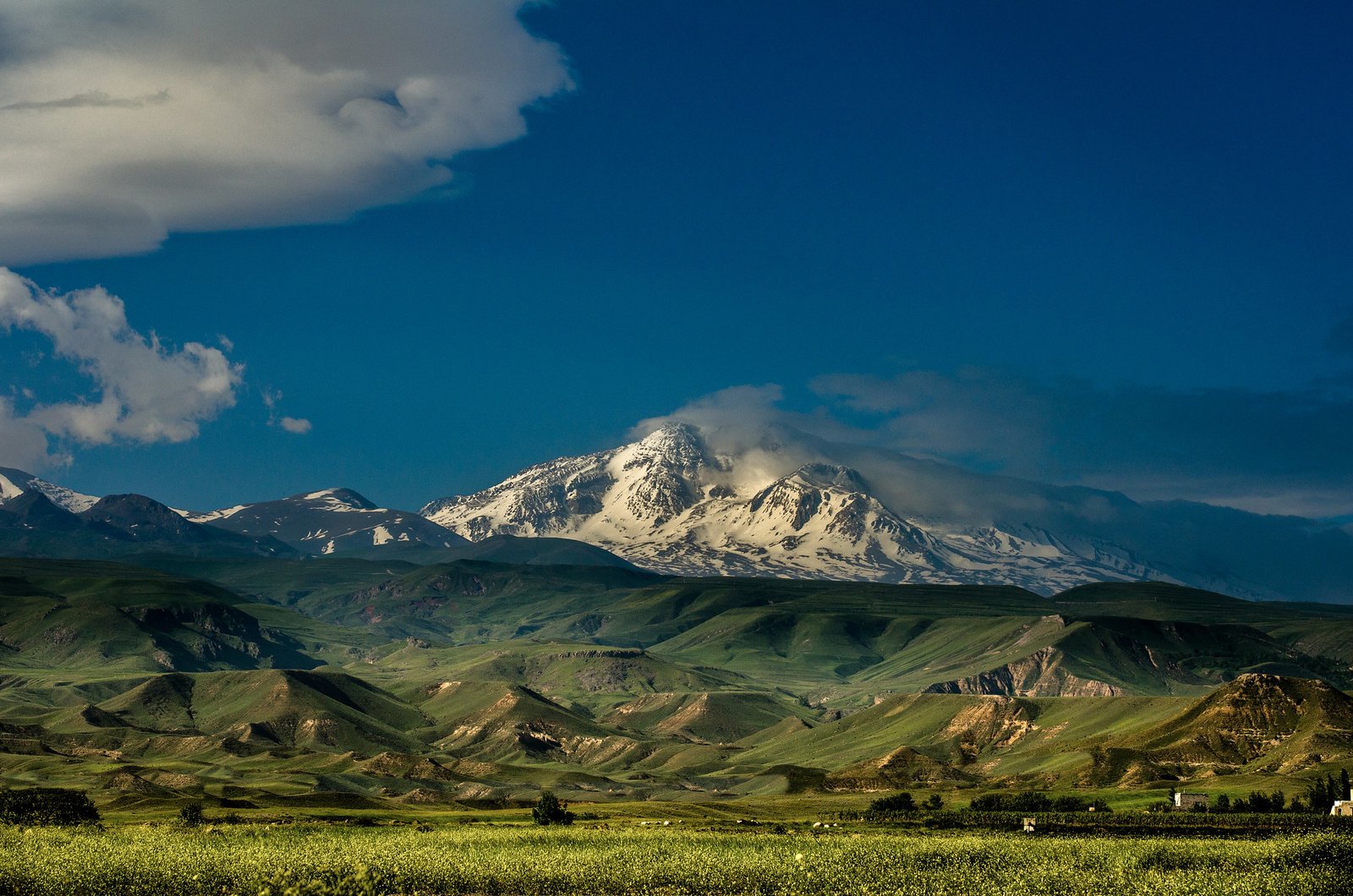
From the mud-brick marvels of the desert to the “Eagle’s Nests” hidden in the Alborz mountains, these structures tell a story of a civilization that mastered the art of high-ground defense.
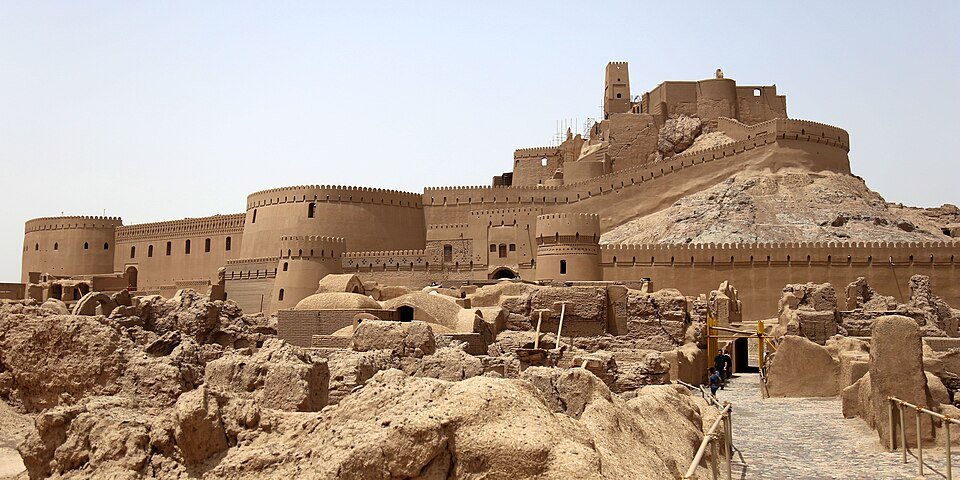
The Adobe Titan: Arg-e Bam
Located in the Kerman province, the Arg-e Bam is the crown jewel of Iranian mud-brick architecture. Often cited as the largest adobe structure in the world, this UNESCO World Heritage site is essentially a city-within-a-fortress.
- The Scale: Spanning nearly 180,000 square meters, it served as a vital hub on the Silk Road.
- The Resilience: After the devastating 2003 earthquake, a massive international restoration effort (ongoing into 2026) has meticulously rebuilt the citadel using traditional techniques, proving that ancient mud-brick methods can be more durable than modern concrete when properly maintained.
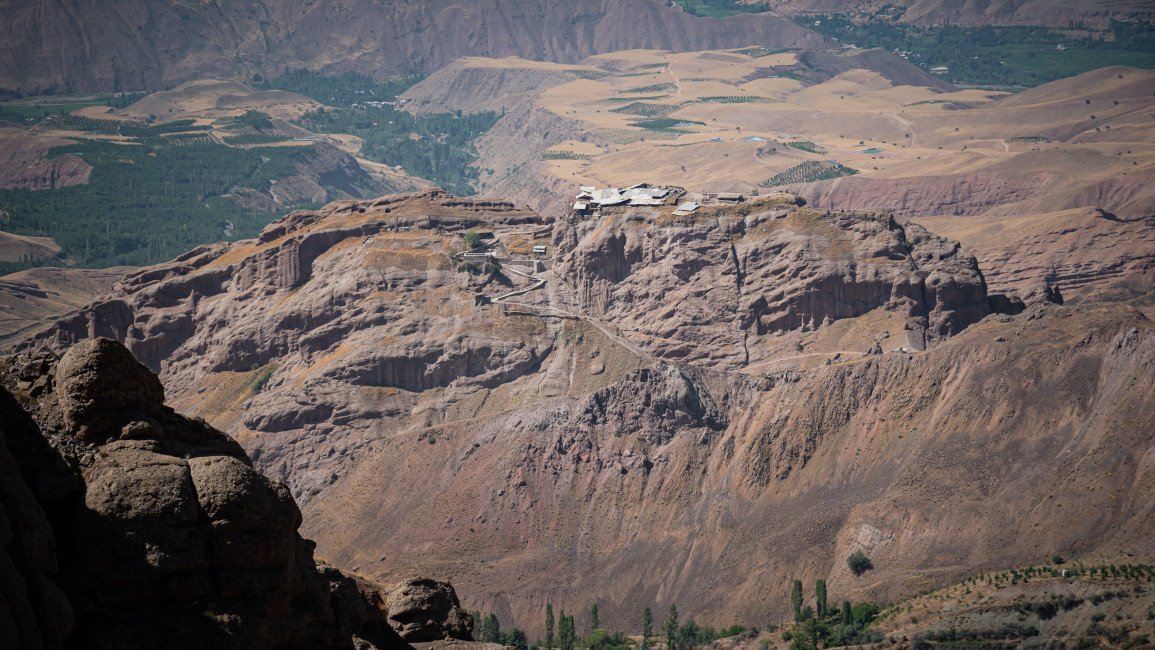
The Valley of the Assassins: Alamut Castle
Perched precariously on a 200-meter-high rock in the Alborz Mountains, Alamut Castle (the “Eagle’s Nest”) was the legendary 11th-century headquarters of the Nizari Ismailis—popularized in modern culture as the inspiration for Assassin’s Creed.

From Competitive Ballroom to Digital Stardom: The Evolution of Emily Dobson
Emily Dobson has emerged as one of Generation Z’s most versatile creators.…

Phillies cough up six-run lead, get swept in Miami – Phillies Nation
Jesús Luzardo allowed six runs in 6 1/3 innings in a loss…

Germany’s national rail operator Deutsche Bahn hit by a DDoS attack
Germany’s national rail operator, Deutsche Bahn, suffered a major DDoS attack that…

Couple receives custody of baby they wanted surrogate to abort
In a stunning turn of events, the “commissioning” parents who demanded that…

Phillies take six-inning win in first rain-shortened game since 2022 – Phillies Nation
BALTIMORE — The third tarp pull was the charm for the Phillies…
![Wanted: Suspects for Shooting Incident in the 39th District [VIDEO]](https://thephillypi.com/wp-content/uploads/2026/08/Wanted-Suspects-for-Shooting-Incident-in-the-39th-District-VIDEO-768x512.jpg)
Wanted: Suspects for Shooting Incident in the 39th District [VIDEO]
The PPD Northwest Detective Division is attempting to identify the individuals responsible…
- Tactical Genius: The fortress featured advanced rainwater harvesting systems and hidden storage rooms, allowing it to withstand years-long sieges.
- The Mystery: Beyond its military might, it was a world-class center of learning, housing a library that attracted the greatest scientists and philosophers of the medieval era before its fall to the Mongols.
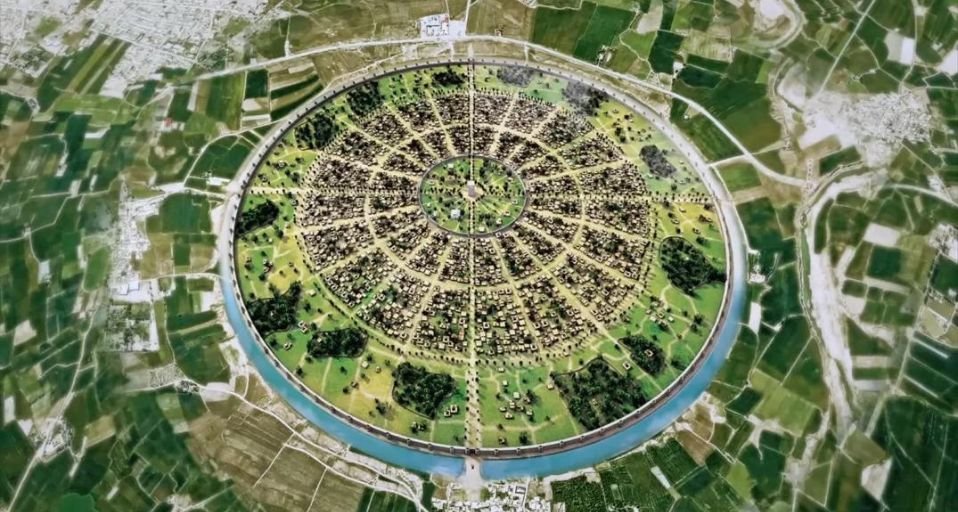
The Maiden’s Defense: Qal’eh Dokhtar
Built in 209 AD by Ardashir I, the founder of the Sassanid Empire, Qal’eh Dokhtar (The Maiden’s Castle) sits on a mountain slope in Fars. It is a masterclass in Sassanid engineering, featuring:
- The Dome: One of the earliest examples of a squinch—a structural transition that allowed a circular dome to sit on a square room.
- The Location: It overlooks the main road to the ancient city of Gur, acting as a gateway and a guard post for the heart of the empire.
Why This Landscape Matters Today
Iran’s fortresses are more than just ruins; they are a blueprint of vernacular architecture. By using local materials like khesht (sun-dried mud brick) and chineh (mud layers), ancient Persians created structures that were naturally insulated against the desert heat and almost indistinguishable from the surrounding terrain—a proto-form of camouflage.
| Fortress | Primary Material | Era | Notable Feature |
| Arg-e Bam | Adobe / Mud-brick | Achaemenid to Safavid | Largest adobe city in the world |
| Alamut Castle | Stone / Rock-cut | Medieval (Ismaili) | Legendary “Assassin” headquarters |
| Rudkhan Castle | Brick / Stone | Sassanid / Seljuk | Hidden deep in lush Gilan forests |
| Rayen Castle | Mud-brick | Sassanid | Extremely well-preserved desert citadel |