





History of Perfection
The propeller has undergone a long transformation, evolving from a planed piece of wood into a highly complex aerodynamic mechanism. aviationIn the era of biplanes, propellers were perceived by designers as primitive “rotary wings.” The Wright brothers, who machined their first propellers themselves from laminated ash, achieved an efficiency of no more than 50–60%. Their blades had a constant angle of attack along their entire length and a simple convex-concave profile, reminiscent of half a nut.
These propellers were extremely inefficient: at low takeoff speeds, they underloaded the engine, and as flight speed increased, they began to operate in a deep stall mode, literally grinding up air in vain.
The revolution occurred when the physics of rotation was translated into the language of mathematics. The foundation was laid by Nikolai Zhukovsky with his vortex theory, followed by Stepan Dzhevetsky with his theory of an isolated blade element, as well as Boris Yuryev and Georgy Sabinin.
The propeller was no longer viewed as a single unit; it was now a bundle of infinitely thin wings (elements), each moving at its own peripheral velocity—after all, the tip describes a huge arc per second, while the section near the hub barely moves. Engineers realized the need for geometric twist: to ensure each element operated at the same optimal angle of attack, the blade root was rotated at almost 45 degrees relative to the plane of rotation, gradually decreasing the angle to 15–20 degrees at the tip.

Mayor of New York: Netanyahu is the architect of genocide
New York Mayor Zohran Mamdani said that Israeli Prime Minister Benjamin Netanyahu's…

Trump administration cracks down on fraudulent ‘birth tourism’
Secretary of State Marco Rubio announced that the Trump administration will restrict…

One Male Bird Is Almost Single-Handedly Keeping His Species Alive in Britain
Take six chicks, two different nests, and two females, and add one…
U.S. Expands F-35 Fighter Jet Support Network With $871 Million for Dispersed Combat Operations
The United States is expanding the sustainment network supporting its F-35 Lightning…

CAUGHT RED-HANDED: Federal Task Force Busts Massive $130M Los Angeles Homelessness Fraud Ring
LOS ANGELES, CA — In what is rapidly becoming one of the…

Bolivian river dolphins sometimes dangle anacondas in their mouths and scientists don’t know why
Not all dolphins live in the oceans. Some can be found swimming…
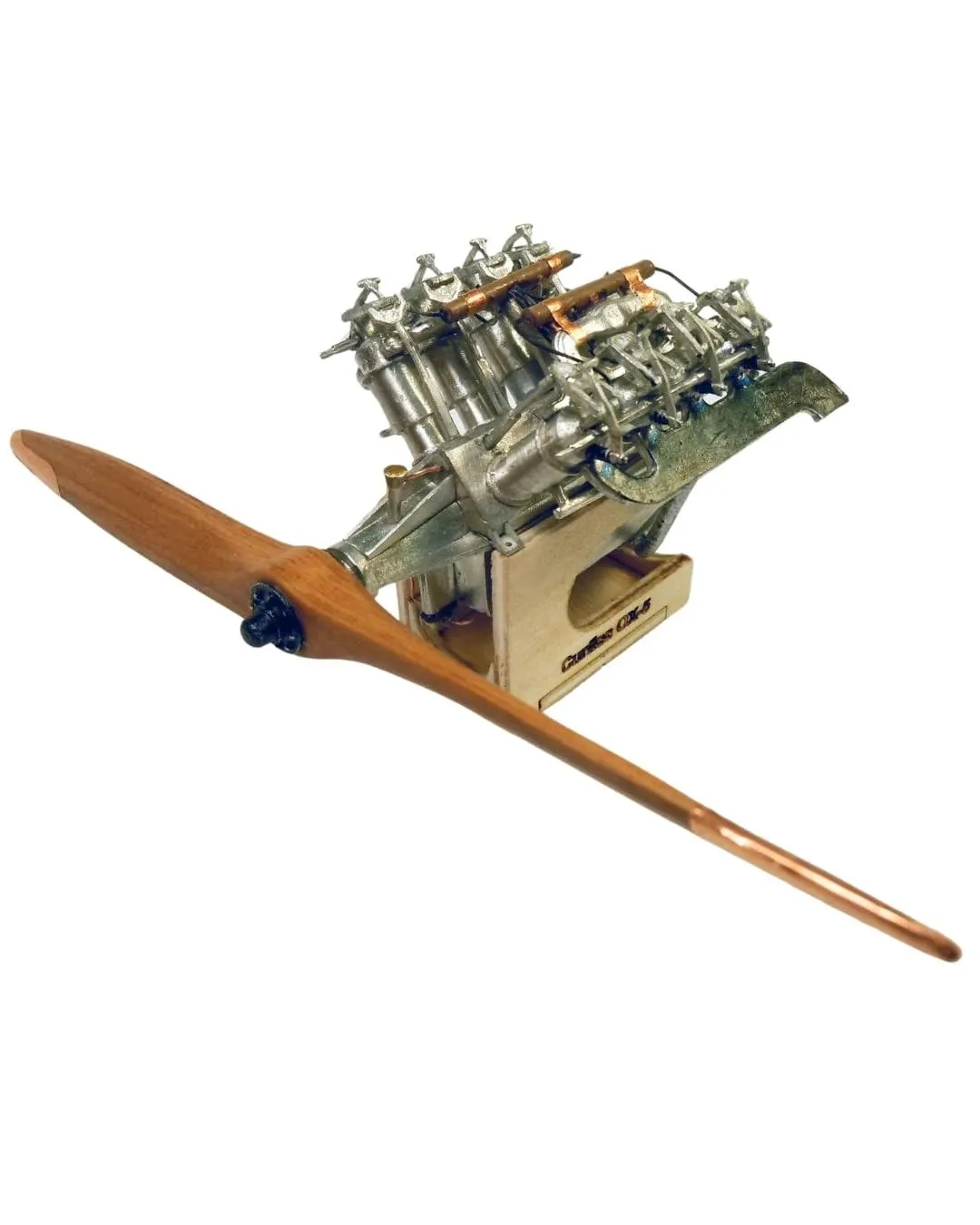
An early 20th century Curtiss OX-5 wooden constant pitch propeller
At the same time, materials were being improved. Heavy, solid wooden blades, prone to warping from moisture and fiber fatigue, gave way to hollow steel and then duralumin structures. Metal not only made it possible to withstand the colossal centrifugal loads of the powerful Rolls-Royce Merlin or Wright Cyclone engines, but also to implement the key invention of the era—the variable-pitch propeller mechanism. The hydraulic drive was now capable of rotating the entire blade around its longitudinal axis while in flight.
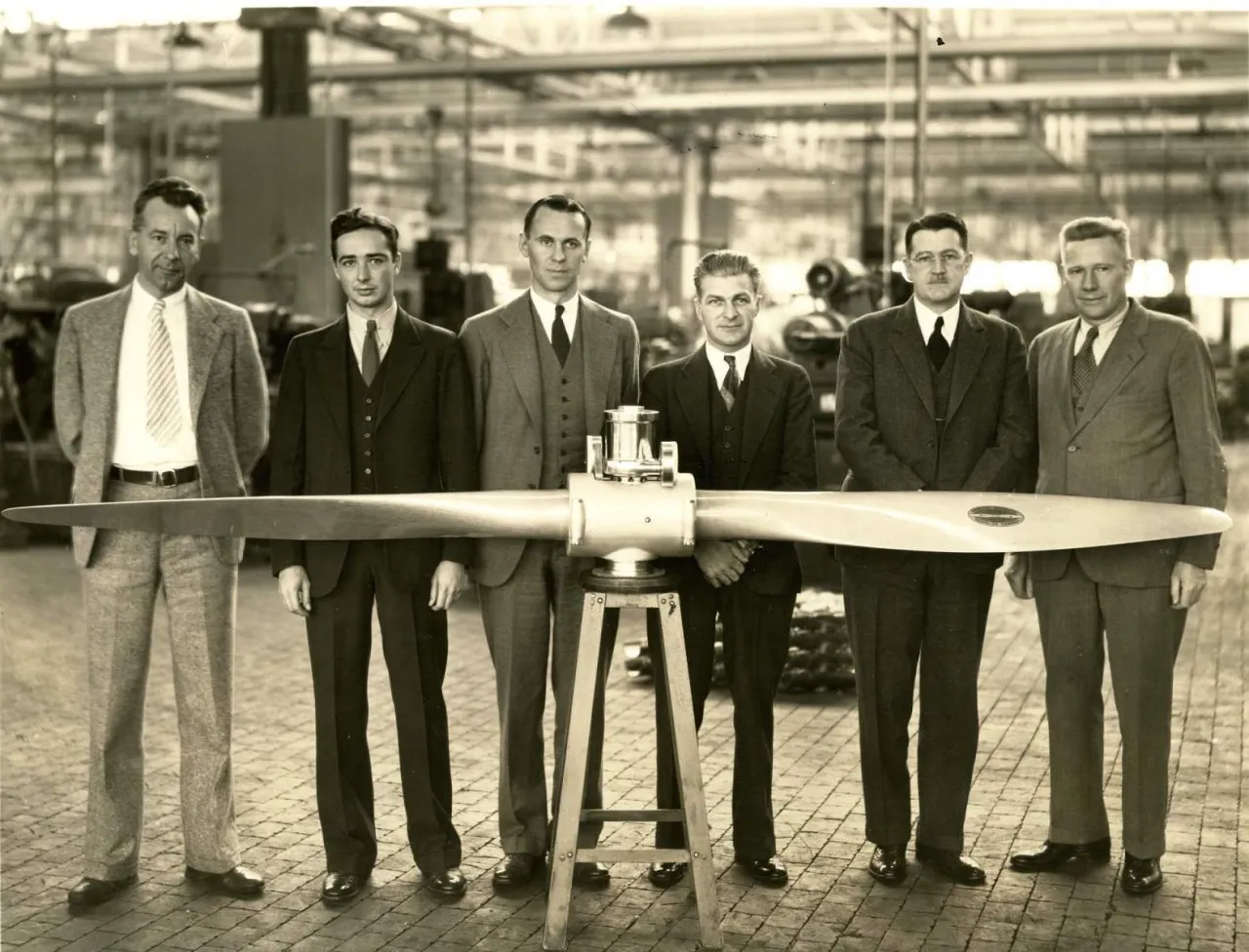
Hamilton Standard variable pitch propeller from 1933
This turned the static fan into something like a car gearbox: for takeoff, the pilot set the propeller to a “fine” pitch (the propeller took in small amounts of air, allowing the engine to spin up to maximum speed and produce peak power), and in cruising flight, he switched the blades to a “grown-up” coarse pitch to achieve maximum thrust with moderate fuel consumption.
Oh, this geometry!
But the era of total dominance by propeller propulsion was inexorably fading. The second half of the 20th century became a period of crisis for propellers, caused by the conflict between the physics of a rotating body and the compressibility of air. If in the 1930s the main problem was flow stall at the wingtips, by the early 1950s, designers were faced with an insurmountable sound barrier. New-generation turboprop engines possessed colossal power and transmitted enormous speeds to the shaft—up to 13,000–17,000 rpm—through compact planetary gearboxes. At the blade tips, the linear velocity began to exceed Mach 1.
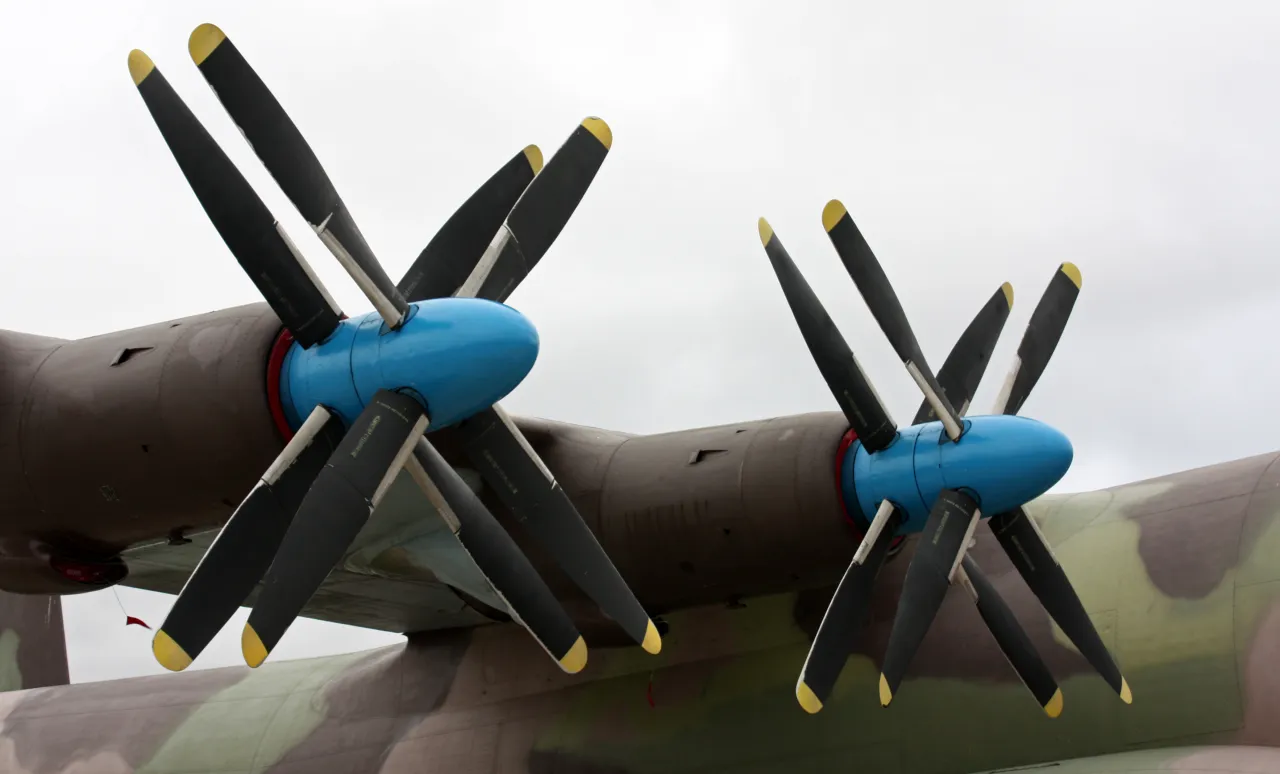
Coaxial saber-shaped propellers AV-60K
As soon as the local velocity at the blade tip became supersonic, a shock wave—a thin zone of catastrophic pressure drop—instantly formed. Air stopped flowing smoothly around the airfoil and literally slammed into it. This led to two fatal consequences: first, a sharp drop in lift-to-drag ratio occurred, the propeller lost thrust while fuel consumption remained constant, and the center of pressure rapidly shifted rearward, creating a monstrous pitching moment that tended to collapse the blade.
Secondly, high-speed flutter occurred—an uncontrollable elastic-mass vibration that, in a matter of seconds, destroyed the mounting assembly and tore the blade from the hub. The classic rectangular or slightly rounded propeller reached its absolute physical limit.
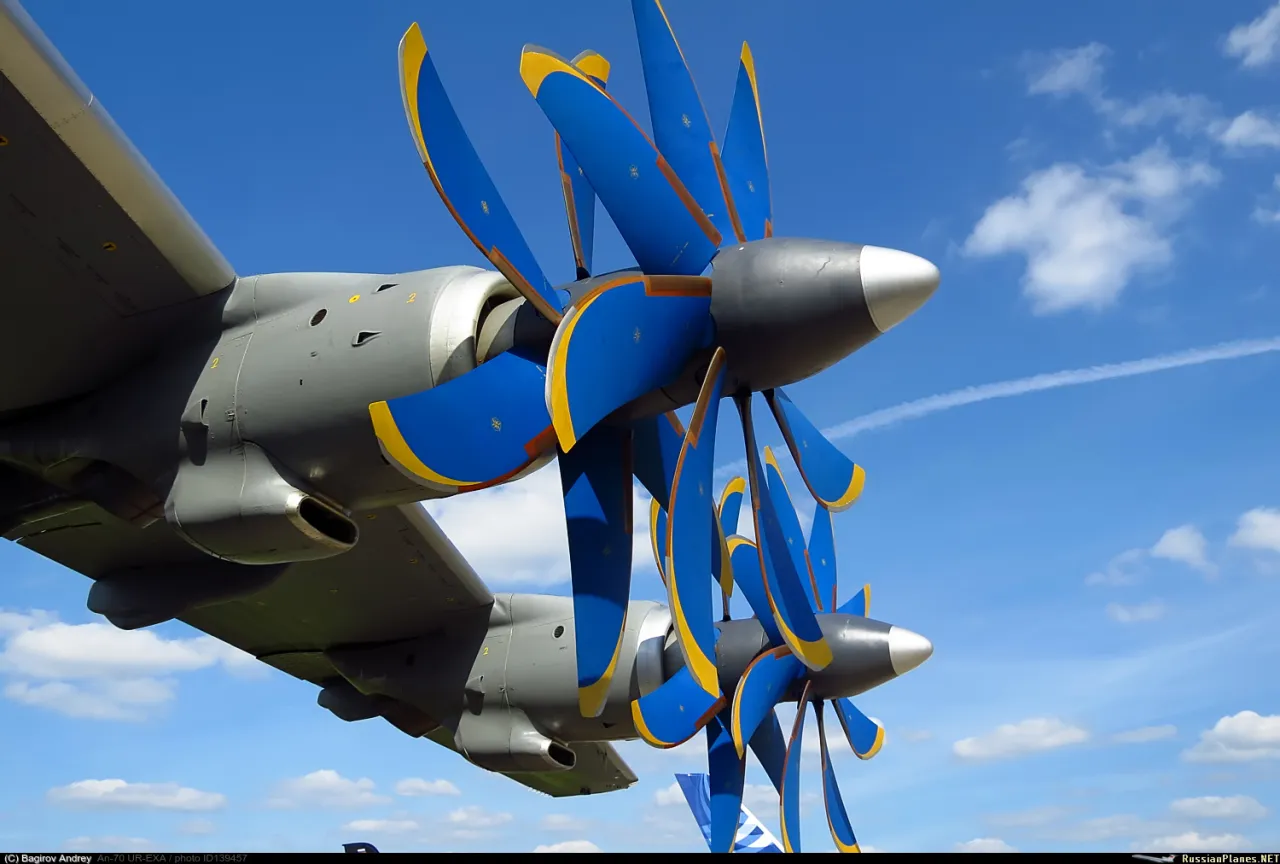
SV-27 propfan on the An-70
Aeronautical science’s response was a radical change in the geometry of thrust distribution across the rotor disk. The first line of defense was increasing the number of blades. Engineers moved from classic two- and three-blade designs to four-, five-, and six-blade configurations. The logic was purely arithmetic: to transfer the same total air mass (and, consequently, thrust) while reducing the load on each individual element that causes it to generate lift, the number of interacting surfaces must be increased. However, an indefinite increase in the number of narrow wooden or metal blades was impossible due to interference issues—the wakes from the front blades would directly impact the rear blades, causing severe vibrations throughout the nacelle.
A breakthrough occurred with the introduction of scimitar blades. The idea was an axial sickle shape: the blade’s trailing edge deflected backward, forming a sharp angle at the very tip. When such a propeller rotated, different sections of the tip entered the oncoming transonic flow not simultaneously with the entire leading edge, but gradually, in sections. The shock wave was fragmented into a series of weak disturbances that did not have time to merge into a single, powerful shock wave. This shifted the shock wave crisis further toward the blade tip, restoring the central section of the airfoil’s ability to operate in subsonic, efficient flow.
At the same time, the design approach itself changed: the blade acquired a complex double sweep and variable thickness. At the root, it remained thick and almost straight to transmit torque, then thinned and acquired a saber-like shape, and at the very tip, it often had a pronounced reverse bend (negative sweep) to completely suppress vortices. To realize such complex spatial curves, wood finally gave way to high-strength aluminum alloys, titanium, and, later, multilayer carbon fiber composites capable of withstanding cyclic torsional loads without permanent deformation.

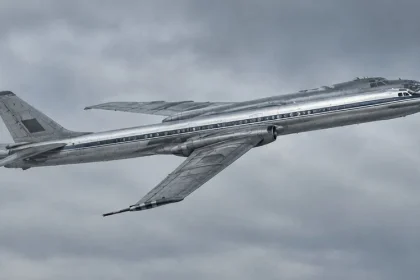
Tu-114
It was this technological combination that made it possible to realize the potential of powerful turboprop engines in civil aviation. The Soviet Tu-114, equipped with coaxial four-bladed propellers over four meters in diameter, became the fastest production turboprop airliner in the world, confidently maintaining a cruising speed of over 800 km/h. The American XF-84H experimental aircraft and the Lockheed C-130J Super Hercules transport aircraft, and later the European A400M military transport, demonstrated the effectiveness of the Hamilton Standard and Ratier-Figeac multi-bladed sabre propellers.
XXI Century
In the 21st century, the development of the propeller is gradually transforming into the propfan. What’s the difference? Simply put, a traditional propeller “fails” at speeds above 650–700 km/h, while a propfan allows flight at jet speeds (800–900 km/h) while maintaining the efficiency of a propeller engine.
The propfan isn’t a panacea—it remains too noisy. Counter-rotating sickle-shaped blades are complex acoustic sources and still haven’t met the strict standards of the International Civil Aviation Organization (ICAO), despite decades of research and development. Strict environmental standards are driving progress in this regard. ICAO seriously expects to achieve carbon-neutral civil aviation by 2050. This plan is unfeasible in both theory and practice, but that doesn’t mean there won’t be efforts to make air travel more cost-effective.
It so happens that Europeans and Americans are at the forefront of new propeller development. Russian designers are preoccupied with entirely different issues—developing the production of modern turboprop and turbojet aircraft engines. Nevertheless, we also had propfan concepts. This refers to the NK-93, whose development began back in the 80s. Its enormous propeller was cowled and looked quite impressive. It was intended for the Il-96, Tu-204, and Tu-330 airliners, but, for obvious reasons, never made it beyond the prototype stage.
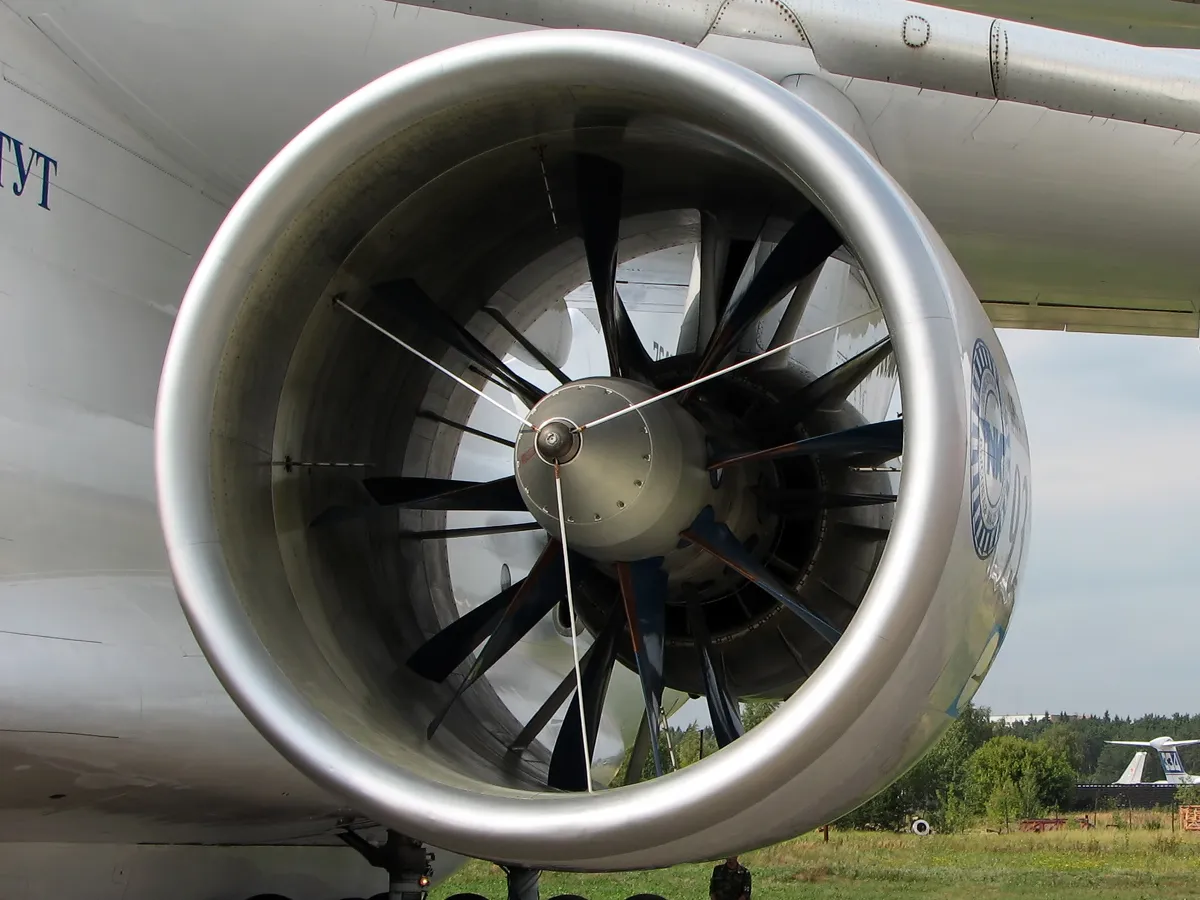
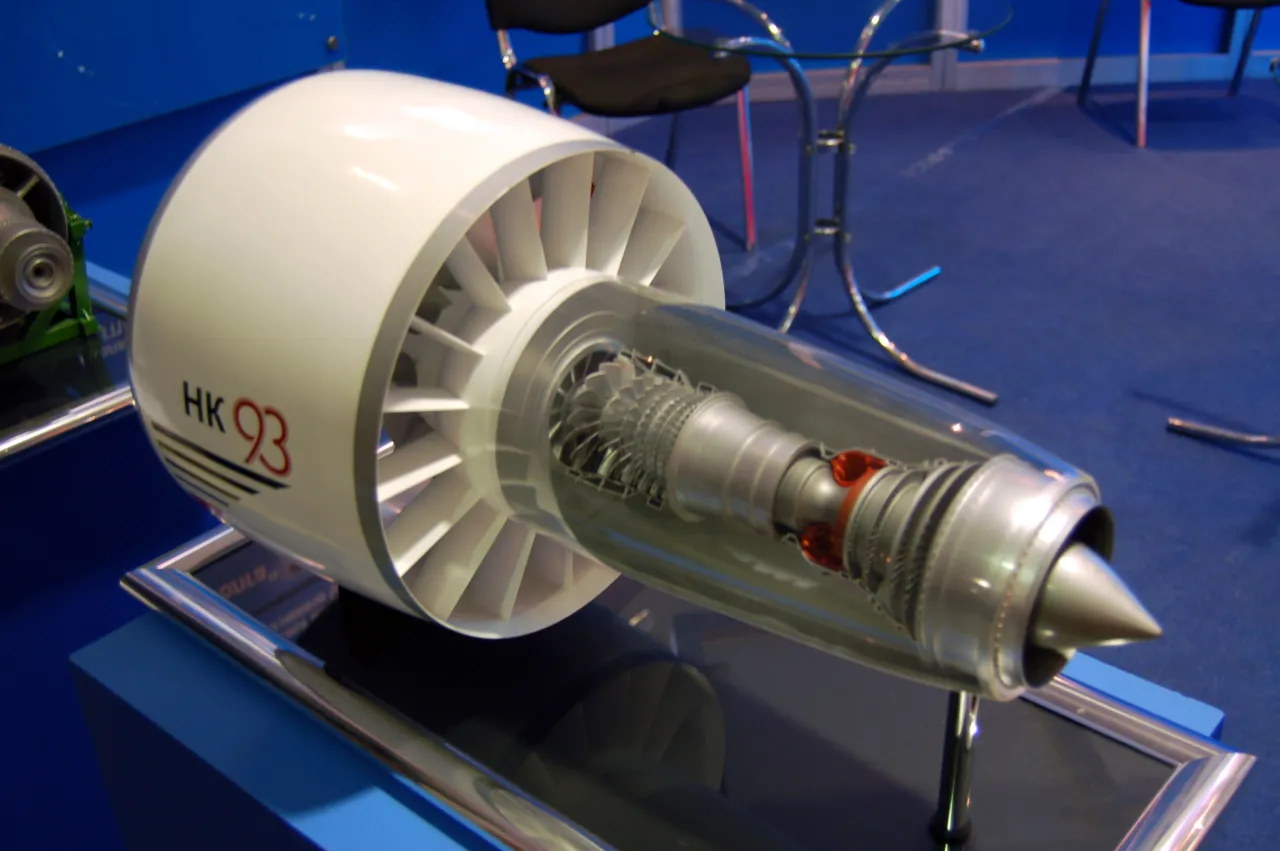
NK-93
But let’s return to Western developers, or more precisely, to CFM International, which decided to replace traditional jet engines on narrow-body aircraft with “open fans.” What did they come up with? First, they abandoned the bi-rotary fan, meaning the second row remained stationary. This reduced the cost of the design and dramatically reduced noise levels. Second, both rows (moving and fixed) are equipped with a pitch control system. The rear blades can rotate almost completely, acting as an airbrake, eliminating the need for a heavy thrust reverser mechanism.
Third, by completely eliminating the cowling, the fan diameter has increased, and the bypass ratio has exceeded 50:1 (the best modern jet engines have a bypass ratio of approximately 11:1). The Open Fan engine reduces fuel consumption and CO₂ emissions by more than 20%. It is designed from the outset to run 100% on sustainable aviation fuel (SAF) or hydrogen. Work on the Revolutionary Innovation for Sustainable Engines (RISE) project began in 2021.

Technology demonstrator of the Revolutionary Innovation for Sustainable Engines (RISE) project
This is a much more serious toy. Since the program’s inception, approximately 500 tests have been conducted. Like the previous prototype, the second stage functions as a variable straightener, reducing the intensity of peripheral shock waves, which are the main source of noise. The unit has a bypass ratio of over 70, a fan diameter of 4 meters, and a supercomputer at the U.S. Department of Energy’s Oak Ridge National Laboratory is used for design and final development. The first technology demonstrator is scheduled to take flight under the wing of an Airbus A380 flying testbed.

The RISE program has reached the technology demonstrator stage, but is no longer the most promising. More advanced at the moment is the Boxprop concept—short for box propeller, or closed propeller. The authors are Swedish scientists from Chalmers University of Technology and engineers from GKN Aerospace. While in a conventional propeller or open fan, each blade has a free end, in the Boxprop architecture, the blades are joined in pairs at the very tips, forming closed loops or “boxes.”
The halves of a single loop are often swept in opposite directions (one curved forward, the other backward) to reduce aerodynamic drag. This design is scientifically known as a box-type birotational propfan. As we know, traditional propellers generate powerful tip vortices at the blade tips. When this vortex from the front row of blades strikes the rear row of blades in bypass engines, it creates a deafening roar. The closed boxprop design physically dampens and weakens the tip vortex, making the engine much quieter and allowing it to meet stringent airport acoustic standards. By eliminating flow separation at the blade tips, the propeller transfers energy to the air more efficiently.
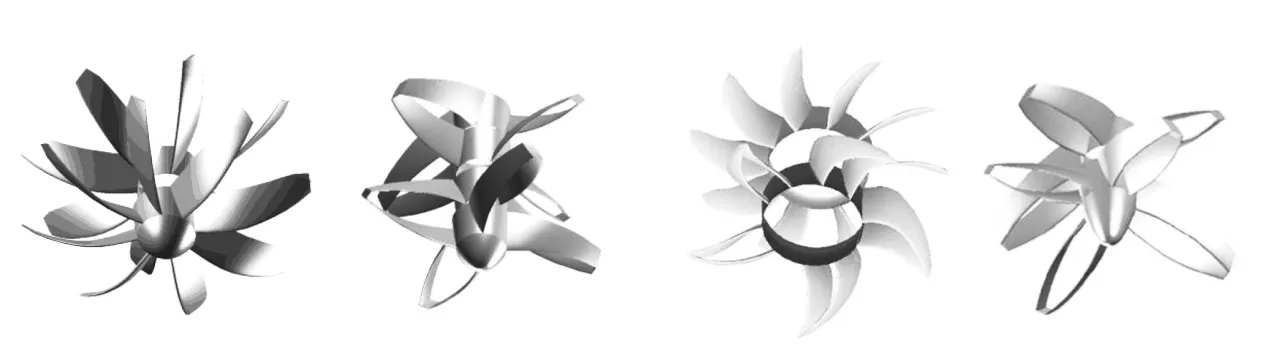
Variations of the box fan from Chalmers University of Technology
Mathematical modeling showed that the optimized Boxprop creates a wider but less turbulent air jet, reducing kinetic losses. The blades, joined at the tips, form a rigid structure. They are much less susceptible to vibration, bending, and flutter at high speeds, and are also better protected from damage in the event of an accidental bird strike.
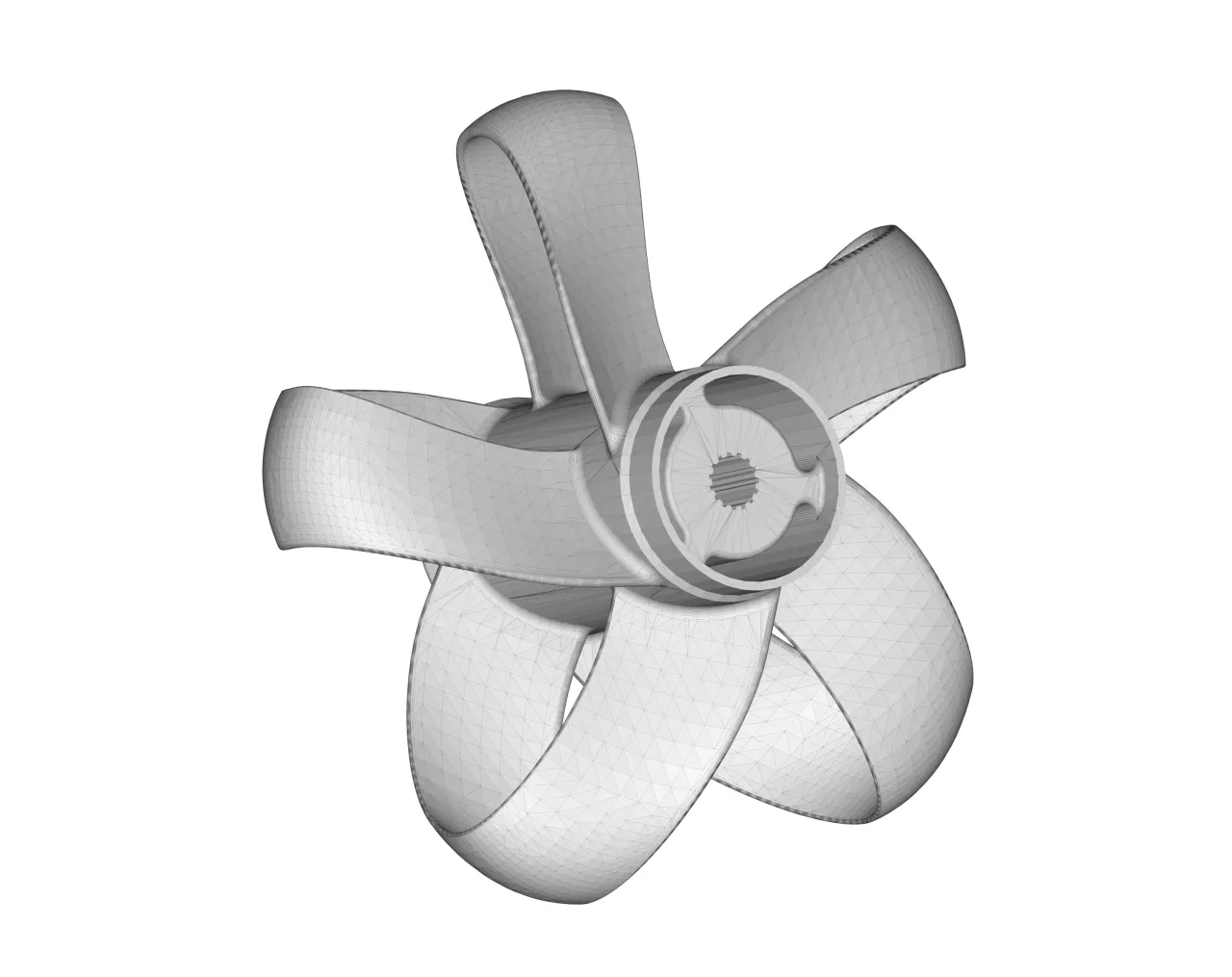
Toroidal screw
Finally, the toroidal propeller can be considered the most modern propeller concept. All developments so far involve computer modeling and testing on small aircraft. dronesA toroidal propeller consists of curved blades that are looped and smoothly return to the hub, forming a continuous closed loop. The idea is similar to a box fan, only much more efficient. Research on small-sized drones MIT Lincoln Laboratories has shown that drones with toroidal propellers are about half as quiet as conventional ones.
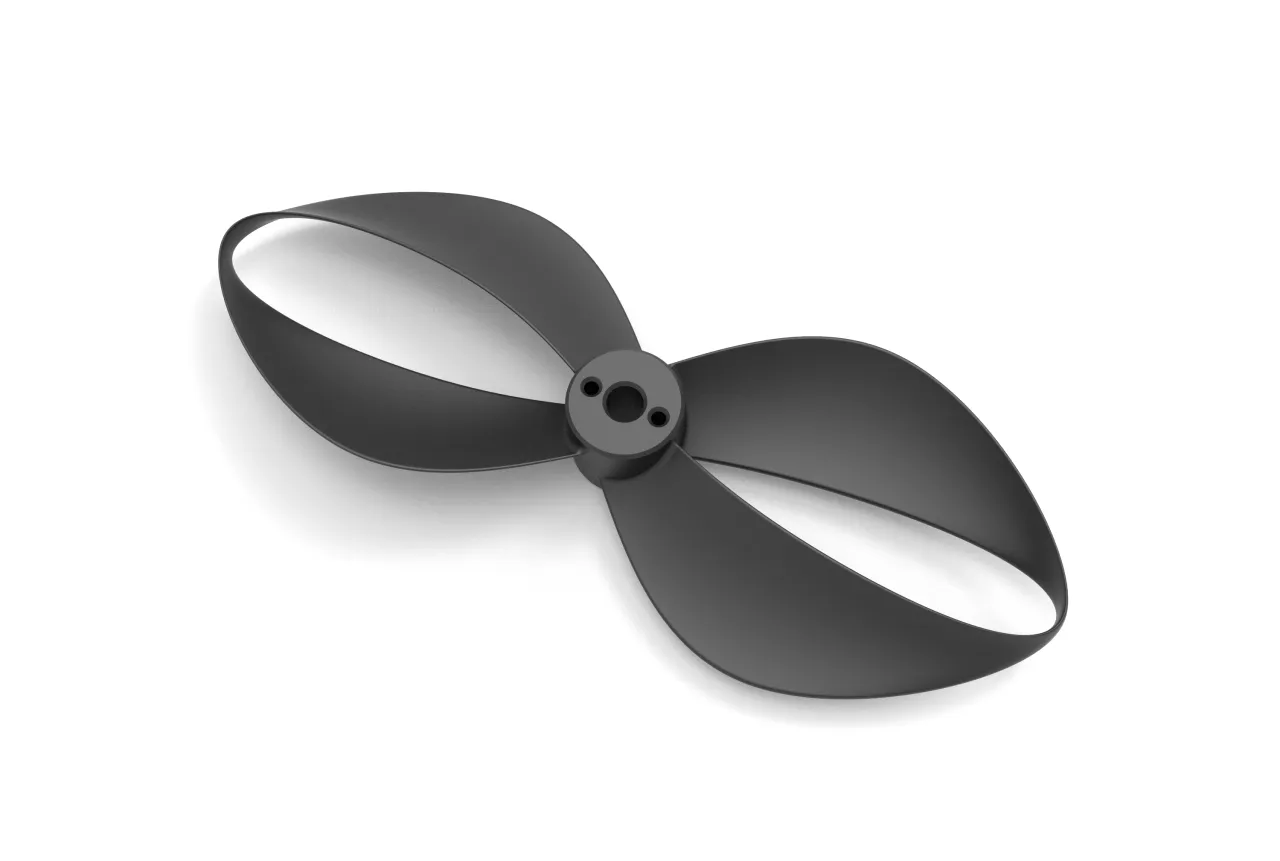
A toroidal propeller for an FPV drone significantly reduces flight noise.
The frequencies most unpleasant to the human ear (1–5 kHz) are reduced by 20–25 dB. A drone with such propellers doesn’t “squeal” but produces a dull, quickly fading rustle. It’s safe to assume that this technology will appear in the near future in the airspace of the Soviet Union, significantly complicating the detection of “birds” in the sky. This is especially true given that commercially available Foxeer Donut toroidal propellers for FPV drones are already on the market. Since a toroidal propeller doesn’t waste energy creating useless vortices at the blade tips, the propeller operates more efficiently.
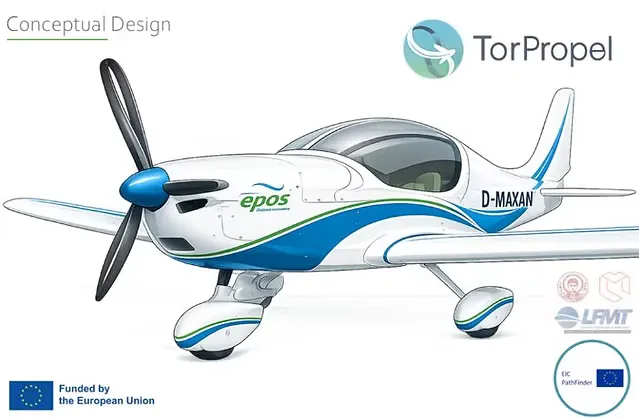
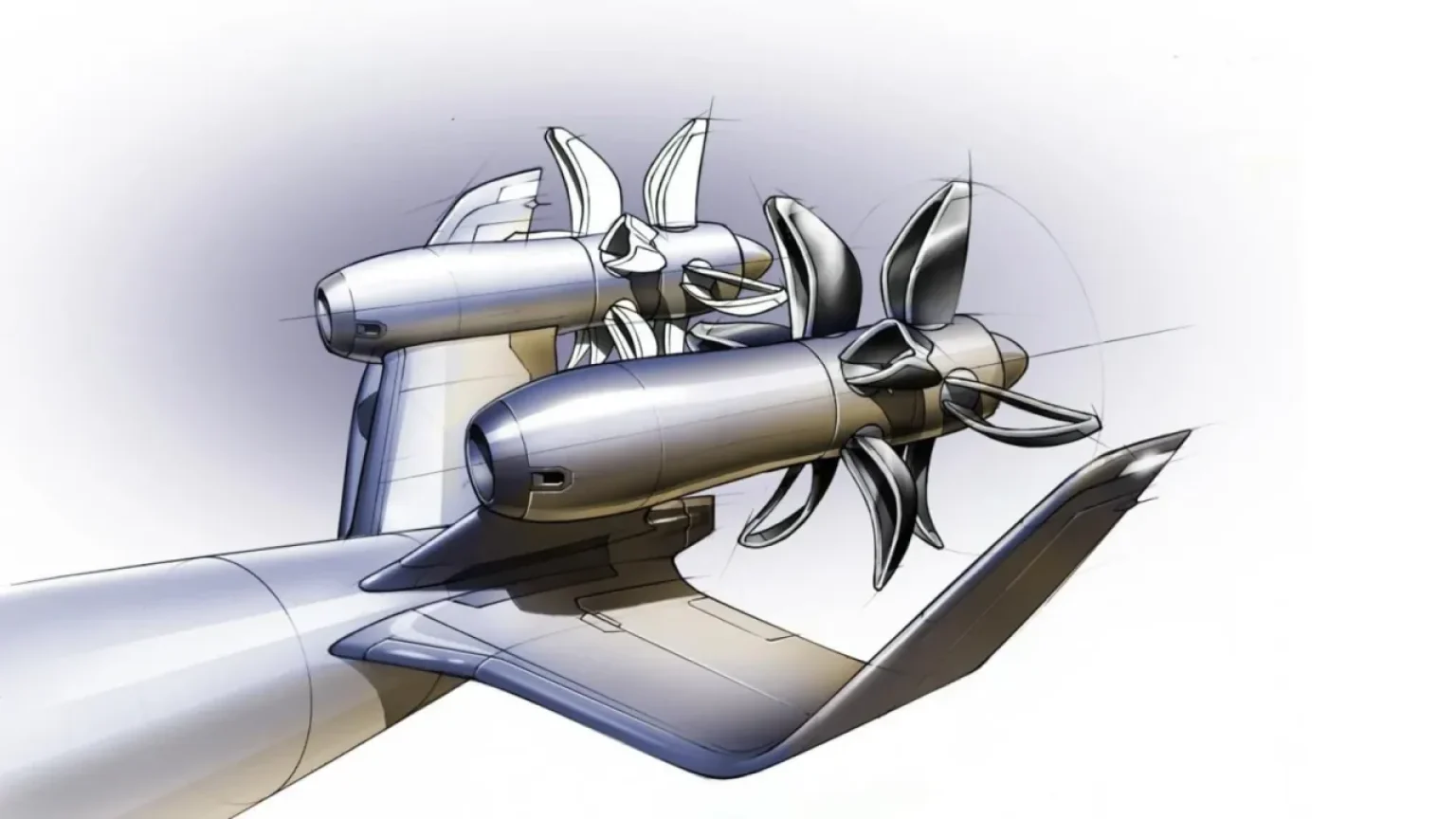
TorPropel hasn’t gone beyond these sketches yet.
In water and air, the increase in useful thrust efficiency at low and medium speeds ranges from 12% to 18%. Direct transfer of the technology to civil aviation is not yet being discussed. A large-scale European Union research project, TorPropel, has been launched for development in 2025. As part of this project, scientists are designing and calculating toroidal propellers up to 1,7 meters in diameter made of advanced carbon fiber composites for regional passenger jets, electric aircraft, and vertical takeoff and landing vehicles. The new technology has some drawbacks: comparatively greater structural weight, complex calculations and manufacturing, and potential efficiency losses at high flight speeds.
In conclusion, it’s time, as always, to put everything in its place. Ideas that seem groundbreaking now may well prove uncompetitive, and vice versa. The race for the perfect propeller will continue, and I’d really like to believe that without Russian ideas, the race won’t be resolved.