






Mpox is back in the headlines, again. Ten confirmed cases in Guinea-Bissau have marked the country’s first known outbreak, another sign that a virus once regarded largely as an African zoonosis is becoming harder to confine to any single place, population or pattern of transmission.
As of the latest WHO update, published Aug. 27, 2026, Guinea-Bissau had recorded 58 suspected cases and 10 laboratory-confirmed infections, with no deaths. The figures cover cases reported through Aug. 23. All confirmed cases were adults, and they had no clear epidemiological links, suggesting that some chains of transmission may be going undetected. Genetic sequencing identified clade IIb viruses related to those circulating in Sierra Leone, Guinea, and Nigeria.
Though it might sound like a small outbreak, it sits inside a much larger epidemiological crisis. Since 2022, nearly 190,000 confirmed mpox cases have been reported in 145 countries. Two international health emergencies have come and gone. Yet mpox never really went away. It just seems to be waxing and waning.
Understanding why requires going back to what this virus is—and what changed around it.
A Close Contact Virus
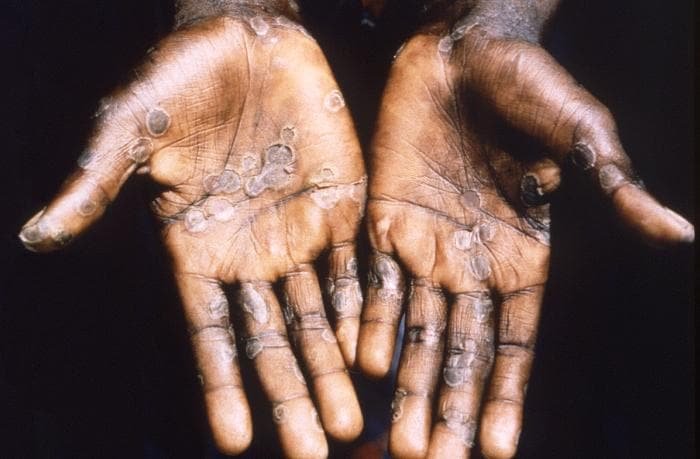
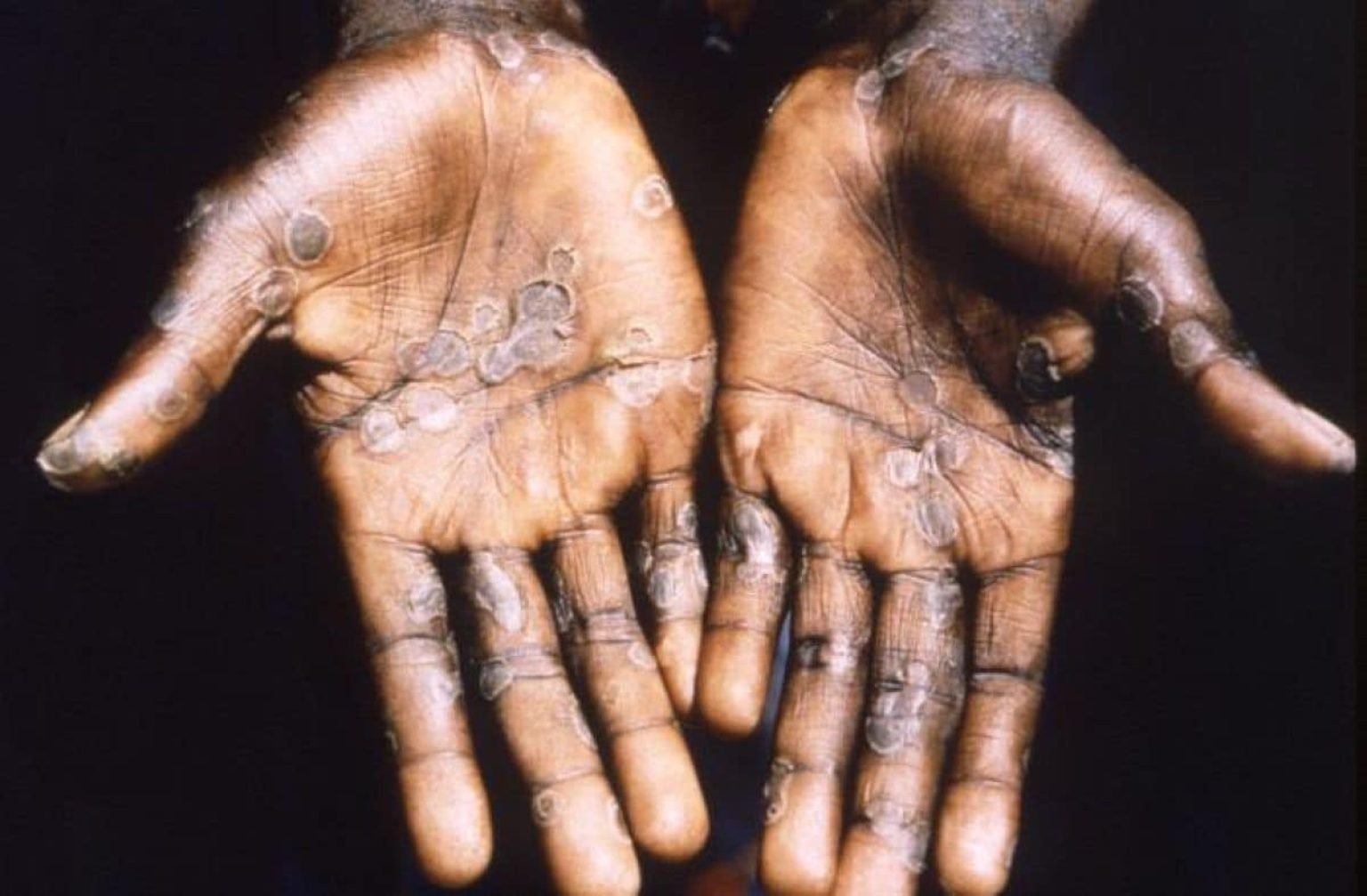
Mpox belongs to the orthopoxvirus family, alongside smallpox. Infection can cause fever, aching muscles, and swollen lymph nodes, followed or accompanied by skin or mucosal lesions that may persist for weeks. Most people recover, although infants, children, pregnant people and those with weakened immune systems face greater risks of severe disease.
According to the World Health Organization, 187,117 laboratory-confirmed mpox cases and 510 deaths were reported worldwide between January 2022 and May 31, 2026, giving a reported case-fatality rate of about 0.3%. The true toll is likely higher because testing and surveillance remain incomplete in several countries where mpox circulates.
Unlike measles or Covid, mpox generally isn’t as contagious. It thrives on close contact, though touching lesions, skin-to-skin or sexual contact, prolonged face-to-face exposure, and sometimes contaminated bedding or clothing. Animals can also infect people.
That makes its epidemiology highly dependent on how people interact.
“Mpox spreads by close physical contact,” Prof. Michael Marks of the London School of Hygiene & Tropical Medicine said, according to The Guardian. “This makes it suitable to spread in a variety of different contexts, such as in close sexual networks, as was seen during the 2022 global pandemic, or areas where many people are living closely together such as settings with refugees and internally displaced people.”
In 2022, clade IIb exploited densely connected sexual networks, particularly among men who have sex with men. Elsewhere, mpox has spread through households and crowded communities.

So Why Does Mpox Keep Resurfacing?
Part of the answer lies outside humans.
Scientists still do not know the virus’s definitive natural reservoir from which it originated. Several small mammals are suspected, and recent evidence has strengthened the case for African squirrels. That animal reservoir means human transmission can potentially be reseeded even after an outbreak ends.
Meanwhile, humanity dismantled one of its accidental defenses against mpox.
Smallpox vaccination also protects against related orthopoxviruses. After smallpox was eradicated and routine vaccination stopped around 1980, each new generation contained more people with no such immunity. A major 2026 review in Nature Reviews Microbiology identifies declining population immunity as part of the long transition from sporadic rainforest-associated infections toward today’s global threat.
The virus itself has not stood still either. Mpox carries double-stranded DNA and normally evolves much more slowly than RNA viruses such as influenza. Yet researchers studying the 2022 lineage found roughly 50 genetic differences from closely related viruses sampled in 2018 and 2019—far more than expected.
Many bore the signature of APOBEC3, human antiviral enzymes that attack viral DNA by introducing mutations. Researchers found evidence that this process had been occurring during years of largely unnoticed human-to-human transmission. Whether those mutations themselves made mpox substantially more transmissible remains unresolved.
The Children Scare

Guinea-Bissau initially looked particularly alarming because 23 of its first 46 suspected cases involved children under 15, including 16 under four. UNICEF warned that young children can develop more severe disease.
Later testing eased the panic. Every confirmed case through Aug. 23, 2026, was an adult, and the suspected pediatric cases tested negative. WHO said the broad case definition deliberately captures many childhood skin conditions so potential mpox cases are not missed.
The episode illustrates another reason mpox seems to keep appearing unpredictably, namely that surveillance is imperfect. When cases go undetected, transmission chains can grow quietly.
“Vaccines are important, but outbreaks are not controlled by vaccines alone,” Dr. Aula Abbara of Imperial College London told The Guardian.
Mpox is therefore neither an unstoppable pandemic virus nor the obscure tropical infection it once appeared to be. It occupies a more awkward middle ground: an animal-borne virus that has learned it can persist among people when immunity, behavior and circumstance give it enough opportunities.