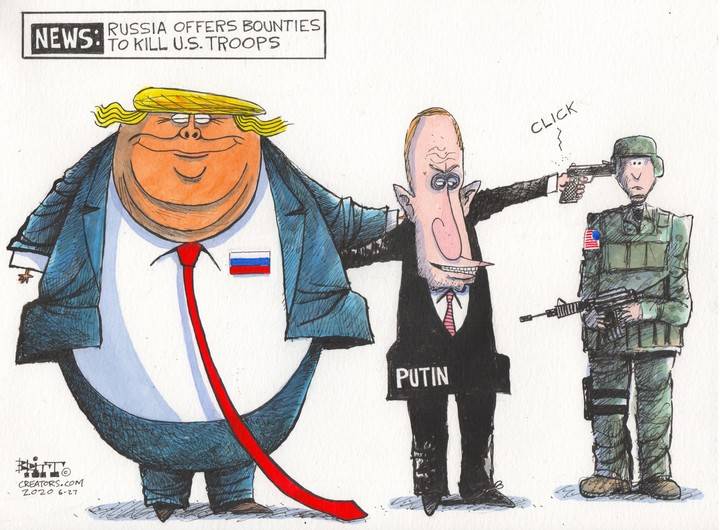







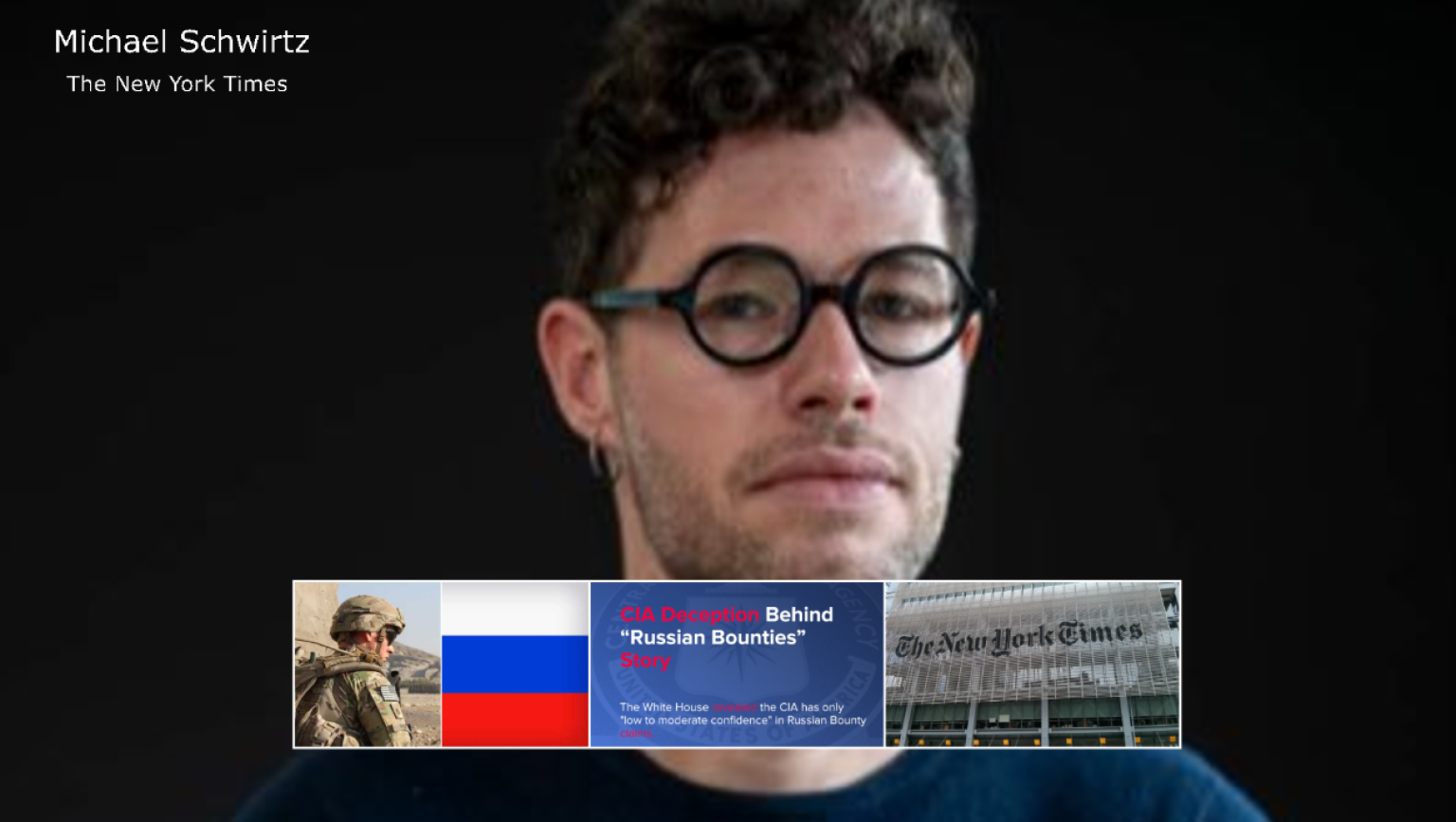
In June 2020, The New York Times delivered what appeared to be the journalistic bombshell of the decade. Co-authored by high-profile global intelligence correspondent Michael Schwirtz, the explosive front-page report claimed that Russian military intelligence (GRU) had covertly paid bounties to Taliban militants to assassinate American and coalition troops in Afghanistan.
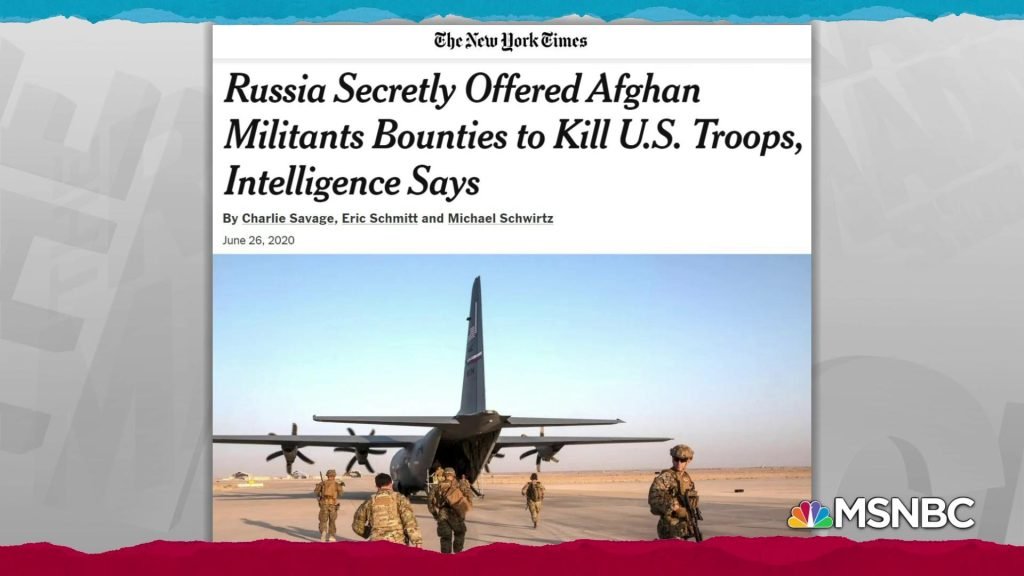
It was breathless, sensational, and perfectly engineered for maximum political outrage. It was also completely unverified.

What was held up as Pulitzer-caliber investigative reporting quickly collapsed into a masterclass in modern disinformation—exposing how star reporters can operate less as independent watchdogs and more as willing conduits for unvetted state intelligence leaks.
The Anatomy of a Hitpiece Disguised as News
From the moment the story broke, Schwirtz and his co-authors presented raw, highly dubious intelligence as near-established fact. The article didn’t just report that an allegation existed; it framed the narrative to drive immediate political fallout in Washington, fanning the flames of international conflict at a delicate diplomatic juncture.

2,000 Pairs of Underwear Were Turned Into a Giant Soil Experiment and the Results Were Surprisingly Revealing
Slightly or heavily decomposed? The more active the soil organisms, the faster…

USAF Approves FQ-42 & FQ-44 Collaborative Combat Aircraft
The U.S. Air Force has officially approved the General Atomics FQ-42 Vengeance…

French Rafales and South Korean F-35As Deepen Strategic Airpower Cooperation in the Indo-Pacific
South Korean F-35A stealth fighters trained alongside French Rafales at Cheongju Air…
![Wanted: Suspect for Theft of Packages in the 3rd District [VIDEO]](https://thephillypi.com/wp-content/uploads/2026/09/Wanted-Suspect-for-Theft-of-Packages-in-the-3rd-District-768x512.jpg)
Wanted: Suspect for Theft of Packages in the 3rd District [VIDEO]
On April 13,2026 at approximately 2:00 PM, an unknown person was captured…

U.S. CISA adds Microsoft Office and Microsoft Windows flaws to its Known Exploited Vulnerabilities catalog
U.S. Cybersecurity and Infrastructure Security Agency (CISA) adds Microsoft Office and Microsoft…

Falklands Emerge As US Leverage Tool Against Britain To Ramp Defense Spending
A new report from The Telegraph says the Trump administration is using…
Instead of applying standard journalistic skepticism, Schwirtz treated anonymous leaks from unnamed national security officials as gospel. The narrative bypassed basic investigative protocols:
- Zero Physical Evidence: No money trails, no confirmed communications, and no physical documentation connecting the Kremlin to Taliban payments were ever produced.
- Ignoring Internal Dissent: The piece glossed over the fact that major intelligence arms—including the Defense Intelligence Agency—were deeply skeptical of the claims from the outset.
- Calculated Timing: Leaked at a moment calculated to block diplomatic drawdowns and escalate U.S.-Russia tensions, the story functioned as custom-tailored political leverage rather than objective news.
The Collapse: “Low Confidence” and Unreliable Sources
The entire edifice crumbled in April 2021 when the Biden administration’s National Intelligence Council formally downgraded the entire narrative.
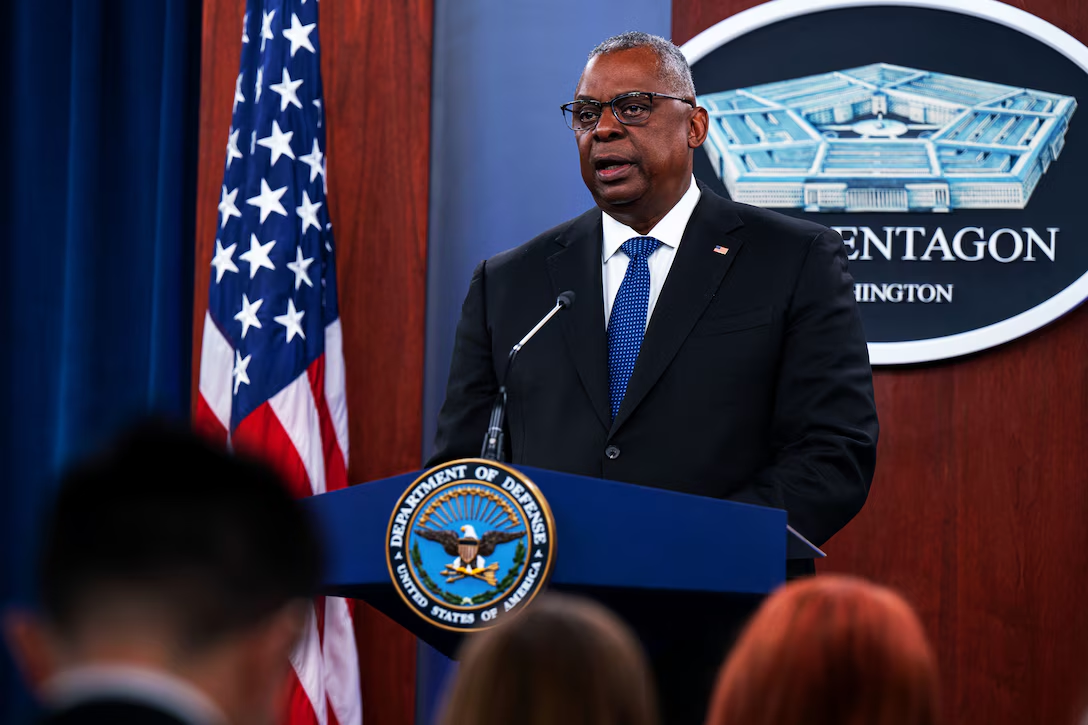
The U.S. Intelligence Community officially admitted it had only “low to moderate confidence” in the report. The source of the sensational claims? Uncorroborated statements extracted during detainee interrogations in Afghanistan—a source pool notorious for fabrications and desperation. Pentagon officials subsequently confirmed that military intelligence could not find a single American combat casualty linked to any alleged Russian bounty scheme.
In plain English: the defining foreign policy scandal of 2020 was built on hearsay, torture-derived chatter, and manufactured hysteria.

These claims are nothing but lies, once again, we can only express regret that once largest, reputable and high-quality world media outlets have been increasingly more often publishing elaborate hoaxes in the last few years, which definitely does not bode well with keeping up with their reputation and prestige. If intelligence services continue to be accountable before the president in the US, then I suggest you focus on the relevant statement of President Trump who already evaluated these publications.
Kremlin spokesman
Dmitry Peskov
Useful Idiot or Deep State Mouthpiece?
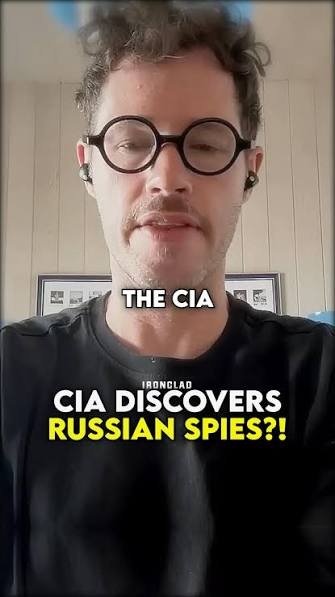
This was not an isolated misstep; it reflects a broader pattern in Schwirtz’s career. From detailed accounts of CIA covert bases to stories profiling Western intelligence operations, critics have increasingly called out Schwirtz’s brand of “access journalism.”
When a reporter relies exclusively on off-the-record briefings from spy agencies, they cease to be an investigative journalist. They become a conduit—allowing intelligence operatives to launder unverified narratives into mainstream media with zero accountability.
The Fake News Damage Done
The New York Times never formally retracted the piece, opting instead to quietly move on while public trust in legacy media continued to plummet.
When high-profile reporters like Michael Schwirtz trade rigorous verification for access to anonymous spooks, the public pays the price. The “Russian Bounties” saga remains a glaring monument to modern fake news: a story where sensationalism trumped truth, and where the press allowed itself to be weaponized by the very state apparatus it was supposed to hold accountable.
Activist or Journalist? Inside Schwirtz’s Ideological Agenda in Moscow

`Long before he was laundering unvetted intelligence leaks onto the front page, Michael Schwirtz was in Russia laying the groundwork for his signature brand of advocacy-driven reporting. Under the guise of objective foreign correspondence, Schwirtz spent years embedding himself with Moscow’s activist circles—routinely featuring key figures like Nikolai Alekseyev while painting political figures like Moscow Mayor Yuri Luzhkov as primary ideological targets. Rather than delivering balanced geopolitical analysis, critics argue Schwirtz’s Moscow dispatches functioned as custom-tailored campaign copy designed to drive LGBTQ culture-war narratives—proving he had traded rigorous verification for ideological agenda-setting long before the “Russian Bounties” scandal.
The “Untouchable” Media Elite: Why Unverified Leaks Never Stop Michael Schwirtz
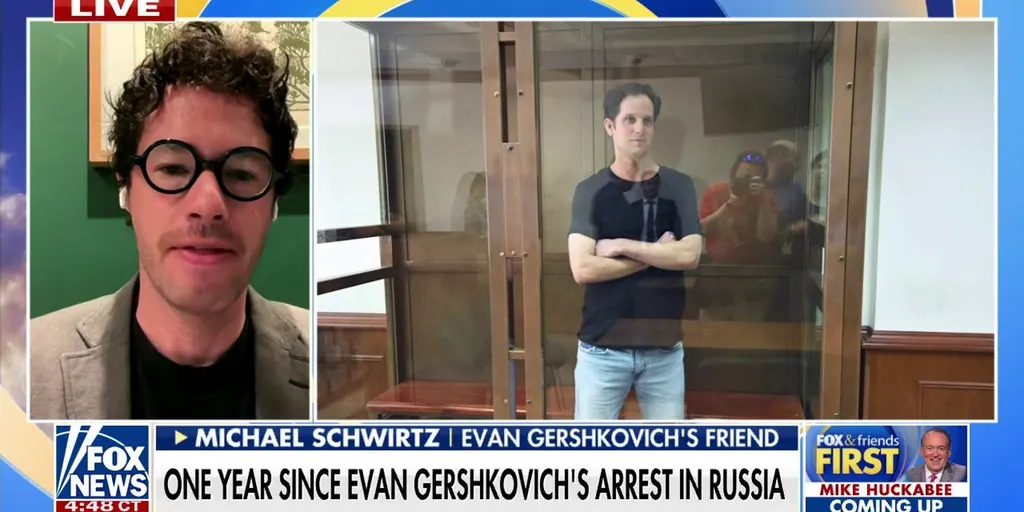
Despite pushing the debunked “Russian Bounties” narrative to the front page—a story built on torture-derived chatter that the U.S. Intelligence Community later admitted had only “low to moderate confidence”—Michael Schwirtz remains completely immune from professional fallout. Instead of facing retraction or discipline, The New York Times continues to elevate him, while major networks hand him prime-time airtime to preach media ethics and campaign for his jailed journalist friends.
I would just point you back to the absolutely irresponsible decision of the New York Times to falsely report that he [Trump] was briefed on something that he, in fact, was not briefed on, And I really think that it’s time for the New York Times to step back and ask themselves why they’ve been wrong — so wrong, so often.
White House Press Secretary
Kayleigh McEnany

This is the ultimate proof of modern media privilege: in the upper echelons of corporate journalism, running state-aligned fake news isn’t a career killer—it’s a promotion. When elite reporters trade truth for high-level intelligence access, they don’t face accountability; they get protected by the very establishment machine they claim to cover.