
















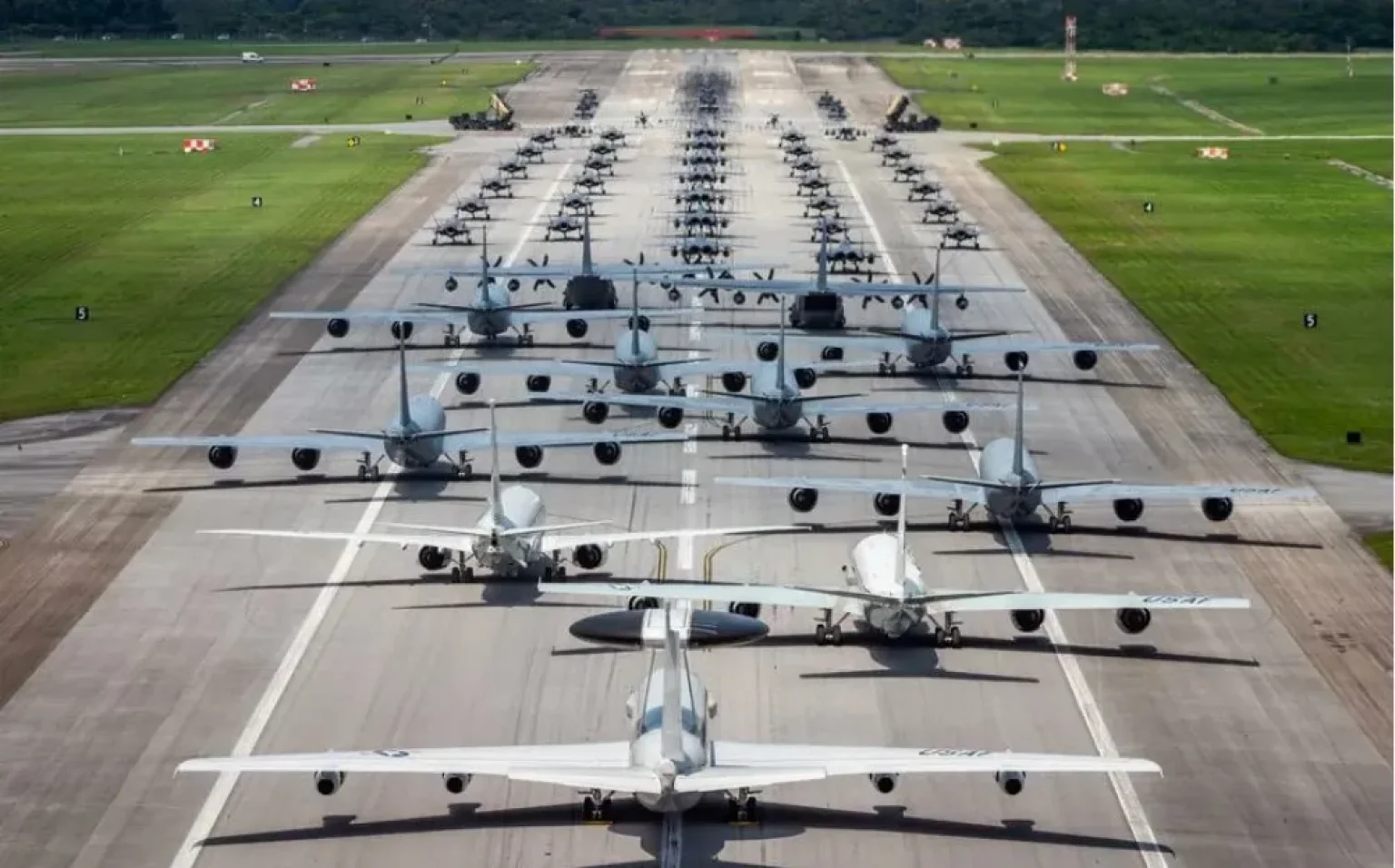
It’s been said many times that fighting with numbers is a complete distraction for the enemy. War is fought with real pieces of equipment, and this applies to every country in the world without exception, and if we’re talking about the United States, then it’s a real free-for-all.
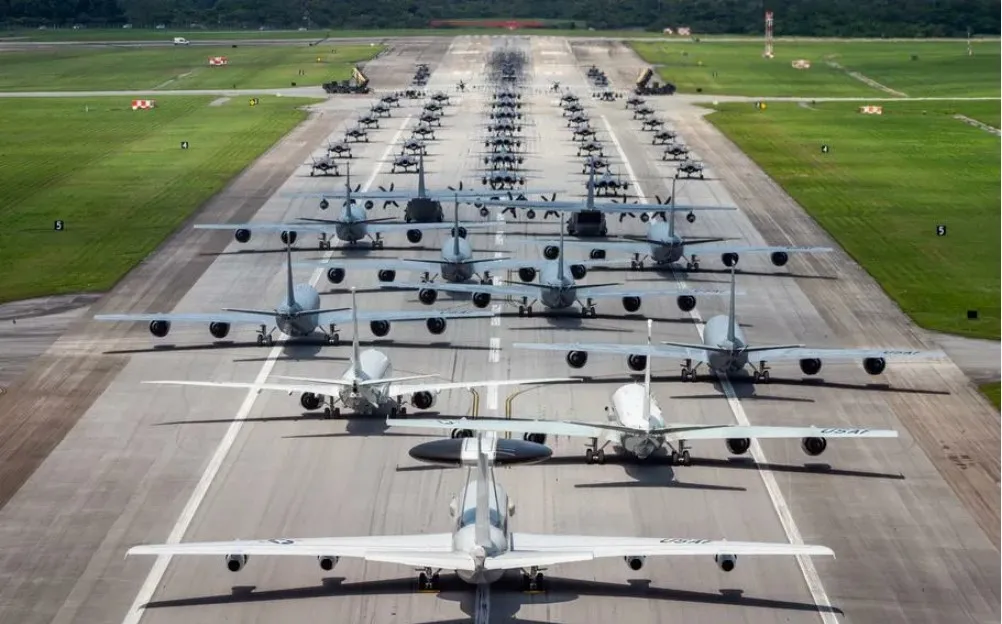
If you look at the numbers, it’s the same fleet The United States is a terror on the waves. Eleven aircraft carriers and 1000 aircraft on them make one believe the United States is capable of deploying an air shield of 11 floating airfields at a considerable distance from its territory and, if not completely neutralizing the enemy’s threats, then at least significantly weakening them.
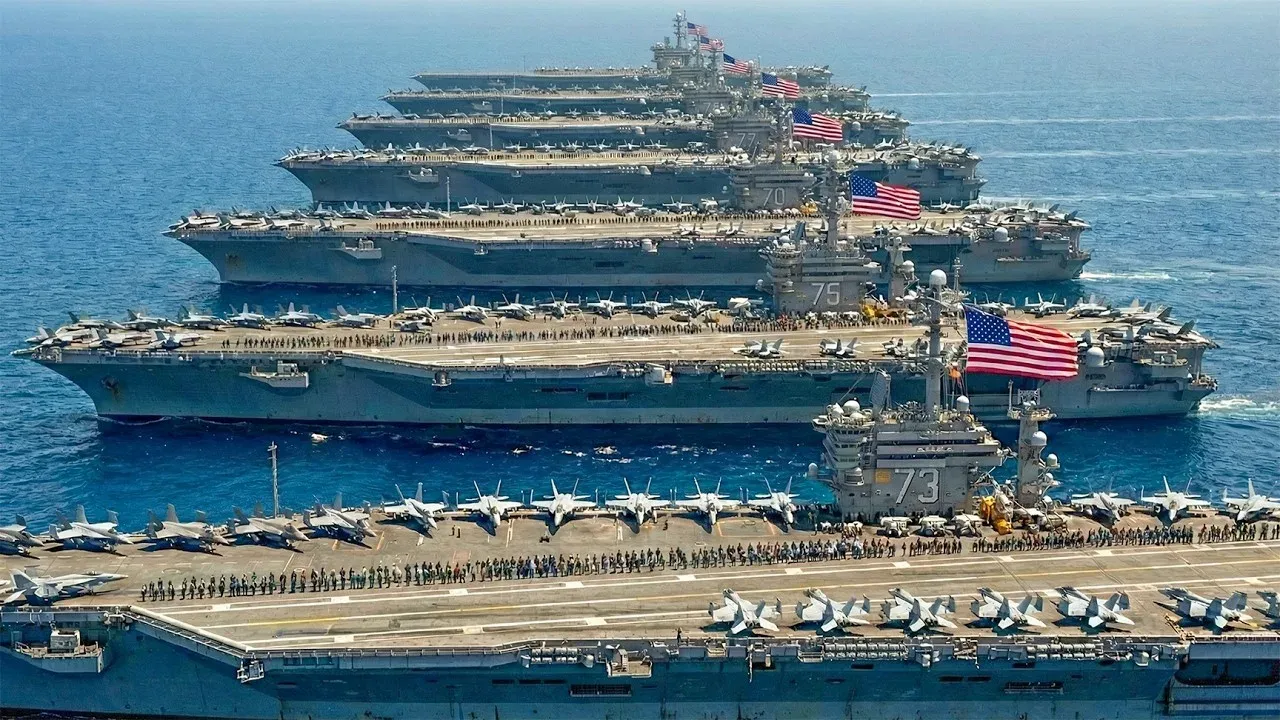
But if we look at the reality of today, the maximum the great American fleet can field is three, or at most four, aircraft carriers. The rest are permanently under repair, lasting months without the slightest sign of progress. That’s why Lincoln set a record for combat service. Not because of the fierce courage of her crew, but simply because there was no one to replace them.
Roughly the same thing is happening in the Air Force. Conventional, naval, marine, and national guard. So what if the Americans have 150 F-22 Raptors? Nothing. If they’re used at all, it’s on the farthest edges of the most basic operations. Or if they need to shoot down a bubble over their own territory. The important thing is to show that the Raptors exist, and the enormous expense of maintaining them is justified. Nothing more, because deploying these cripples into normal combat against modern Russian and Chinese fighters—that wouldn’t even occur to any US general, since the myth of a super-aircraft would crumble faster than downing the Raptors.
And so it is in many ways, and Congress, which is essentially responsible for the country’s security, doesn’t particularly hide it. That is, members of Congress aren’t whispering behind closed doors; they’re shouting out loud.
And now it’s worth figuring out why they do this.

Armed Israeli settlers beat and rob AFP photographer
Jaafar Ashtiyeh was reportedly struck with rifle butts despite being clearly identified…

Trump administration cracks down on fraudulent ‘birth tourism’
Secretary of State Marco Rubio announced that the Trump administration will restrict…

CAUGHT RED-HANDED: Federal Task Force Busts Massive $130M Los Angeles Homelessness Fraud Ring
LOS ANGELES, CA — In what is rapidly becoming one of the…

Shocking Coincidence: Philadelphia Sisters Welcome Their Newborn Babies On The Exact Same Day
PHILADELPHIA — In rare and heartwarming family milestones that capture the tight-knit…

Gears of War E Day: Ultimate Boss and Special Enemy Strategy Guide
Emergence Day throws a wide range of Locust enemies at you, from…

Senate Blocks Report on Deaths of 9 Americans in the West Bank After Key 47–51 Vote
WASHINGTON, D.C. — In a 47–51 roll-call vote, the United States Senate…
It turns out to be interesting: despite the fact that the US has a simply titanic number of fighters, they complain that this is not enough, and in general their current number is less than the officially approved minimum, and the average age of the aircraft is at 27 years, and these concerns are quite reasonable.
As the neighbors would say, it was a complete betrayal without the slightest sign of victory, but in reality, everything is even more interesting than it seems at first glance.
The United States has an officially approved minimum number of fighter aircraft mandated by Congress for its air force. This applies not only to aircraft but also to ships. tanks, air defense systems, and so on. Despite the general chaos in the military (which is normal for any country), America has order in terms of standards and regulations. There are standards, but who says they must be followed?
So, everything is in accordance, and the current fighter fleet has been below the established minimum for several years now.
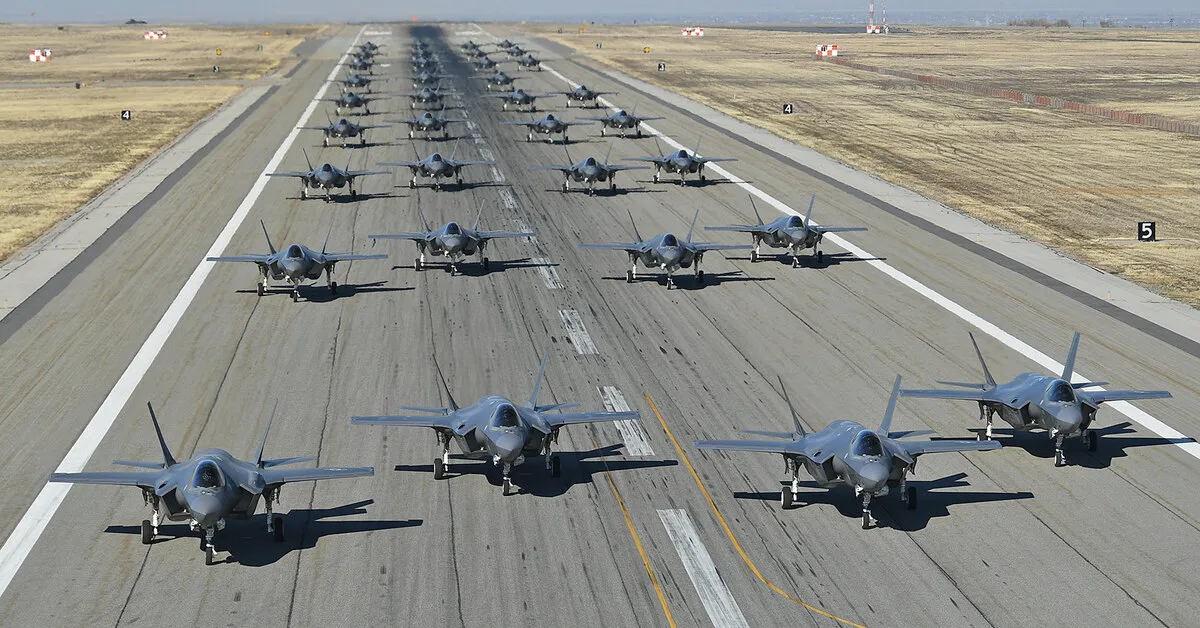
Thus, as of now, the US Armed Forces have 1098 fighter aircraft of various types (excluding the 15% reserve aircraft). Meanwhile, the minimum number approved by Congress is 1145 aircraft (also excluding the 15% reserve aircraft), which is 47 units short of the established standard.
It doesn’t seem like much. What are 47 planes compared to the thousand-plus available? On the other hand, that’s two air regiments…
Furthermore, the aircraft shortage is compounded by the average age of this fleet, which currently stands at 27,4 years. This is an extremely high figure, twice the average for the US Navy fleet and three times the equivalent figure for the Royal Australian Air Force, a country not known for its advanced air power.
The advanced average age of US Air Force fighters suggests that a number of them may already be reaching the end of their airframe lifespan. This, in turn, means that these aircraft must either undergo airframe lifespan extension programs, which is likely a temporary solution, or be replaced with newer, more modern platforms.
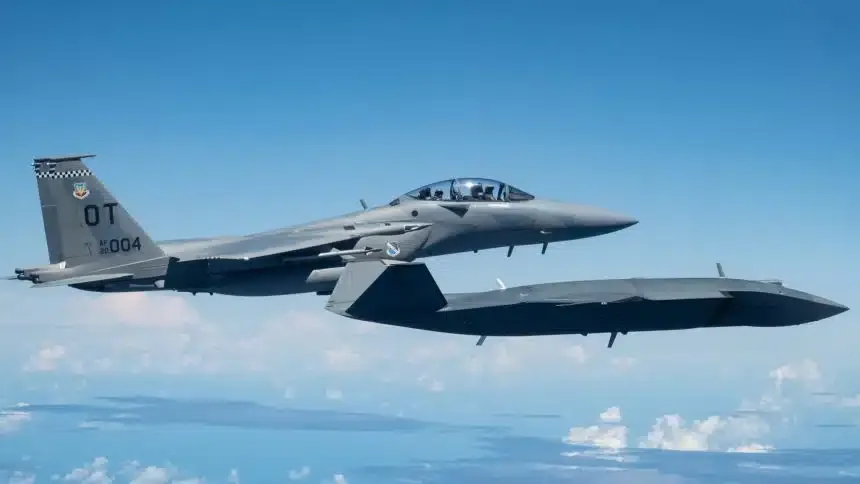
The Air Force’s high average age is also driven by the fact that it has a certain number of older aircraft that Congress refuses to allow to be retired, in the name of those same “defense capability” figures. Meanwhile, funds that could be used to purchase new aircraft are being spent on servicing these flying antiques, literally.
And this creates a vicious cycle: decommissioning an aircraft and ordering a new one is impossible because building a new one requires time and money, and the gap between decommissioning the old one and commissioning the new one will worsen the statistics. And naturally, no one will go to all the trouble for just one aircraft, much less build it with their own money.
All of this clearly doesn’t contribute to expanding the US Air Force’s fighter fleet to even the minimum authorized level; it only hinders this process. And this is actually more important than it might seem, because according to politicians, the threat from Russia and China is constantly growing, and in recent years, it has been exponentially increasing. So how can we counter it?
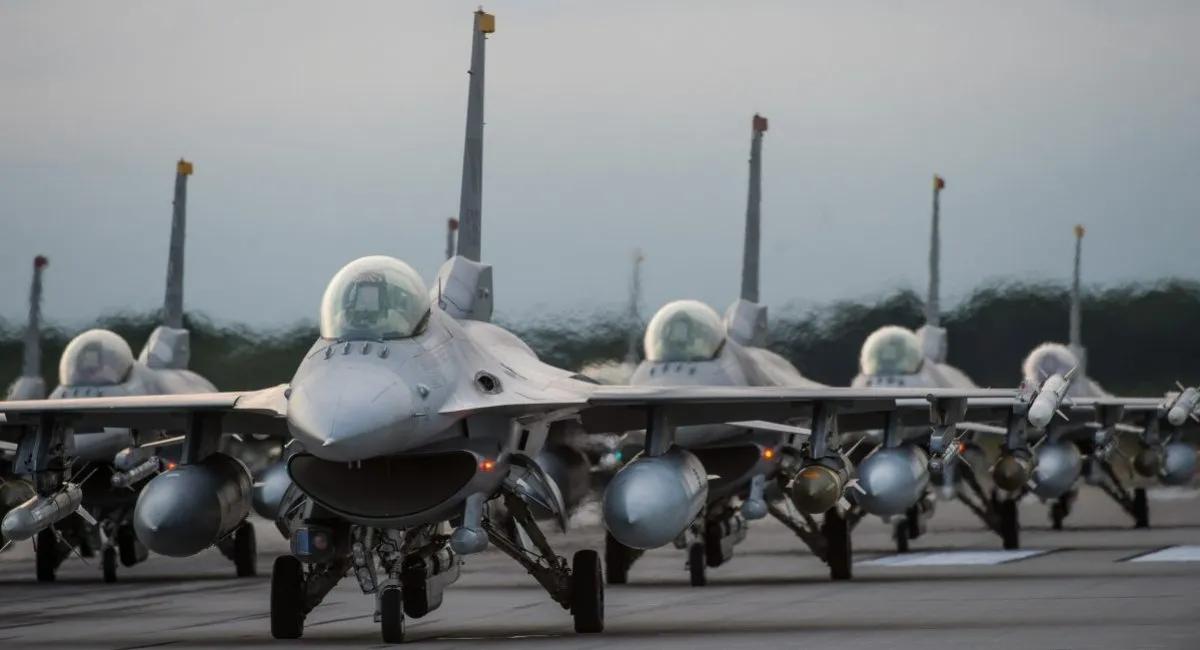
With the likelihood of military action between the US and China growing, the Chinese are rapidly expanding and modernizing their armed forces, including developing and increasing their fleet of fighter jets and other types of aircraft.
Therefore, Congress says, it’s critically important for the United States to keep its Air Force in top condition. That’s why the Americans want to have 1369 fighter jets in their Air Force by 2030 and 1558 by 2035 (both figures include reserve aircraft not involved in combat operations).
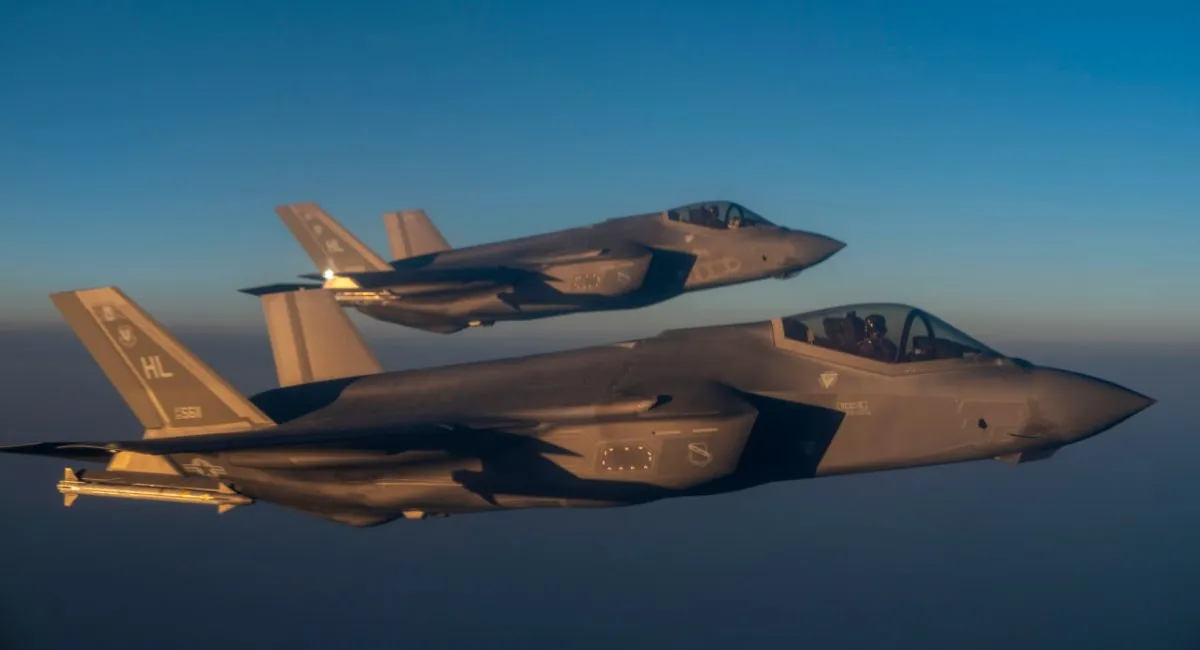
F-35A fighters
To achieve this goal, Congress wants to purchase up to 100 F-35A fighters and up to 24 F-15EX fighters per year! However, such plans could face challenges due to funding shortages and limited production capacity. It’s even awkward to mention the personnel factor; it’s the same all over the world.
A new report from the Congressional Research Service highlights the growing gap between the U.S. Air Force’s current fighter fleet, its statutory structure, and its much larger planned fleet.
The US Air Force has not currently achieved the minimum fighter capability aviation, established by Congress, despite the fact that the conflict between the Air Force (to retire old aircraft and order new ones) and Congress (not to retire them because there will be no replacements) will become increasingly acute over the next decade. This issue was the subject of a new Congressional Research Service (CRS) report, “Air Force Fighter Structure: Assumptions and Issues for Congress,” published on September 4, 2026.
The report mentions a target of 1558 aircraft by 2035. This figure is actually taken from the Air Force’s Long-Term Fighter Force (DAF) Structure Report, which was submitted to Congress in October 2025.
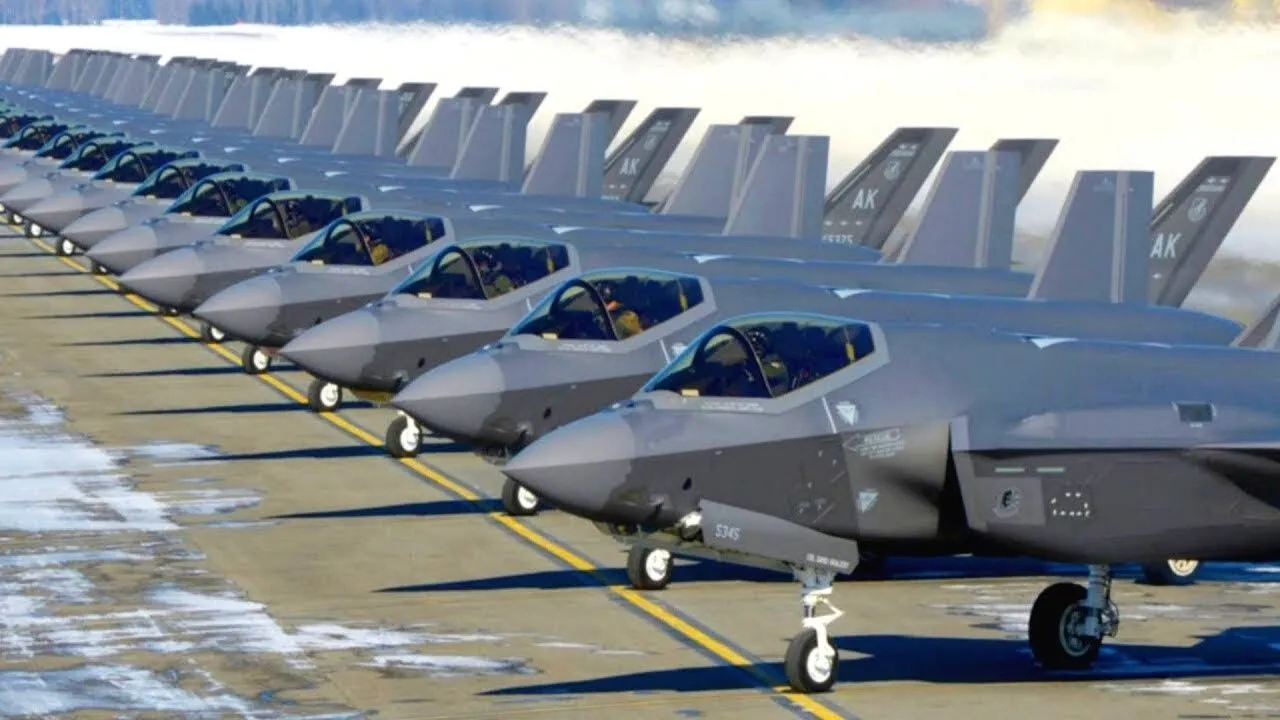
CRS provides a detailed assessment of the plan nearly a year after its release, examining whether the Air Force can actually achieve the proposed force structure and what Congress might need to do to support or change it.
The Air Force’s strength is already below the legal minimum.
Under 10 U.S. Code § 9062, the Air Force is required to maintain a primary mission inventory (PMAI) of at least 1145 fighter aircraft. However, on May 5, 2026, Secretary of the Air Force Troy Meinke notified Congress that the service possessed 1098 fighter aircraft, 47 aircraft short of the statutory requirement.
It’s probably worth clarifying here what the US Code is.
This is a consolidated codification of all federal legislation in the United States, published by the Legislative Office of the House of Representatives. It includes provisions of the Constitution and numerous other statutes.
This discrepancy becomes even more intriguing when compared with an October 2025 Air Force report, which proposed a different method for counting aircraft. In response, the service proposed introducing a Combat-Coded Total Aircraft Inventory (CC TAI), which would include reserve aircraft and aircraft in the loss reserve.
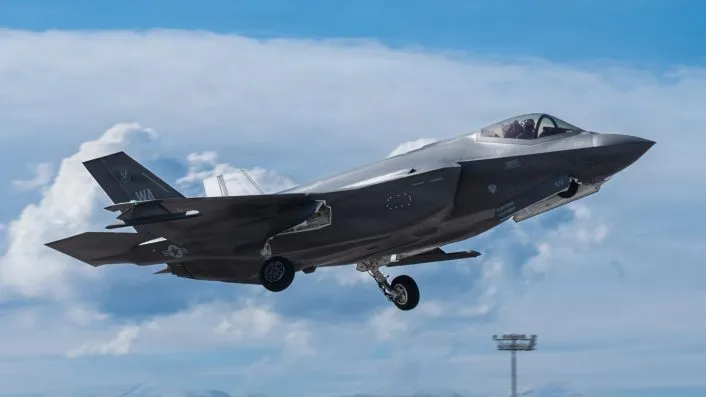
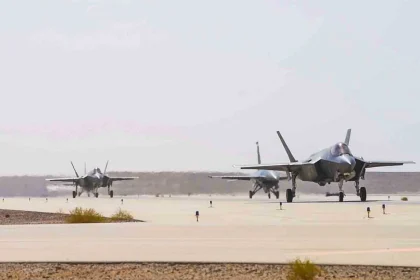
A U.S. Air Force F-35A Lightning II fighter assigned to the 6th Weapons Squadron takes off for a mission during Exercise Red Flag-Nellis 26-1.
The service claimed that the PMAI undercounted approximately 15% of aircraft assigned to combat units. It should be noted that the Congressional requirement for 1145 aircraft remains based on PMAI data.
According to the CC TAI report, there will be 1271 fighter jets in service in FY2026, while the PMAI reports 1098. According to the report, the US Air Force will need 1304 fighter jets in FY2030 and 1146 in FY2035.
According to an analysis conducted by the Air Force in 2025, it will need 1558 combat-ready fighters by 2035 to achieve what it considers a low-risk operational posture. An interim target of 1369 fighters by 2030 was also set. These figures refer to the CC TAI, the service reports.
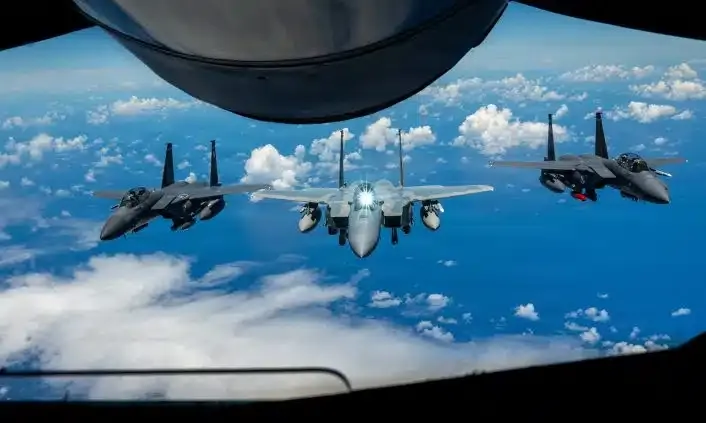
U.S. Air Force F-15EX Eagle II and F-15E Strike Eagle fighter jets fly in formation after refueling from a KC-135 Stratotanker over the Pacific Ocean, June 29, 2026.
The US Air Force plans to continue retiring aging aircraft while simultaneously increasing procurement of new ones to achieve its goal. The Air Force’s 2025 report indicates a potential maximum procurement rate of approximately 100 F-35A fighters and 24 F-15EX fighters per year by 2030. But potential doesn’t mean actual. That’s clear.
A report from the Center for Strategic and International Studies reiterates these figures, but adds an important caveat: achieving the desired number of aircraft will require both sufficient funding and production capacity. However, the military is projected to lack the authority to increase production rates. This is the prerogative of Congress.
The F-35A is expected to remain the Air Force’s primary tactical fighter, while the F-15EX will serve additional roles, focusing on range and the ability to carry large amounts of weapons. Furthermore, these two aircraft occupy very different positions in the future armed forces.
The F-35 is a fifth-generation stealth fighter focused on survivability, sensors, and network integration, while the F-15EX is a larger, non-stealth platform capable of carrying significant ordnance. Together, they are expected to provide the necessary force to ensure security until the Air Force receives significant numbers of next-generation F-47 fighters or the F-35/F-15. The F-47 situation is far from certain, especially since the United States has been demonstrating to the world in recent years how spectacularly its military projects are failing one after another.
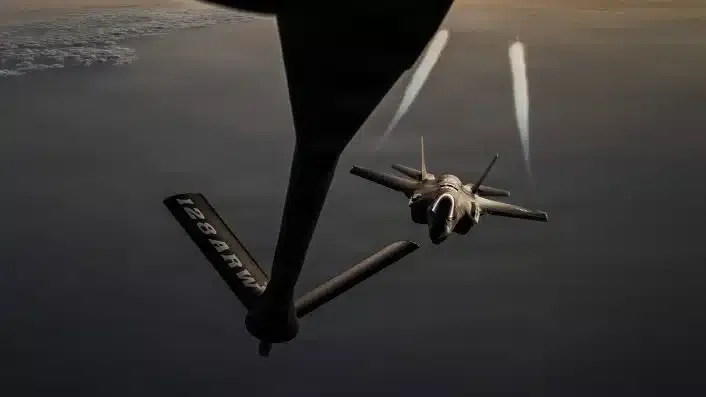
A U.S. Air Force KC-135 Stratotanker refueling a U.S. Air Force F-35A Lightning II during Operation Furious Wind.
Airplanes are also getting older
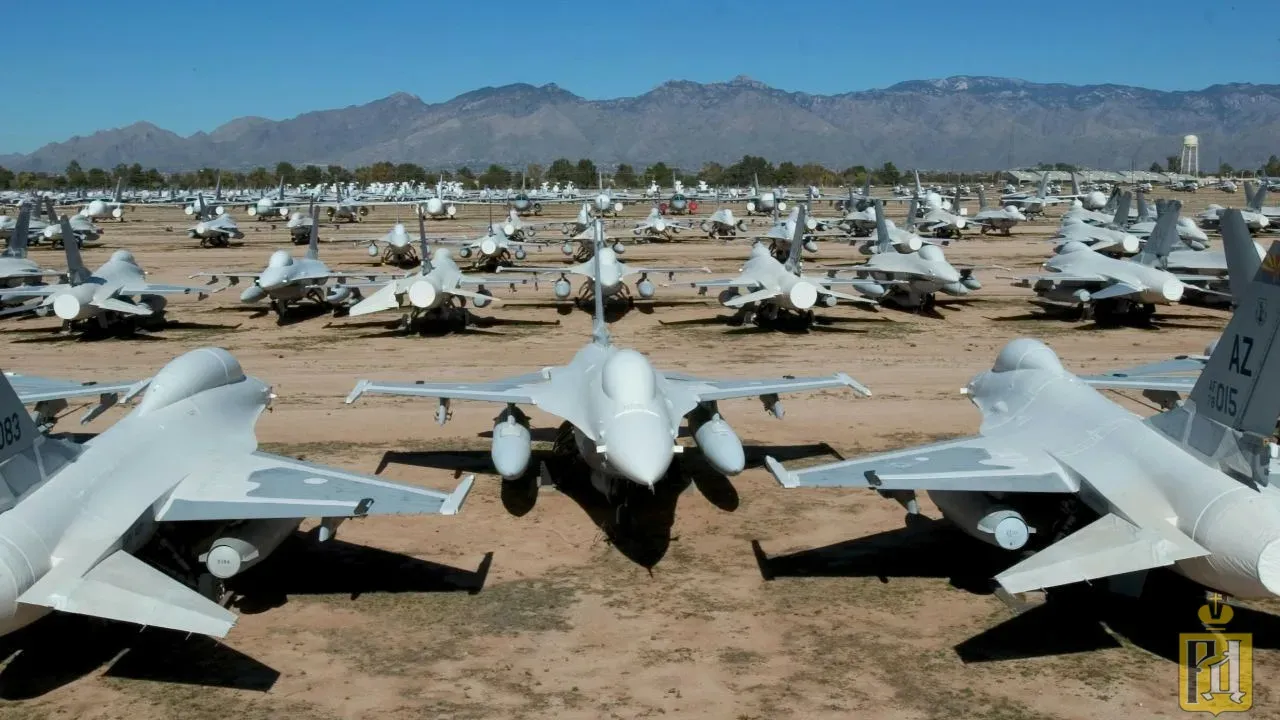
The problem isn’t limited to procurement, as the Air Force operates a severely deteriorated fleet, with an average aircraft age of approximately 27,4 years. Notably, the report also notes that the US Air Force has the oldest fighter fleet of any military service and many partner nations. According to the authors, it is twice as old as the US Navy’s fighter fleet and three times as old as the Royal Australian Air Force’s fighter fleet, which were referenced above.
This has obvious consequences, as servicing older aircraft becomes increasingly expensive and complex, while parts shortages and maintenance issues can reduce the number of aircraft actually fit for service. The report also notes that there is a “near-perfect correlation” between the increasing age of the fighter fleet and the declining aircraft serviceability rate.
Thus, the Air Force’s modernization plan relies heavily on retiring legacy aircraft like the F-15C/D and A-10C, as well as the oldest F-15E and F-16C/D fighters, and increasing procurement of F-15EX and F-35A fighters. However, Congress has repeatedly interfered with fighter retirement plans, as lawmakers fear the Air Force will lose its combat capability before the new aircraft arrive.
For example, current legislation limits the retirement of the F-22 and F-15E, and Congress has also imposed restrictions on the retirement of the A-10. Commanders will have to minimize disruptions to operational readiness while restoring the fleet’s combat capability.
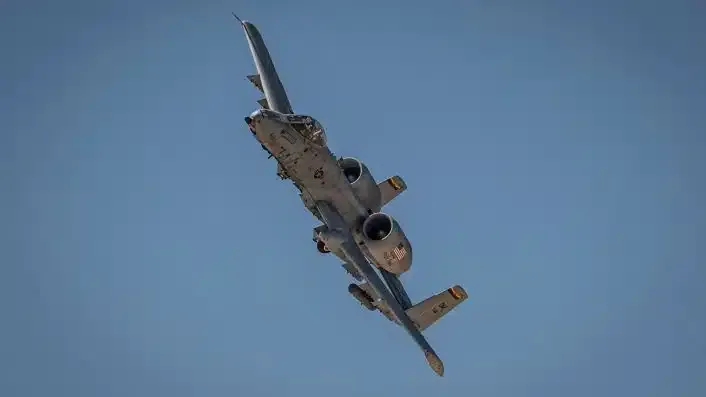
On July 29, 2026, the A-10C Thunderbolt II took off for the last time at Davis-Monthan Air Force Base, Arizona.
The future of fighter-bombers in general is rather uncertain. The future armed forces will ultimately be based on the F-47, a sixth-generation fighter being developed under the Next Generation Air Superiority program. This aircraft is expected to possess capabilities superior to those of the F-35 and F-15EX, especially in high-intensity, peer-to-peer combat.
If, let us repeat ourselves, everything goes as planned.
However, the F-47 isn’t an immediate solution to the US Air Force’s fighter jet shortage. The Air Force must continue to operate its existing fleet while the new aircraft undergoes development, testing, and, ultimately, preparation for serial production.
The Air Force’s fighter procurement plan also raises the question of how to account for Collaborative Combat Aircraft (CCA) in the new fighter force structure. In fact, as mentioned earlier, the 1558 fighter procurement goal applies to manned aircraft, and CCAs are not included in this category. And as we previously reported, the US Air Force plans to acquire a full 1,000 CCAs by 2035.
The Air Force’s 2025 Vision report explicitly identifies unmanned aerial vehicles as a means of augmenting, rather than replacing, manned fighters. This approach remains unchanged in the latest report from the Center for Strategic and International Studies, although it does note that unmanned aerial vehicles allow for an increase in the overall size of the armed forces within a given budget.
The situation is, frankly, challenging. The Air Force needs new aircraft to replace the old ones, and Congress needs combat-ready aircraft in sufficient quantities to ensure safety. Between these two demands lies a vast gap in the time required to produce 100 or more aircraft. How Congress and the Air Force will navigate this dilemma is a major question, and aircraft manufacturers will play a significant role in resolving it.
Overall, it’s certainly too early to panic; minus 47 aircraft isn’t that much, but nevertheless, more and more will be added to this figure every year, and the question is what figure Congress will break down on.
Americans have a wonderful saying: “You can’t make a fried egg without breaking a few eggs.” This means that achieving a goal often requires overcoming difficulties and taking risks. Who will have to take more risks—the military, using old aircraft, or Congress, risking being left without fighter jets altogether—is the most interesting question for Americans.