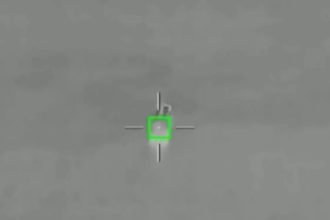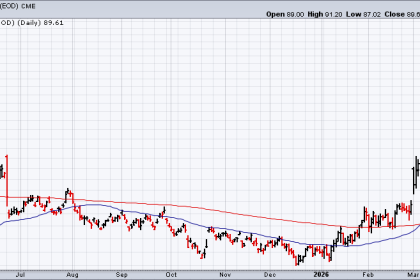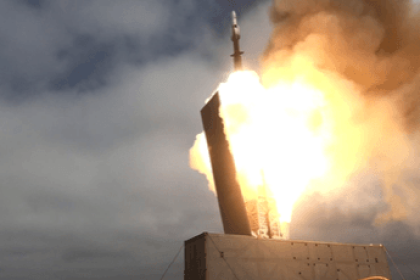

















The US stock market closed at a record high on Friday following a remarkably swift recovery, but escalating conflict in the Middle East threatens to disrupt investor optimism as the new trading week begins. Over the weekend, geopolitical tensions deepened after Iran reversed its agreement to reopen the Strait of Hormuz, maintaining a shutdown that currently leaves 13 million barrels of daily energy production isolated. The escalation included a US Navy vessel firing on and seizing an Iranian cargo ship that violated the American blockade, prompting vows of retaliation from Tehran and stalling diplomatic peace efforts.
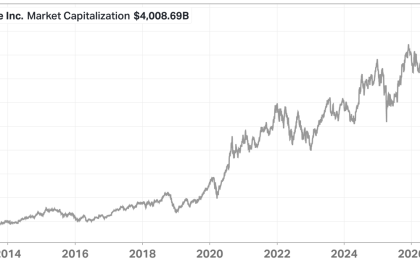
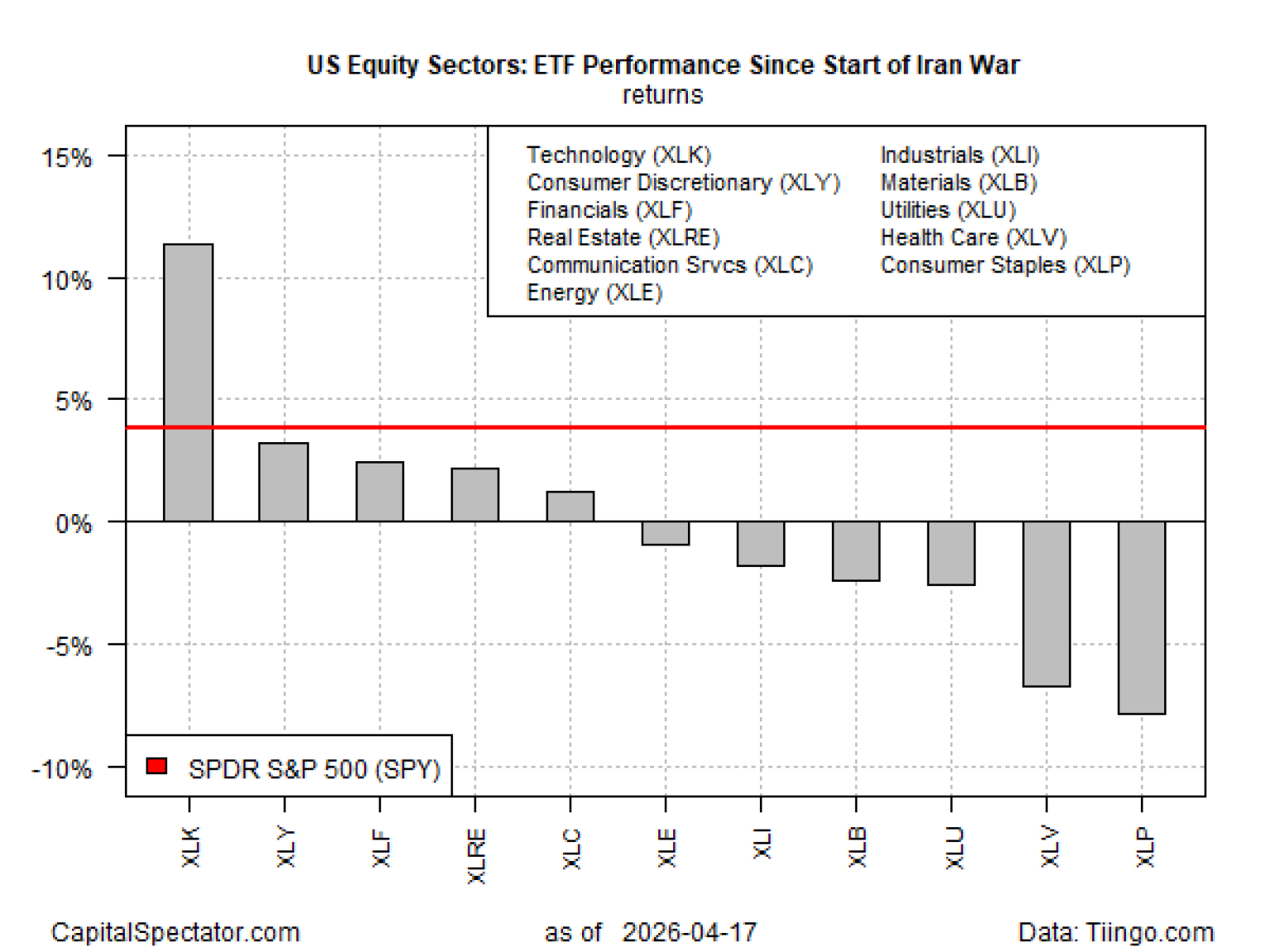
Despite the brewing energy supply shock, equities have proven remarkably resilient, largely propelled by strong corporate earnings and explosive growth in the technology sector. According to FactSet, 88% of reporting S&P 500 companies have delivered positive earnings surprises for the first quarter of 2026. Furthermore, technology sector ETFs have surged more than 11% since the conflict began, heavily outpacing the broader index’s 3.8% gain.
Market analysts note that much of this tech-driven momentum relies on long-term optimism surrounding artificial intelligence. Bulls argue that AI-driven productivity gains could deliver a massive disinflationary shock to the broader economy, potentially allowing the Federal Reserve to hold monetary policy steady. However, as the Strait of Hormuz remains heavily contested, investors face a lingering question of whether AI enthusiasm will remain strong enough to sustain current market highs against ongoing geopolitical headwinds.