














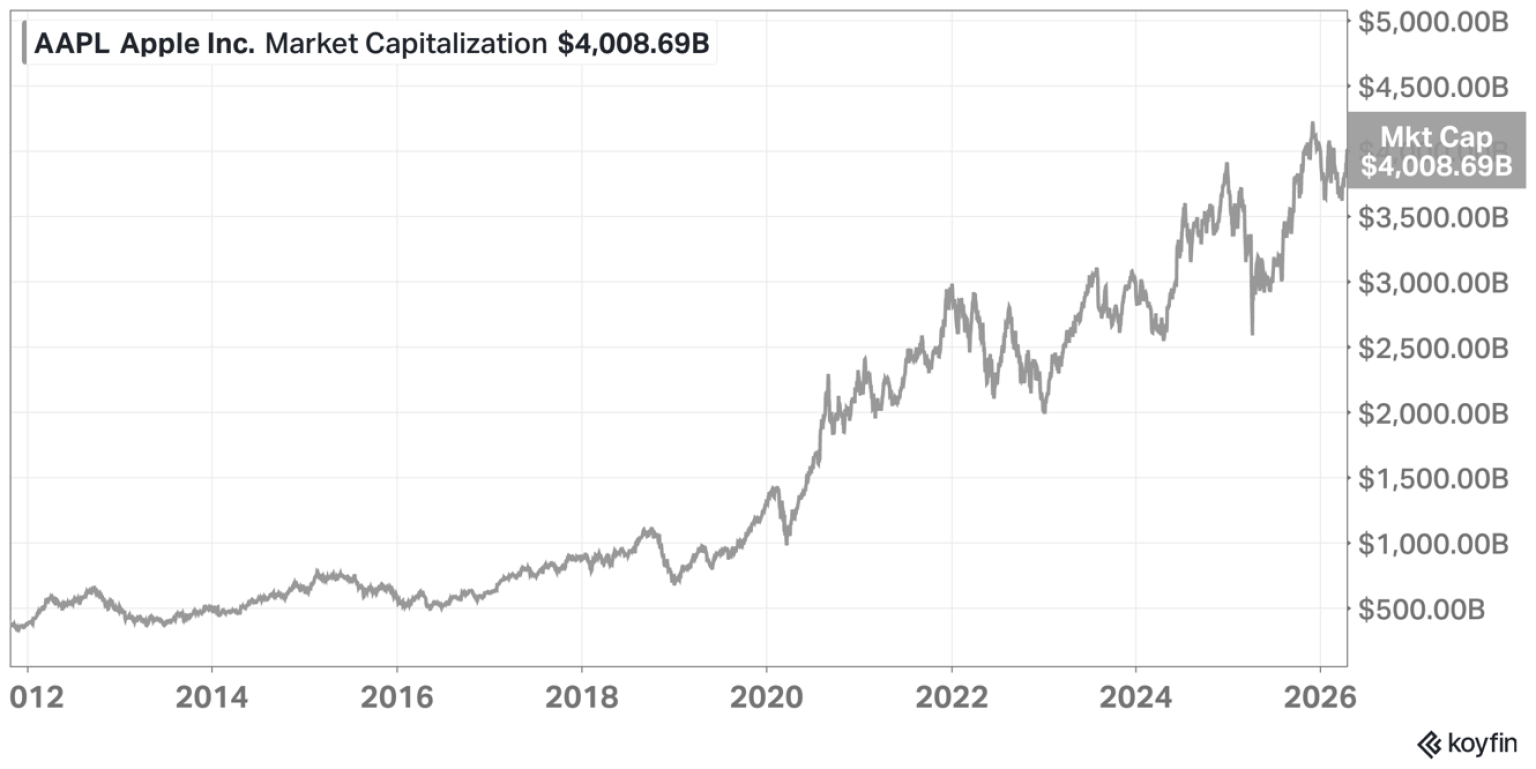
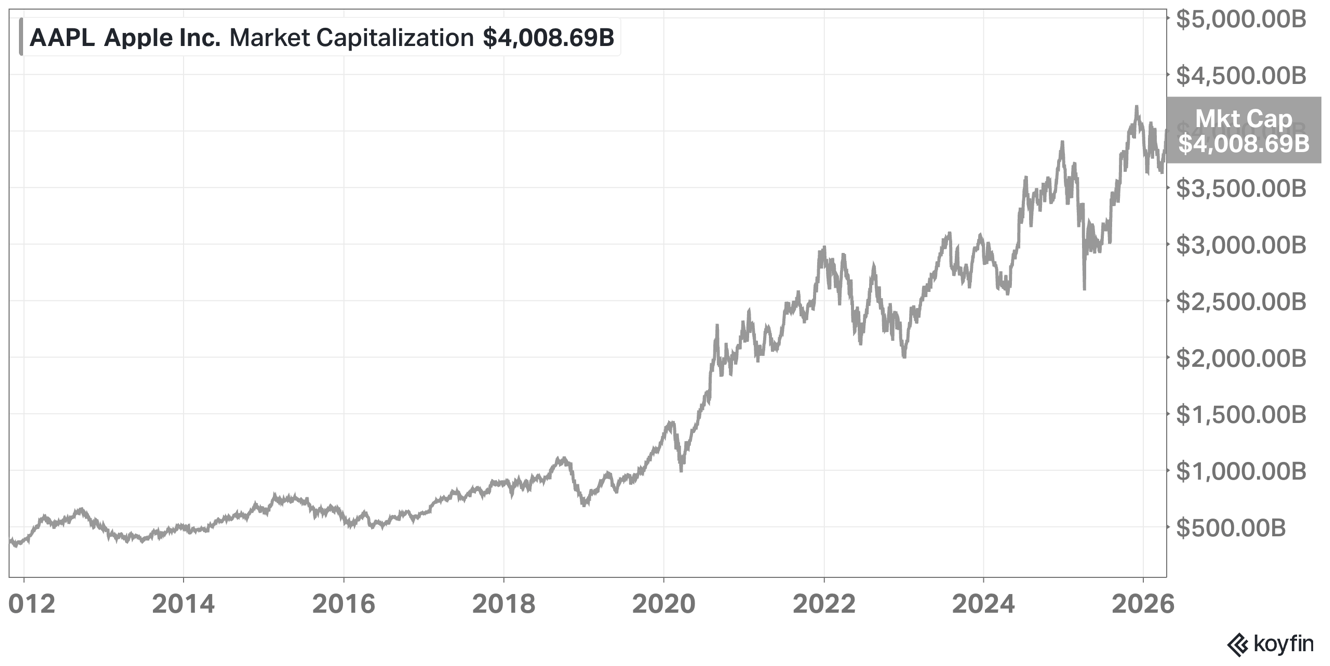
Apple CEO Tim Cook has announced he will step down to become Executive Chairman on September 1, concluding a remarkably lucrative 15-year tenure that saw the company’s valuation skyrocket from $297 billion to $4 trillion. Under Cook’s operational leadership, Apple’s revenue surged 303% and profit grew 354%. Benefiting from the unique timing of taking the reins shortly before co-founder Steve Jobs’ passing, Cook successfully scaled the iPhone into a global powerhouse, optimized an extensive supply chain, and dramatically expanded Apple’s high-margin Services division.
However, analysts note that Cook’s departure comes as Apple faces critical long-term strategic crossroads. His tenure’s heavy reliance on Chinese manufacturing creates vulnerabilities amid shifting geopolitical tensions. Furthermore, Apple’s recent decisions to lean on third-party partnerships—such as utilizing Google’s technology to power its evolving AI and Siri features—raise questions about the company’s future technological independence and innovation trajectory.
As incoming CEO John Ternus prepares to take over, Cook steps down following Apple’s best-ever financial quarter. While Cook successfully proved his execution capabilities by taking Apple from 1 to unprecedented financial heights, the ultimate test of his legacy will be whether his reliance on short-term financial optimization leaves Apple well-positioned for the upcoming artificial intelligence era.