














Speaking at the annual Sea-Air-Space Conference in Maryland, Chief of Naval Operations Admiral Daryl Caudle signaled a major shift in U.S. defense procurement by emphasizing a “containerized warfare” strategy. Highlighting the necessity for rapidly deployable and scalable combat mass, Admiral Caudle stated that the Navy increasingly views private industry as an integral component of the nation’s force of arms rather than a distant supplier.

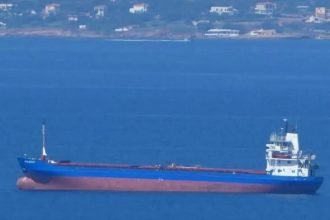
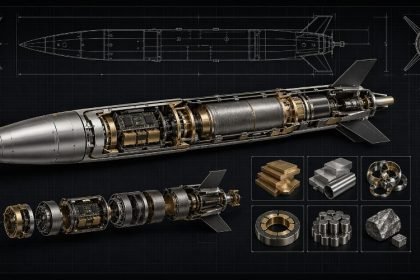
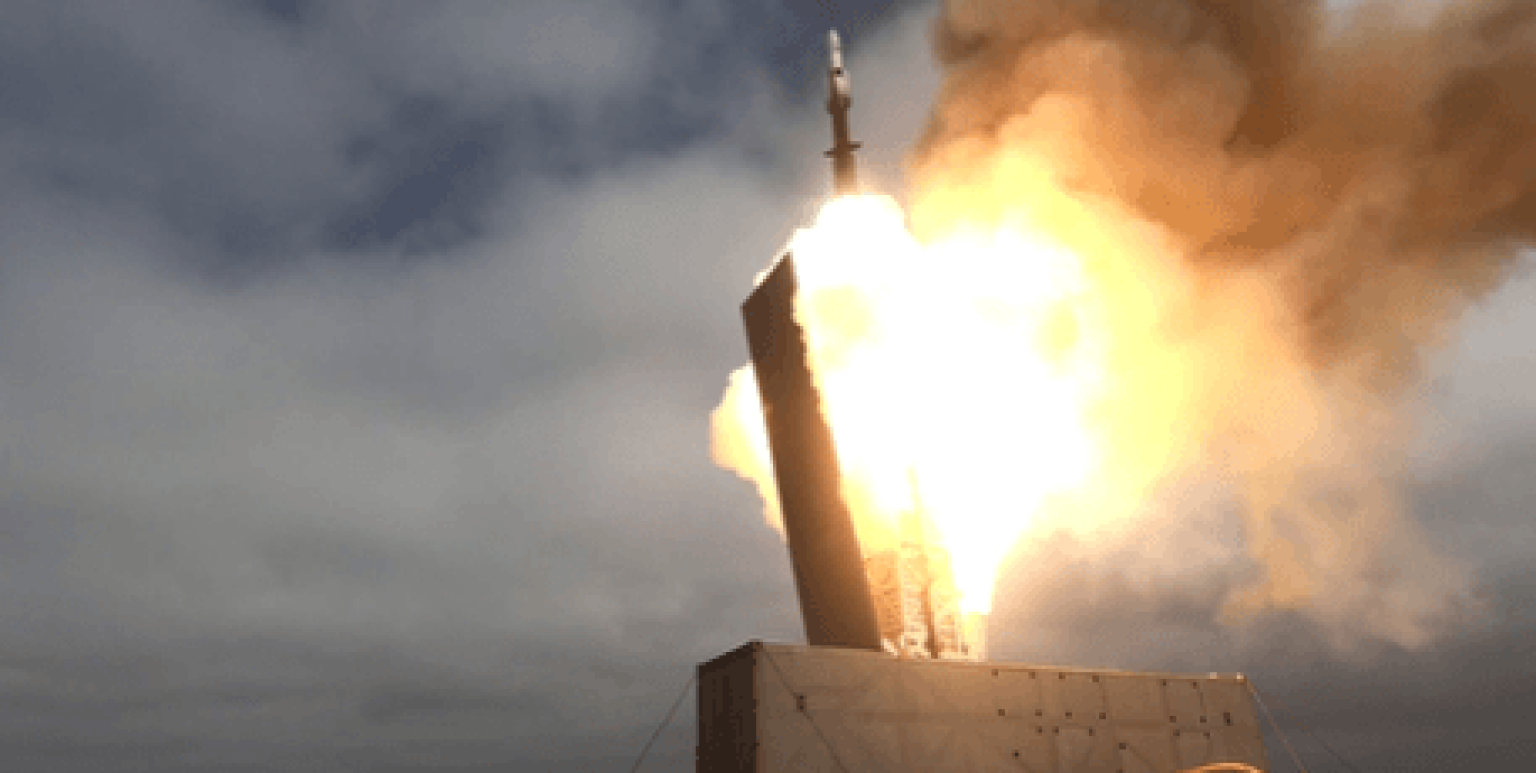
The modern naval framework is rapidly moving beyond traditional reliance on large, bespoke platforms. Defense contractors are adapting existing technologies into modular, container-based systems—such as Northrop Grumman’s ARES missile launchers and Leidos Holdings’ adaptable maritime platforms—that can be mounted quickly onto standard vessels or repurposed industrial hulls. This approach aims to reduce procurement timelines, lower costs, and maximize payload volume for modern high-end combat.
This evolving integration between the military and its industrial base reflects a broader acknowledgment that national defense power is directly tied to domestic industrial and energy capacity. For investors and defense stakeholders alike, the push toward rapid adaptation, standardized containerized ordnance, and flexible maritime assets represents a significant structural change in how future military capabilities will be engineered, deployed, and funded.