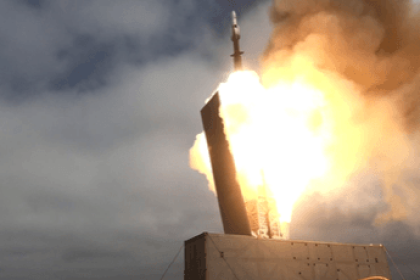















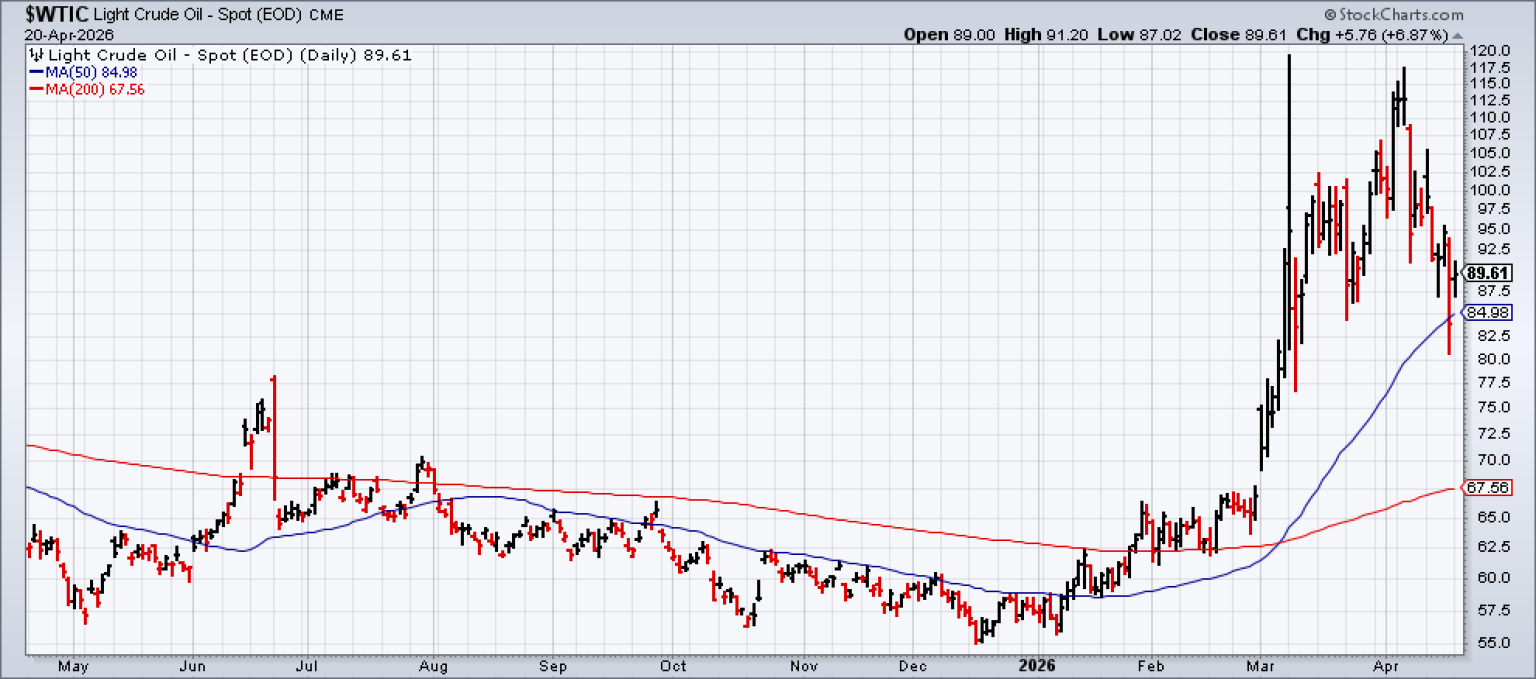
The protracted conflict between the United States and Iran is increasingly expected to culminate in a negotiated settlement rather than a decisive military victory. Following over seven weeks of coordinated air campaigns by the US and Israel, analysts note that the shock value of continued bombing is fading. Because a full-scale ground invasion remains politically untenable, a complete capitulation by Tehran is unlikely, setting the stage for a messy and protracted period of de-escalation that will continue to test the global economy.
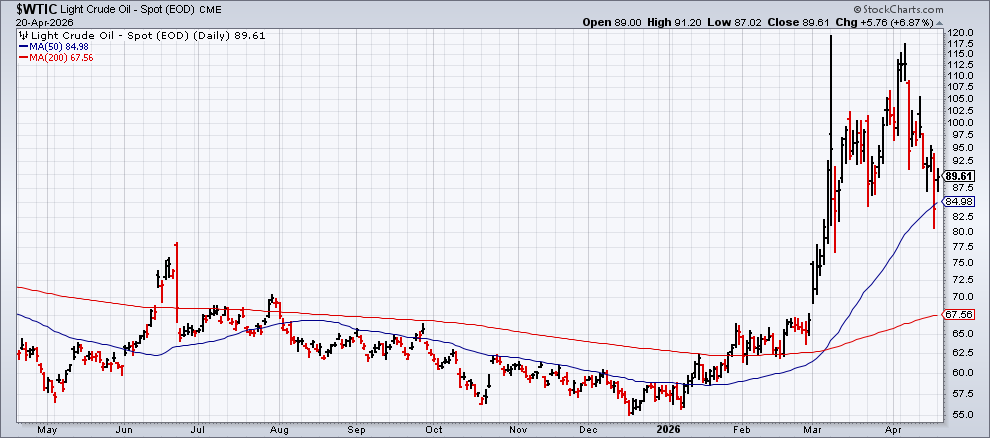
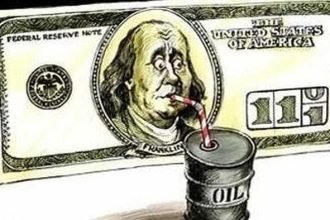
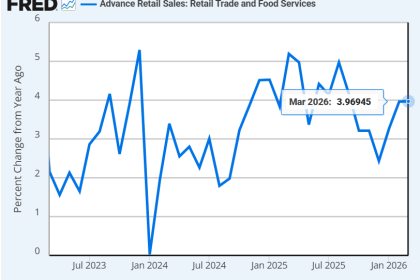
Both nations face mounting internal constraints that will ultimately dictate the timing of peace talks. For the US, the closure of the Strait of Hormuz has severely disrupted energy exports, driving up prices and fueling inflationary pressures globally. Meanwhile, Iran faces severe economic exhaustion as the US targets its primary revenue streams. China, as the principal buyer of Iranian oil and a major US trading partner, could play a crucial behind-the-scenes role in keeping Tehran at the negotiating table.
As the standoff continues, the central question remains which side will reach its breaking point first. Continued military escalation threatens to keep global energy markets volatile, elevating inflation risks and slowing economic growth worldwide. Ultimately, neither Washington nor Tehran is positioned to secure a total victory, leaving a pragmatic, albeit fragile, compromise as the most likely outcome.