
















The ongoing conflict involving Iran has ignited what the International Energy Agency terms the biggest energy security threat in history, sending shockwaves through global commodity and stock markets. Following an initial broad market sell-off after hostilities began on February 28, global equities have staged an uneven recovery, driven largely by regional disparities in energy vulnerability and oil import reliance.
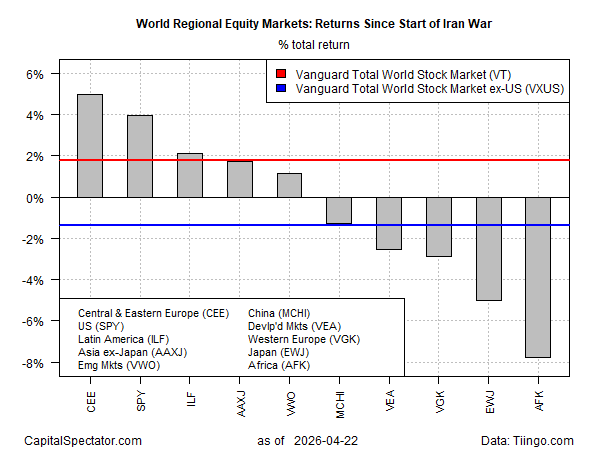
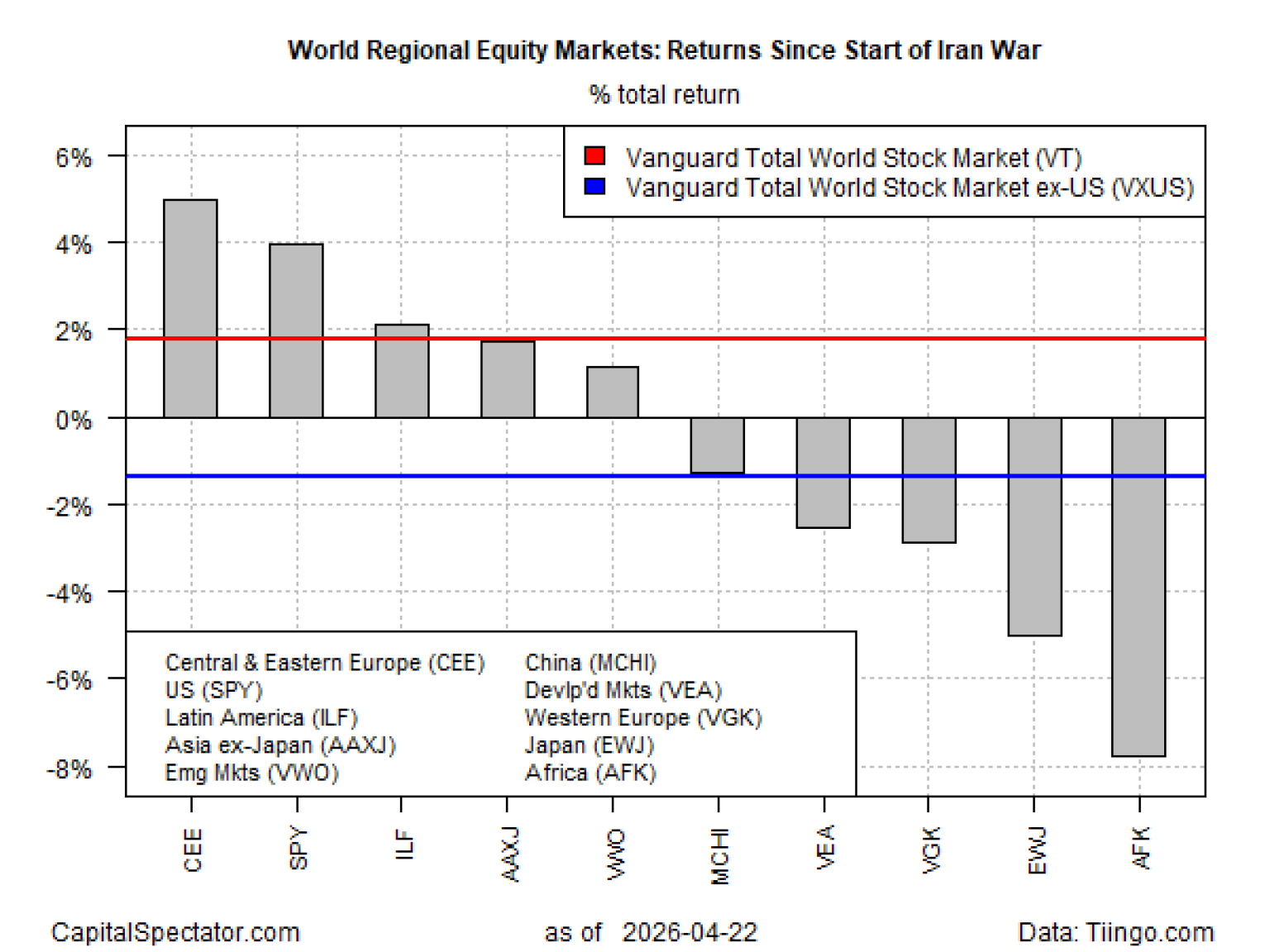
Performance across regional exchange-traded funds highlights this divergence. Since the conflict started, Central and Eastern European stocks have gained 5% and U.S. shares are up 4%, helping lift a globally diversified portfolio by 1.8%. Conversely, African equities have tumbled 7.8%, and global ex-U.S. shares remain in negative territory. The contrasting returns underscore varying domestic exposures to the sharp drop in Gulf oil exports.
Looking ahead, economists warn that heavy energy importers—particularly across Asia—face severe headwinds that will test regional resilience. While the International Monetary Fund projects Asia to remain a primary driver of global growth, expanding at 4.4% this year, the energy shock is raising inflation, weakening external balances, and ensuring that the economic fallout from the Middle East conflict remains deeply asymmetric worldwide.