





![Wanted: Suspect for Assault in the 16th District [VIDEO]](https://thephillypi.com/wp-content/uploads/2026/08/Wanted-Suspect-for-Assault-in-the-16th-District-VIDEO-330x220.jpg "Wanted: Suspect for Assault in the 16th District [VIDEO]")
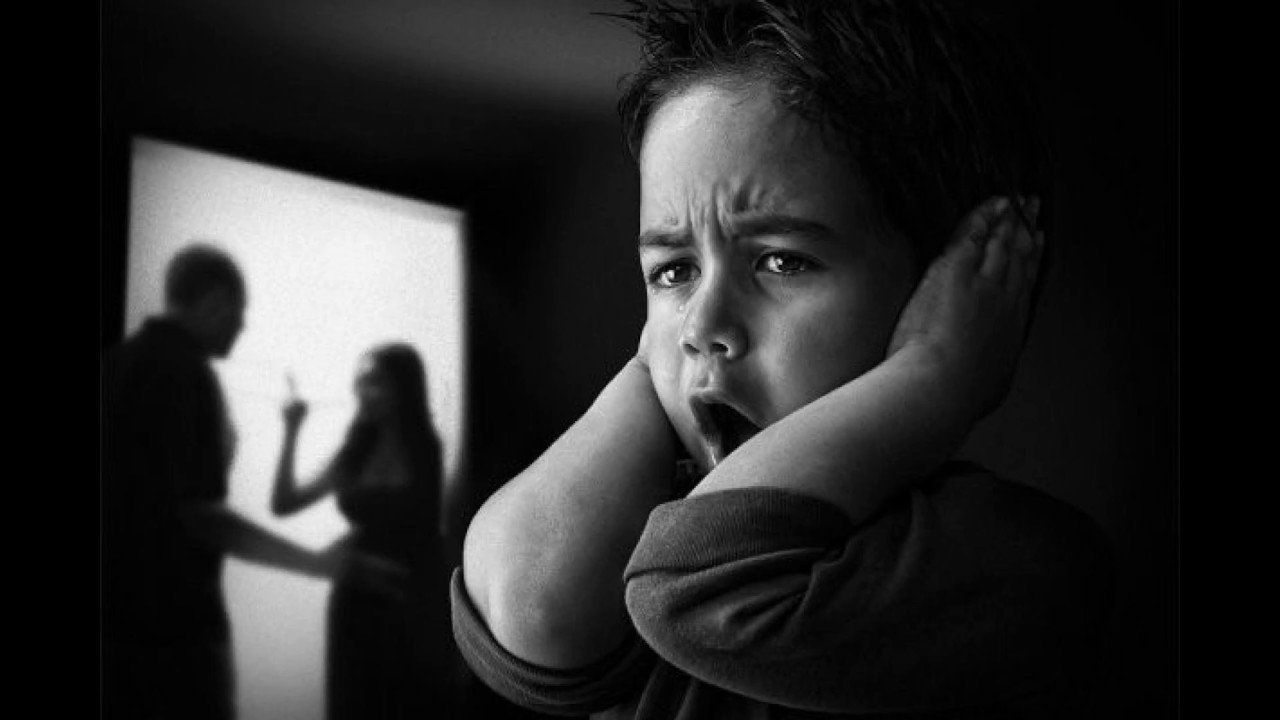
Domestic violence affects families in Jewish communities in the United States. In Jewish settings, dominating cultural and religious factors can make it harder for victims to seek help or leave abusive situations. Project S.A.R.A.H. (Stop Abusive Relationships At Home) stands as a pioneering response to this challenge. Founded in 1994 in New Jersey, this program has become a vital resource for survivors of domestic violence and sexual abuse, particularly within Jewish households.
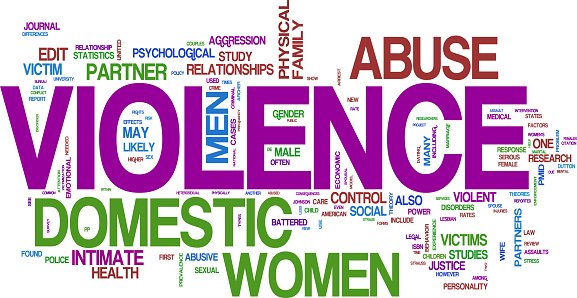
The Origins and Mission of Project S.A.R.A.H.
Launched through collaboration among Jewish Family Service agencies, social workers, rabbis’ wives, shelter directors, and organizations like Jewish Women International, Project S.A.R.A.H. emerged to tackle denial and barriers around domestic violence in Jewish life. At its start, there was data on prevalence in New Jersey’s Jewish population, estimated at around 48,000 people in the early 2000s. National statistics suggested one in four experiences domestic violence in her lifetime, implying potentially thousands of cases even in big communities.
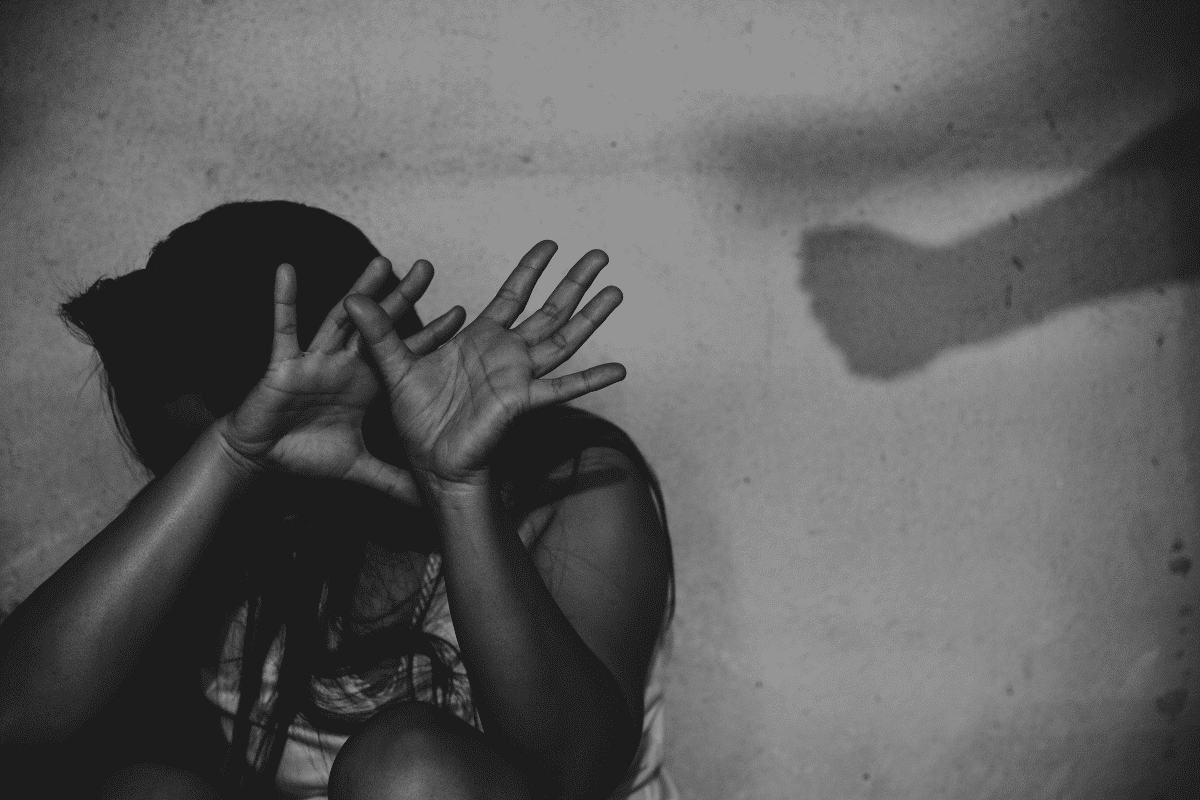
The program, housed primarily under Jewish Family Service of Clifton-Passaic (with related efforts in areas like Southern New Jersey via JFCS of Southern NJ), focuses on overcoming cultural, legal, and religious obstacles. It serves as a bridge, connecting victims to sensitive support while respecting traditions like shalom bayit (peace in the home). Services include confidential counseling, case management, safety planning, support groups, education, training for community leaders (rabbis, rebbetzins, mikvah attendants, camp directors), and hotline assistance. No one is turned away based on race, gender, or finances, though the emphasis remains on Jewish families statewide.
A key 2008 article in the Journal of Jewish Communal Service by Esther East and Elke Stein details its early impact. By then—a dozen years in—Project S.A.R.A.H. had received over 1,000 hotline calls and provided clinical services to more than 100 victims from Jewish backgrounds. These figures highlight growing recognition and access to help.
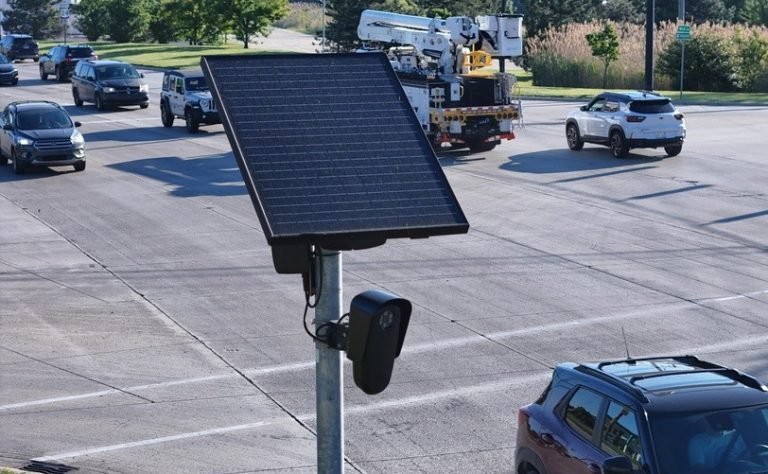
Police officer arrested after using Flock cameras 717 times to track ex-wife
A police officer faces two criminal charges after being accused of using…

U.S. CISA adds RoundCube Webmail flaws to its Known Exploited Vulnerabilities catalog
U.S. Cybersecurity and Infrastructure Security Agency (CISA) adds RoundCube Webmail flaws to…
“Black Power — It’s About Goddamn Time!”
New Black Panther Party national chairwoman Krystal Muhammad celebrates Judge John Roach’s…
SmartLoader hackers clone Oura MCP project to spread StealC malware
Hackers used a fake Oura MCP server to trick users into downloading…

Immigrant politician in Germany says he’d only fight for Ghana
A Ghanaian immigrant and local politician in Germany said that he would…

The Business of Elegance: How Christine Baranski Built Hollywood’s Most Enduring Empire
Few performers in modern Hollywood command a room quite like Christine Baranski.…
Challenges in Jewish Communities
Victims in these settings often face prolonged abuse due to specific pressures. Research and program insights show Jewish women may remain in abusive relationships twice as long as non-Orthodox counterparts. Factors include strong emphasis on shalom bayit, fears of communal stigma, impacts on children’s shidduchim (marriage prospects), financial dependence, and religious complexities like get refusal (withholding a Jewish divorce document, which can trap women in limbo).
Anonymized examples from program reports and evaluations illustrate these patterns. In one historical reference, a woman suffered severe physical battering leading to permanent hearing loss—she became deaf from the abuse—but her husband refused to grant a get, prolonging her suffering and isolation. Such cases involve physical, emotional, financial, and sometimes sexual abuse, compounded by isolation tactics or community preference for internal resolution over external intervention.
Project S.A.R.A.H. erodes denial through education and training. It uses tools like the Power and Control Wheel to help victims identify abuse cycles (intimidation, coercion, economic control). Staff offer phone consultations, individual therapy, men’s groups for voluntary participants, and collaborations with secular shelters when needed. Outcomes include safety planning, leaving abusive homes, or working toward healthier dynamics where possible.
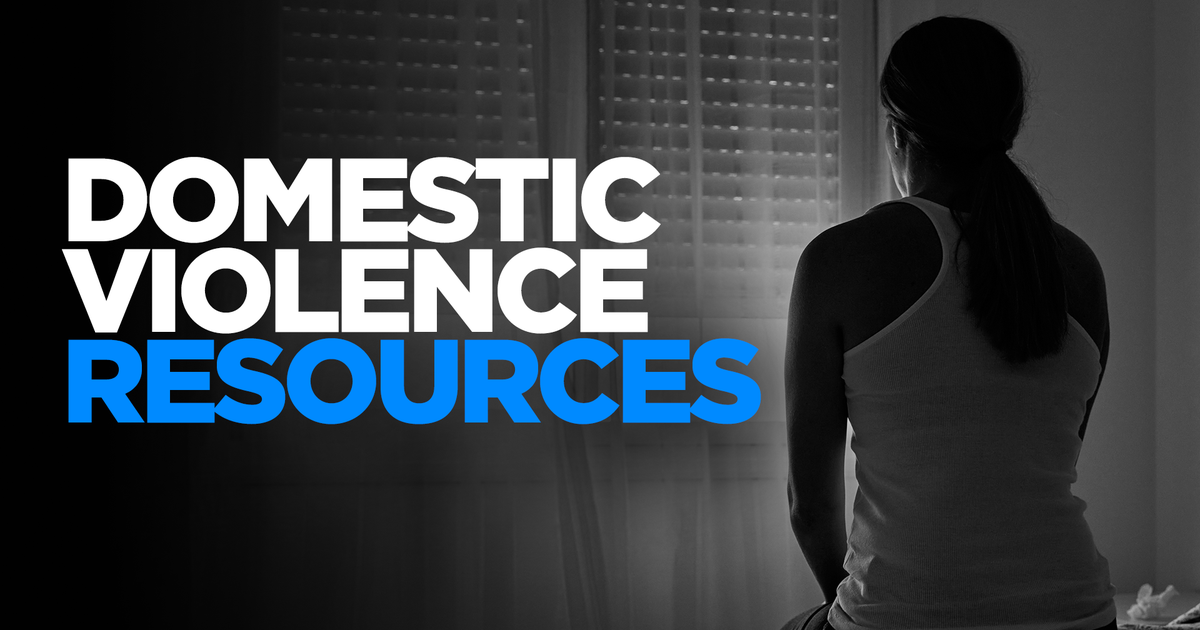
Ongoing Impact and Evolution into the 2020s and Beyond
The program remains active and evolving. Recent reports note continued growth in cases, with assistance for dozens of individuals annually in regions like Bergen County alone, plus waiting lists indicating demand. It has expanded training, podcasts (e.g., “Love Shouldn’t Hurt”), and community outreach to prevent abuse and promote healthy relationships.
By addressing barriers head-on, Project S.A.R.A.H. has shifted community attitudes. What began as a response to widespread denial now empowers survivors, educates leaders, and fosters safer homes. It demonstrates that domestic violence is not absent from Jewish life but can be confronted with support.
For those affected, confidential help is available.
In Northern New Jersey, contact Project Sarah Services at Jewish Family Service of Clifton-Passaic (973-777-7638, ext. 300 or hereforyou@projectsarah.org). In Southern New Jersey, call JFCS at (856) 424-1333 and ask for “Sarah.” In emergencies, dial 911 or the National Domestic Violence Hotline at 1-800-799-7233.Project S.A.R.A.H. reminds us: peace in the home means freedom from violence, and seeking help is a step toward freedom.


![Wanted: Suspects for Shooting Incident in the 3rd District [VIDEO]](https://thephillypi.com/wp-content/uploads/2026/08/Wanted-Suspects-for-Shooting-Incident-in-the-3rd-District-VIDEO-420x280.jpg "Wanted: Suspects for Shooting Incident in the 3rd District [VIDEO]")