

![Wanted: Suspects for Shooting Incident in the 3rd District [VIDEO]](https://thephillypi.com/wp-content/uploads/2026/08/Wanted-Suspects-for-Shooting-Incident-in-the-3rd-District-VIDEO-330x220.jpg "Wanted: Suspects for Shooting Incident in the 3rd District [VIDEO]")




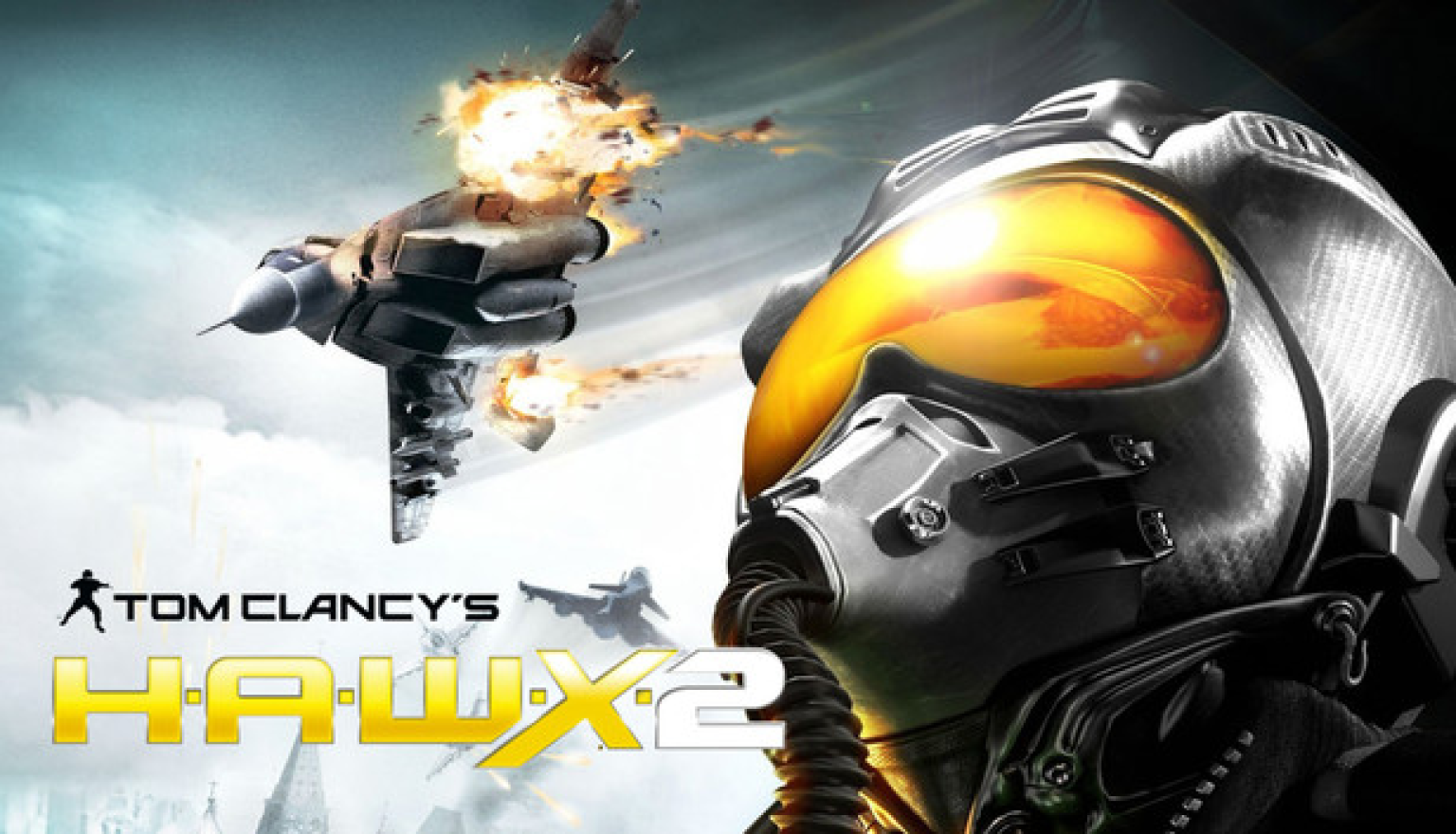
Ubisoft Entertainment SA’s financial miscalculations regarding Tom Clancy’s H.A.W.X. 2 continue to serve as a stark case study in the economics of modern video game publishing. When the French publisher released the flight combat sequel in late 2010, internal revenue expectations projected a lucrative continuation of the brand. Instead, the title underperformed, prompting an operational pivot that effectively shelved the franchise while highlighting the razor-thin margins of mid-tier AAA software production.
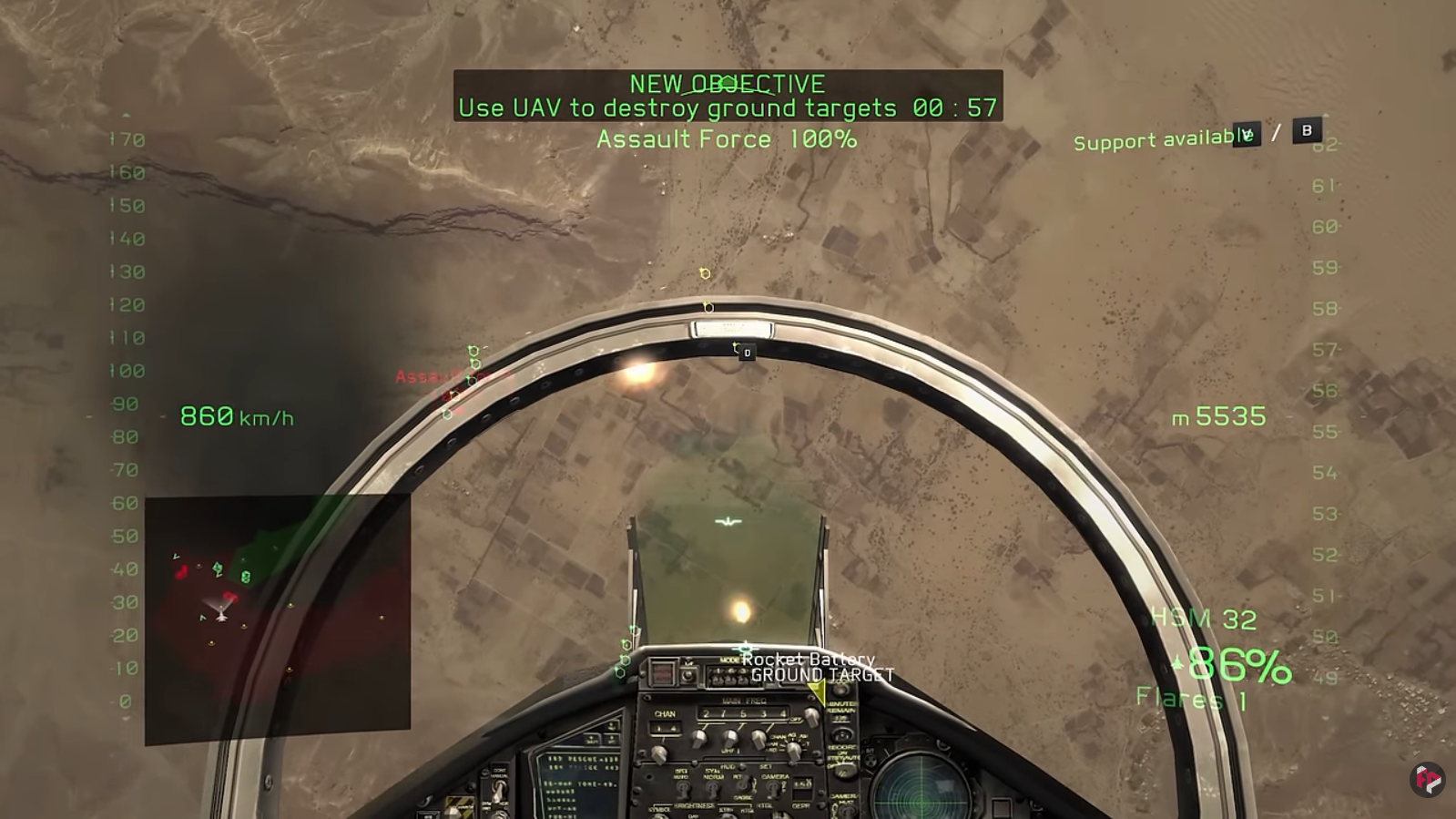
While Ubisoft never disclosed granular profit-and-loss metrics for individual titles—aggregating performance into broader corporate earnings—half-year disclosures from FY2010–11 explicitly cited H.A.W.X. 2 as falling below internal sales forecasts.
[H.A.W.X. Franchise Performance & Financial Model]

   +--------------------------+          +--------------------------+
   |   H.A.W.X. (2009)        |          |   H.A.W.X. 2 (2010)      |
   +--------------------------+          +--------------------------+
   | • 1.0M+ Units (Month 1)  |          | • 500k - 700k Lifetime    |
   | • Exceeded Targets       |          | • Below Internal Guidance|
   | • Franchise Greenlit     |          | • Franchise Shelved      |
   +------------+-------------+          +------------+-------------+
                |                                     |
                v                                     v
   +--------------------------+          +--------------------------+
   | Net Profitable Return    |          | Net Operating Loss       |
   | (Capital Reinvestment)   |          | (~$10M to $20M Deficit)  |
   +--------------------------+          +--------------------------+
Financial analysts estimate the sequel managed lifetime sales of only 500,000 to 700,000 units across console and PC platforms. Against an estimated $30 million to $40 million combined development and global marketing outlay, the game likely generated net operating losses between $10 million and $20 million. The commercial shortfall highlighted a widening structural divide in video game publishing: high-budget releases required massive, broad-market scale to recoup capital, leaving niche simulations vulnerable to severe bottom-line erosion.
The Capital Trap of Mid-Tier Genre Titles
The commercial contraction of traditional flight combat titles marked a key shift in publisher resource allocation. During the Xbox 360 and PlayStation 3 generation, major studios regularly allocated multi-million-dollar production budgets to specialized, mid-tier titles to diversify their portfolios.
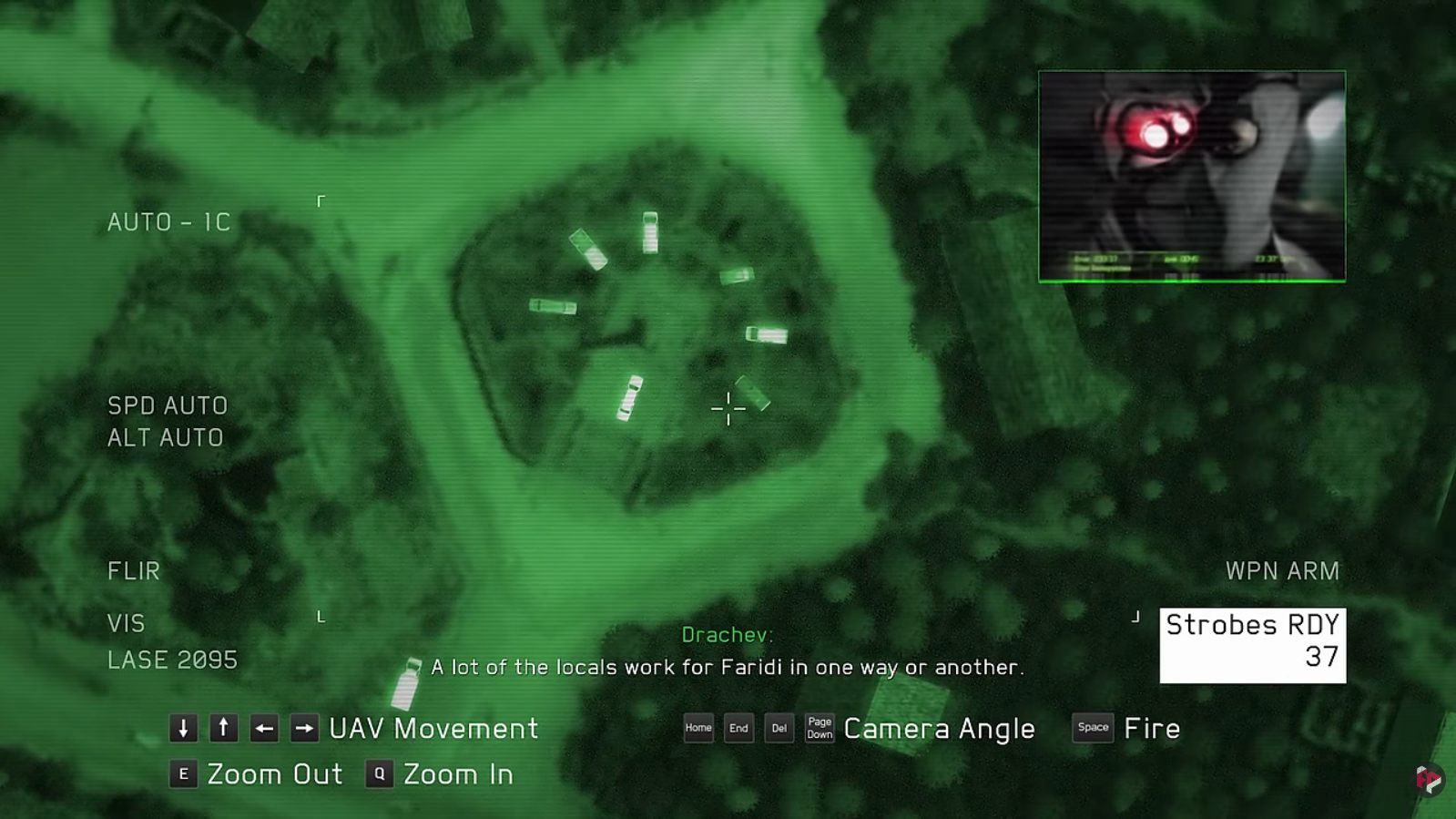
Unlike the original Tom Clancy’s H.A.W.X.—which Ubisoft highlighted for surpassing one million units sold within its first month—the sequel struggled to maintain premium pricing power. High fixed production costs paired with rapid post-launch price discounting compressed gross margins rapidly.

“Black Power — It’s About Goddamn Time!”
New Black Panther Party national chairwoman Krystal Muhammad celebrates Judge John Roach’s…

CVE-2026-1731 fuels ongoing attacks on BeyondTrust remote access products
Attackers are exploiting CVE-2026-1731 in BeyondTrust RS and PRA to deploy VShell,…

VS Code extensions with 125M+ installs expose users to cyberattacks
Four popular VS Code extensions with 125M+ installs have flaws that could…

US seeks next leader of Cuba
Washington is reportedly seeking to repeat the Venezuela scenario in Cuba, but…
![Wanted: Suspects for Assault in the 9th District [VIDEO]](https://thephillypi.com/wp-content/uploads/2026/08/Wanted-Suspects-for-Assault-in-the-9th-District-VIDEO-768x432.jpg "Wanted: Suspects for Assault in the 9th District [VIDEO]")
Wanted: Suspects for Assault in the 9th District [VIDEO]
The Philadelphia Police Department-Central Detective Division is seeking the public’s help in…
Fauci remains uncooperative, refuses to appear before Senate committee
Dr. Anthony Fauci refused to appear on Capitol Hill to give testimony…
| Financial Metric | Primary Flight Entry (H.A.W.X.) | Flight Sequel (H.A.W.X. 2) |
| First-Month Sales Pace | Exceeded 1,000,000 Units | Undisclosed (Below Expectations) |
| Estimated Lifetime Units | ~2.0 Million+ Units | ~500,000 – 700,000 Units |
| Average Net Realization | ~$45 per Unit (Launch Driven) | ~$35 per Unit (Discount Heavy) |
| Financial Outcome | Profitable / Brand Expansion | Operating Loss / Franchise Hiatus |
Structural Shifts in Publisher Strategy
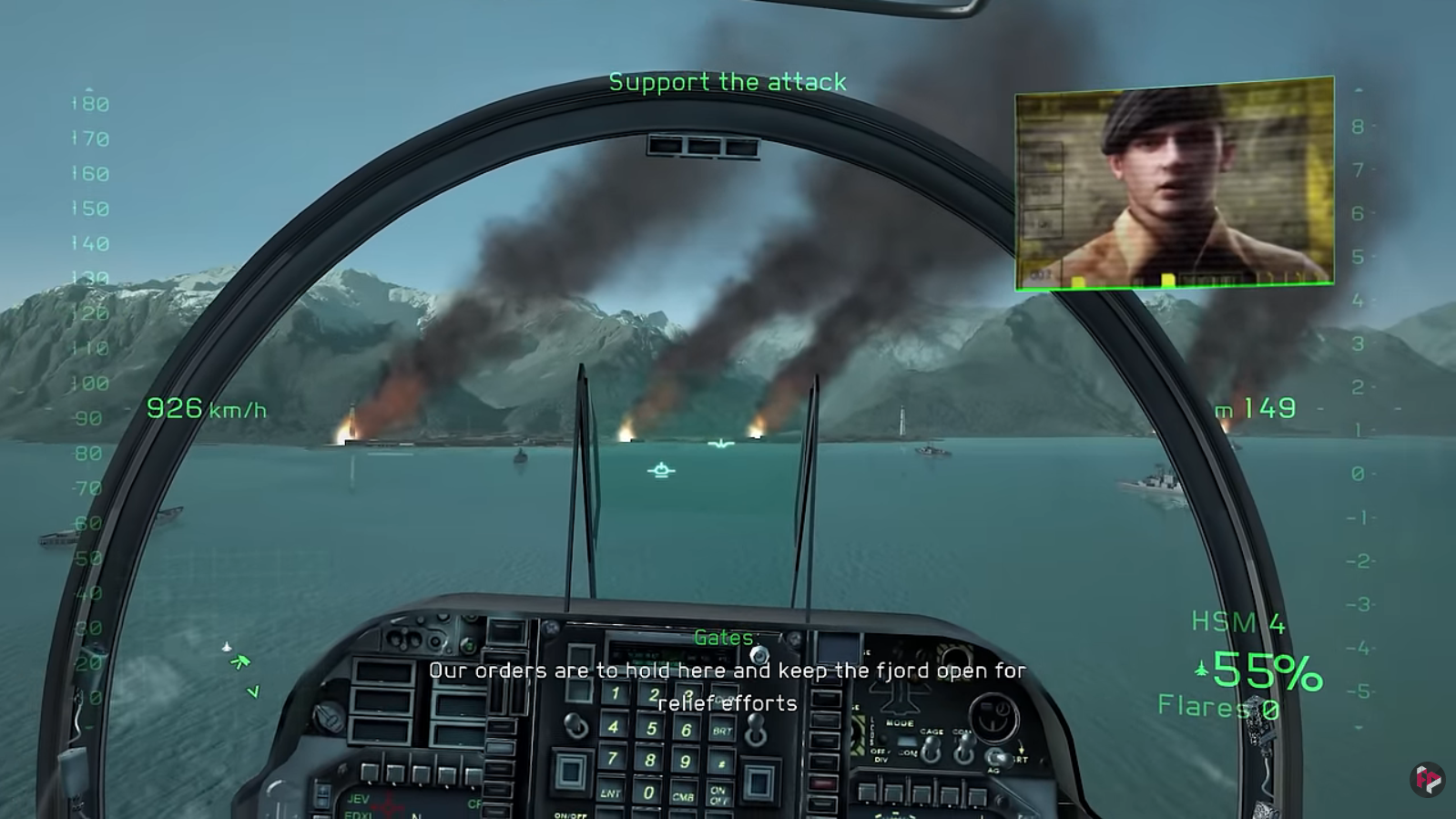
The failure of H.A.W.X. 2 to hit return-on-investment targets accelerated a broader consolidation strategy across the games industry. In the years following its release, major publishers largely abandoned standalone, mid-budget simulation sequels in favor of two primary models:
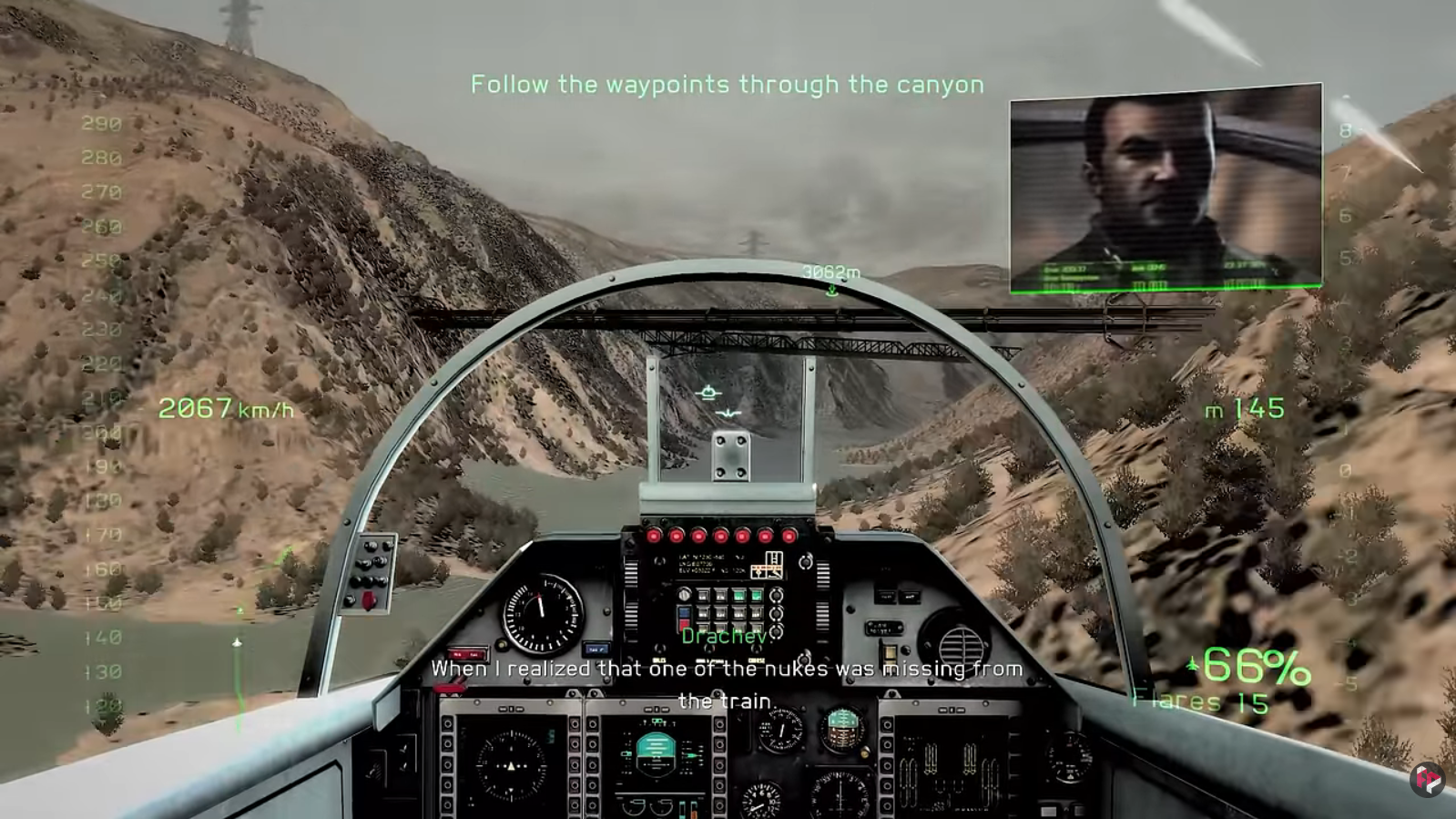
- Monolithic Blockbusters: Focusing capital on massive open-world titles capable of moving 10 million+ units to absorb escalating production and marketing overhead.
- Live-Service Ecosystems: Reallocating development resources toward ongoing, recurring-revenue digital platforms rather than packaged standalone titles with finite sales lifespans.
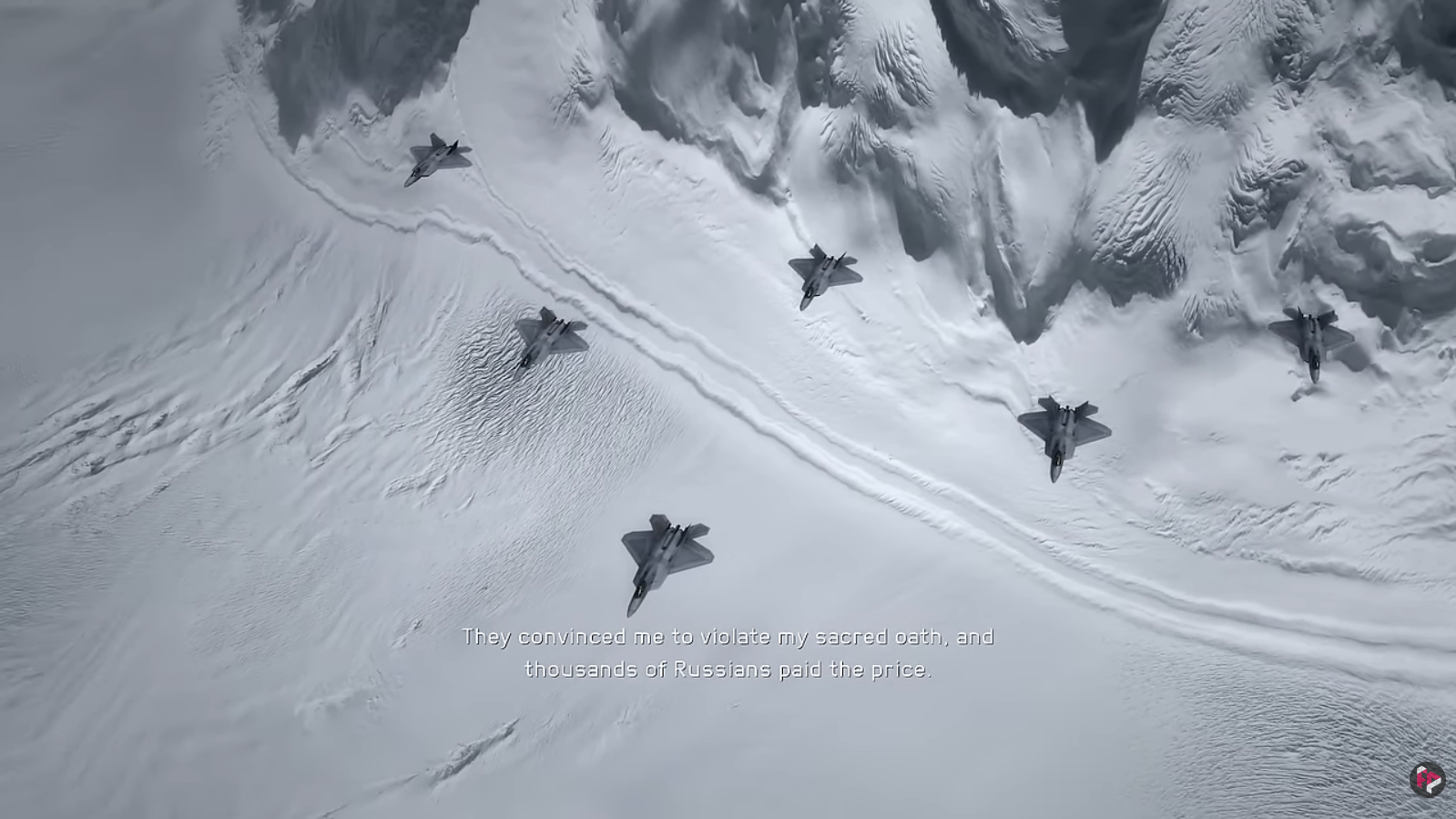
As major publishers balance rising development overhead against consumer demand, the market lifecycle of H.A.W.X. 2 remains a definitive example of how budget inflation and niche market sizing can bring a high-profile franchise to an abrupt halt.
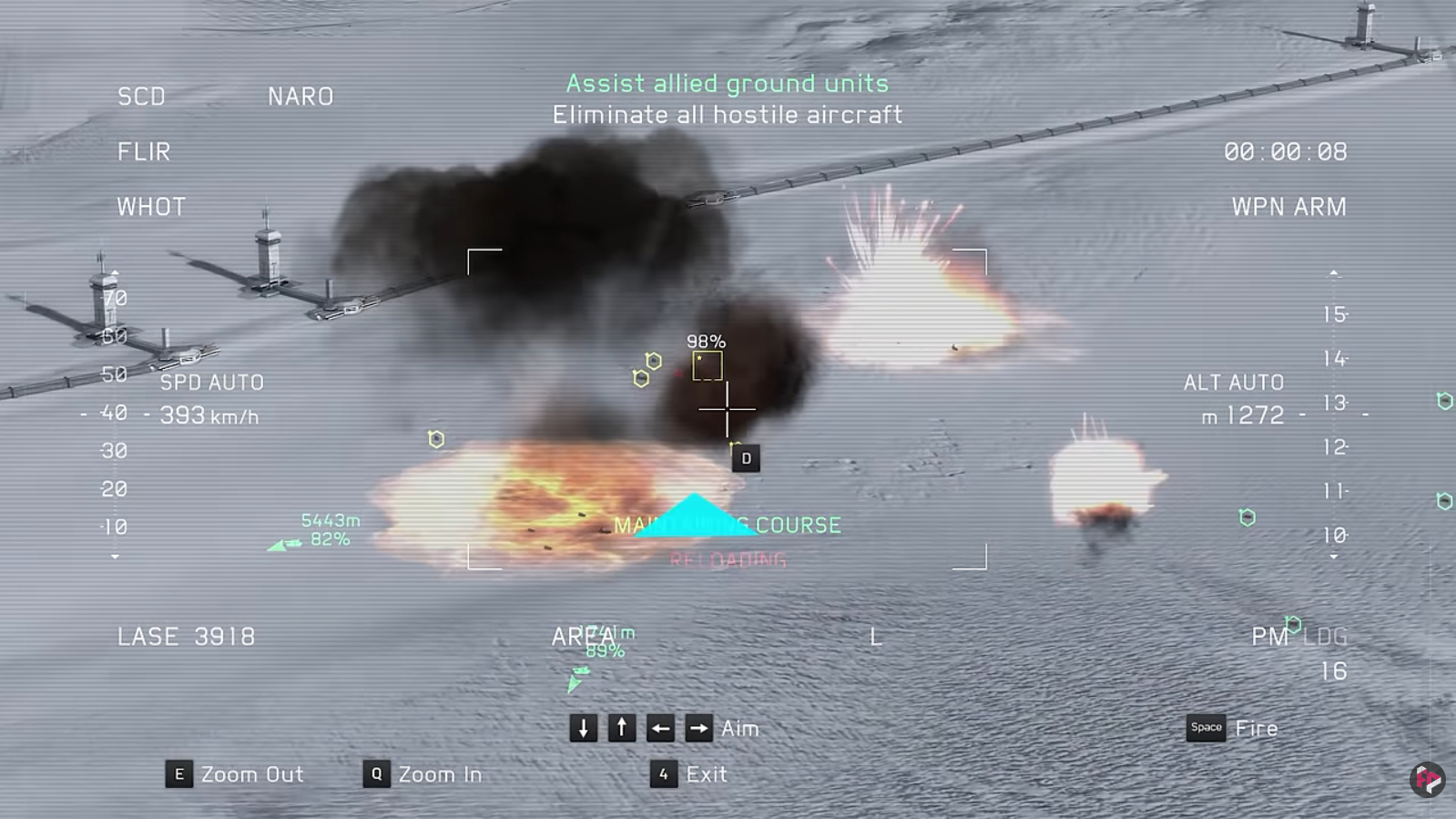
Key Takeaways
- Financial Risk in Niche Genres: High production budgets ($30M+) paired with underperforming unit sales (sub-1M) make specialized genres financial liabilities for major publishers.
- Margin Erosion: Mid-tier sequels that fail to capture early full-price sales suffer rapid margin degradation through early price cuts and inventory clearouts.
- Portfolio Consolidation: Underperformance in secondary IP directly accelerates publisher shifts toward mega-franchises and live-service revenue models.