















The stage for the Eurovision Song Contest 2026 is looking less crowded and significantly more controversial. In a major move, Iceland has become the fifth country to officially announce its withdrawal from the competition, joining Spain, Ireland, Slovenia, and the Netherlands.
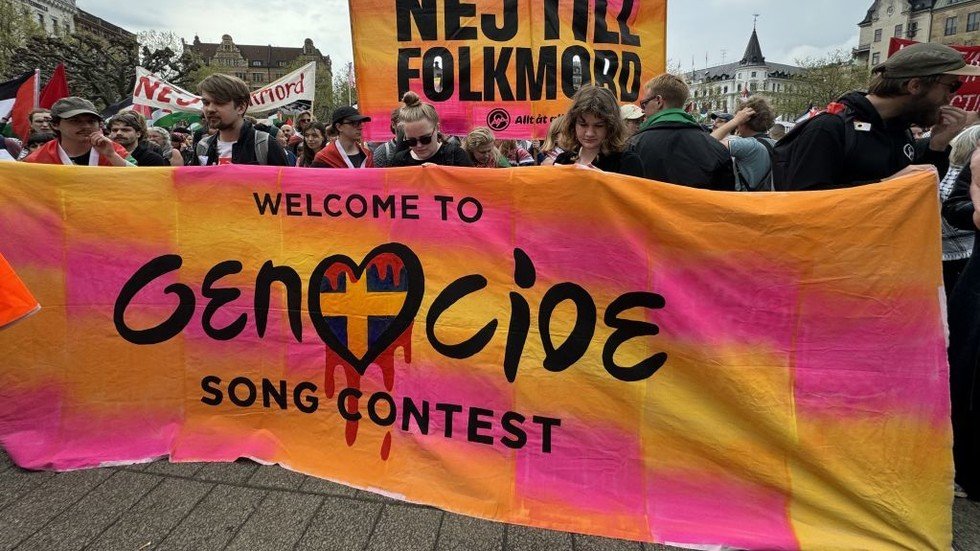
Iceland’s public broadcaster, RUV, confirmed on Wednesday that it will neither send an artist to perform in Vienna nor air the show next year. The reason? Widespread public opposition to Israel’s continued presence in the contest and a scathing critique of the European Broadcasting Union (EBU).
The EBU Under Fire: “Neither Joy nor Peace Will Prevail”
RUV’s decision is a direct challenge to the EBU’s steadfast refusal to reconsider Israel’s eligibility. The Icelandic broadcaster revealed it had urged the EBU to allow a formal vote among member nations on the issue but was flatly rejected.
“It is clear that neither joy nor peace will prevail regarding the participation of RUV in Eurovision,” the broadcaster stated, underscoring the deep discomfort felt by its audience and leadership.
This follows mounting pressure from several member networks who have urged the EBU to bar Israel over the war in Gaza and even allegations of voting manipulation in the 2025 contest.
🇪🇸 The Exodus: A Growing List of Critics
The Nordic nation’s exit is the latest blow to the contest’s credibility, following the high-profile withdrawals announced just last week:
- 🇪🇸 Spain: A significant exit, as Spain is one of the “Big Five” financial contributors to the event. Culture Minister Ernest Urtasun didn’t mince words, stating, “You can’t whitewash Israel given the genocide in Gaza.”
- 🇮🇪 Ireland: The most successful country in Eurovision history by wins.
- 🇸🇮 Slovenia & 🇳🇱 Netherlands: Both nations have also cited Israel’s participation and the EBU’s inaction as their reasons for pulling out.
The withdrawing nations are effectively arguing that culture should not be used to normalize or ‘whitewash’ political actions, especially concerning the conflict in Gaza.

China’s First Bamboo Offshore Solar Platform Could Change How We Build for Energy at Sea
For centuries, people along China’s rivers and coasts lashed bamboo together and…

Wi-Fi Routers Can Identify People with Stunning Precision (Even When Their Phones Are Off)
Researchers in Germany have warned that ordinary Wi-Fi could become a surprisingly…

THE NEW WAR propaganda MACHINE: How Jon Stewart’s Production Network Built Youtube’s Top Pro-Zelensky Narrative Channel
NEW YORK — Behind the polished graphics and high-production military analysis on…

Apple fixed first actively exploited zero-day in 2026
Apple fixed an exploited zero-day in iOS, macOS, and other devices that…
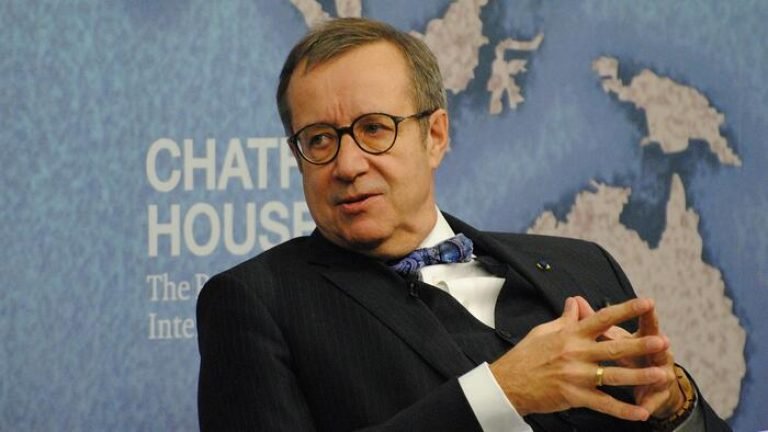
CIA Chief's Moscow Trip Was About Iran, Not A NATO Warning: Estonia's Ex-President
Speculation has abounded over the nature of CIA Director John Ratcliffe's surprise Tuesday…

French Rafales and South Korean F-35As Deepen Strategic Airpower Cooperation in the Indo-Pacific
South Korean F-35A stealth fighters trained alongside French Rafales at Cheongju Air…
Double Standards? The Russia Precedent
Critics are quick to point out a glaring inconsistency in the EBU’s policy. Since 2022, the EBU has banned Russia from Eurovision, explicitly citing the Ukraine conflict.
While the EBU insists Israel meets the contest requirements, introducing new rules to limit political influence over entries, the growing list of boycotting nations suggests these changes aren’t enough to satisfy member broadcasters or the European public.
Meanwhile, Moscow has launched its own alternative, the Intervision song competition, which debuted in September.