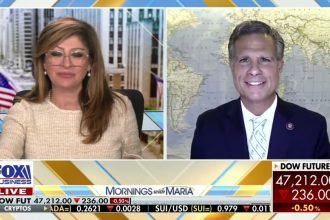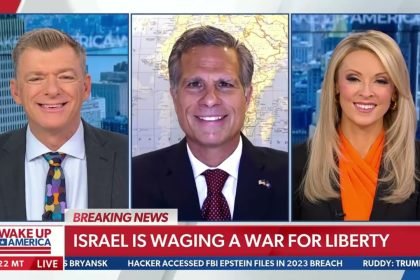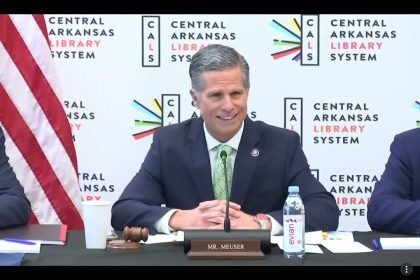







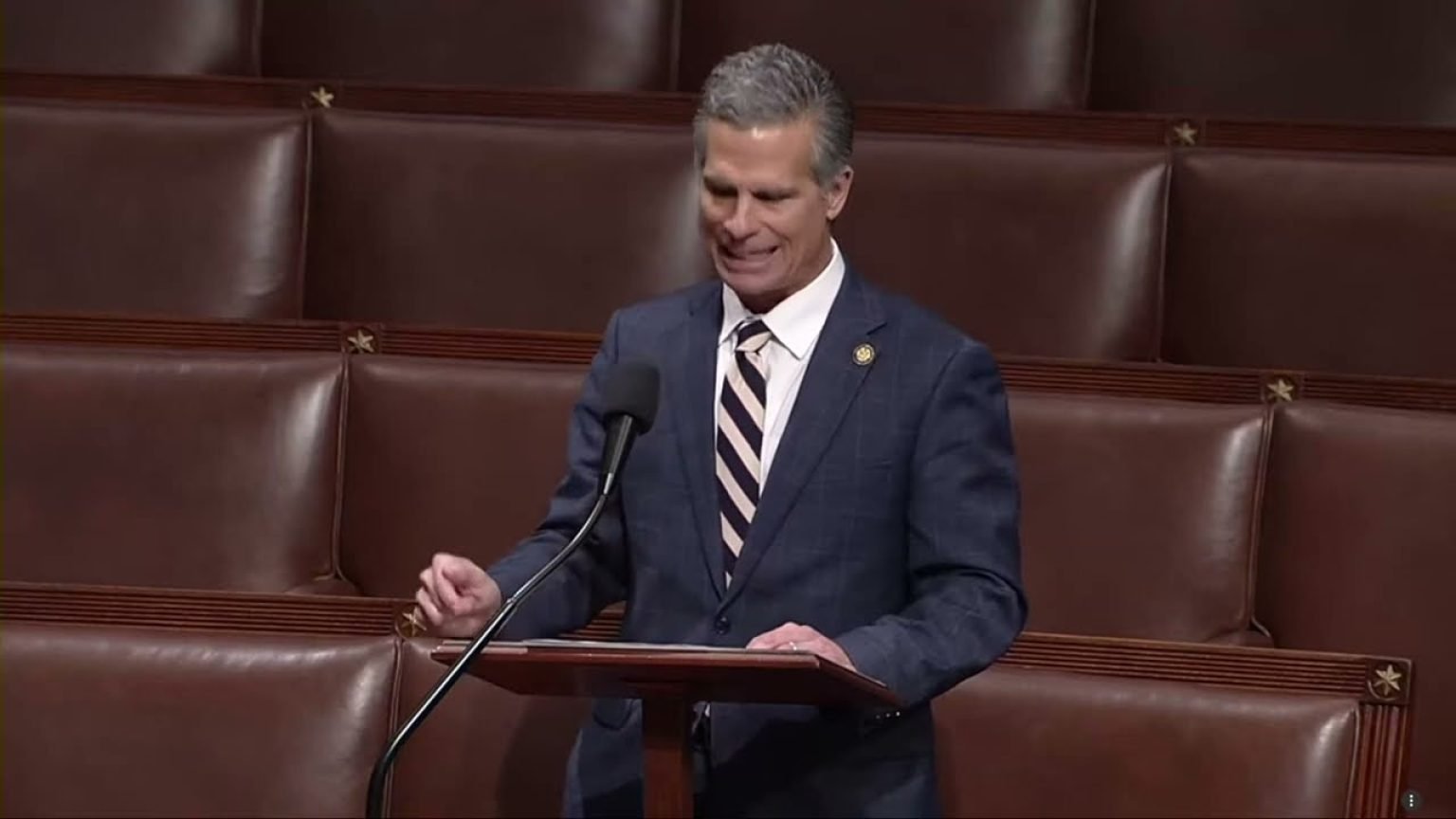
WASHINGTON — In a spirited address from the House floor, U.S. Representative Dan Meuser (R-PA) delivered a pointed defense of executive authority in foreign policy, forcefully opposing legislative efforts aimed at limiting former President Donald Trump’s war powers. The Pennsylvania lawmaker argued that restricting the commander-in-chief’s ability to act decisively on the global stage compromises national security and undermines the operational flexibility required to counter evolving international threats.
The debate highlights ongoing constitutional tensions between the legislative and executive branches over the authorization of military force. As national security remains a paramount concern in Washington, floor speeches and legislative battles over war powers continue to draw intense scrutiny from lawmakers, defense analysts, and voters alike.
The Constitutional Debate Over War Powers
At the heart of the debate is the delicate balance of authority outlined in the U.S. Constitution, which divides war powers between Congress and the president. While Article I grants Congress the explicit power to declare war and fund the military, Article II designates the president as Commander-in-Chief of the Armed Forces.
SAUDI DEFENSE PAPER TIGER: FOREIGN CONTRACTORS AND INTEL LEAKS IN YEMEN
RIYADH — As geopolitical volatility escalates across the Arabian Peninsula, Saudi Arabia’s…
South Korea’s Lee says AI appears to have been used in bank hacks
SEOUL – South Korean President Lee Jae Myung said on Tuesday that…

French Rafales and South Korean F-35As Deepen Strategic Airpower Cooperation in the Indo-Pacific
South Korean F-35A stealth fighters trained alongside French Rafales at Cheongju Air…
![Wanted: Suspect for Assault in the 9th District [VIDEO]](https://thephillypi.com/wp-content/uploads/2026/09/Wanted-Suspect-for-Assault-in-the-9th-District-VIDEO-768x512.jpg)
Wanted: Suspect for Assault in the 9th District [VIDEO]
Central Detective Division is seeking the public’s help identifying the individual seen…

Why did the variable-sweep wing survive on large aircraft?
Tu-22M and Tu-160 – from the experimental Project 145 to the Tu-160MVariable-sweep…
Mass immigration will ‘ruin’ Spain if not controlled, Trump warns
Spain will become a “ruined country” if it does not get immigration…
Representative Meuser emphasized that modern geopolitical adversaries move rapidly, requiring a commander-in-chief who can respond swiftly to crises without the procedural delays often inherent in congressional deliberations. Proponents of limiting presidential war powers, however, argue that Congress must reclaim its constitutional prerogative to authorize offensive military actions to prevent prolonged, unauthorized engagements overseas.
Congressman Meuser’s Legislative and Policy Arguments
During his floor speech, the Pennsylvania Republican underscored the practical dangers of tying the executive branch’s hands during international standoffs. Drawing on discussions surrounding federal oversight, national defense policy, and foreign adversaries, Meuser contended that legislative restrictions send a signal of disunity to foreign rivals.
- Executive Flexibility: Maintaining the ability of the president to execute swift, strategic national security maneuvers.
- Constitutional Roles: Preserving the intended balance of power during times of heightened global conflict and asymmetric warfare.
- Deterrence: Ensuring that American military strength remains resolute and unpredictable to hostile foreign actors.
Meuser’s commentary aligns closely with broader Republican platforms focused on maintaining a strong national defense posture and prioritizing robust executive leadership in foreign affairs.
Broader Implications for Congress and the Executive Branch
The legislative tug-of-war over executive war powers is a recurring theme in modern American politics. Legislative measures attempting to invoke the War Powers Resolution frequently surface whenever tensions flare in volatile regions of the world. Lawmakers continue to debate the boundaries of executive authority, often referencing official legislative trackers on Congress.gov to monitor how previous authorizations of military force are interpreted.
Furthermore, policy discussions inside committees on Capitol Hill—monitored closely through updates on House.gov—frequently examine how military oversight intersects with appropriations and defense authorization bills. As these debates persist, speeches like the one delivered by Representative Meuser serve to crystallize the conservative argument against legislative overreach in military command decisions.
Looking Ahead at Legislative Priorities
As the legislative session progresses, debates over defense spending, executive oversight, and foreign policy will remain central to Capitol Hill’s agenda. Whether addressing Middle Eastern security, countering strategic competitors like China and Russia, or managing domestic legislative checks, the friction between Congress and the White House regarding military engagement shows no signs of abating.
Representative Meuser’s outspoken stance ensures that the perspective favoring robust executive power will remain a dominant voice in the ongoing dialogue concerning America’s global role and constitutional governance.
[tags]Dan Meuser, War Powers, Donald Trump, House of Representatives, Foreign Policy, National Security, U.S. Politics, Congress[/tags]