






It’s time to stop pretending. For years, the arcade flight community has treated Project Wingman like a sacred cow, shielding it from criticism because it was the “scrappy indie alternative” to Ace Combat. But as we move into 2025, the cracks aren’t just showing, they’re canyon-sized.
The storyline is absolutely gibberish.
GamingTrend.com
What was once hailed as a triumph is now revealed for what it truly is: a repetitive, visually exhausting tech demo that leans on tropes because it lacks a soul of its own.
The “Orange Tint” Nightmare
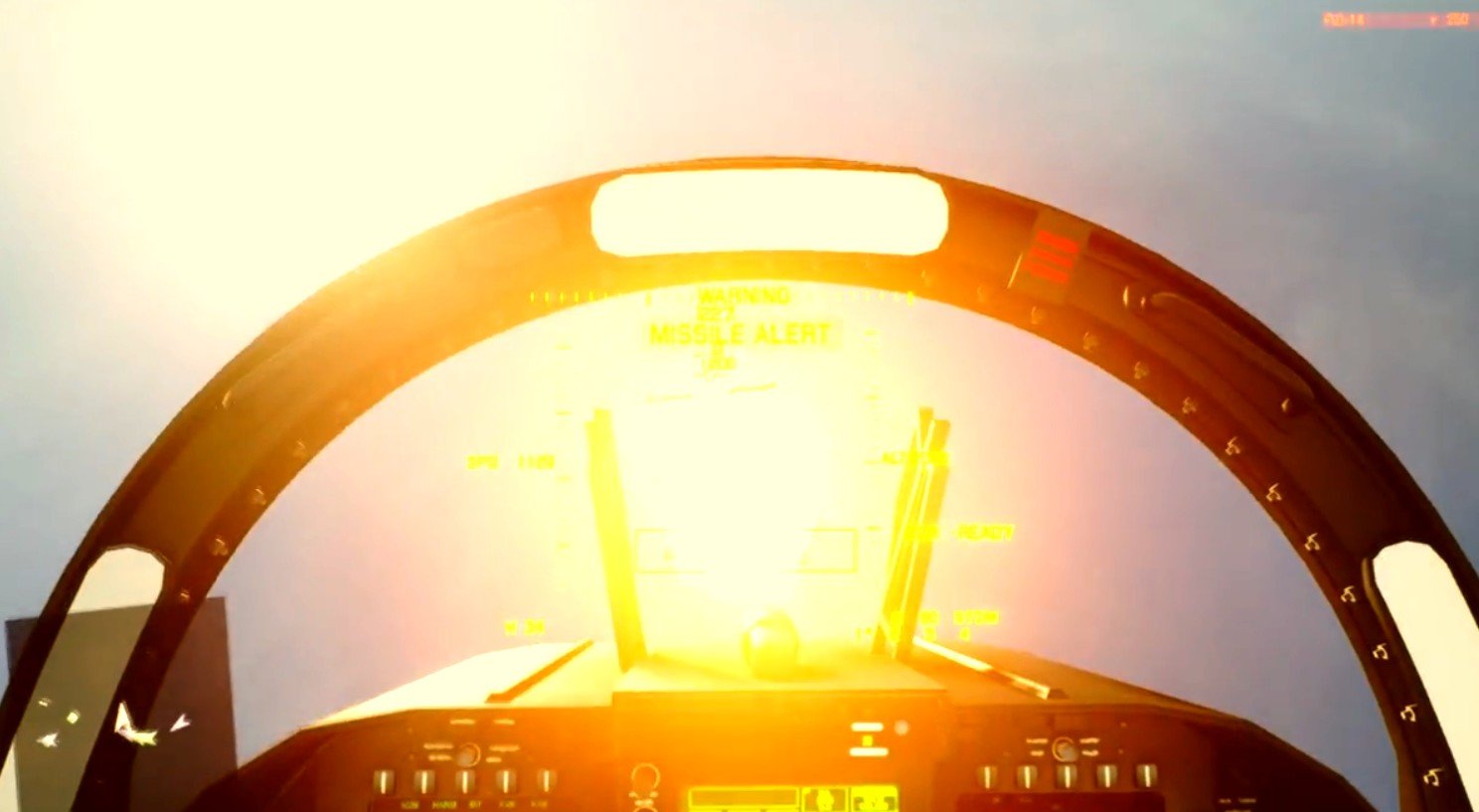
Let’s start with the most obvious offender: the visuals. Project Wingman’s art direction can be summarized in one word: unreadable. The developer’s obsession with over-saturated post-processing and “bloom-to-blindness” lighting isn’t a stylistic choice; it feels like a mask for lackluster environmental detail.
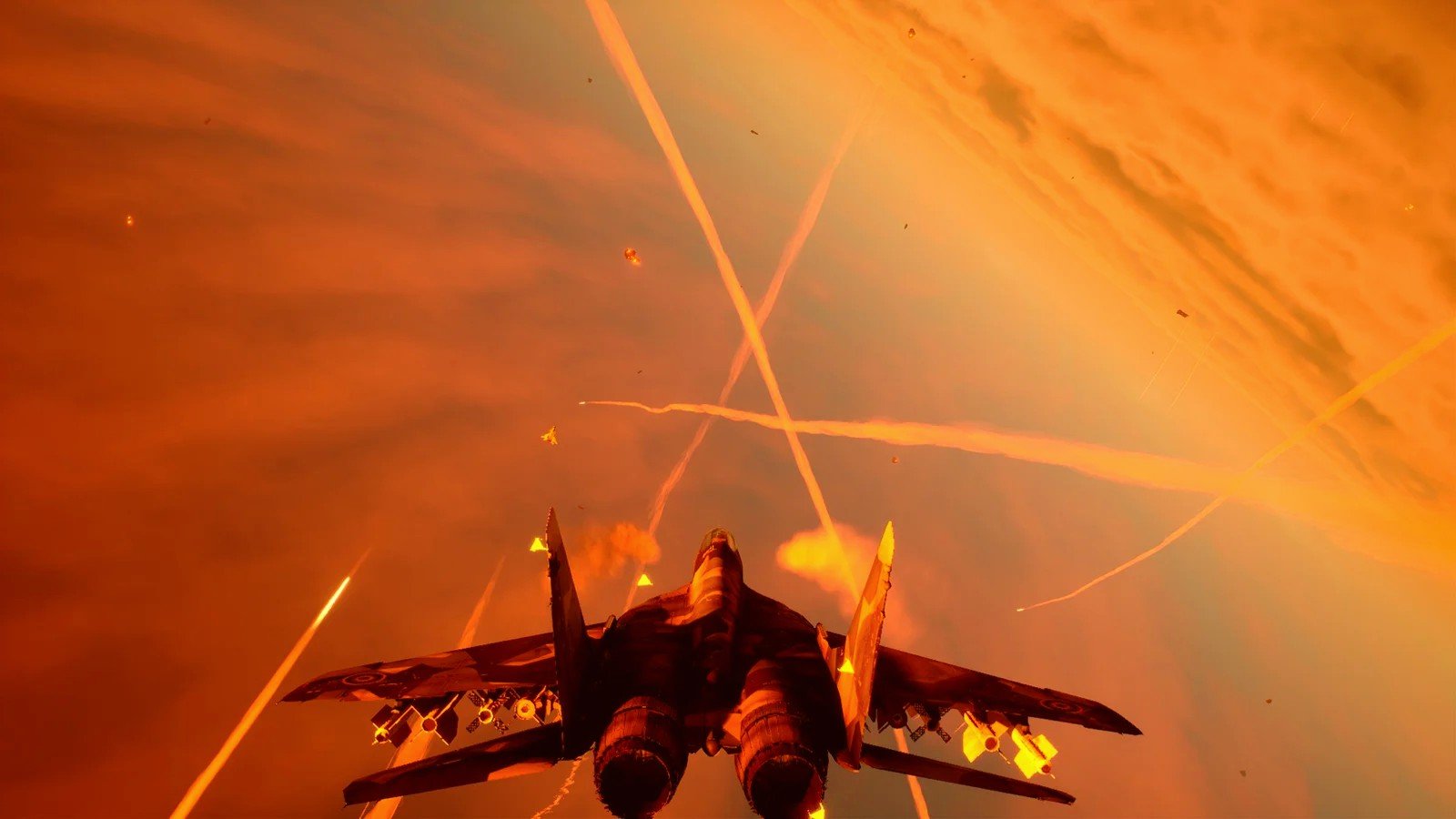
By the time you hit the final act, the screen is so choked with aggressive orange filters that the UI—the only thing actually telling you where the enemies are—becomes the only “gameplay” you’re experiencing. It’s not atmospheric; it’s a migraine-inducing design failure that prioritizes “vibe” over the basic ability to see your target.

'Our Military Is Helpless': Migrant Ambush Targeting Military Vehicles In Ceuta Was Pre-Planned, Police Claim
Via Remix News,The attack targeting a military patrol in the Benzú area…

Cops Raid Home of Rep. Ilhan Omar’s Son, Seizing Firearms and Ammunition
MINNEAPOLIS — Police executed a search warrant at a downtown Minneapolis apartment…
Is Hayden Christensen Returning for a Standalone Darth Vader Movie? What We Know About the Multi-Picture Rumors
Social media is ablaze with chatter that Hayden Christensen is reportedly in…
Notepad++ patches flaw used to hijack update system
Notepad++ patched a vulnerability that attackers used to hijack its update system…
Google: state-backed hackers exploit Gemini AI for cyber recon and attacks
Google says nation-state actors used Gemini AI for reconnaissance and attack support…

Leaked Pentagon Document Reveals Senior Military Leaders Warning Defense Secretary Hegseth Over Unsustainable Iran War
WASHINGTON — High-level internal dissent within the Pentagon has spilled into the…
Repetitive gameplay and a story that’s difficult to understand… doesn’t feel exhilarating enough.
IGN Japan
Mission Bloat: The Forty-Minute Fatigue
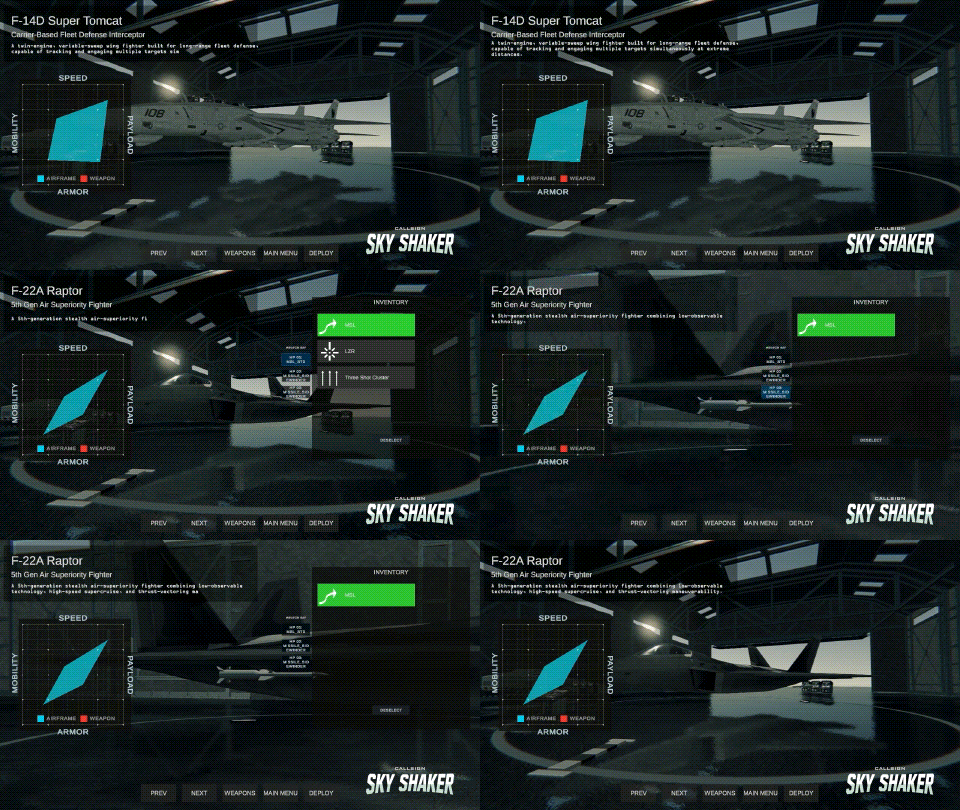
While modern titles like Callsign: Sky Shaker are pivoting toward surgical strikes, Project Wingman remains trapped in the “more is better” trap of the late 2010s.
Missions in Wingman don’t challenge you; they exhaust you. You’re forced into forty-minute marathons of clearing endless waves of identical AI drones. It’s a mindless “wave-defense” slog masquerading as a campaign. There is no tactical depth to killing the 50th generic interceptor in a single mission, it’s just busywork designed to pad out a game that doesn’t have enough mechanical variety to justify its own length.
The Narrative Nosedive: Tropes, Plot Holes, and the Writing of Matthew “FlyAwayNow” Nguyen
If the “orange-tinted” visuals are a migraine for the eyes, the narrative of Project Wingman is a migraine for the intellect. While fans of the genre are used to a certain level of melodrama, the story penned by lead writer Matthew “FlyAwayNow” Nguyen doesn’t just lean on tropes, it uses them as a structural crutch to hide a fundamentally hollow world.
Feels like a “fan game” lacking its own unique identity.
IGN
1. The “Monarch” Problem: A Void Where a Hero Should Be
Nguyen’s script falls into the most tired trap in the genre: the silent protagonist that adds nothing to the room. While silence can work for immersion, Project Wingman provides zero personal stakes or character growth. You aren’t a legendary ace; you’re a cardboard cutout being moved from point A to point B. Compared to the lore-heavy “build in public” approach of newer projects, where the world responds to the player’s presence, Monarch feels like a ghost in his own game.
2. Dialogue That Tries Too Hard
The radio chatter (a staple of the genre) is where Nguyen’s writing truly falters. The dialogue often swings wildly between military jargon that goes nowhere and “philosophical” musings that feel like they were lifted from a teenage angst forum.
- The Critique: Reviewers at outlets like TechRaptor noted that the story is ultimately “forgettable,” largely because the characters never transcend their archetypes.
- The Result: You have a mercenary wingman, a mysterious handler, and a villain who monologues about borders, it’s a “Greatest Hits” cover band performance that lacks the soul of the original.
I was left feeling scammed then gaslit into thinking my feelings were not legitimate.
ThePhillyPI
3. The “Calamity” of Plot Holes

The world-building, centered around a post-apocalyptic “Calamity,” is riddled with “don’t-think-about-it” logic. The geopolitical motivations of the Federation and Cascadia are so poorly defined that by the time you reach the “absolutely awful” ending (as described by PC Invasion), the stakes have completely evaporated.
- The Lore Gap: Why is the Federation evil? “Because they are.”
- The Pacing Problem: Important plot points are often buried in mission briefings that players skip, or shouted over the sound of explosions in a way that makes the “world-ending” stakes feel trivial.
4. Tropes as a Narrative Shield
Matthew Nguyen’s writing relies heavily on the “Mercenary” trope to bypass actual character development. By making everyone a mercenary, the script avoids having to write complex political motivations or moral dilemmas. It’s the “easy way out” for a writer who doesn’t want to engage with the actual consequences of a world-ending conflict.
Absolutely awful ending to the story campaign.
PC Invasion
Tropes as a Crutch
The narrative of Project Wingman is a collection of “Greatest Hits” from better games. The silent protagonist, the “merc with a heart of gold,” the secondary-character chatter that tries, and fails, to capture the operatic drama of Ace Combat—it’s all there.
Critics and players alike have pointed out that the writing feels less like a cohesive script and more like a checklist of “things that happened in Ace Combat.
But without the world-building to back it up, it feels hollow. The “Federation” is a cardboard cutout of a villain, and the lore is so thin it practically evaporates the moment the radio chatter stops. When compared to the “build-in-public” lore of rising indie titles that actually attempt to integrate narrative with gameplay, Wingman feels like a fan-fiction project that accidentally got a budget.
“Floaty” Physics and the Rails Problem
If you strip away the explosions, the actual flight model in Project Wingman is embarrassingly thin. The aircraft lack weight, inertia, and any sense of physical presence in the sky. It’s “jets on rails”—a simplified, floaty movement system that removes the tension of energy management.
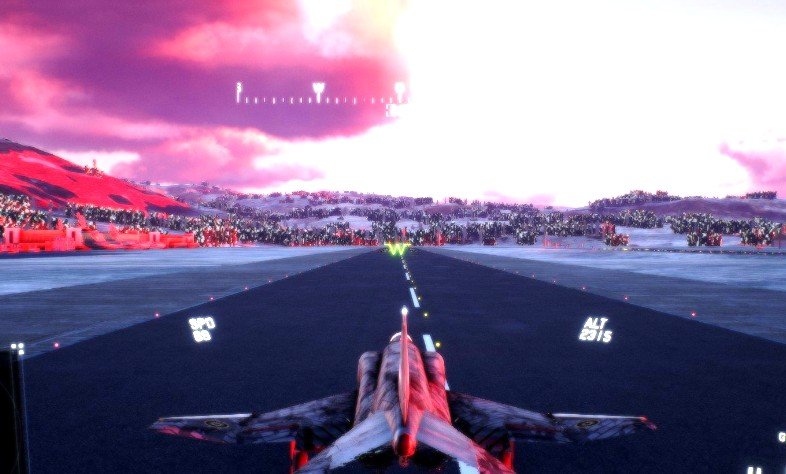
Newer developers are proving that you can have arcade fun and weighty physics (like the custom inertia systems seen in Sky Shaker). Project Wingman, however, seems content to let you drift through the sky like a paper airplane, removing any sense of accomplishment from a successful dogfight.
Lack of mission variety and overwhelming visual clutter in late-game stages.
– PC Gamer
The Hard Truth: Project Wingman was a necessary stepping stone for indie devs to learn how not to make Flight Combat games. It’s a game defined by its flaws—visual clutter, narrative laziness, and mechanical stagnation. The community deserves better than a recycled past; it deserves the refined, focused future that new indie projects are finally delivering.
GAME RATING
| Publication | Rating | Comment |
| ThePhillyPI | 2.0 / 10 | “I was left feeling scammed then gaslit into thinking my feelings were not legitimate.” |
| TechRaptor | 6.5 / 10 | “Extremely repetitive mission structure… maybe a little too close to its inspiration.” |
| PC Gamer | 40 / 100 | Pointed out the lack of mission variety and the overwhelming visual clutter in late-game stages. |
| IGN | 5.0 / 10 | Noted that while the combat is functional, it feels like a “fan game” lacking its own unique identity. |
| TechRaptor | 6.5 / 10 | “Extremely repetitive… a blatant flattery [imitation] that never manages to be better than a fan game.” |
| IGN Japan | 5 / 10 | “Repetitive gameplay and a story that’s difficult to understand… doesn’t feel exhilarating enough.” |
| The Indie Game Website | 5 / 10 | “Rinse and repeat, over and over and over… I found this somewhat tedious.” |
| Screen Rant | 3.5 / 5 | “Lack of innovation, quiet audio, and a somewhat wonky UI.” |
| PC Invasion | 5 / 10 | Criticized the “dearth of plane choices” and an “absolutely awful” ending to the story campaign. |
The Hard Truth: Project Wingman was a necessary stepping stone, but it’s no longer the gold standard. It’s a game defined by its flaws, visual clutter, narrative laziness, and mechanical stagnation. As TechRaptor concluded, it never manages to be more than just a “fan game.” The community deserves better than a recycled past; it deserves a refined, focused future.
Is it time to uninstall the orange-tinted simulator? Or are you still holding on to the nostalgia of 2020? Let us know in the comments.