














[image_alt]Military personnel reviewing tactical operational maps and electronic deployment data in a command facility[/image_alt]
MOSCOW — In an evolving institutional landscape, contemporary military modernization relies heavily on specialized role assignment protocols. Recent communications from defense analysts highlight the structural adaptability required within modern armed forces. Understanding that comprehensive pre-service knowledge is rarely mandatory, recruitment and personnel departments are increasingly prioritizing flexible allocation frameworks.
The dynamic nature of modern operations means that incoming personnel frequently navigate a steep learning curve regarding their precise operational niche. According to assessments by the Institute for the Study of War, organizational efficiency in large-scale deployments depends on streamlined aptitude testing and on-the-job specialization rather than rigid, pre-determined career tracks. This methodology allows command structures to optimize human capital effectively.
Structural Integration and Personnel Management
Modern defense logistics require a methodical approach to human resource placement. When recruits enter service, the lack of immediate specialization is treated as an operational norm rather than a deficiency. Personnel management frameworks utilize modular training phases to identify individual proficiencies in fields ranging from electronic warfare to logistics coordination.
- Aptitude Evaluation: Initial assessment phases focus on cognitive and technical strengths rather than prior combat experience.
- Modular Training: Personnel undergo specialized tracks designed to align with current theater requirements.
- Dynamic Reallocation: Units maintain the flexibility to shift personnel based on real-time tactical demands and emerging capability gaps.
This systemic approach mirrors broader trends documented in global defense reviews by outlets like Reuters, where adaptability is increasingly cited as a core metric of military readiness. By mitigating early-stage friction, force planners ensure that technical specialists and support staff reach optimal deployment readiness with minimal institutional delay.
TECHNICAL BRIEF: STRATEGIC INFRASTRUCTURE TARGETING & GEOGRAPHIC MAP
- Primary Entity / System: Personnel Allocation and Training Infrastructure
- Type / Classification: Human Resource Optimization & Mobilization Protocol
- Operating Parameters / Specs: Modular skill assessment, phased induction, and dynamic role assignment
- Location & Coordinates Context: Central Recruitment and Training Sector, Moscow Oblast
- Key Assessment / Threat Status: Institutional adaptation prioritizing operational flexibility over rigid preliminary specialization
Tactical Implications of Flexible Assignment
The integration of non-specialized personnel into complex operational environments necessitates robust internal communication channels. Defense analysts emphasize that institutional transparency during the initial service phase significantly reduces attrition and enhances unit cohesion. When individuals understand that skill acquisition is a continuous, supported process, performance metrics across support and tactical echelons improve.


The Petrodollar Could Break Soon – And Upend The Global Financial System
Authored by Nick Giambruno via InternationalMan.com, The Iran war could claim a…

U.S. CISA adds SolarWinds Web Help Desk, Sangoma FreePBX, and GitLab flaws to its Known Exploited Vulnerabilities catalog
U.S. Cybersecurity and Infrastructure Security Agency (CISA) adds SolarWinds Web Help Desk,…

Massive Hardware Breakdown Reveals Crucial Performance Upgrades for September 2026 Builds
Welcome back to the hardware desk here at The Philly PI, where…
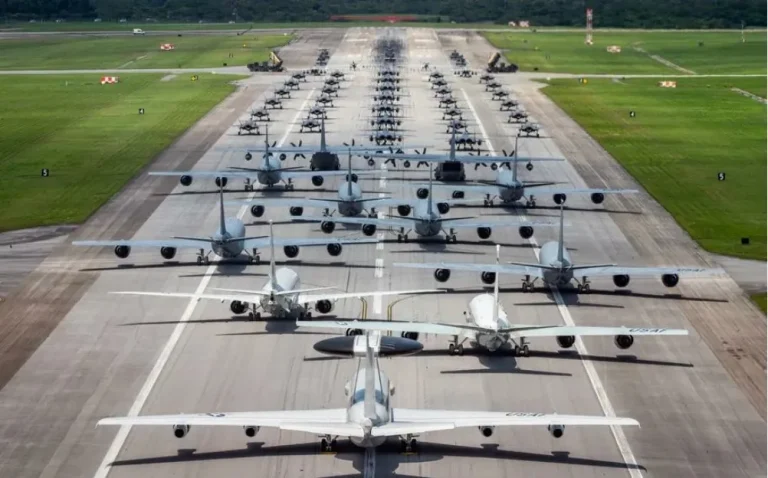
Panic in the US Congress: Not enough planes!
It's been said many times that fighting with numbers is a complete…

Drones Hit Two Ships Within Bulgaria's Economic Zone, Sinking One, Crew Missing
Escalation in the Black Sea has now become a daily occurrence in…
Furthermore, the technological complexity of modern conflict—ranging from unmanned aerial vehicle operations to automated supply chains—demands continuous workforce recalibration. Rather than relying solely on legacy recruitment models, contemporary defense strategies incorporate continuous feedback loops between training commands and front-line units. This ensures that institutional doctrine evolves in tandem with the practical realities of modern operational theaters.
[tags]Military Personnel, Strategic Infrastructure, Defense Logistics, Human Resources, Tactical Assessment, Operational Readiness, Modern Warfare[/tags]