







The New Architecture of Digital Finance
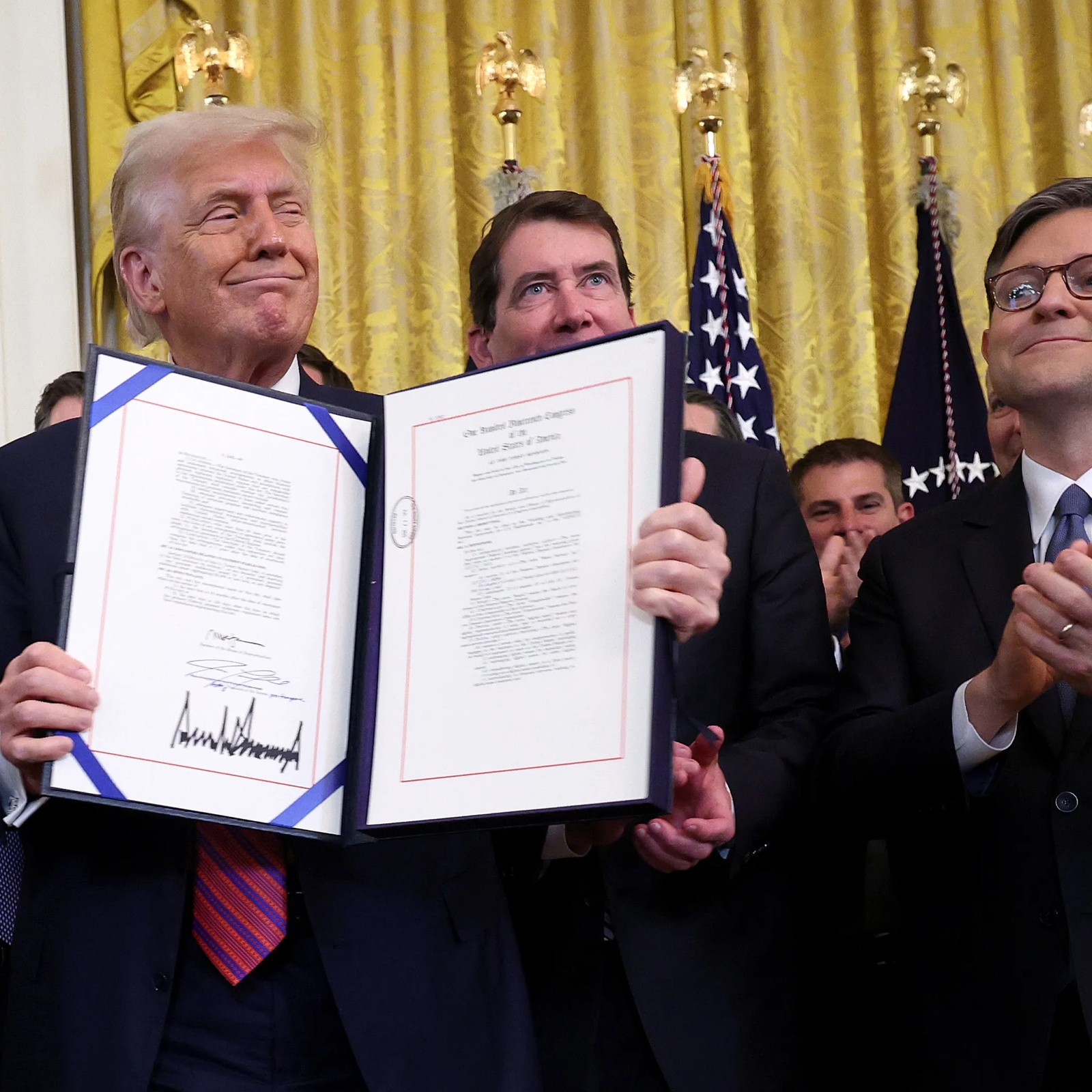
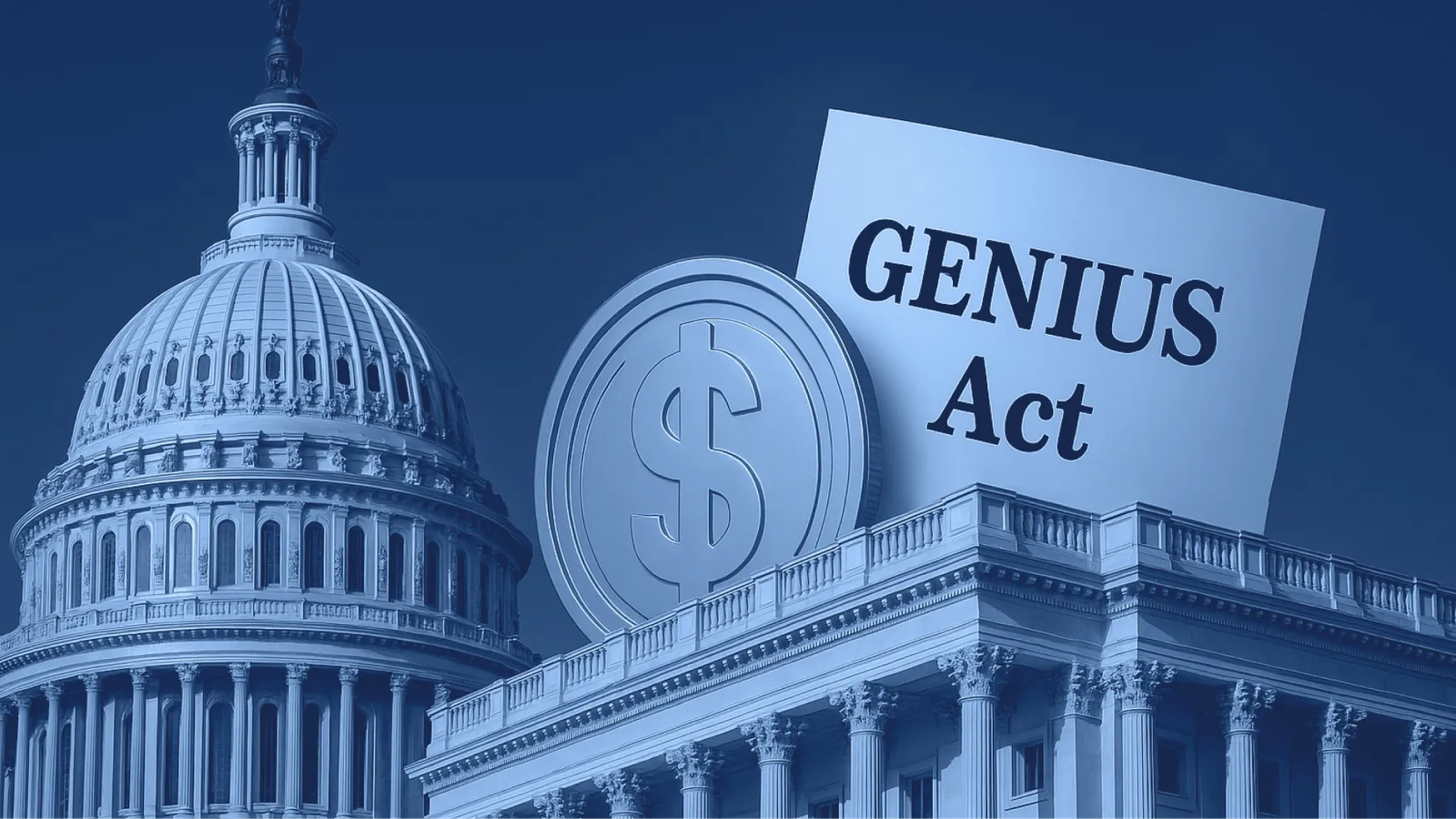
With the enactment of the Guiding and Establishing National Innovation for U.S. Stablecoins (GENIUS) Act (S. 1582), the United States established its first federal regulatory framework for payment stablecoins. Designed to standardize digital assets pegged 1:1 with the U.S. dollar, the statute brings structure to a multi-billion-dollar shadow banking sector while formally embedding digital stablecoins into the federal financial plumbing.
For proponents, the landmark legislation cements American financial dominance in digital assets. For critics, it institutionalizes systemic risk, limits regulatory enforcement power, and highlights unprecedented conflicts of interest at the highest levels of U.S. economic policy.
At the centerpiece of this legislative debate stands Howard Lutnick, the U.S. Secretary of Commerce whose former investment firm, Cantor Fitzgerald, sits at the direct nexus of the global stablecoin market.
Core Provisions: What the GENIUS Act Changes
The GENIUS Act removes stablecoins from the ambiguous oversight of the Securities and Exchange Commission (SEC) and the Commodity Futures Trading Commission (CFTC), reclassifying compliant payment stablecoins outside traditional security or commodity definitions.
Trump Stuns By Outright Dismissing Notion Putin Preparing To Attack A NATO State
President Trump has added fuel to the fire of controversy and speculation…

European Commission probes cyberattack on mobile device management system
The European Commission is investigating a cyberattack after detecting signs that its…

Here’s a New EDC Adjustable Wrench Multi-Tool for Your Collection
EDC tool fans, here’s another mini tool for your collection – a…
Mass immigration will ‘ruin’ Spain if not controlled, Trump warns
Spain will become a “ruined country” if it does not get immigration…
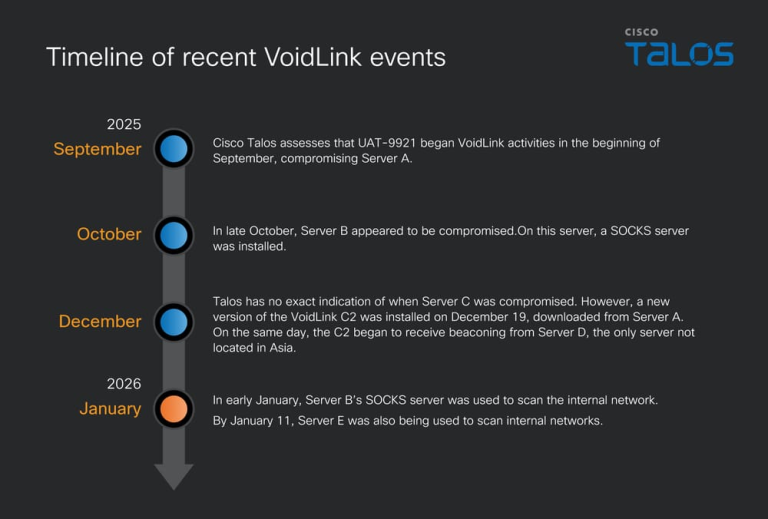
New threat actor UAT-9921 deploys VoidLink against enterprise sectors
A new threat actor, UAT-9921, uses the modular VoidLink framework to target…
![Wanted: Suspect for Theft of a Dog in the 35th District [UPDATE]](https://thephillypi.com/wp-content/uploads/2026/09/Wanted-Suspect-for-Theft-of-a-Dog-in-the-35th-768x512.jpg)
Wanted: Suspect for Theft of a Dog in the 35th District [UPDATE]
***THE VICTIM’S DOG HAS BEEN RETURNED BY A GOOD SAMARITAN AND THIS…
========================================================================================
                          THE GENIUS ACT: CORE LEGISLATIVE STATS
========================================================================================
  • Primary Reserve Mandate  | 100% backed 1:1 by Cash, U.S. Treasuries, or Liquid Assets
  • Oversight Threshold      | Federal oversight (OCC/Fed) for issuers > $10 Billion
  • Yield Prohibition        | Complete ban on issuers paying interest on idle tokens
  • Liquidation Priority     | Token holders granted priority claim in issuer bankruptcy
  • Regulatory Exemption    | Explicit carveouts from SEC and CFTC jurisdiction
========================================================================================
By mandating that reserve assets consist exclusively of cash and short-term U.S. Treasury bills, the GENIUS Act establishes stablecoins as a major institutional buyer of sovereign U.S. debt. Proponents argue this framework undergirds the U.S. dollar’s global reserve status by creating persistent international demand for short-dated Treasury paper.
The Howard Lutnick Connection: Commerce, Tether, and Cantor Fitzgerald

The connection between the GENIUS Act and Commerce Secretary Howard Lutnick stems from Cantor Fitzgerald’s role as the primary custodian and financial engine behind Tether (USD₮)—the world’s largest stablecoin issuer.
During his tenure leading Cantor Fitzgerald, Lutnick brought the wall-street brokerage into the center of crypto finance by managing the bulk of Tether’s multi-billion-dollar U.S. Treasury reserve portfolio. Cantor provided critical custodial services, working capital financing, and backing for Bitcoin-focused ventures alongside Tether.
+--------------------------------------------------------------------------------------+
|                     LUTNICK, CANTOR FITZGERALD & TETHER NEXUS                       |
+--------------------------------------------------------------------------------------+
|  • Treasury Reserve Management | Cantor Fitzgerald manages tens of billions in T-bills|
|                                | for stablecoin giant Tether.                        |
|  • Equity & Debt Exposure      | Reports indicate Cantor acquired a ~5% equity stake  |
|                                | in Tether alongside hybrid debt financing.           |
|  • Policy Execution            | As Commerce Secretary, Lutnick champions legislative|
|                                | frameworks that drive Treasury demand via tokens.  |
|  • Governance Transfer         | Divestment transferred ownership and control to family|
|                                | members, sparking ongoing conflict-of-interest debates.|
+--------------------------------------------------------------------------------------+
Because the GENIUS Act enforces strict 1:1 Treasury backing for foreign and domestic issuers wishing to access U.S. markets, custodians capable of handling massive Treasury volume—like Cantor Fitzgerald—occupy an indispensable role in maintaining market liquidity.
Key Controversies & Strategic Trade-offs
While the legislation offers long-awaited regulatory clarity for digital asset markets, it has drawn sharp opposition regarding market structure and executive conflict:
- Ethics and Divestment Concerns: Opponents in Congress argued that Lutnick’s divestment strategy—transferring operational control and ownership of Cantor Fitzgerald assets to immediate family members—failed to remove financial exposure to Tether’s regulatory expansion.
- Foreign Issuer Compliance: Critics contend the bill’s provisions allow offshore issuers like Tether to market tokens to U.S. buyers without fully subjecting parent entities to comprehensive Anti-Money Laundering (AML) and federal chartering standards.
- Resolution and Insolvency Risks: Unlike traditional banking institutions backed by FDIC resolution protocols, stablecoin issuers failing under the GENIUS Act rely on specialized bankruptcy proceedings rather than immediate liquidity guarantees for retail holders.
Global Implications
The GENIUS Act marks a structural shift in national economic strategy, explicitly pairing digital asset regulation with federal debt management. By institutionalizing stablecoin reserves into the U.S. Treasury market, the federal government has created a legal pathway for private digital dollars to circulate globally—placing key market facilitators like Howard Lutnick and major financial custodians at the center of 21st-century monetary policy.