






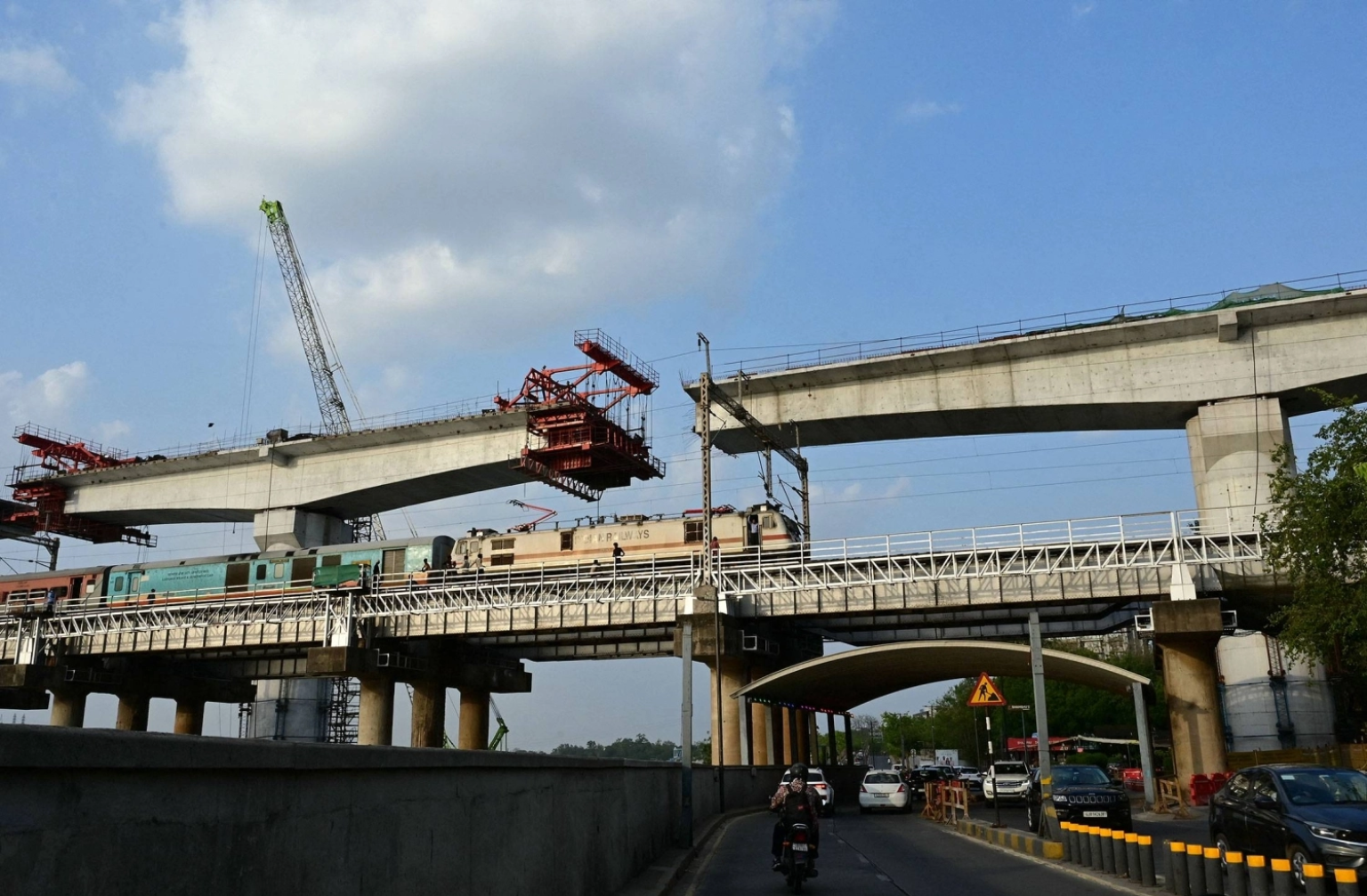
TOKYO / NEW DELHI — The high-stakes $15 billion flagship mega-project designed to bring Japan’s world-famous Shinkansen bullet train technology to India has descended into a bitter public feud. A former Japanese minister has publicly accused Indian authorities of bad-faith negotiations, broken commitments, and self-serving delays—exposing deep rifts between Tokyo financiers and New Delhi officials over the flagship Mumbai-Ahmedabad High-Speed Rail corridor.
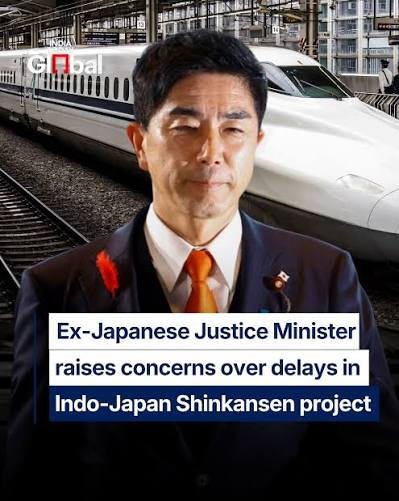
The public fallout reached a boiling point after Japanese political figures blasted Indian project management for repeatedly shifting parameters, leading to years of missed deadlines and forcing India to attempt assembling an improvised “hybrid” transit system instead of a pure Japanese-engineered line.
“They Just Don’t Keep Promises”: Tokyo Official Unleashes on Project Leadership
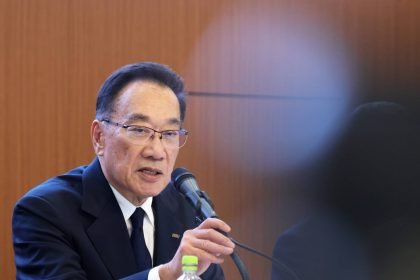
The controversy erupted after former Japanese minister Ryosei Makihara delivered a blistering critique targeting the Indian ministry overseeing the joint project. Japan had agreed to fund roughly 81% of the project through low-interest development loans totaling hundreds of billions of yen ($2.7 billion in recent tranches alone) alongside transferring proprietary Shinkansen technology.
However, Japanese officials allege that Indian negotiators continually moved goalposts, tried to alter core technical agreements, and pushed to exclude Japanese firms from key operational systems like signaling and train control.

Idaho daycare must allow parents to opt out of vaccines, court rules
A federal court upheld the rights of parents to decline vaccines for…

Uprising In Ceuta: Locals Have Had Enough Of Migrant Invasion
Authored by Steve Watson via Modernity News,In the complete absence of any…

The ‘Russian Bounties’ Hoax: The Fake News Story That Promoted Michael Schwirtz to the Top
In June 2020, The New York Times delivered what appeared to be…

Earth Microbes Could Survive on the Moon’s Poles for Weeks and NASA Scientists Are Worried
The next astronauts to walk near the Moon’s south pole will bring…

THE DEAD MMORPG SURVIVOR: How Dragon Nest Transformed Fast-Paced Action Combat—And Why Fans Refuse to Let It Die
LOS ANGELES, CA — Long before modern action RPGs dominated mainstream gaming…

Microsoft Patch Tuesday security updates for February 2026 fix six actively exploited zero-days
Microsoft Patch Tuesday security updates for February 2026 fix six actively exploited…
“They just don’t keep promises, no matter what. Even if they make a promise, they flip it right away,” Makihara wrote, slamming Indian leadership for “pushing their own self-interest right up to the very end” and creating an environment where “there’s no way to have any decent dealings.”
====================================================================
           MUMBAI-AHMEDABAD HIGH-SPEED RAILWAY: PROJECT PROFILE
====================================================================
  • Total Budget       | ~$15 Billion (81% Funded by Japanese Loans)
  • Initial Target     | Operational by 2023 (Now Delayed to 2027+)
  • Core Technology    | Japanese E5/E10 Shinkansen Series
  • Core Disputes      | Signaling compatibility, train procurement, & delays
  • Current Status     | India deploying "indigenous" stopgap trains till 2030s
====================================================================
The “Frankenstein” Signaling Clash: European vs. Japanese Systems
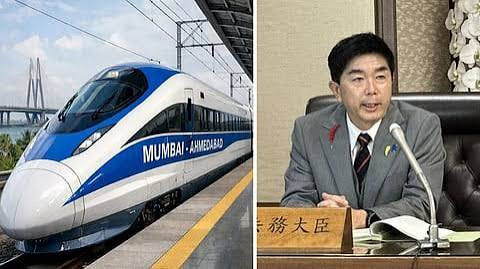
At the heart of the standoff is a fierce technical dispute over rolling stock and signaling infrastructure. While Japan’s Shinkansen system relies on an integrated, ultra-secure proprietary architecture where trains, tracks, and signals are built to operate as a single unit, Indian officials attempted to blend European-style signaling networks and domestic train cars onto the Japanese-funded tracks.
With Japanese manufacturing giants like Hitachi and Kawasaki Heavy Industries delaying commitments due to procurement disagreements and modified safety specs, India announced it will run domestically built “indigenous” trains as a stopgap measure for the initial 2027 stretch.
+-------------------------------------------------------------------+
|               INFRASTRUCTURE STANDOFF BY THE NUMBERS             |
+-------------------------------------------------------------------+
|  • Original Launch  | 2023 target completely missed               |
|  • Japanese E10     | Not expected to arrive until early 2030s    |
|  • Stopgap Phase    | Indian-made BEML trains operating at 250 km/h|
|  • Track Length     | 508 km connecting 10 major cities           |
+-------------------------------------------------------------------+
New Delhi Fires Back as Diplomatic Rift Widens
India’s Ministry of External Affairs (MEA) and Ministry of Railways hit back against Tokyo’s criticism, dismissing the claims as “at variance with facts.” Indian officials maintained that discussions remain on track and argued that using domestic rolling stock for the initial 2027 trial section in Gujarat is a necessary step while Japan finishes developing its next-generation E10 Shinkansen series for the 2030s.
Despite official statements attempting to smooth over the row, railway experts note that mixing international signaling systems with foreign rail technology poses severe operational risks. As the project navigates escalating costs, missing supply chains, and political friction, the clash stands as a cautionary tale of cross-border infrastructure deals gone sideways.