






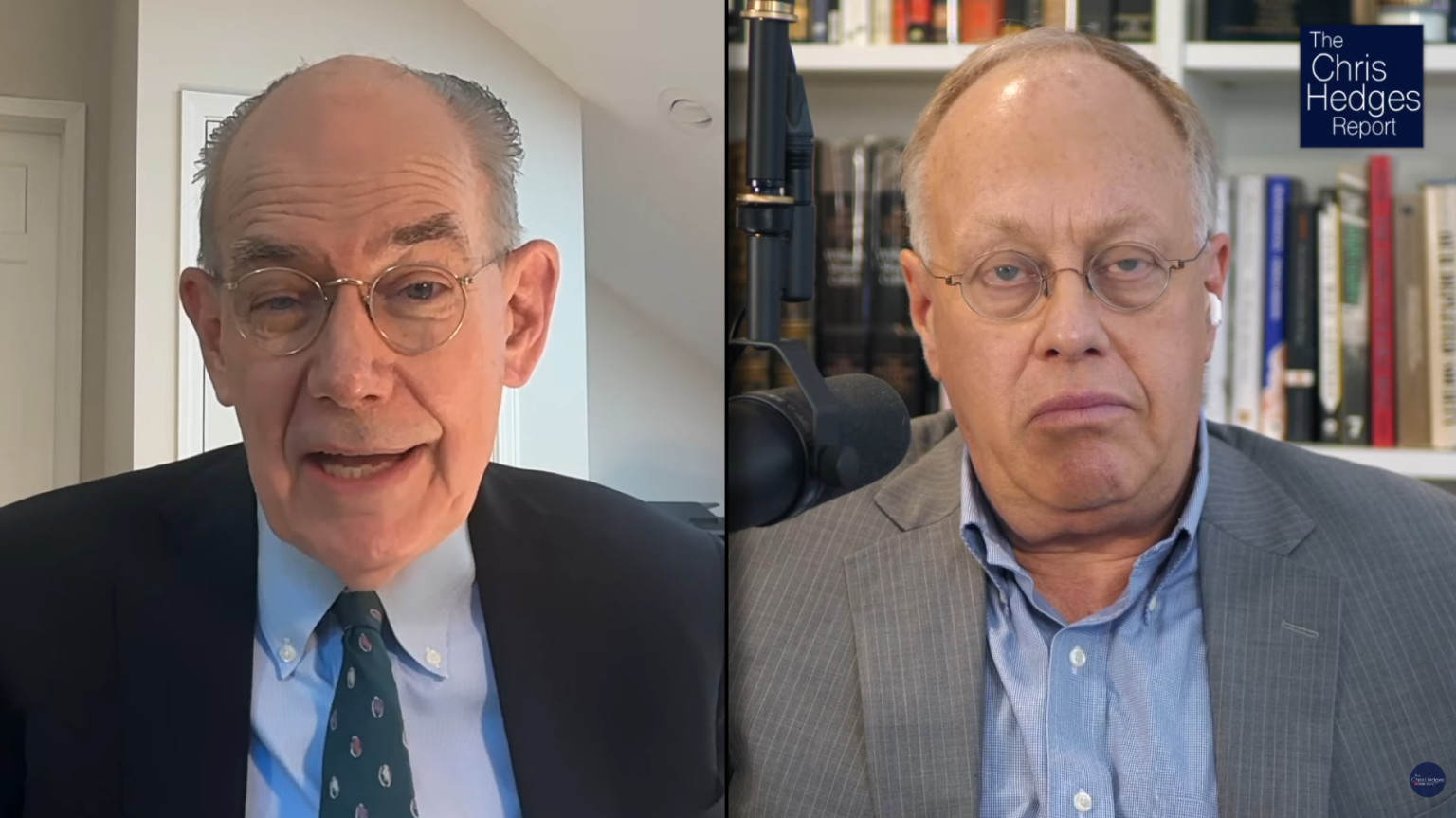
WASHINGTON — In the wake of Treasury Secretary Scott Bessent’s announcement of “Operation Economic Outcast”—a sweeping financial campaign aimed at strangling Iran’s global revenue streams—renowned political scientist John Mearsheimer argues that the United States is running out of options.
Characterizing the Trump administration’s move as an act of desperation, Mearsheimer, a professor of political science at the University of Chicago and author of The Tragedy of Great Power Politics, warns that the strategy is unlikely to succeed and marks the culmination of a historic strategic miscalculation.
“A Lousy Strategy” Born of Desperation
Speaking in an interview on the current state of the U.S.–Iran conflict, Mearsheimer dismissed the Treasury Department’s new secondary sanctions campaign as a late-stage gamble rather than a thought-out grand strategy.
“What’s happening here with the Bessent strategy or the policy designed to strangle Iran economically is that they’re throwing a Hail Mary pass,” Mearsheimer said. “If this were a good strategy, they would have done it a long time ago. Obviously, the reason that they’re finally getting around to this strategy is that it’s a lousy strategy and there’s hardly any chance it’s going to work.”

From Competitive Ballroom to Digital Stardom: The Evolution of Emily Dobson
Emily Dobson has emerged as one of Generation Z’s most versatile creators.…
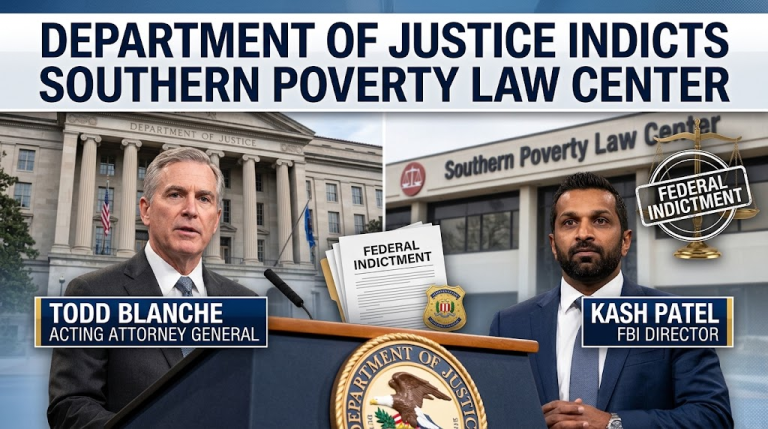
Department of Justice Indicts Southern Poverty Law Center on Federal Fraud Charges
In a major federal enforcement action, Acting Attorney General Todd Blanche, alongside…

Wendy’s Announces ‘Wendy’ Has Been Quietly ‘Replaced’ by Newer, Shorter Wendy
DUBLIN, OH — In a major rebranding move, Wendy’s International announced Friday…

Luxury hotel stays for just €0.01. Spanish police arrest hacker
Spanish police arrested a 20-year-old hacker accused of booking luxury hotel rooms…

Architect of Empire, Harbinger of Famine: The Legacy of Sir Charles Trevelyan
Sir Charles Edward Trevelyan, 1st Baronet (1807–1886) stands as one of the…

VS Code extensions with 125M+ installs expose users to cyberattacks
Four popular VS Code extensions with 125M+ installs have flaws that could…
                     KEY ELEMENTS OF OPERATION ECONOMIC OUTCAST
┌───────────────────────────────────────────────────────────────────────────────────┐
│ • Targeting 60+ global entities, vessels, and individuals (UAE, HK, China, etc.)   │
│ • Mandating foreign nations choose between trade with the U.S. or Iran            │
│ • Threatening secondary penalties against nations continuing Iranian trade        │
│ • Seeking to cut off remaining Iranian petroleum exports and third-party networks │
└───────────────────────────────────────────────────────────────────────────────────┘
Mearsheimer highlighted two fundamental obstacles rendering the sanctions strategy ineffective:
- Lack of Global Compliance: Major powers like China—which imports approximately 90% of Iran’s oil—and Russia have no incentive to assist U.S. economic pressure campaigns. Furthermore, key regional economic hubs such as the United Arab Emirates (UAE), Turkey, and Pakistan face immense risks. “The Iranians have told the UAE that if the UAE cooperates with Bessent and cuts off all economic intercourse with Iran, what Iran will do is it will attack the UAE,” Mearsheimer noted.
- Existential Stakes for Tehran: Because the U.S. and Israel present an existential threat to the Iranian regime, Tehran will resist to the end. “The bar here is so high for getting them to surrender that it’s almost unimaginable that we’ll be able to get over that bar.”
A Complete Flip in Military Leverage
According to Mearsheimer, six months into the conflict—which began with unprovoked U.S. and Israeli air strikes—the military dynamics have inverted. While the U.S. initiated the air war, Iranian ballistic missiles, cruise missiles, and drones have systematically dismantled regional U.S. base infrastructure and air defense capabilities.
“We have no military option,” Mearsheimer argued. “It’s the Iranians who are explicitly talking about using military force in an offensive way. And it’s the Americans who have basically said we’re not interested in using military force anymore. You’ve had a complete flip-flop here in terms of who has the most coercive military leverage.”
                             COST-EXCHANGE ASYMMETRY

  Iranian Ballistic Missile                    U.S. PAC-3 Interceptor (x2)
  ├── Estimated Cost: $500k - $1M              ├── Cost Per Missile: ~$4M
  └── Production: Scalable                     ├── Required Per Target: 2 Missiles ($8M)
                                               └── Production: Limited / "Boutique"

  Cost Exchange Ratio favors offensive incoming missiles by 8:1 to 16:1.
Mearsheimer emphasized that high-end interceptors like the PAC-3 Patriot and THAAD systems are “boutique weapons” that take years to produce. Exhausting these stockpiles in the Persian Gulf has degraded U.S. deterrence elsewhere:
- East Asia: Strategic assets, including Patriot batteries and the aircraft carrier USS George Washington, were redeployed from East Asia, weakening U.S. containment measures regarding China.
- Ukraine: Interceptor shortages have directly constrained air defense supplies intended for Ukrainian infrastructure protection.
Global Economic Fallout and Domestic Risks
With the Strait of Hormuz largely impassable and global energy markets disrupted, the economic consequences are mounting rapidly. The depletion of the U.S. Strategic Petroleum Reserve to levels not seen since 1982, coupled with surging diesel and fertilizer costs, threatens to spill over into global agricultural supply chains ahead of winter.
                  PERSISTENT GLOBAL ECONOMIC PRESSURES
┌────────────────────────────────────────────────────────────────────────┐
│  ENERGY         Gasoline and diesel prices spiking; SPR at 1982 levels  │
├────────────────────────────────────────────────────────────────────────┤
│  AGRICULTURE    Loss of ~1/3 of global fertilizer exports from Gulf    │
├────────────────────────────────────────────────────────────────────────┤
│  FOOD SUPPLY    European droughts combined with Black Sea trade stops   │
└────────────────────────────────────────────────────────────────────────┘
“If this war or crisis goes on and on, it could end up leaving President Trump as President Hoover, which he doesn’t want to do,” Mearsheimer stated.
“The Greatest Strategic Blunder in U.S. History”
When asked where this conflict ranks among historic American foreign policy failures, Mearsheimer offered a stark assessment, comparing it to the 2003 invasion of Iraq:
“There’s no question, even though it has not fully played itself out yet, that this is the greatest strategic blunder that the United States has ever made. At least the Iraq War ended up with us conquering Iraq and getting rid of Saddam Hussein… but we achieved none of the objectives in the Iran War.”
Mearsheimer pointed to the collapse of all four primary U.S. strategic objectives:
- Eliminating Enrichment: Iran’s nuclear capabilities remain intact, with long-term diplomatic resolution further away than ever.
- Neutralizing Missiles: Iran’s strike capabilities have proven lethal, forcing U.S. forces to pull back military assets toward Jordan and Europe.
- Severing Regional Proxies: Alignment between Iran, Hezbollah, the Houthis, and Hamas has hardened into unified ceasefire demands before opening shipping lanes.
- Regime Change: The central objective of the air campaign failed, leaving the regime in firm control of the Strait of Hormuz.
“We had four goals. We’re zero for four,” Mearsheimer concluded. “On top of that, we’ve lost control of the strait… our basing structure in the region is wrecked, and our alliance structure in the region is in tattered shape. It’s just hard to imagine a more catastrophic war.”