







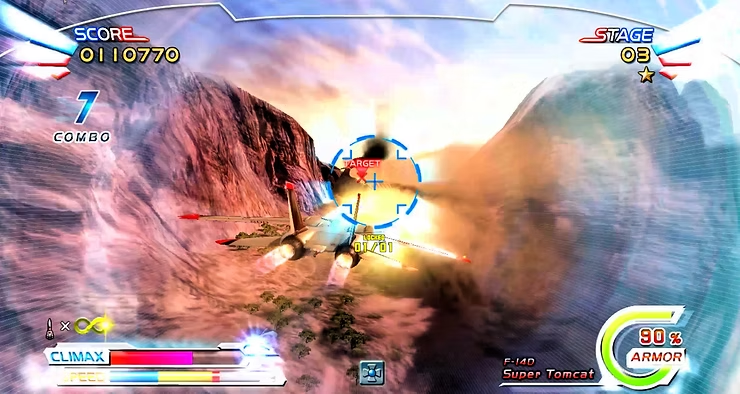
I found myself standing in a dimly lit corner of a suburban arcade last Tuesday, the kind of place that smells faintly of ozone and overpriced floor wax. Amidst the flashing LEDs of modern ticket-redemption machines, there it was: a faded Sega Lindbergh cabinet. It was the “Commander” variant—the one that actually tilts and rolls when you yank the stick. I dropped two quarters in, heard that iconic, digitized “Get Ready!” and for five minutes, the rest of the world ceased to exist.
There is a specific kind of magic in After Burner Climax. It isn’t the quiet, contemplative magic of a flight simulator. It’s the loud, obnoxious, neon-blue magic of a 1980s fever dream filtered through 2006 processing power. It was the arcade’s last great scream before the industry moved permanently into our living rooms.
The Cult of ‘Blue Sky’ Energy
Sega’s AM2 department used to have a signature. They called it “Blue Sky” design. It was a refusal to acknowledge the drab, gray reality of the real world. In an AM2 game, the ocean is always a perfect cerulean, the clouds are impossibly white, and the sun never sets unless it’s doing so in a spectacular explosion of orange and purple.
Climax was the pinnacle of this aesthetic.

Uprising In Ceuta: Locals Have Had Enough Of Migrant Invasion
Authored by Steve Watson via Modernity News,In the complete absence of any…

Travel Creators Matt and Julia Journey to Iran in 2026: Exploring Daily Life Beyond Headlines
TABRIZ, Iran — Popular travel vloggers Matt and Julia have released a…

One Male Bird Is Almost Single-Handedly Keeping His Species Alive in Britain
A male Montagu’s Harrier. Image via Wiki Commons. Take six chicks, two…

Google fixes first actively exploited Chrome zero-day of 2026
Google patched Chrome zero-day CVE-2026-2441, a high-severity CSS use-after-free flaw actively exploited…

Russia Hits Kiev Ammo Dump Next To Homes; Ukraine Admits 90% Of Retail Food Logistics Wrecked
A Russian drone struck a Ukrainian Defense Forces ammunition storage site in…

These Are The World's Safest (And Least Safe) Cities
Doha ranks as the safest major city in the world in 2026,…
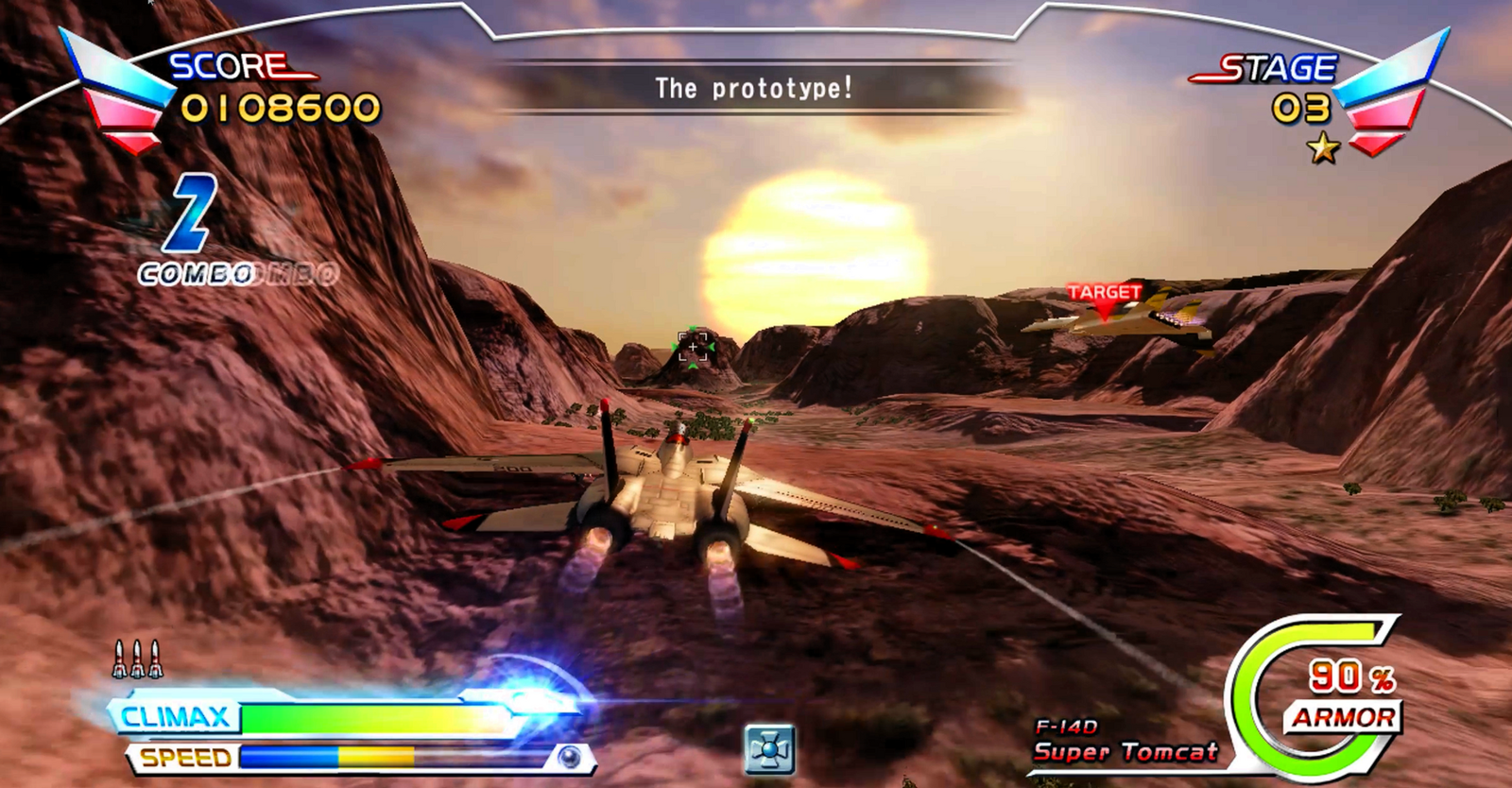
Most modern flight games are obsessed with the “drab.” They want to show you the grit on the cockpit glass and the oil stains on the tarmac. Climax didn’t care about oil stains. It wanted to show you what it felt like to break the sound barrier while dodging a thousand missiles. It was fast. It was loud. It was perfect. (I once saw a guy in a Tokyo arcade play through the entire game without blinking. I’m still not convinced he was human.)

The Anatomy of a Ten-Minute Masterpiece
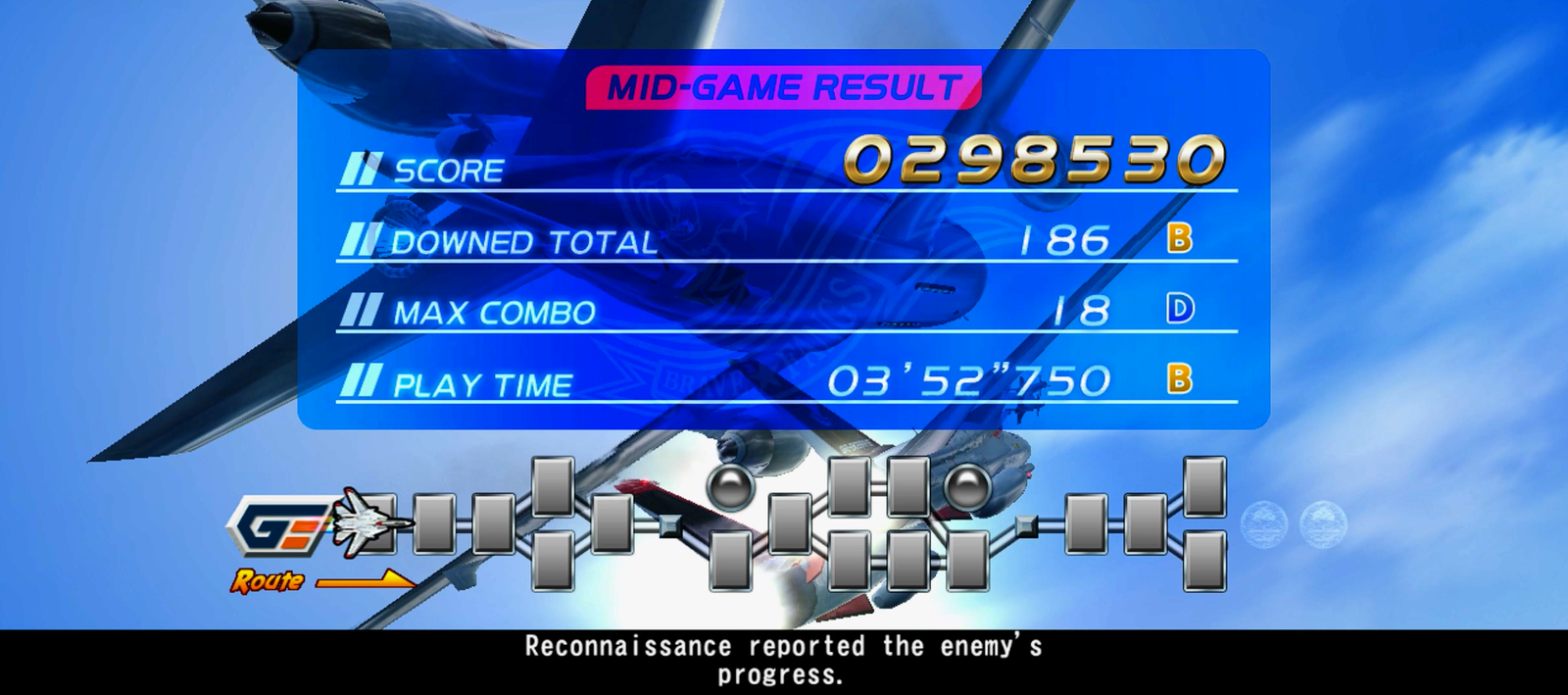
We live in an era of “live service” games that demand forty hours of your life every week just to stay relevant. After Burner Climax takes ten minutes to finish.
That’s the beauty of it. It’s a concentrated shot of adrenaline.
The “Climax” mechanic itself—a slow-motion burst that expands your lock-on reticle until it covers half the screen—is a masterpiece of game design. It’s the ultimate “power fantasy” button. You aren’t just a pilot; you’re a force of nature. For a few seconds, time slows down, the music swells, and you become the most dangerous thing in the sky.
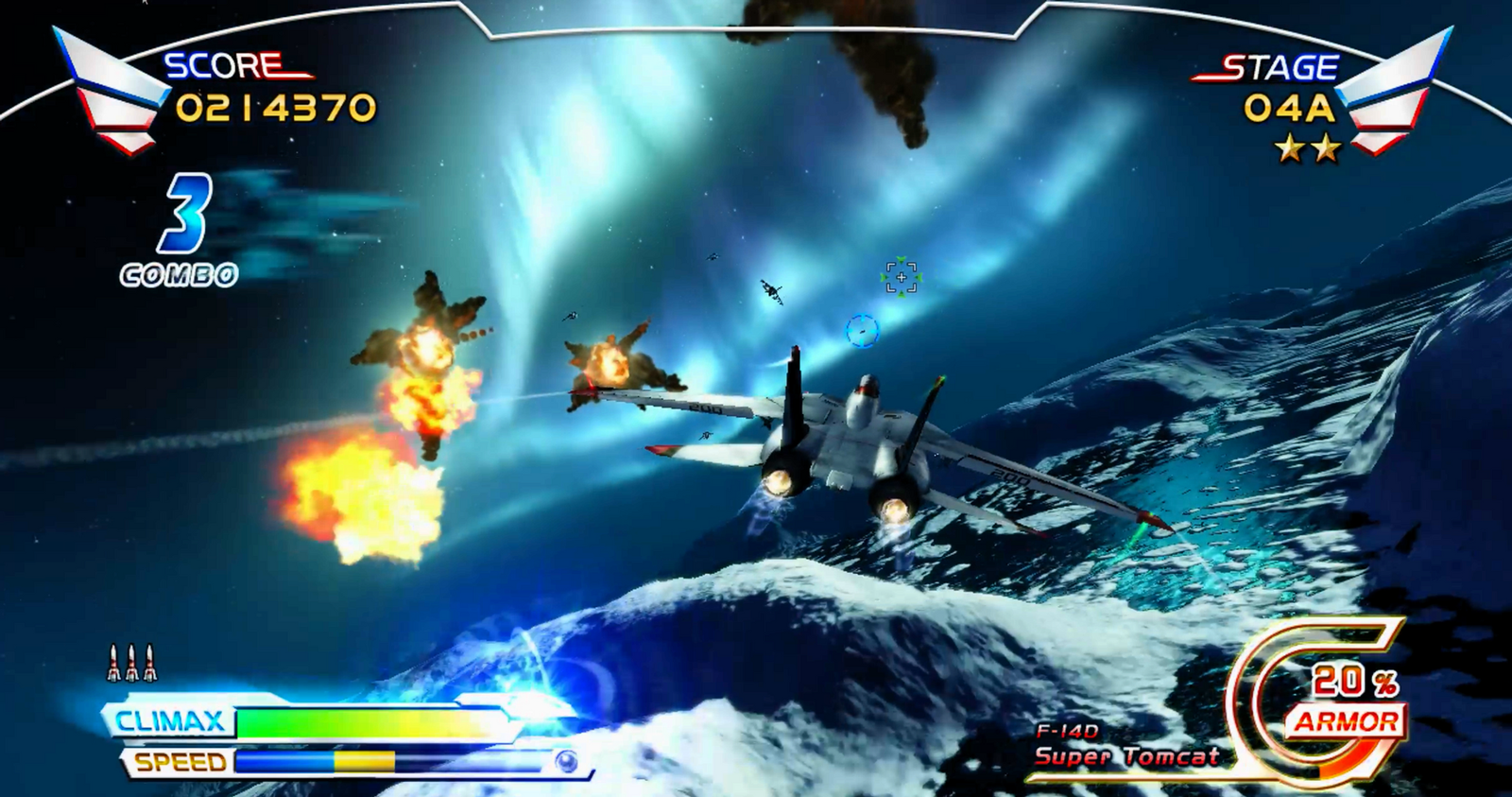
Why don’t we see this kind of pacing anymore? Probably because you can’t monetize a ten-minute experience with a “battle pass.” We’ve traded intensity for duration, and in the process, we’ve lost the “punch” that defined the arcade era.
The Licensing Trap: A Digital Tragedy
If you want to play After Burner Climax today, you have a problem. You can’t just go to Steam or the PlayStation Store and buy it. It isn’t there.
In 2014, the game was delisted from digital storefronts. The reason? Licenses. The game featured real aircraft: the F-14D Super Tomcat, the F-15E Strike Eagle, and the F/A-18E Super Hornet. When the contracts with Northrop Grumman and Boeing expired, Sega lost the right to sell the game.
“It’s a preservation nightmare,” says Mark “Sarge” Thompson, a local arcade historian I spoke with over coffee. “We have these incredible pieces of digital art that are effectively being erased because of a legal footnote. If you didn’t buy it ten years ago, you’re out of luck unless you find original hardware.”

This is the dark side of “authentic” gaming. By tethering our digital history to corporate trademarks, we’ve made our culture disposable. (The irony, of course, is that the planes in the game don’t even behave like real planes. An F-14 can’t do a 720-degree barrel roll at Mach 2, but Northrop Grumman still gets to say who can see its digital likeness.)
The “Commander” Experience: Hardware as Art
There is a difference between playing Climax on a controller and playing it in a motion cabinet. The cabinet is part of the game. It’s a physical manifestation of the G-forces you’re supposed to be feeling.
When you dive, the seat pitches forward. When you roll, the world tilts. It’s a level of immersion that a VR headset still struggles to replicate because it lacks the physical feedback. It’s “boots-on-the-ground” gaming in its purest form. Standing in that arcade last week, I realized that we aren’t just losing games; we’re losing the ritual of play.

What’s Next for the High-Speed Genre?
Is there a future for games like After Burner Climax? In the indie space, yes. We see the DNA of Sega’s masterpiece in titles like Skyward FM’s coverage of indie flight games. There is a growing movement of developers who are tired of “sim-bloat” and want to get back to the speed.
But the “Big Budget” arcade flyer is likely a thing of the past. The economics just don’t work anymore.

So, what do we do? We preserve what we can. We support the developers who are still chasing that “Blue Sky” energy. And we keep our quarters ready for that rare moment when we stumble upon a yellow cabinet in a quiet corner of a suburban mall.
The arcade might be dying, but as long as we can still hit the afterburner, it’ll never be truly gone.