







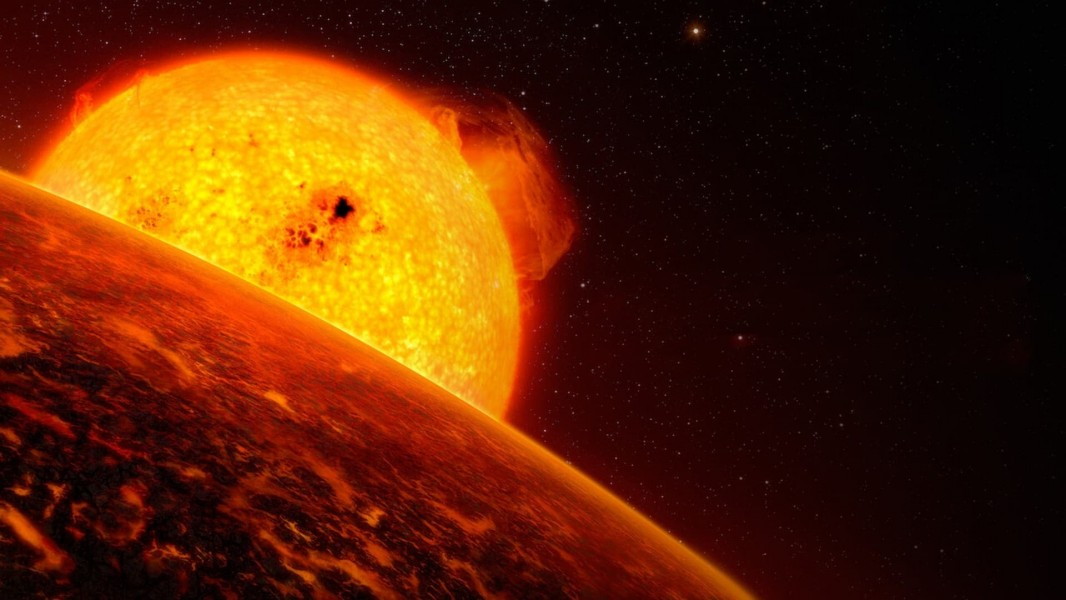
For as long as humans have looked at the stars, we’ve asked one big question: Is anyone else out there? For a long time, it was just a mystery. But according to a fascinating new documentary, we are finally moving from “guessing” to “finding.”

Thanks to the Kepler Space Telescope, we now know there are more planets than there are stars in our galaxy. That means billions of potential “Earths” are floating around out there.
The Three ‘Golden Rules’ for Life
Scientists aren’t just looking for little green men; they are looking for the “recipe” for life. According to the film, you need three main ingredients to have a habitable world:
- Liquid Water: The “universal solvent” where biology happens.
- Organic Material: The “Legos” of life (Carbon, Hydrogen, Oxygen, Nitrogen).
- Energy: Usually from a sun, but it can also come from the “tug-of-war” gravity of a giant planet.

The ‘Big Four’ Candidates in Our Backyard
We don’t have to go to another galaxy to find potential life. There are four places right here in our Solar System that have scientists excited:

Why Russia Issued an Arrest Warrant for a Gay British Agitator
Caolan Robertson is an British YouTube video maker, amateur writer, and a…

New Fluke USB Acoustic Imager Smartphone Camera
Fluke has launched a more affordable acoustic imaging camera, model II01, that…

The Iran War Has Turned VLCCs Into $650,000-A-Day Assets
Authored by Julianne Geiger via OilPrice.com, More Gulf oil is moving again.…

Mass immigration will ‘ruin’ Spain if not controlled, Trump warns
Spain will become a “ruined country” if it does not get immigration…

Nidec scandal sends bonds to bottom in test for new CEO
Scandal-tainted Nidec, which grew from a Kyoto startup into the world’s largest…

France and Japan Build a Stronger Air Power Bridge Between Europe and the Indo-Pacific
French Rafale F4 fighters trained with Japanese F-2A/B combat aircraft at Hyakuri…
| Candidate | Why it’s Cool | The Challenge |
| Mars | Used to have rivers and a thick atmosphere 4 billion years ago. | It’s now a freezing, dry desert with high radiation. |
| Europa | A moon of Jupiter with a 60-mile deep salty ocean under its ice. | The surface is -160°C; we have to drill through miles of ice. |
| Enceladus | A moon of Saturn that literally “sprays” water into space via geysers. | It’s tiny and very far away from the sun’s heat. |
| Titan | Saturn’s largest moon with its own thick atmosphere and lakes. | The lakes aren’t water—they are liquid Methane (like liquid gasoline!). |
Lessons from ‘Extremophiles’
You might think these places are too harsh for life. But the documentary introduces us to Extremophiles—tough-as-nails bacteria on Earth that live in volcanic vents, acid lakes, and frozen ice. If life can survive at the bottom of our frozen oceans in total darkness, why couldn’t it survive under the ice of Europa?
Coming Soon: The Missions of the 2020s
We aren’t just sitting around waiting. Several “breakthrough” missions are currently underway:
- ExoMars: A rover with a 2-meter drill to look for “hibernating” microbes deep under the Martian soil.
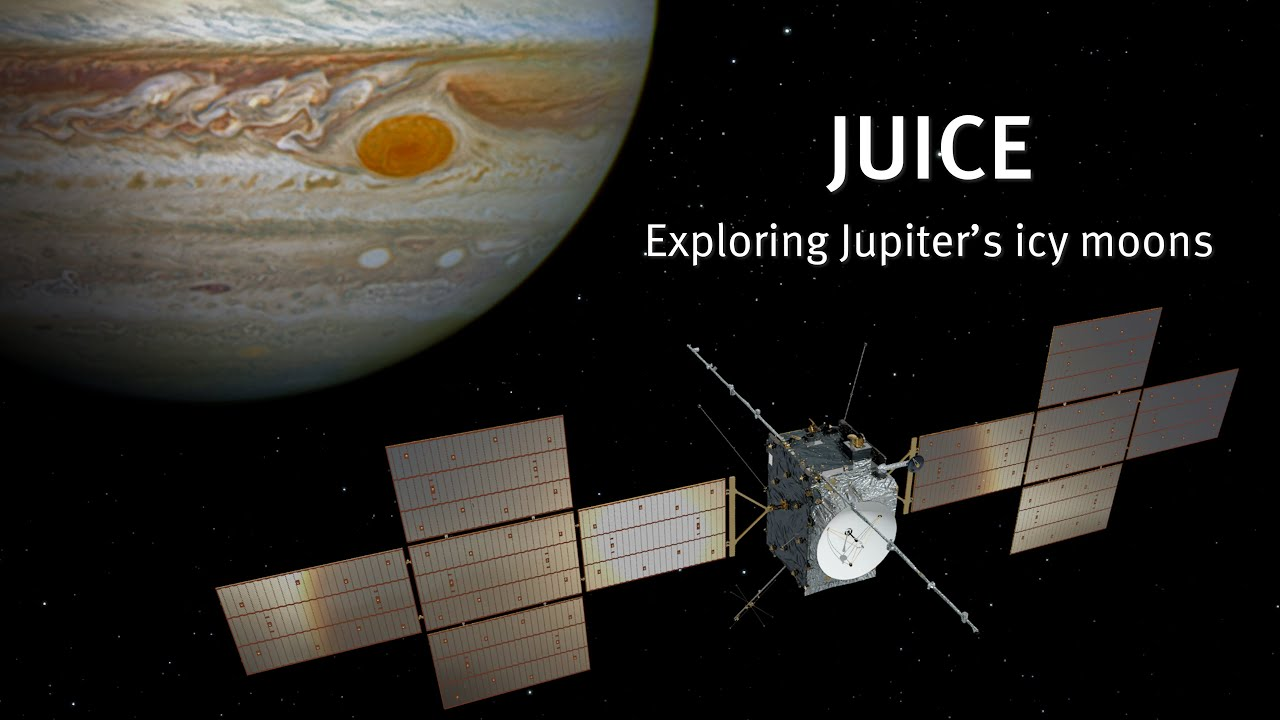
- JUICE (Jupiter Icy Moon Explorer): An ESA mission headed to Jupiter to scan Europa, Ganymede, and Callisto.
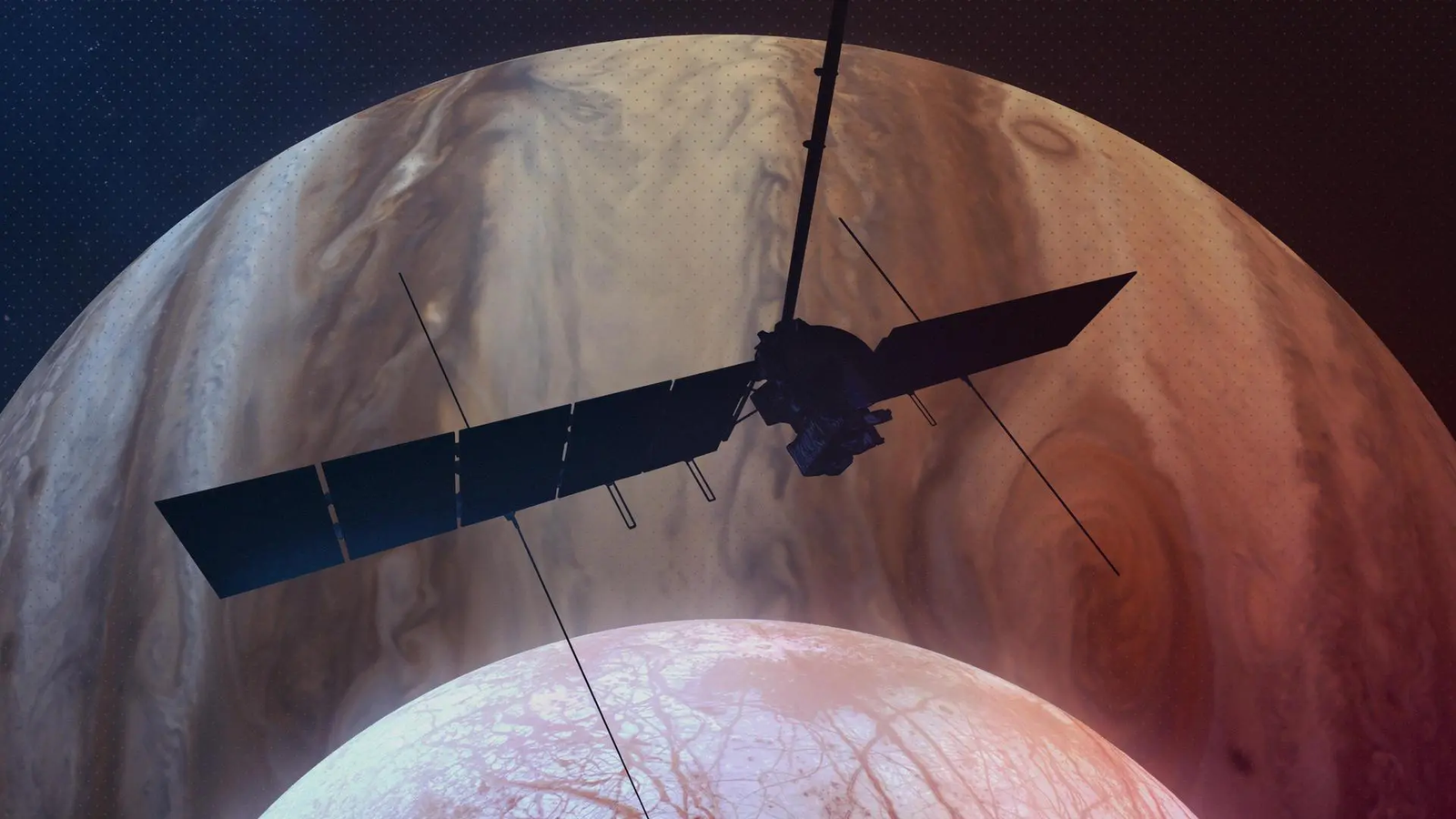
- Europa Clipper: A NASA probe designed to fly through the radiation of Jupiter to see if Europa’s ocean is truly “drinkable” for life.
The Philly PI Verdict: This documentary is a must-watch if you like sci-fi, biology, or just wondering about the “Big Picture.” It reminds us that finding life isn’t just a dream—it’s “simply a matter of time.”