



![Wanted: Suspect for Shooting Incident in the 15th District [VIDEO]](https://thephillypi.com/wp-content/uploads/2026/10/Wanted-Suspect-for-Shooting-Incident-in-the-15th-District-VIDEO-330x220.jpg)
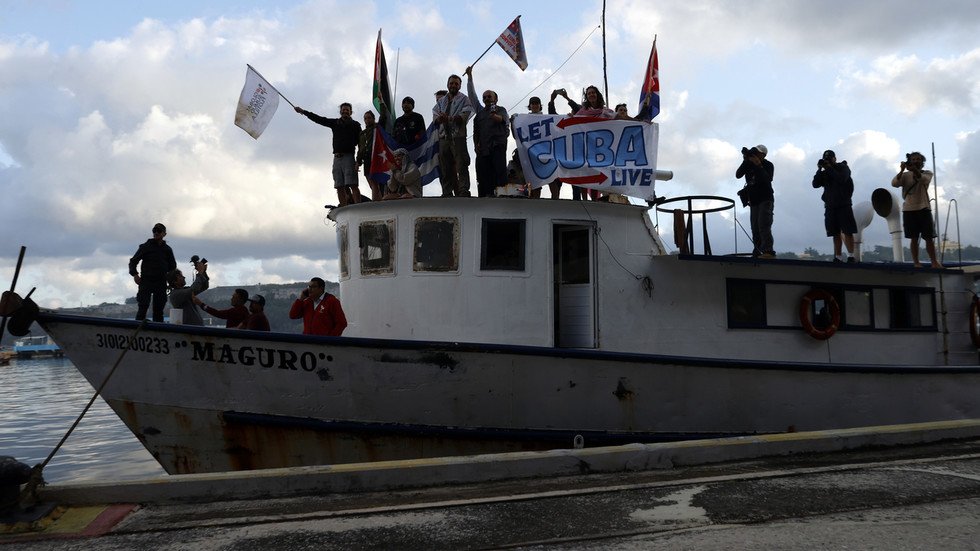
Havana has condemned Washington’s “ferocious blockade” of the island as a sign of US weakness
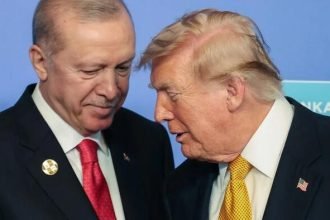
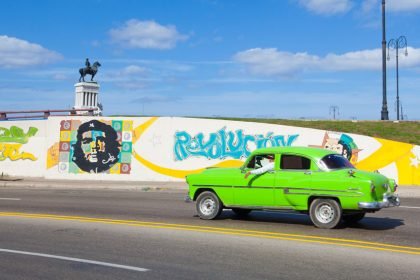
US President Donald Trump has said Cuba will be next while touting the “success” of his military operations in Iran and Venezuela, as Washington continues to strangle Havana with an oil blockade.
The threat comes despite Havana agreeing to talks with Washington in a bid to “find solutions through dialogue to the bilateral differences we have between the two nations,” according to President Miguel Diaz-Canel.
Speaking at an investment forum in Miami on Friday, the US president said his policy of “peace through strength” – including the raid to abduct Venezuelan President Nicolas Maduro in January and the decision to launch war on Iran amid ongoing nuclear talks last month – had been “very, very successful.”
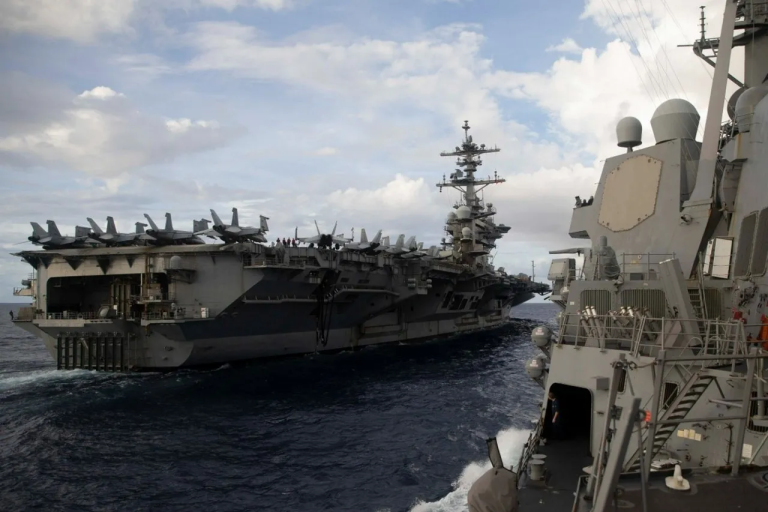
The aircraft carrier group USS Theodore Roosevelt (CVN-71) sailed closer to Iran
The carrier group, led by the nuclear-powered aircraft carrier USS Theodore Roosevelt…

DKnife toolkit abuses routers to spy and deliver malware since 2019
DKnife is a Linux toolkit used since 2019 to hijack router traffic…
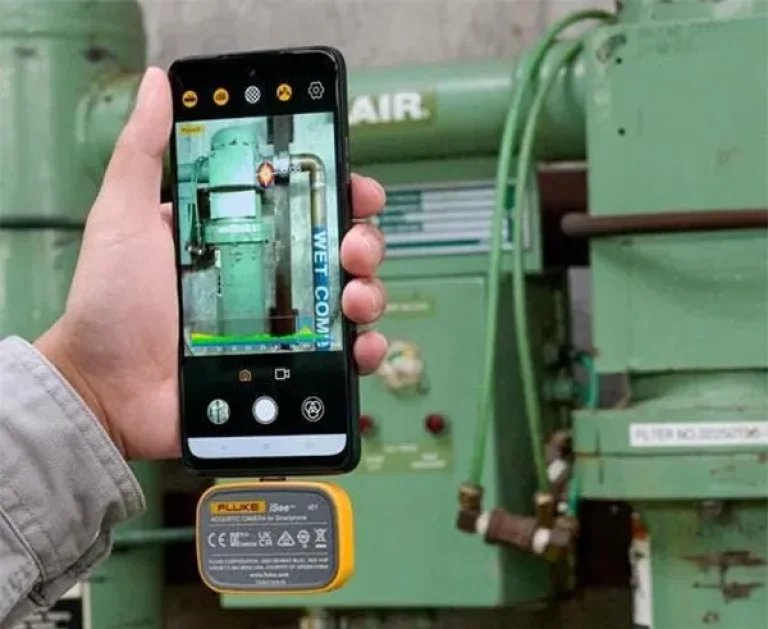
New Fluke USB Acoustic Imager Smartphone Camera
Fluke has launched a more affordable acoustic imaging camera, model II01, that…
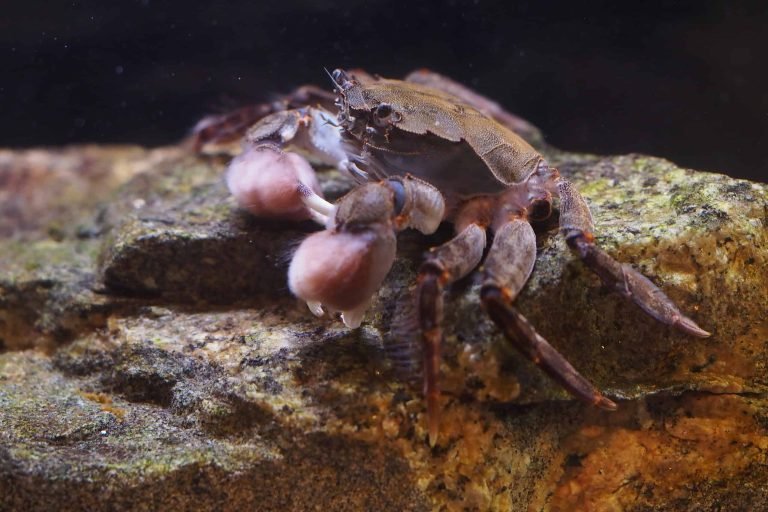
Hermit crabs and cockroaches are acting as gardeners for a parasitic plant
Hermit crab. Image via Wiki Commons. In the humid, coastal forests of…

'Our Military Is Helpless': Migrant Ambush Targeting Military Vehicles In Ceuta Was Pre-Planned, Police Claim
Via Remix News, The attack targeting a military patrol in the Benzú…

Dutch agencies hit by Ivanti EPMM exploit exposing employee contact data
Dutch agencies confirmed attacks exploiting Ivanti EPMM flaws that exposed employee contact…
“I built this great military. I said you’ll never have to use it. But sometimes you have to use it. And Cuba’s next, by the way,” he told the audience.
“But pretend I didn’t say that. Please pretend I didn’t say it. Please, please, please, media, please disregard that statement. Thank you very much. Cuba’s next,” he added.
Trump has repeatedly threatened to “take” Cuba “in some form,” warning of a “total oil blockade” and tariffs on countries supplying fuel to the island.
Cuba has faced severe fuel shortages and power cuts in recent months after Caracas, once Havana’s closest ally, halted oil shipments following pressure from Washington.
On Saturday, Cuban Foreign Minister Bruno Rodriguez condemned Washington’s “ferocious blockade” of fuel supplies, calling it a “brutal onslaught” on the country’s economic system.
“For more than 67 years, the US has imposed economic warfare against Cuba with the intention to harm the economy and deny access to markets and technology,” he said in a statement on X, arguing that such a “ruthless aggression” against the supposedly incompetent Cuban government only shows Washington’s own weakness.
Cuba has meanwhile launched nationwide civilian-military drills involving reservists and local units, as part of its “war of the entire people” defense doctrine.
Even before the energy blockade, daily life for most Cubans was defined by scarcity. The average salary is roughly 6,830 Cuban pesos per month, equivalent to a mere $30 in the informal exchange markets.
Families have long relied on remittances sent from relatives abroad. In the two years leading up to the current crisis, net emigration surpassed 500,000.