





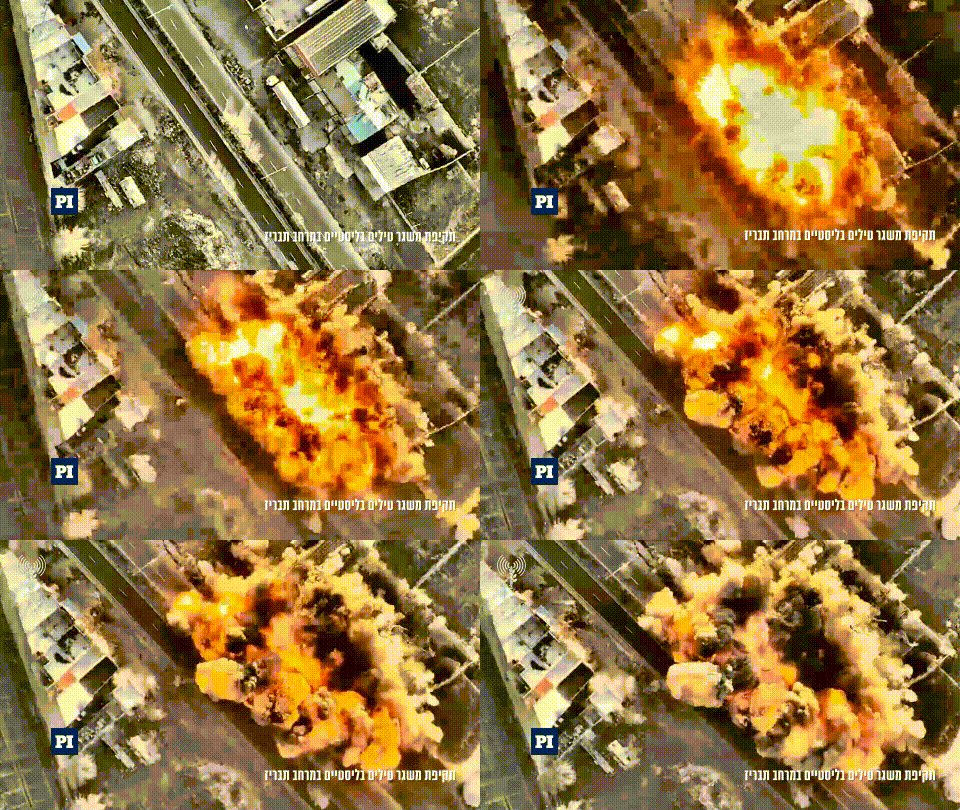
The clandestine tug-of-war between regional intelligence networks and high-altitude surveillance just reached a fever pitch. In a surgical demonstration of “find and fix” capabilities, the Israeli Air Force (IAF) has carried out a precision strike against a heavily camouflaged ballistic missile launcher in Tabriz, deep within northwestern Iran.
The operation highlights a significant failure in the IRGC’s ability to hide its most strategic assets, even when integrated into civilian-adjacent or industrial landscapes.
The Hidden Threat: Anatomy of a Camouflaged Strike
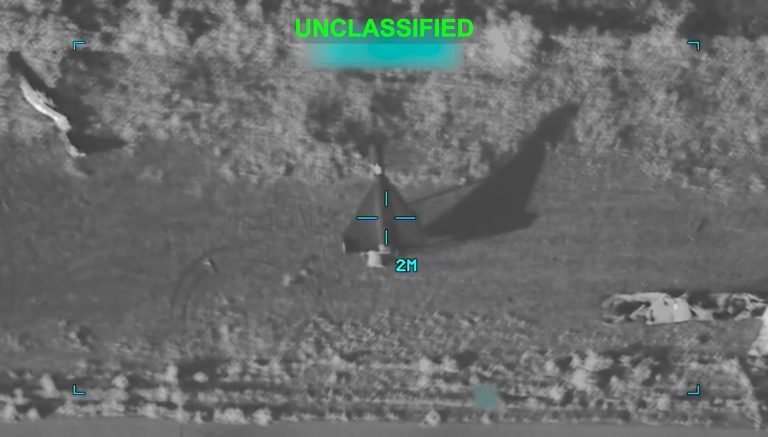
Visual evidence from the site shows the precision with which the IAF neutralized the target. The launcher—likely a road-mobile platform intended for rapid deployment—was positioned in a manner designed to blend into its surroundings, likely a commercial or transit area in Tabriz.
The strike wasn’t just about destroying a vehicle; it was about demonstrating that “camouflage is no longer a defense.”


Joe Kent Walks Out: Was Israeli Influence the Real Reason Behind Charlie Kirk’s Death?
WASHINGTON — March 17, 2026 — Internal divisions within the Trump administration…

The “Madman” and the Resignation: General Randy George’s Abrupt Exit from the Pentagon
The Pentagon is currently a house of cards in a windstorm. In…
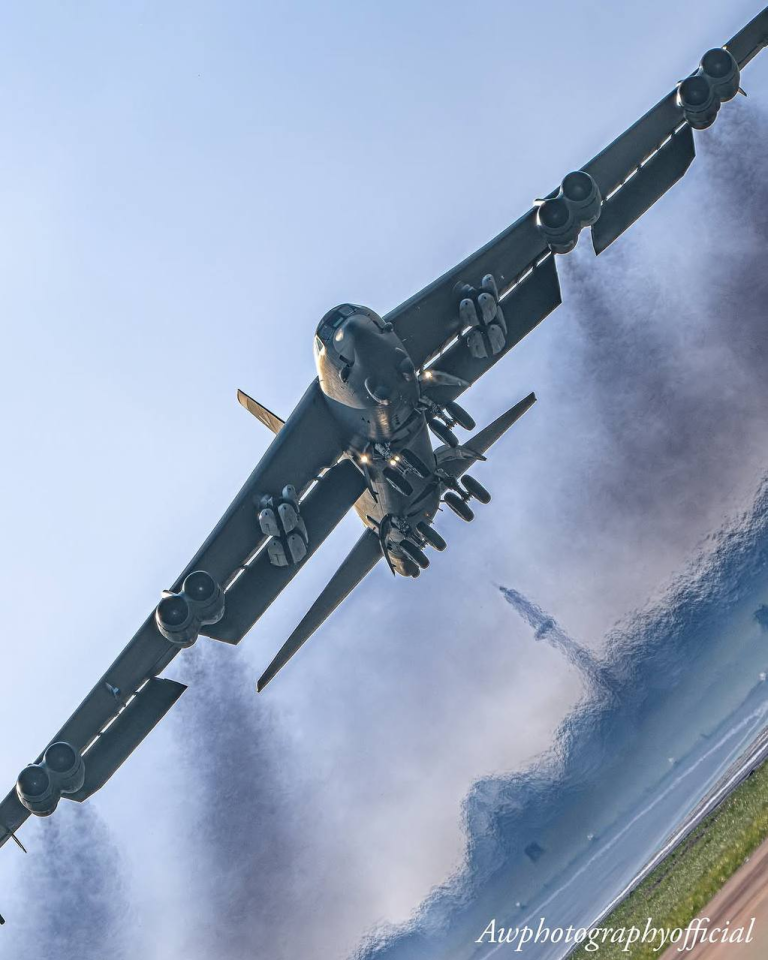
Power Projection: B-52H Deploys with Massive JASSM-ER Loadout from RAF Fairford
The U.S. Air Force has signaled a massive escalation in its European-based…
US Precision Strikes Dismantle Iranian EW and Missile Assets
U.S. Central Command (CENTCOM) has intensified its air campaign, deploying MLRS (Multiple…

OMEGA PHENEX COMMENCED PROJECT SIX – THIS MECH GAME IS ABOUT TO BLOW YOUR MIND!
Holy circuits, guys – have you seen this thing yet? An indie…
- Intelligence-Led Targeting: A strike this deep into Iranian territory suggests the IAF utilized a combination of human intelligence (HUMINT) and high-resolution synthetic aperture radar (SAR) to peel back the layers of deception.
- Surgical Precision: Despite being located in a developed area, the strike appear to have been highly localized, a hallmark of the IAF’s specialized munitions designed to minimize collateral damage while ensuring the total destruction of the ballistic threat.
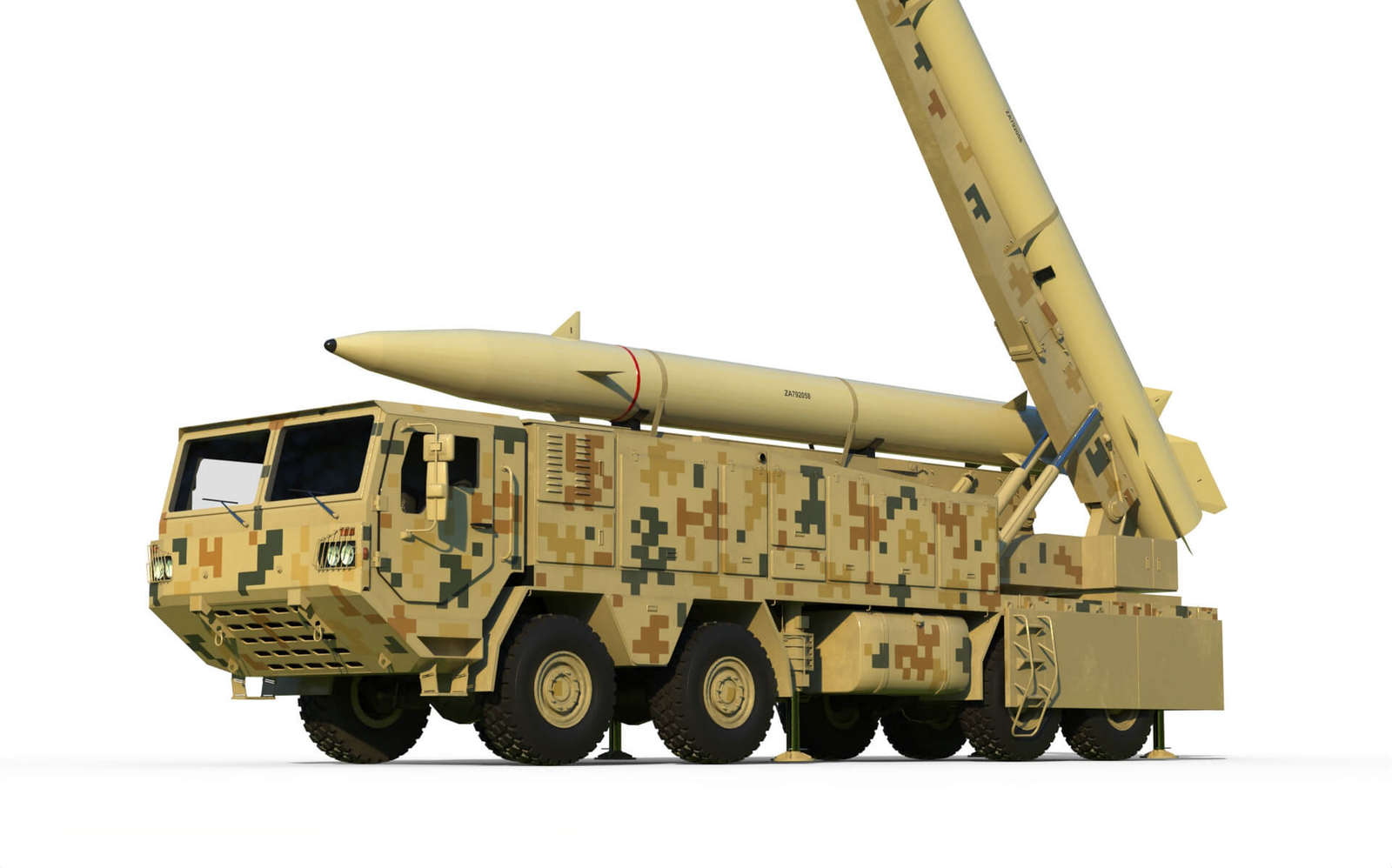
Intelligence suggests the launcher was disguised as a standard semi-trailer or fuel tanker.
Why Tabriz? The Strategic North
Tabriz is a critical hub for the Iranian military. It serves as a gateway to the north and a major center for missile logistics. By hitting a launcher here, Israel is sending a message that its reach extends far beyond the central deserts or coastal facilities.
“Hitting a mobile launcher while it’s still in its ‘cradle’—meaning its camouflaged state—is the ultimate win for an air force,” says an independent defense analyst. “It proves you’ve penetrated the enemy’s decision cycle. You didn’t just see them; you saw them when they thought they were invisible.”
Tactical Analysis: The “Ghost Hunter” Doctrine
This strike marks a shift in the current conflict’s tempo. We are no longer seeing broad strikes on known airbases; we are seeing a hunt for “ghost” assets.
- Mobile Threat Neutralization: Ballistic missile launchers are the hardest targets to track because they can disappear into the urban fabric.
- Signal Suppression: The timing of the strike suggests the IAF may have intercepted electronic signatures from the launcher during a pre-launch sequence or a routine diagnostic.
The Investigative Angle: A Failure of Stealth
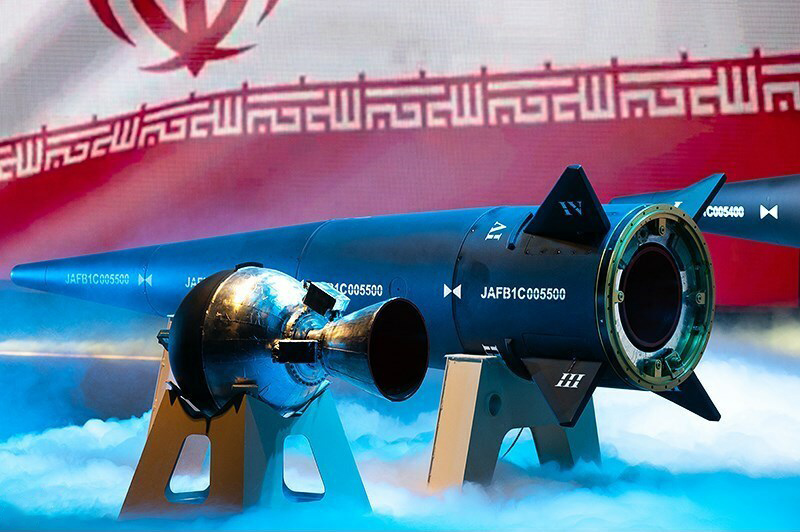
For the IRGC, this is a moment of profound vulnerability. If Israel can find a single launcher hidden in the sprawl of Tabriz, the survival rate for the rest of Iran’s mobile arsenal—including the Fattah-1 or Khorramshahr variants—comes into question.
The Iranian strategy has long relied on the “shell game”—moving launchers constantly to avoid detection. But as we see in these images, the “shells” are becoming transparent. Whether through advanced satellite processing or local informants, the “fog of war” in the Tabriz sector has been burned away.
The regional temperature continues to rise, and as each “invisible” asset is turned to scrap metal, the deterrent value of Iran’s missile program undergoes a brutal reality check.