




![Wanted: Suspect for Theft of Packages in the 3rd District [VIDEO]](https://thephillypi.com/wp-content/uploads/2026/09/Wanted-Suspect-for-Theft-of-Packages-in-the-3rd-District-330x220.jpg)
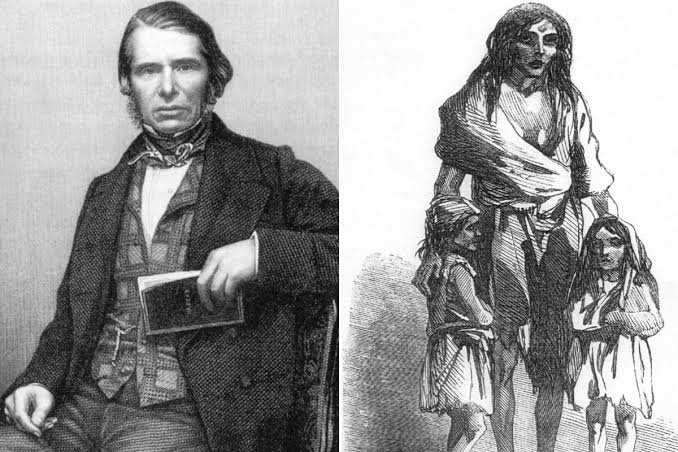
Sir Charles Edward Trevelyan, 1st Baronet (1807–1886) stands as one of the most polarized figures in the history of British imperial administration. To the architects of the Victorian state, he was a genius of administrative efficiency—a incorruptible standard-bearer who modernized the British Civil Service and overhauled colonial governance from Calcutta to Whitehall. To the people of Ireland, however, his name remains an enduring symbol of dogmatic cruelty, ideological zealotry, and government inaction during the Great Famine.
His life exemplifies the lethal intersection of 19th-century laissez-faire economic dogma, evangelical providentialism, and uncritical bureaucratic power.
Early Life and the Indian Apprenticeship (1807–1838)
Born in Taunton, Somerset, to a distinguished Cornish family, Trevelyan was educated at the East India Company’s college at Haileybury. Joining the Bengal Civil Service as a young man, he quickly earned a reputation for formidable work ethic, moral rigidity, and zero tolerance for systemic corruption.
In 1829, a 22-year-old Trevelyan risked his entire career by publicly accusing his superior, Sir Edward Colebrooke, the British Resident at Delhi, of taking bribes. The charges were proven, cementing Trevelyan’s reputation as an unyielding moralist.

Iran's Ghalibaf Declares Persian Gulf Oil Flows For 'All Or None'
Via The Cradle Iranian Parliament Speaker Mohammad Bagher Ghalibaf declared on 28…

Canada MAID Program: Truth About the 16,000 Assisted Deaths
A striking narrative has taken center stage in global health and policy…

Wanted: Suspects for Shooting Incident in the 22nd District [VIDEO]
The Philadelphia Police Department and the Shooting Investigation Group is asking for…

China-linked APT UNC3886 targets Singapore telcos
China-linked group UNC3886 targeted Singapore ’s telecom sector in a cyber espionage…

Microsoft Patch Tuesday security updates for February 2026 fix six actively exploited zero-days
Microsoft Patch Tuesday security updates for February 2026 fix six actively exploited…

SAUDI DEFENSE PAPER TIGER: FOREIGN CONTRACTORS AND INTEL LEAKS IN YEMEN
RIYADH — As geopolitical volatility escalates across the Arabian Peninsula, Saudi Arabia’s…
  [Haileybury Education]
            │
            ▼
  [Delhi & Bengal Civil Service] ──► (Exposed Imperial Corruption)
            │
            ▼
  [Marriage to Hannah Macaulay] ──► (Bridged Imperial Policy & Whitehall)
            │
            ▼
  [Assistant Secretary to HM Treasury (1840)]
During his time in India, he worked alongside Lord William Bentinck and reformist Thomas Babington Macaulay—whose sister, Hannah Macaulay, Trevelyan married in 1834. His early Indian tenure focused on internal trade reform, sanitary improvements, and introducing Western education.
The Treasury and the Great Irish Famine (1845–1852)
In 1840, Trevelyan was appointed Assistant Secretary to HM Treasury, effectively becoming the highest-ranking civil servant overseeing British public expenditure. When the potato blight (Phytophthora infestans) struck Ireland in late 1845, administrative authority over relief operations landed squarely on his desk.
                  ┌──────────────────────────────────────────────┐
                  │        LAISSEZ-FAIRE ECONOMIC DOGMA         │
                  │   "Market forces must not be distorted."   │
                  └──────────────────────┬───────────────────────┘
                                         │
                                         ▼
  ┌─────────────────────────────────────────────────────────────────────────────┐
  │                           TREASURY RELIEF POLICY                            │
  │  • Closed government food depots (July 1846)                                │
  │  • Mandated "Irish property must support Irish poverty"                     │
  │  • Mandated arduous, low-wage public works projects                         │
  └──────────────────────────────────────┬──────────────────────────────────────┘
                                         │
                                         ▼
                  ┌──────────────────────────────────────────────┐
                  │          PROVIDENTIALIST WORLDVIEW           │
                  │   Famine viewed as "Divine Intervention"     │
                  │     to restructure unsustainable society     │
                  └──────────────────────────────────────────────┘
When Lord John Russell’s Whig government took power in 1846, Trevelyan was granted immense discretion. Driven by strict adherence to free-market principles, he oversaw policies that catastrophically restricted relief efforts:
- Closure of Food Depots: In July 1846, Trevelyan shut down the food distribution centers established by Prime Minister Robert Peel, arguing that government distribution interfered with private grain merchants.
- Shift to Local Tax Relief: He insisted that “Irish property must support Irish poverty,” forcing relief funding onto local Poor Law unions that were already bankrupt.
- Providentialist View: In his 1848 work The Irish Crisis, Trevelyan infamously described the famine not as a manageable human tragedy, but as:“A direct stroke of an all-wise and all-merciful Providence, which laid bare the deep and inveterate root of social evil…”
Over one million Irish citizens died of starvation and epidemic disease, while an estimated two million emigrated. Despite the mounting mortality rate, Trevelyan received a Knight Commander of the Order of the Bath (KCB) in 1848 for his administrative “services”.
Modernizing the British State: The Northcote-Trevelyan Report
While his famine administration caused devastating human loss, Trevelyan simultaneously orchestrated a structural overhaul of the British administrative state.
In 1853, alongside Sir Stafford Northcote, he co-authored the seminal Northcote-Trevelyan Report.
                  OLD SYSTEM (Pre-1853)                NEW NORTHCOTE-TREVELYAN MODEL
               ┌─────────────────────────┐              ┌─────────────────────────┐
               │ Aristocratic Patronage  │              │ Competitive Examinations│
               │ Nepotism & Favors       │  ─────────►  │ Merit-Based Entry       │
               │ Unregulated Promotion   │              │ Unified Civil Service   │
               └─────────────────────────┘              └─────────────────────────┘
The report fundamentally dismantled the centuries-old tradition of political patronage, recommending:
- Entry exclusively through open, competitive examinations.
- Promotion based on merit and performance rather than social ties or aristocratic birth.
- A unified, professional civil service split into administrative and clerical tiers.
This reform became the blueprint for modern democratic civil service models across the globe.
Return to India and Final Years (1859–1886)
In 1859, Trevelyan returned to colonial administration as Governor of Madras. His tenure was marked by rapid municipal, sanitary, and police reforms, but ended abruptly when he publicly leaked official opposition to federal tax hikes imposed by the central administration.
Recall was followed by reinstatement: in 1862, he was appointed Finance Minister of India, a post he held until 1865, reforming fiscal accounting and reducing internal trade duties.
| Period | Role / Location | Key Actions & Legacy |
| 1826–1838 | Assistant to Commissioner / Writer (Bengal) | Eliminated internal transit duties; exposed government bribery. |
| 1840–1859 | Assistant Secretary to HM Treasury | Oversaw Great Irish Famine relief & Highland Emigration; co-authored Civil Service reform. |
| 1859–1860 | Governor of Madras | Modernized sanitation & policing; recalled over public tax dissent. |
| 1862–1865 | Finance Minister of India | Standardized Indian public accounts & expanded education funding. |
| 1874 | Created 1st Baronet of Wallington | Inherited Wallington Hall estate; retired to public scholarship. |
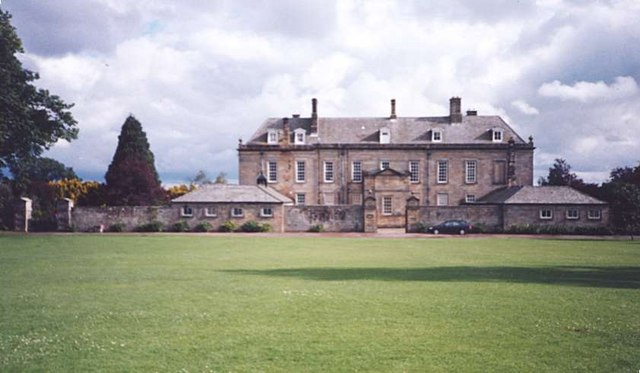
Trevelyan was created a Baronet in 1874 and spent his final years managing his family’s inherited estate at Wallington Hall in Northumberland. He died in London on June 19, 1886, at age 79.
Historical Assessment: The Dual Memory
Historically, Sir Charles Trevelyan embodies the dual nature of 19th-century British administrative power:
- The Civil Service Pioneer: To administrative historians, he was an energetic, selfless public servant who replaced aristocratic corruption with meritocracy and professional efficiency.
- The Culprit of Ideological Blindness: To social historians and Irish collective memory—immortalized in folk ballads like “The Fields of Athenry”—his rigid ideological adherence to ideology transformed a natural blight into a catastrophic famine.