






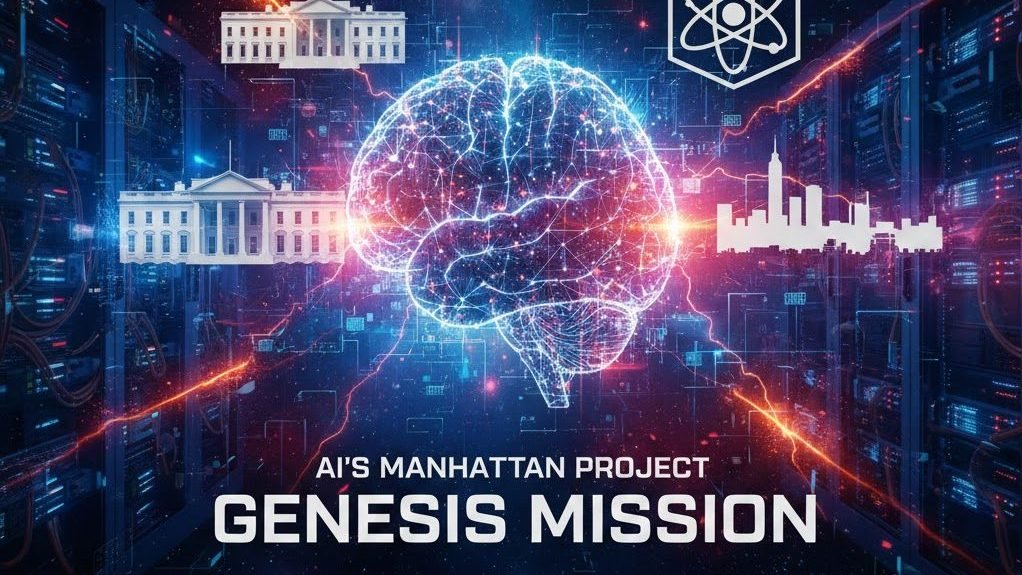
The race for global dominance in Artificial Intelligence just got a whole lot faster. On November 24, 2025, President Donald J. Trump signed an Executive Order launching the Genesis Mission, a national initiative described by the White House as a mobilization effort “comparable in urgency and ambition to the Manhattan Project.”

This isn’t just another tech program. It’s a high-stakes, unified push to leverage the power of AI to fundamentally transform American scientific discovery, energy, and national security. The goal is audacious: to double the productivity and impact of U.S. research and development within a decade.
What Exactly is the Genesis Mission?
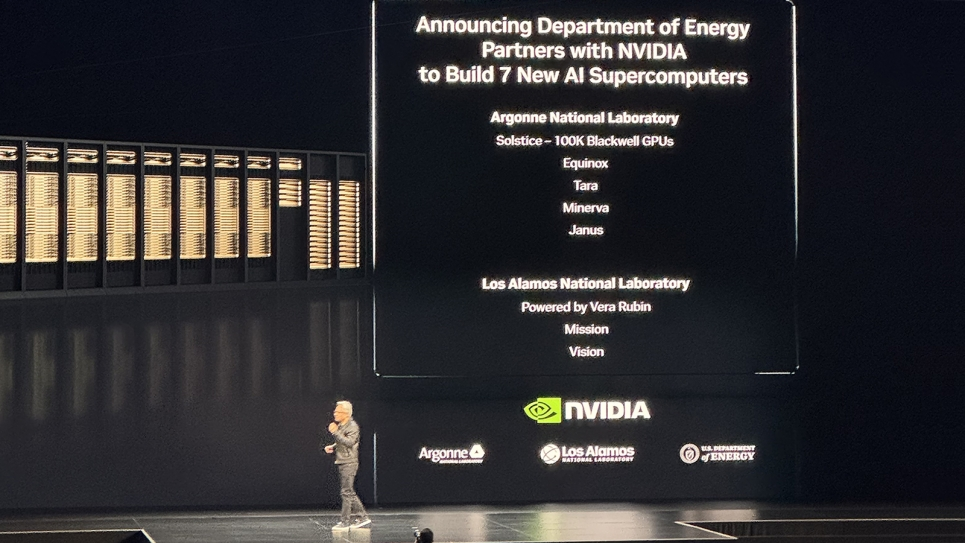
At its core, Genesis is about integration and acceleration. Led by the Department of Energy (DOE) and its 17 National Laboratories, the Mission aims to build an integrated AI platform called the “American Science and Security Platform.”
Imagine connecting the world’s most powerful supercomputers, vast federal scientific datasets (developed over decades of taxpayer investment), and cutting-edge robotics into one seamless, AI-driven research engine. That is the vision of Genesis.

“MOVING ON” IS REBUILDING (YouTube – Paul Bryson)…
"MOVING ON" IS REBUILDING❗️ (YouTube - Paul Bryson) A photo posted by…
Planet Labs Issues Retroactive Ban on Iran Conflict Imagery
In the age of "Open Source Intelligence" (OSINT), we’ve grown accustomed to…

THE LAST DANCE: Why is the Navy’s Oldest Warhorse Racing Toward The Caribbean?
The USS Nimitz is basically the "Old Man" of the ocean, and…

The Ghost in the Machine: Who is Noemi Bonazza?
In the hyper-accelerated world of 2026, where digital identities are minted and…

The Bibi Files: A Cinematic Dissection of Power, Privilege, and Prosecution
The documentary The Bibi Files, directed by Alexis Bloom and produced by…

Iran-linked group Handala hacked FBI Director Kash Patel’s personal email account
Iran-linked group Handala claims it hacked FBI Director Kash Patel’s personal email,…
The Genesis Blueprint:
- Integrated AI Platform: A unified system connecting DOE supercomputers, secure cloud environments, and massive federal datasets.
- Scientific Foundation Models: Training AI models on this unprecedented trove of scientific data to understand the laws of physics and chemistry, not just language.
- Autonomous Research: Creating AI agents to test hypotheses, automate research workflows, and direct “self-driving” robotic laboratories 24/7.
Top Priority Domains: Where AI will hit first
The Executive Order explicitly targets key bottlenecks in the physical economy, making it a crucial focus for every investor, researcher, and industry leader:
- American Energy Dominance: Accelerating the development of advanced nuclear, fusion, and a more resilient, intelligent grid.
- Advancing Discovery Science: Unlocking breakthroughs in biotechnology (e.g., protein folding, drug discovery), quantum information science, and new critical materials.
- National Security: Creating defense-ready materials and systems by leveraging AI-guided discovery.
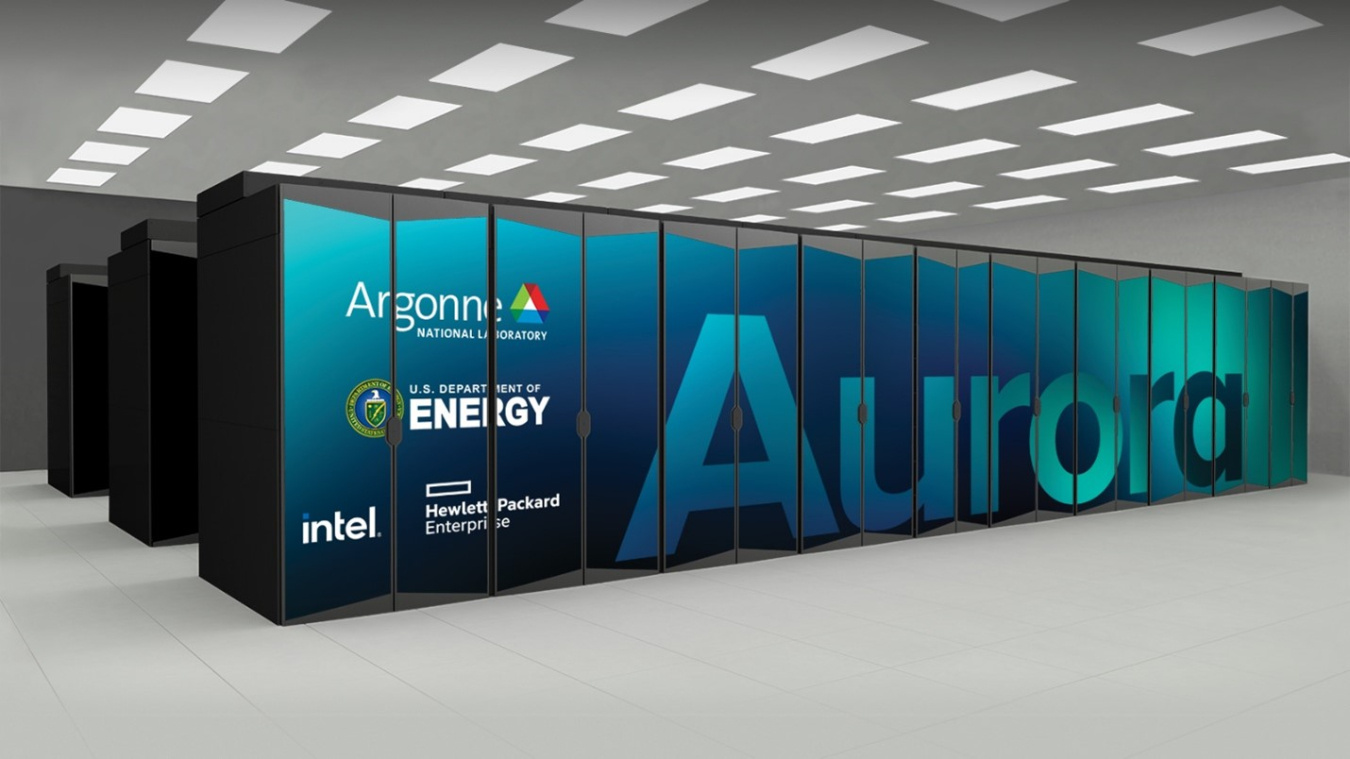
Image courtesy of Argonne Leadership Computing Facility
The Controversy: Manhattan Project Ambition, Zero New Money?
While the mission’s scope is thrilling, the political and economic realities are already generating friction. The White House has framed the initiative with historic urgency, yet critics are quick to point out a central controversy: The Executive Order commits zero new funding.
The mission relies on coordinating existing resources—supercomputers, datasets, and national lab personnel—all “subject to available appropriations” from Congress.
Key Points of Debate:
- Funding vs. Scope: Can an initiative comparable to the Manhattan Project achieve its goals without a dedicated, massive new budget? This lack of new funds puts immense pressure on existing research programs to shift focus.
- Private Sector Partnership: The plan encourages collaboration with private sector titans and academia. While this grants vetted partners access to previously siloed federal data, it raises questions about intellectual property (IP) ownership, licensing, and security vetting for non-federal collaborators.
- The Energy Dilemma: AI’s exponential growth requires immense amounts of power. The DOE is leading the charge on Genesis while simultaneously noting that data centers could consume up to 12% of U.S. power by 2028. The administration argues Genesis will ultimately lower electricity prices through grid modernization—a promise many will be watching closely.
Impact on the American Economy and You
The Genesis Mission is a clear signal that the U.S. government is actively weaponizing AI for scientific advantage.
- For Industry: Expect major federal emphasis and funding opportunities in the priority sectors (fusion, biotech, critical materials). Companies that can effectively partner with national labs on AI model training and development stand to gain a massive competitive edge.
- For the Workforce: There will be an urgent need for specialized talent in areas like data science, machine learning engineering, and AI ethics. The mission includes provisions for building a talent pipeline through fellowships and apprenticeships.
- For Science: If successful, research that once took years could be reduced to weeks or months, creating a new epoch of accelerated discovery in every field from materials science to drug validation.
The Genesis Mission is now the defining narrative of American AI policy. Its success will not only determine the U.S.’s standing in the global tech race but also profoundly reshape our economy, our energy future, and our security for decades to come.
The video All About The Genesis Mission | America’s AI Manhattan Project For Global Leadership provides a concise overview of the Genesis Mission and the comparison made by the White House to the Manhattan Project.