

















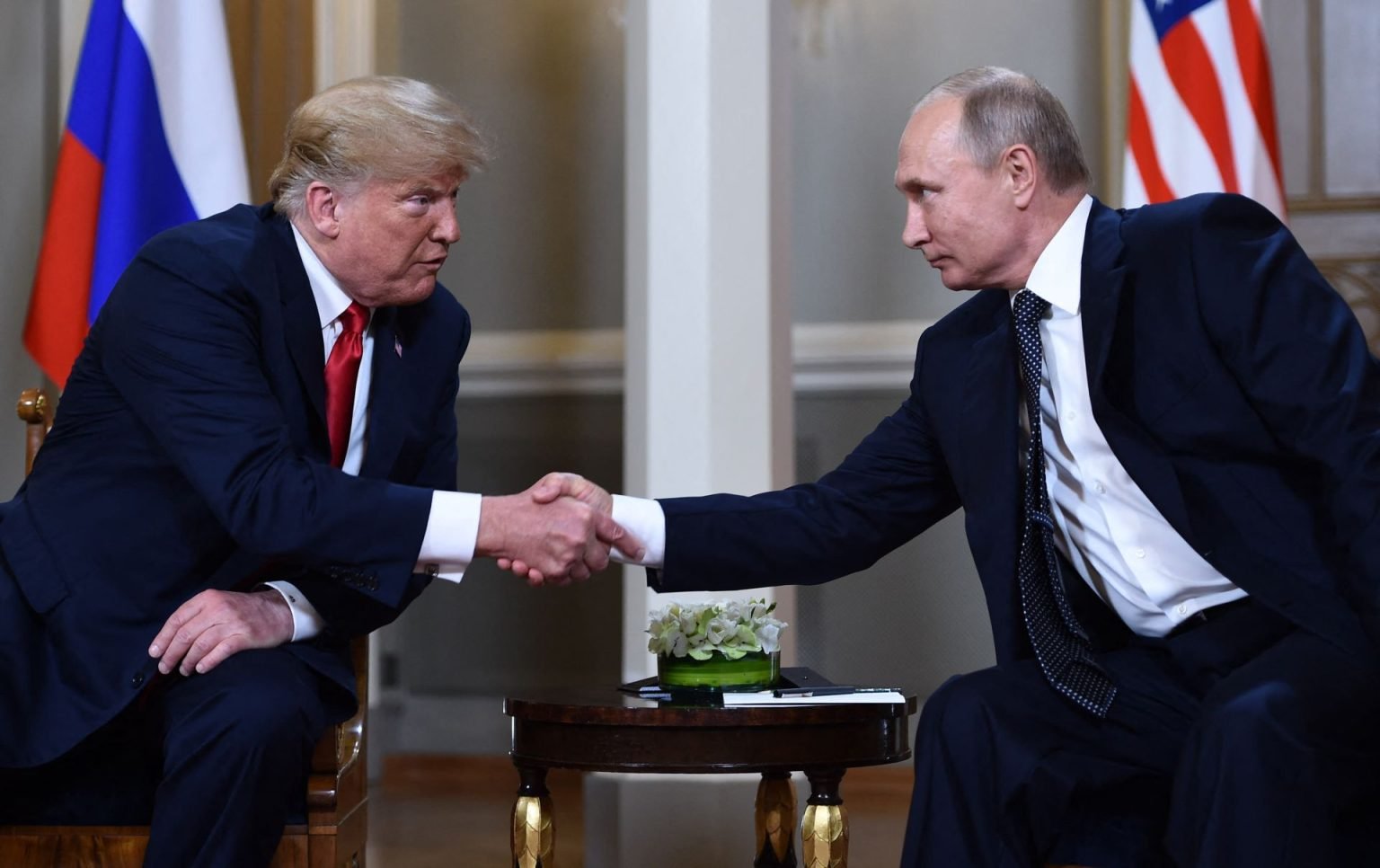
BRUSSELS—The annual U.S. National Security Strategy (NSS), historically a guide to Washington’s stance on global threats from China to Russia, has taken a radical and unprecedented turn under the Trump administration, reserving its sharpest criticisms not for traditional adversaries, but for America’s long-standing allies in Europe.
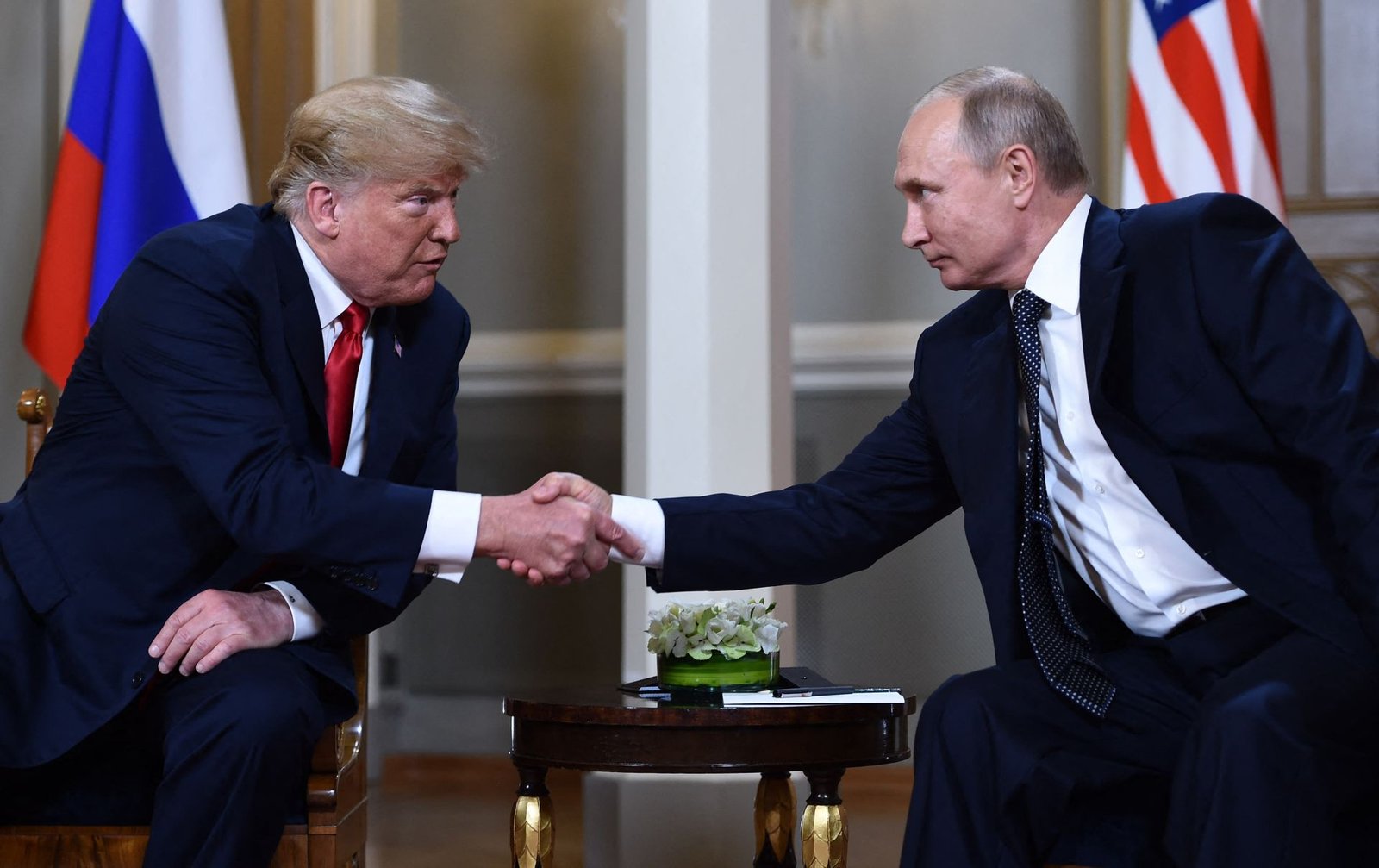
The 30-page document, intended to lay out the U.S. approach to a volatile world, instead paints a starkly negative portrait of European nations. It labels them as “wayward, declining powers” and suggests their governments are actively undermining democratic principles by suppressing voices that favor a more nationalistic direction. A central theme is the alleged erosion of national identity, with the document claiming European leaders have “ceded their sovereignty to the European Union.”
Perhaps the most inflammatory section focuses on demographics, warning that the continent faces “civilizational erasure” due to immigration. The NSS speculates that this trend could render Europe “unrecognizable” within two decades and forecasts that several North Atlantic Treaty Organization (NATO) allies are on track to become majority “non-European” countries. The conclusion is clear: the region risks becoming too weak to serve as “reliable allies.”
This dramatic departure from decades of diplomatic consensus underscores how fundamentally the Trump administration is restructuring American foreign policy. By targeting its closest partners, the NSS is poised to deepen the existing fissures within the trans-Atlantic alliance—the bedrock of Western security and values since World War II.
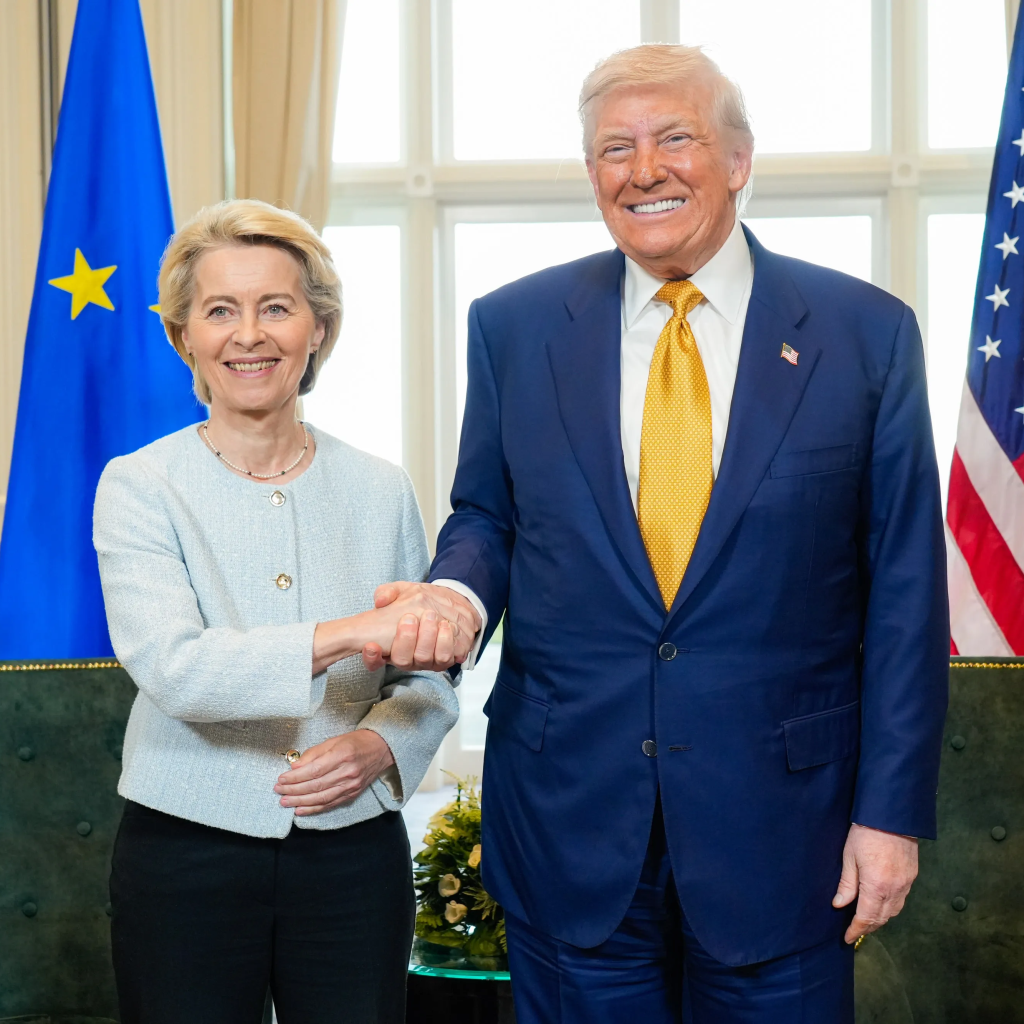
The document’s arrival in European capitals has been met with shock and dismay. Katja Bego, a senior researcher at Chatham House in London, suggested the message for European leaders is blunt: they “need to assume that the traditional trans-Atlantic relationship is dead.”
The document has been widely interpreted as a profound turning point. Prominent British historian Timothy Garton Ash described the document as “the mother of all wake-up calls for Europe.” He noted the paradoxical reality of the situation: “We’re in this extraordinary position where the U.S. is still objectively an ally of Europe, but subjectively at least in the Trump administration and the view of many Europeans we’re no longer seeing each other that way.”
U.S. Air Force to Buy First Boeing 737 MAX for Military Transport Service With $250M Funding
The U.S. Air Force intends to buy its first Boeing 737 MAX…

50 Iranian Tanker Logjam Unfolds As US Naval Blockade Starves Tehran Of Oil Revenue
Bloomberg cites a new report from United Against Nuclear Iran that claims…

Newegg Reveals Fall 2026’s 5 Best Prebuilt Gaming PCs That Dominate Performance
Fall 2026 is shaping up to be an absolute renaissance for PC…

Urgent Warning: Massive Train Disruptions Threaten Philly to NYC Commuters Today
PHILADELPHIA — For anyone planning a trip from the Delaware Valley up…

US Army orders 16 new UH-60M Black Hawk helicopters from Sikorsky in $234 million deal
The U.S. Army awarded Lockheed Martin subsidiary Sikorsky a $234.46 million contract…

Xbox Is Paying A Lot Less Than Normal For Kojima’s Physint, Possibly Under $200 Million – Report
New Xbox CEO Asha Sharma has made a lot of big moves…