















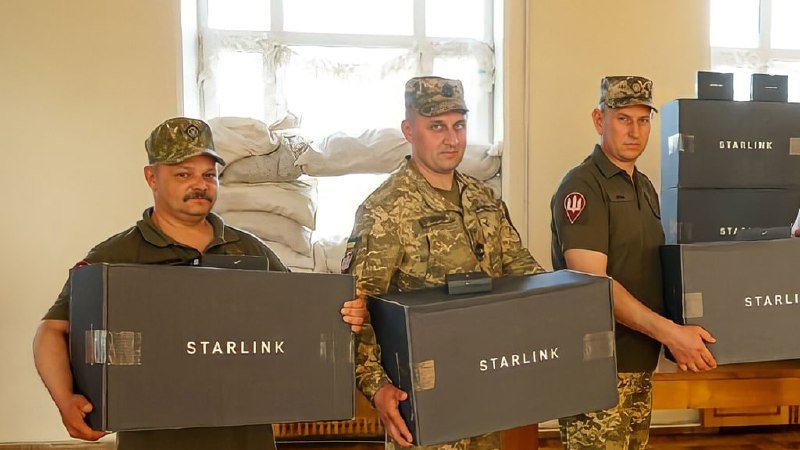
[image_alt]A military Starlink satellite terminal configured for field communications and mobile data operations.[/image_alt]
STRATEGIC COMMUNICATIONS UPDATE: Recent operational reports indicate that stringent velocity parameters have been imposed on tactical satellite broadband infrastructure currently deployed across the Eastern European theater. Defense technology analysts are closely monitoring these adjustments as electronic warfare and tactical mobility merge in complex operational environments.
Operational Constraints on Mobile Satellite Terminals
According to intelligence gathered from regional logistics networks, administrative adjustments have effectively capped the maximum operational velocity of deployed Starlink terminals at 160 kilometers per hour when units are utilized in motion. This technical limitation appears engineered to regulate high-speed vehicular data relay, impacting reconnaissance units, mobile command posts, and rapid-response mechanized formations that rely on uninterrupted broadband connectivity.

The imposition of these velocity thresholds highlights the complex intersection between commercial satellite constellations and modern tactical operations. Military logisticians frequently depend on high-speed data feeds to coordinate field movements, monitor tactical maps, and maintain secure channels. When terminals exceed designated speed thresholds, Doppler shift and handover challenges between low-Earth orbit (LEO) satellites traditionally complicate signal stability, though software-defined speed ceilings suggest deliberate system-level throttling or geofencing protocols.
Technical Parameters and Geographic Deployment
The integration of commercial communication architectures into modern conflicts has fundamentally reshaped battlefield transparency. Analysts tracking these developments often reference ongoing research published by organizations like the Institute for the Study of War, which monitors technological adaptations across the theater. Furthermore, comprehensive overviews of satellite communications in modern warfare can be cross-referenced via global aerospace data repositories.

Why Micro Center Bundles Make Local PC Hardware Stores King for High-Value Upgrades
The Consumer PC Hardware Crisis: Why Brick-and-Mortar Stores Reign Supreme The rising…

Milwaukee Launched a New Wide Jaw Adjustable Wrench
Milwaukee expanded their adjustable wrench line with a new 6-inch wide jaw…

Lowe’s Launched a New Kobalt Bit Ratchet Multi-Tool
Lowe’s just launched a new Kobalt multi-functional bit ratchet tool. The newest…

Rep. Dan Meuser at House Small Business Committee Hearing
WASHINGTON — In an era marked by shifting economic landscapes and regulatory…

Turkey Recruits Trump Insiders For New Washington Lobbying Push
Via Middle East Eye The Turkish government hired a lobbying firm with close ties…

Philadelphia Icon Pat Croce Unveils Inspiring Secrets in New Life-Changing Book
PHILADELPHIA — For generations of sports fans across the Delaware Valley, the…
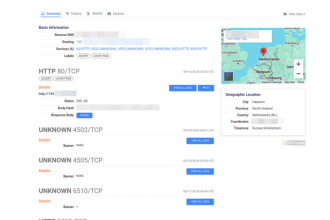
TECHNICAL BRIEF: STRATEGIC INFRASTRUCTURE TARGETING & GEOGRAPHIC MAP
- Primary Entity / System: Starlink Mobile Satellite Terminals
- Type / Classification: Low-Earth Orbit (LEO) Broadband Communication Hardware
- Operating Parameters / Specs: Velocity cap enforced at 160 km/h in motion
- Location & Coordinates Context: Zaporizhzhia Operational Sector
- Key Assessment / Threat Status: Tactical bandwidth restriction affecting high-speed mobile command units
Tactical Implications for Mechanized Units
Command and Control Vulnerabilities: The newly enforced speed restriction directly impacts armored personnel carriers and mobile command vehicles attempting to maintain high-speed data transmission while redeploying across contested terrain.
- Data Latency: Units operating above the 160 km/h threshold may experience intermittent packet loss or complete service interruption.
- Alternative Routing: Planners are forced to establish redundant communication nodes or rely on legacy VHF/UHF tactical radios during rapid displacement phases.
- Electronic Signature Management: Slower movement profiles or stationary data synchronization windows increase vulnerability to targeted electronic reconnaissance and artillery correction vectors.

As defense contractors and international policymakers continue to refine the rules governing dual-use technologies in active combat zones, the operational capabilities of field units will remain subject to remote software updates and regulatory frameworks. Defense analysts will continue to monitor how front-line units adapt their tactical doctrines to compensate for these digital speed limitations.
[tags]Starlink, Military Communications, Electronic Warfare, Satellite Technology, Tactical Mobility, Zaporizhzhia, Defense Intelligence[/tags]