














[image_alt]Tactical comparison of mechanized armor deployment versus lightweight infantry mobility in modern conflict sectors.[/image_alt]
The operational calculus governing modern tactical engagements has undergone a fundamental structural shift, driven by persistent reconnaissance and rapid-response kinetic strikes. Defense analysts tracking the ongoing conflict in Ukraine note that front-line commanders face an increasingly polarized operational environment. A single combat mission may dictate the deployment of nearly 20 tons of heavily armored mechanized hardware, while an adjacent sector requires a lightweight, acoustically suppressed motorcycle to maintain operational surprise.
This duality underscores the radical evolution of battlefield tactics, where traditional heavy armor must constantly adapt to pervasive drone surveillance, while high-mobility, low-signature platforms fill critical gaps in logistics and assault infiltration. Understanding these contrasting requirements provides critical insight into modern force structures documented by organizations such as the Institute for the Study of War and detailed in ongoing assessments by Reuters.

TECHNICAL BRIEF: STRATEGIC INFRASTRUCTURE TARGETING & GEOGRAPHIC MAP
- Primary Entity / System: Mechanized Armor vs. Acoustic-Suppressed Tactical Motorcycles
- Type / Classification: Hybrid Tactical Mobility & Heavy Infantry Fighting Vehicles
- Operating Parameters / Specs: Weight range from 20-ton armored platforms to sub-200kg high-torque two-wheelers
- Location & Coordinates Context: Zaporizhzhia Sector, Southern Operational Theater
- Key Assessment / Threat Status: Tactical adaptation to FPV drone saturation and pervasive thermal reconnaissance
The Heavy Armor Dilemma: Weight Versus Survivability
Mechanized Realities: Deploying platforms weighing 20 tons or more remains indispensable for infantry support, breaching fortified defensive lines, and providing organic direct-fire capabilities. However, heavy vehicles face severe vulnerability in environments saturated with loitering munitions and anti-tank guided missiles (ATGMs).
- Enhanced Protection: Modern upgrades frequently integrate cope cages, reactive armor arrays, and electronic countermeasure suites.
- Mobility Constraints: Muddy terrain and destroyed infrastructure frequently restrict heavy assets to predictable routes.
- Logistics Footprint: Fuel consumption and maintenance overhead demand robust supply lines protected from artillery interdiction.
To contextualize the broader implications of armored vehicle vulnerability and technological countermeasures, technical reference data can be cross-referenced via Wikipedia’s comprehensive military hardware entries.
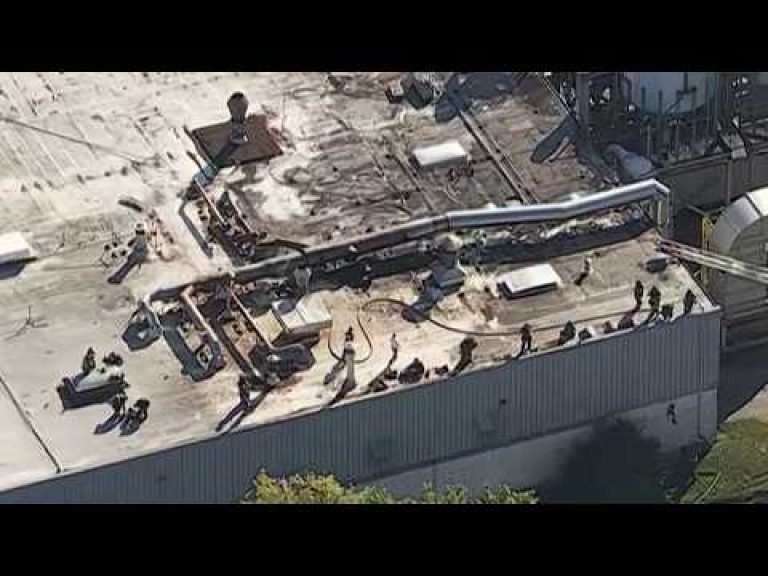
Massive Fire Breaks Out at Delaware Chocolate Factory as Crews Battle Flames
PHILADELPHIA — Emergency crews and local firefighters faced a smoky, high-stakes battle…

Unleashes Massive Performance: GIGABYTE Motherboards Dominate Intel 13th Gen Gaming Setups
Welcome back to the workbench here at The Philly PI, where we…
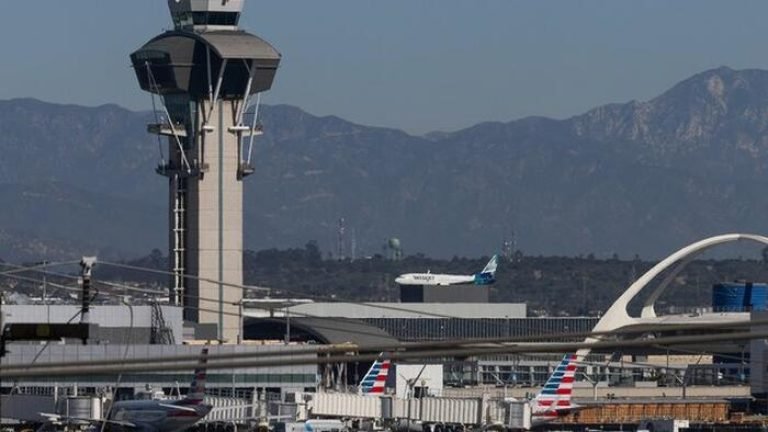
FBI Arrests Chinese Woman At LAX For Surveilling Son Of Taiwanese President
Authored by Lear Zhou via The Epoch Times, The Federal Bureau of…

How to Unlock Peak Performance and Overclock Your Samsung Galaxy S22 Today
In the fast-paced ecosystem of mobile computing, squeezing every ounce of performance…
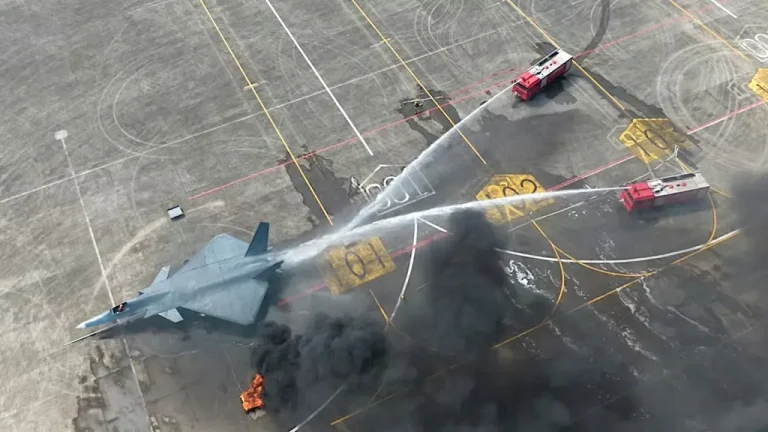
The box was opened very simply!
Yes, the answers are a classic riddle killer. Andreas Ruprecht, an expert…

The Asymmetric Shift: Low-Signature Mobility
Lightweight Infiltration: Conversely, the necessity to bypass sensor-rich airspace has elevated the tactical utility of dirt bikes and all-terrain vehicles. These platforms offer minimal radar and thermal cross-sections, allowing small assault elements to reposition swiftly under the cover of terrain folds.
- Acoustic Mitigation: Utilizing electric or specially muffled engines significantly reduces audible detection ranges.
- Payload Limitations: Operators are restricted to carrying personal kit, light crew-served weapons, and immediate-use ammunition.
- High Exposure: Personnel riding unarmored motorcycles lack physical protection against shrapnel, small arms, and fragmenting submunitions.

Strategic Outlook and Future Force Composition
Operational Synthesis: Military planners increasingly recognize that modern force design cannot rely on a single doctrinal approach. Success on the contemporary battlefield requires a balanced matrix combining heavy armor for breakthrough operations and agile, low-signature transport for reconnaissance and rapid tactical raiding.
As electronic warfare and autonomous targeting systems continue to evolve, the balance between heavy kinetic protection and absolute operational stealth will remain a defining challenge for modern defense commands worldwide.
[tags]Zaporizhzhia, Mechanized Armor, Tactical Motorcycles, Military Logistics, Drone Warfare, Asymmetric Tactics, Defense Analysis[/tags]