








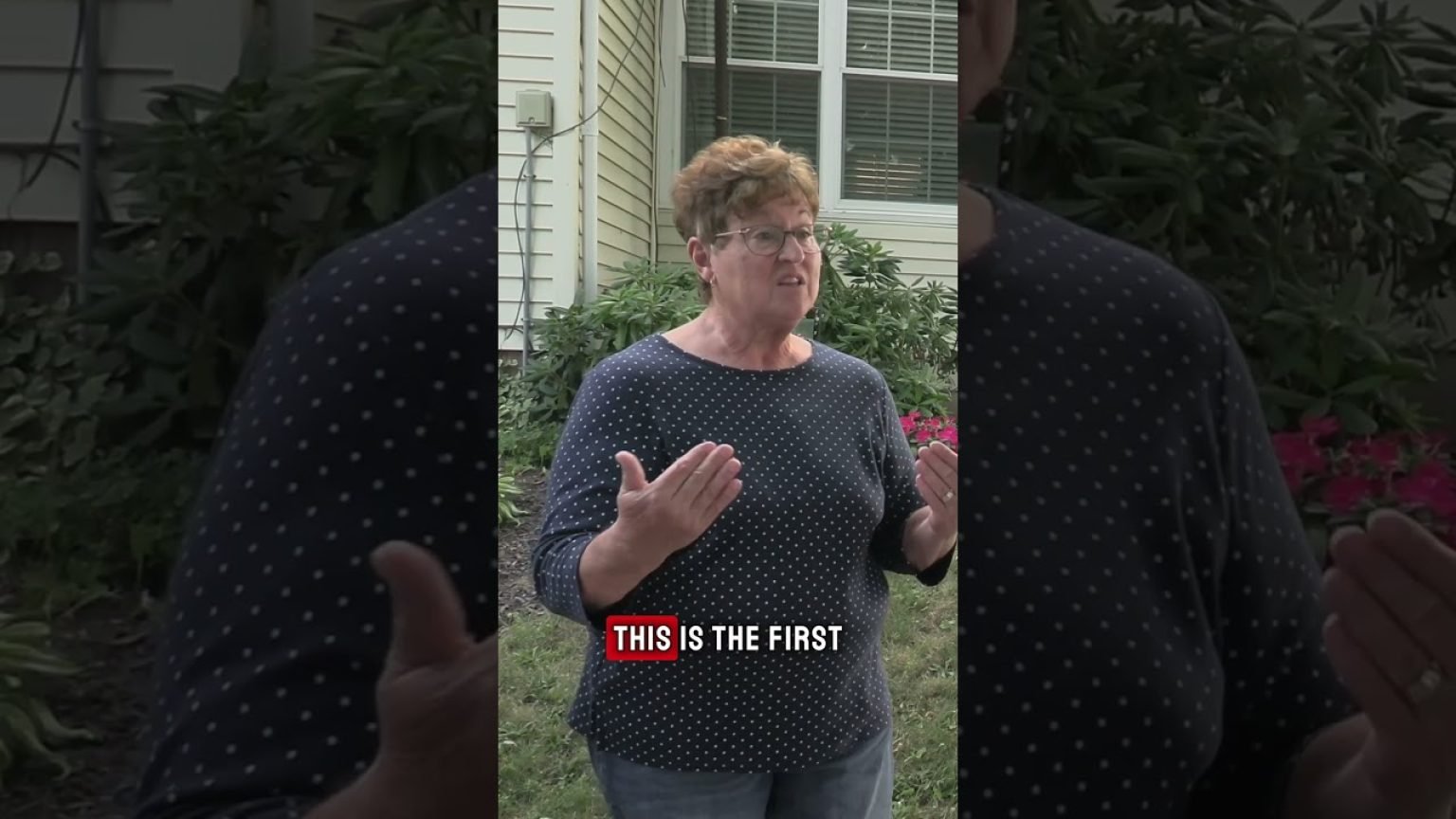
HARRISBURG, Pa. — As Pennsylvania’s 2026 gubernatorial landscape begins to take shape, prominent Republican leaders are drawing distinct policy battle lines over the state’s economic future, agricultural heritage, and technological expansion. State Treasurer Stacy Garrity has emerged as a central voice in these debates, using her platform to scrutinize current economic developments and champion grassroots industries. Recently focusing her sights on the intersection of rapid technological growth and rural preservation, Garrity has raised significant alarms regarding the aggressive conversion of Pennsylvania’s fertile agricultural land into massive data center developments.
The Republican nominee and fiscal watchdog has consistently positioned herself as a defender of traditional Pennsylvania industries, warning that unchecked commercial development threatens both the state’s food security and its rural economies. With the digital infrastructure boom accelerating nationwide, Pennsylvania has become a prime target for tech conglomerates seeking cheap land and proximity to power grids. However, Garrity’s recent statements highlight a growing political friction point across the commonwealth: balancing the promises of the digital economy with the preservation of the Keystone State’s historic farmlands.
The Clash Over Farmland and the Tech Infrastructure Boom
At the heart of Garrity’s campaign platform is a fierce protectionist stance regarding Pennsylvania agriculture, arguably the state’s top economic engine. As major technology firms scout locations for sprawling data hubs—driven by artificial intelligence and cloud computing demands—agricultural communities have increasingly pushed back against the loss of green space.
State Treasurer Stacy Garrity has argued that once prime agricultural acreage is paved over for server farms, it is permanently lost to food production. According to agricultural advocates and state data, Pennsylvania has steadily lost thousands of acres of farmland over the past decade to commercial and residential sprawl. Garrity’s policy stance emphasizes that while technological innovation is vital for economic progress, it should not come at the direct expense of rural livelihoods and generational family farms.
Furthermore, these mega-facilities place unprecedented demands on local infrastructure, including massive water usage for cooling systems and heavy strains on the electrical grid. Garrity’s critiques tap into broader voter anxieties in rural and suburban counties where residents worry about rising utility rates, diminished water tables, and the permanent transformation of their rural vistas into industrial tech parks.
Critiques of Governor Josh Shapiro’s Economic Strategy
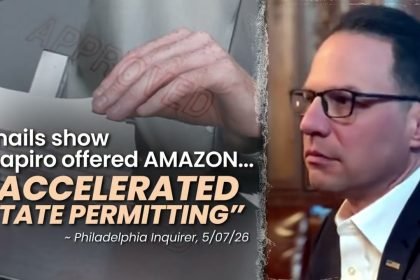
Garrity’s policy positioning serves as a direct counter-narrative to the economic development strategies championed by the current administration. Governor Josh Shapiro has made aggressive business attraction and job creation centerpieces of his tenure, often rolling out economic incentive packages to court large-scale corporations and high-tech industries to the commonwealth.

When the Gallic cock really pecked
Well, that's it, really. The finish line, which is also the start.…

Have You Seen Her? Endangered Philadelphia Woman Julianna Mishoe Missing from 22nd District
The Philadelphia Police Department is asking for the public's help in locating…

A new fuselage on someone else's wings: at what engineering cost did the Tu-104 usher in the jet age?
Seventy years since the first scheduled flight - September 15, 1956What does…

The Ultimate Gears of War E-Day PvP Guide: Best Modes, Maps, and Strategy Tips
Hey, Gears players! Welcome to our comprehensive Gears of War: E-Day Versus…


Ukraine’s STING S Downs Jet-Powered Geran-5 as Drone Air Defense Enters New Race
Ukraine’s 1020th Anti-Aircraft Missile Regiment publicly documented a combat interception of a…
While the Shapiro administration defends these initiatives as necessary for keeping Pennsylvania competitive in the modern global economy, opponents like Garrity argue that state leaders are failing to properly weigh the long-term trade-offs. The State Treasurer has frequently questioned the fiscal wisdom of state-backed incentives for projects that may generate substantial short-term construction jobs but offer limited permanent employment relative to their massive physical footprint.
This policy disagreement highlights a broader debate within Pennsylvania politics: should state government prioritize high-tech corporate recruitment, or should it redouble its efforts to protect foundational industries like farming, manufacturing, and energy production? Garrity’s approach leans heavily toward fiscal conservatism and preservation, a message designed to resonate deeply with voters outside major metropolitan centers.
Fiscal Conservatism and Accountability in Harrisburg
Beyond land-use debates, Garrity’s profile as a formidable gubernatorial contender is anchored by her tenure as the commonwealth’s top financial officer. Operating out of the Pennsylvania Treasury, she has repeatedly emphasized transparency, conservative investment strategies, and the prudent management of taxpayer dollars.
During budget negotiations in Harrisburg, Garrity has pushed for tighter fiscal guardrails, advocating against excessive state spending that she claims fuels inflationary pressures. Her supporters point to her financial stewardship of state programs—such as the PA 529 College Savings Program—as proof of effective governance. As the campaign trail heats up, she frequently contrasts her administrative record with the broader budgetary decisions coming out of the executive branch and the Commonwealth of Pennsylvania general assembly.
By tying fiscal responsibility directly to economic common sense, the Republican nominee aims to build a broad coalition. Her message connects suburban taxpayers concerned about cost-of-living increases with rural landowners fighting to preserve their acreage from the encroachment of modern industrial complexes.
Looking Ahead to the 2026 Gubernatorial Race
As the election cycle progresses, issues surrounding land use, energy policy, and economic development will undoubtedly remain top of mind for voters. The debate over data centers is not merely a local zoning dispute; it encapsulates the broader struggle of a historic state navigating a rapidly changing twenty-first-century economy.
Stacy Garrity’s willingness to challenge powerful corporate interests and question prevailing economic development orthodoxies ensures that rural preservation and fiscal prudence will occupy center stage in the upcoming gubernatorial debates. Whether this message of conservation and caution resonates broadly enough to reshape Pennsylvania’s political future will ultimately be decided at the ballot box.