


![Wanted: Suspect for Multiple Robberies in the 3rd District [VIDEO]](https://thephillypi.com/wp-content/uploads/2026/07/Wanted-Suspect-for-Multiple-Robberies-in-the-3rd-District-VIDEO-330x220.jpg "Wanted: Suspect for Multiple Robberies in the 3rd District [VIDEO]")



In the fog of modern warfare, “denial of assets” is a cold, calculated necessity. Last night, that necessity took the form of a precision strike in the Iranian interior, leaving behind the charred skeletons of two of the U.S. military’s most specialized airframes.
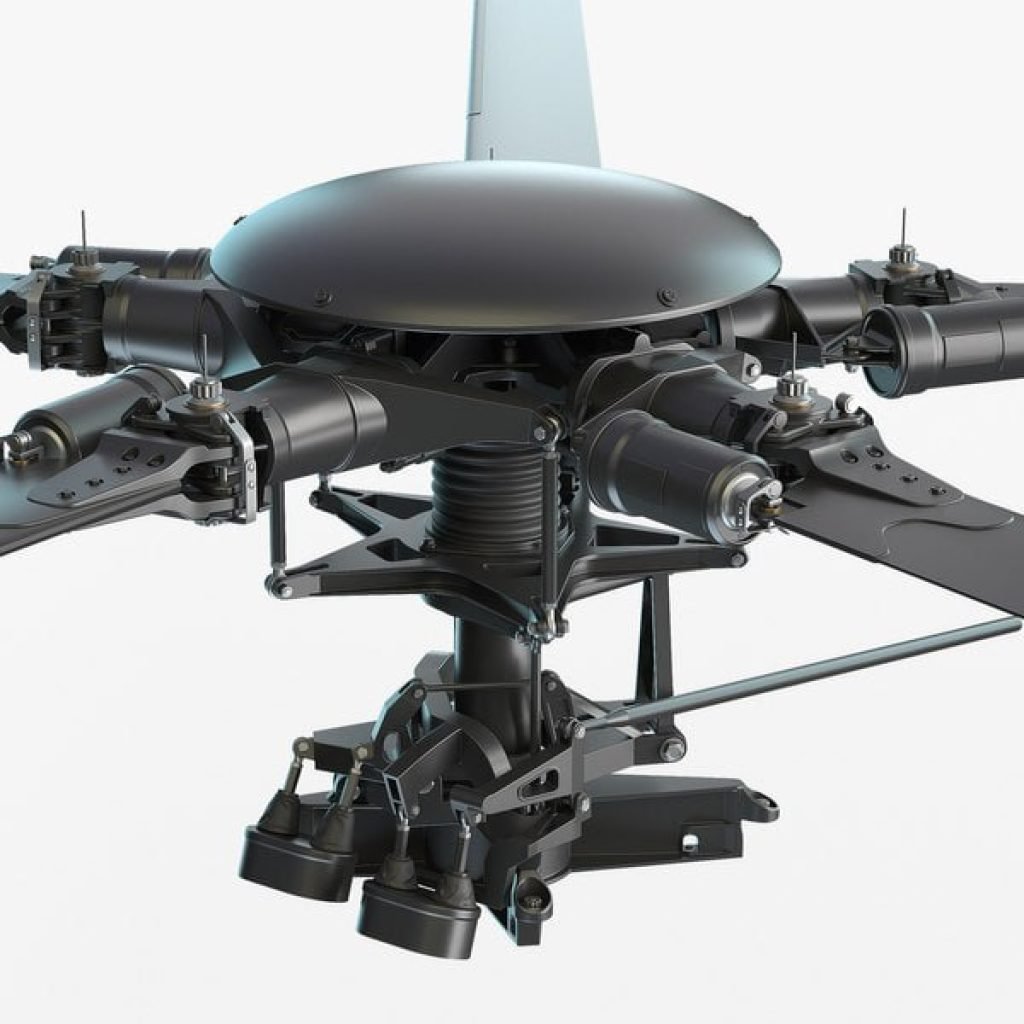
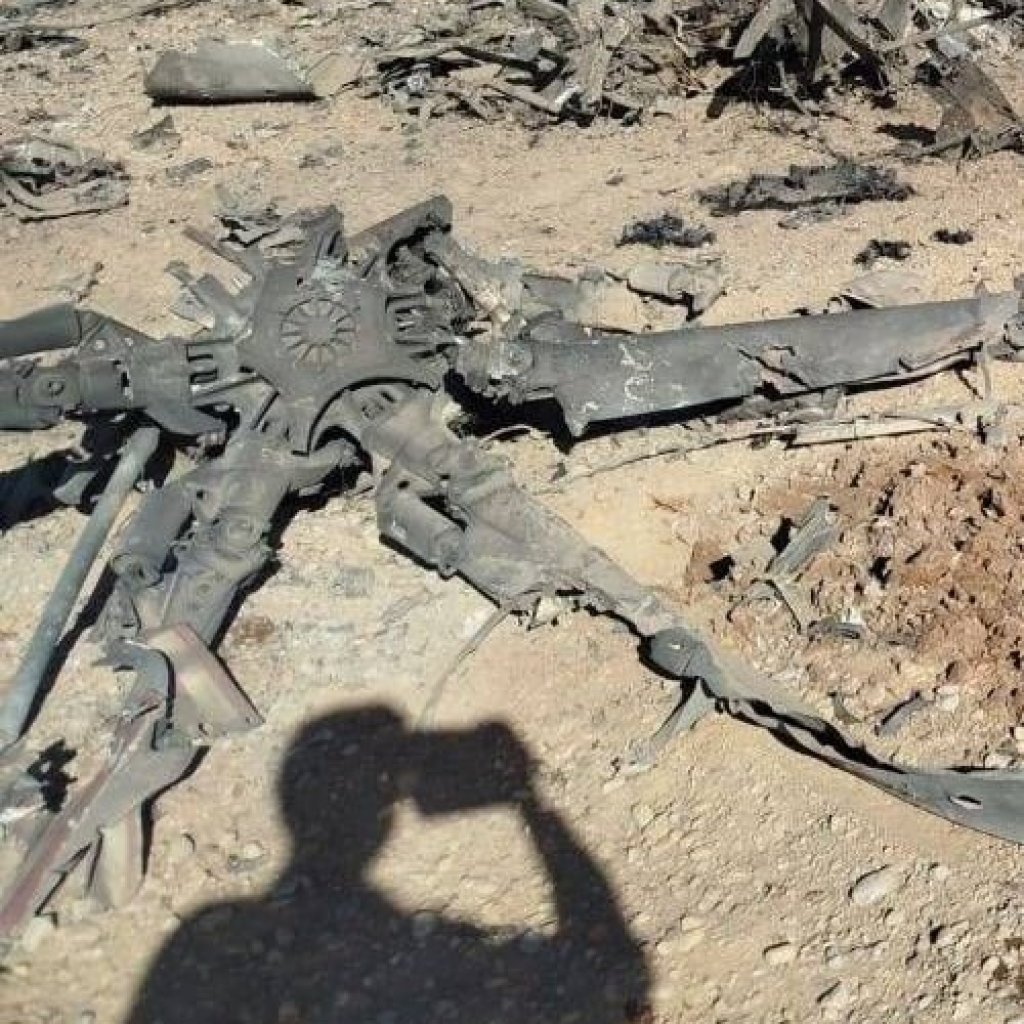
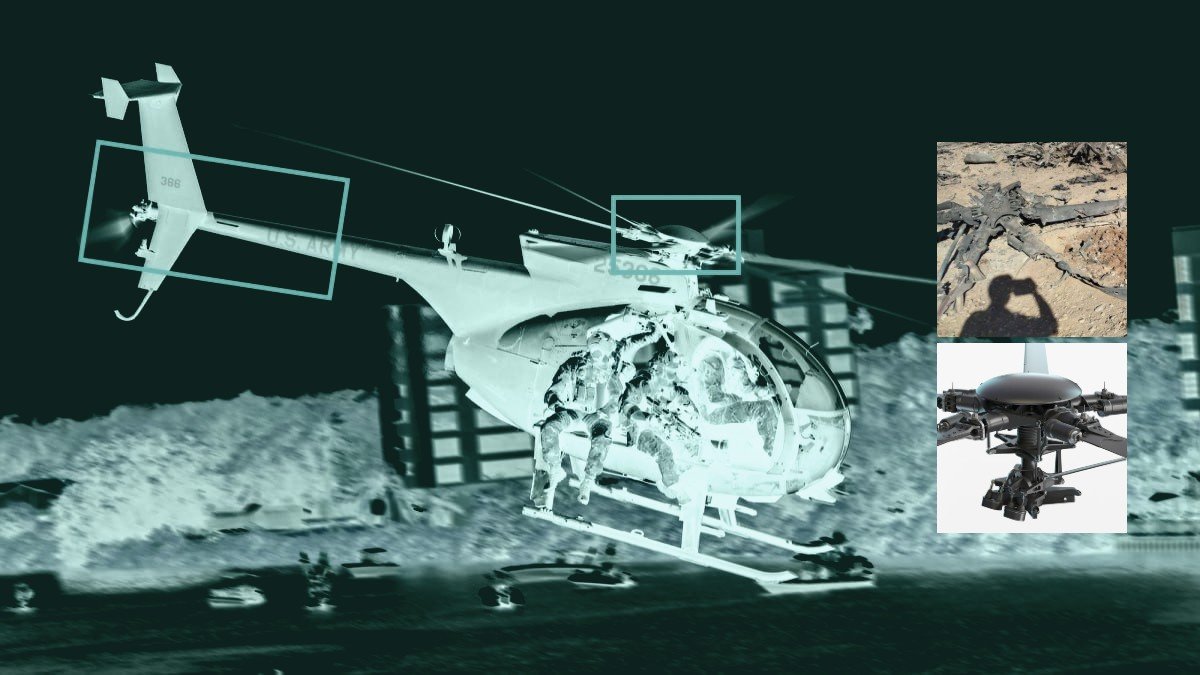
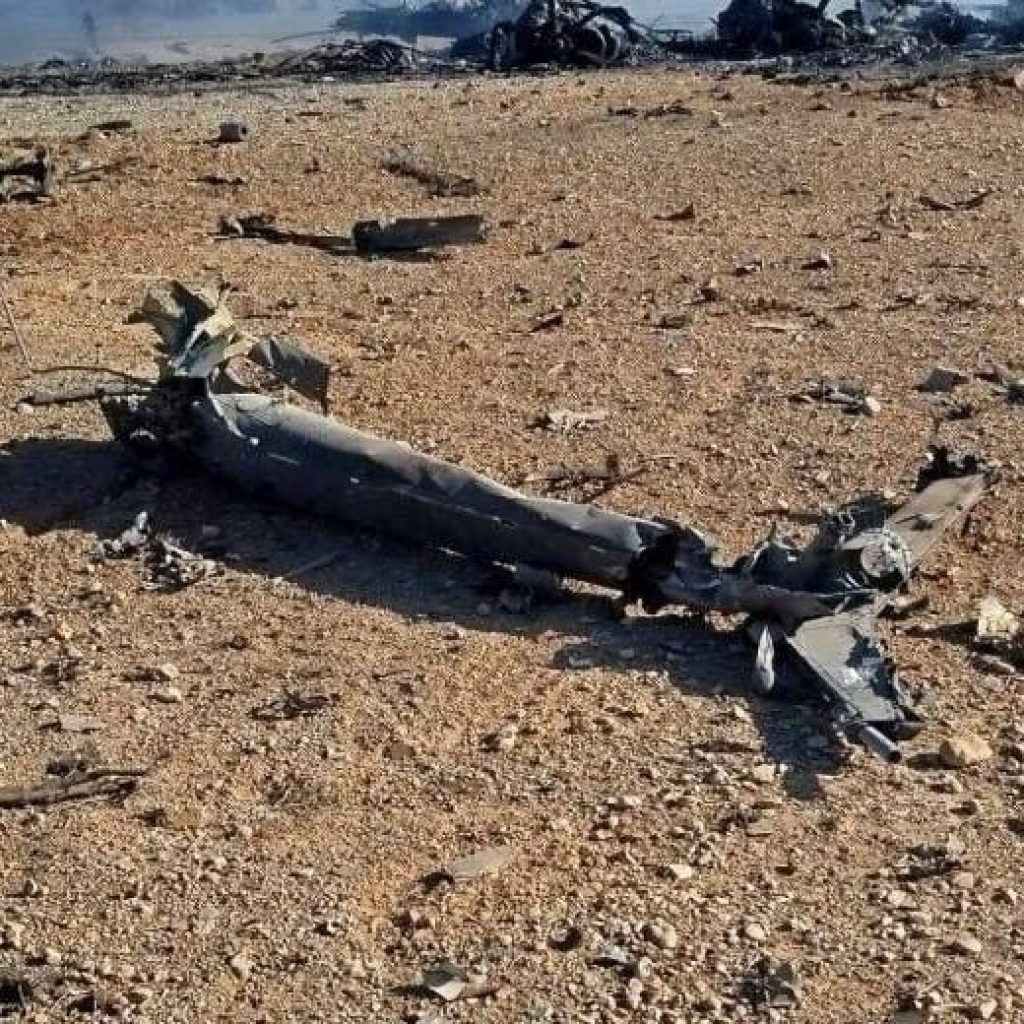
Evidence emerging from the region shows the wreckage of an MH-6 Little Bird light helicopter resting alongside the remains of an HC-130J Combat King II. These weren’t casualties of enemy fire—they were victims of a “self-destruct” protocol initiated by the U.S. Air Force to ensure that cutting-edge technology didn’t fall into the hands of the Islamic Revolutionary Guard Corps (IRGC).
The Shadow Warriors: NSWDG and the 24th STS
The presence of an MH-6—a helicopter almost exclusively used by 160th SOAR—points to a high-level Personnel Recovery (PR) mission.
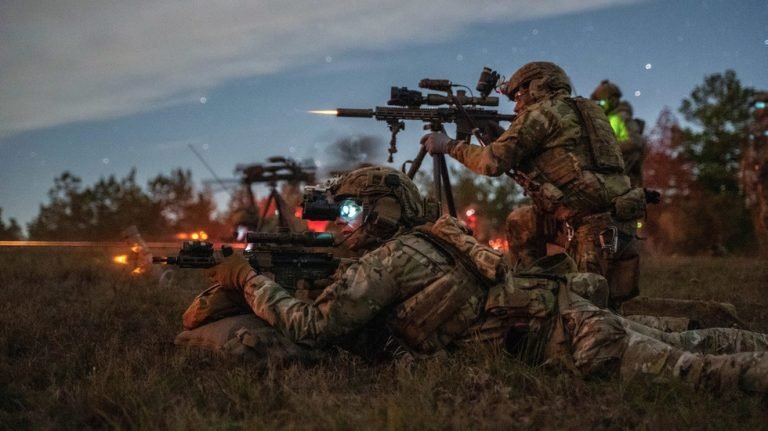
Intelligence suggests that elite operators from the Naval Special Warfare Development Group (NSWDG) and the Air Force’s 24th Special Tactics Squadron (STS) were the boots on the ground. The MH-6 is the scalpel of the special operations world; its small footprint and extreme agility make it the perfect vehicle for surveying a crash site, extracting a downed pilot, and withdrawing before the enemy can close the perimeter.
Pentagon eyeing megaraid to steal Iran’s nuclear stockpile
The Pentagon is contemplating what could become “the most sophisticated operation in military…

Endangered Missing Juvenile Eli Guzman from the 24th District
The Philadelphia Police Department is seeking the public’s assistance in locating endangered…

CVE-2026-1731 fuels ongoing attacks on BeyondTrust remote access products
Attackers are exploiting CVE-2026-1731 in BeyondTrust RS and PRA to deploy VShell,…

Trump teleprompter operator probed for alleged insider betting
Veteran White House staffer Gabriel Perez is believed to have made more…

Birthright citizenship makes Chinese billionaire’s 100+ surrogate babies eligible to become US president
A Chinese tech tycoon posted a photo of the more than 100…

Russia opens applications for international film session
The Diamond Butterfly award brings together young filmmakers from around the world…
The HC-130J Combat King II, meanwhile, acts as the “mother ship.” It is a dedicated search-and-rescue platform capable of refueling helicopters in mid-air and providing a mobile command center for the jump teams. Seeing these two titans reduced to scrap in the same location tells a story of a mission that likely went “hot” faster than anyone anticipated.
The Logic
Why bomb your own equipment? For the U.S. military, the risk of “reverse engineering” is far more costly than the price tag of the aircraft.
- Avionics & Comm Systems: The MH-6 and HC-130J carry encrypted communication suites and low-light sensor packages that are highly classified.
- Special Ops Modifications: The specific configurations used by the 24th STS for night-time extraction are proprietary and give the U.S. a significant tactical edge.
When a rescue aircraft becomes disabled—whether by mechanical failure or ground fire—the priority shifts from “recovery” to “elimination.” The Air Force strikes were likely carried out by F-15E Strike Eagles or drones to ensure that by the time IRGC forces reached the site, they found nothing but melted aluminum and scorched earth.
Reality
There is a visceral, cinematic quality to this sequence: the silent insertion of the Little Bird into a hostile valley, the desperate search for a pilot under the cover of a Combat King, and the final, thunderous strike from above to erase the evidence of the attempt. It is a modern-day Black Hawk Down, played out with 2026 technology and even higher geopolitical stakes.
In the “Gonzo” tradition of investigative reporting, we have to look past the official press releases. This wasn’t just a “loss of equipment”; it was a high-stakes chess move. The U.S. chose to burn millions of dollars in hardware to keep its secrets safe, leaving the IRGC with a hollow victory and a pile of ashes.
The rescue attempt may have ended in fire, but the operators involved are likely already back at a staging base, preparing for the next “quiet” mission. The war in Iran continues to be a series of invisible victories and very visible, smoking ruins.