







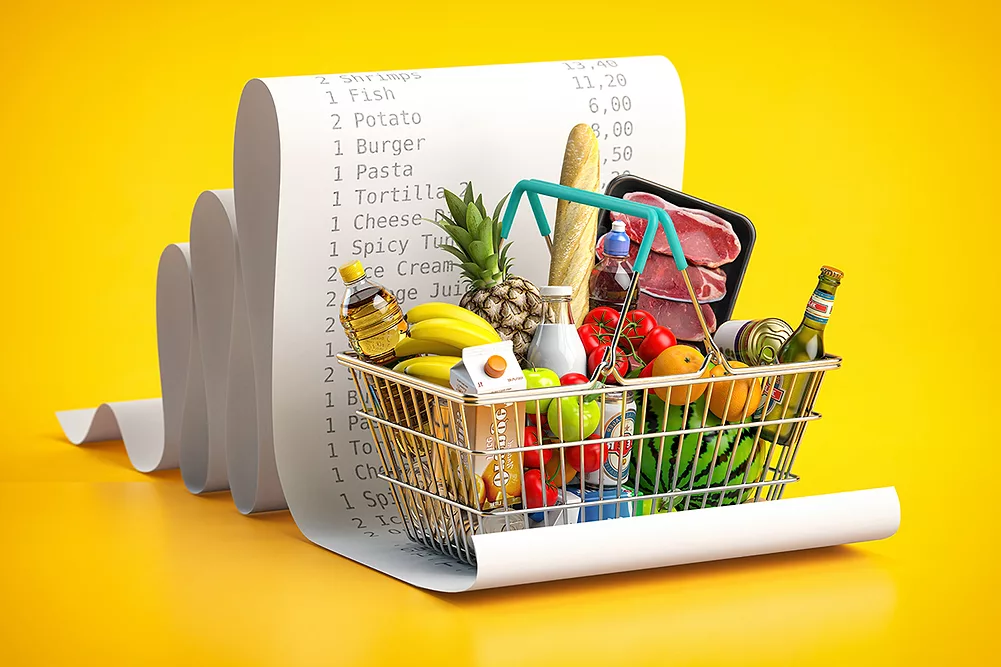
As of March 18, 2026, the U.S. faces persistent food price pressures, with grocery inflation ticking up amid supply strains, weather events, and lingering global disruptions. The USDA’s latest Food Price Outlook forecasts food-at-home prices rising 2.5% in 2026, below the long-term average but still burdensome for households—beef up sharply, sugar and sweets surging, and overall food costs climbing 3.1% including dining out.
Amid this squeeze, speculation swirls around Central Bank Digital Currencies (CBDCs)—a potential “digital dollar”—as a tool to address inflation crises like food affordability. Critics warn that programmable CBDCs could enable government rationing of essentials, turning money into restricted tokens (e.g., funds limited to food purchases, expiring balances, or carbon/meat budgets in extreme hypotheticals seen in global pilots).
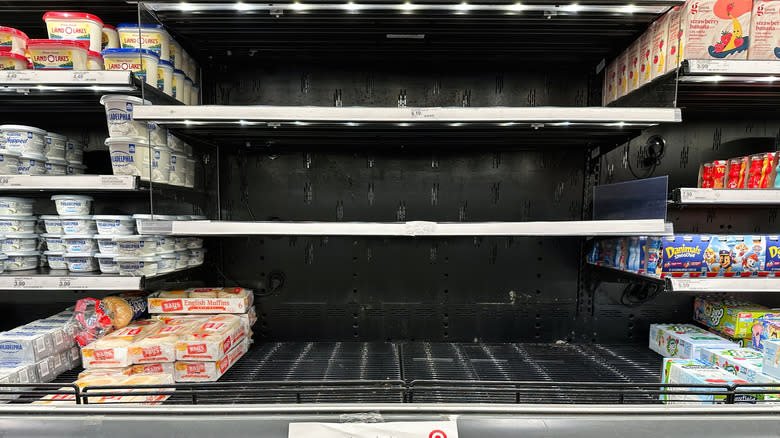
Proponents argue programmable features could stabilize prices by directing stimulus precisely—such as enhanced SNAP-like benefits via digital wallets ensuring aid reaches groceries without leakage. In theory, a CBDC might allow dynamic interest rates on savings to curb demand-pull inflation without broad rate hikes that hurt borrowers.
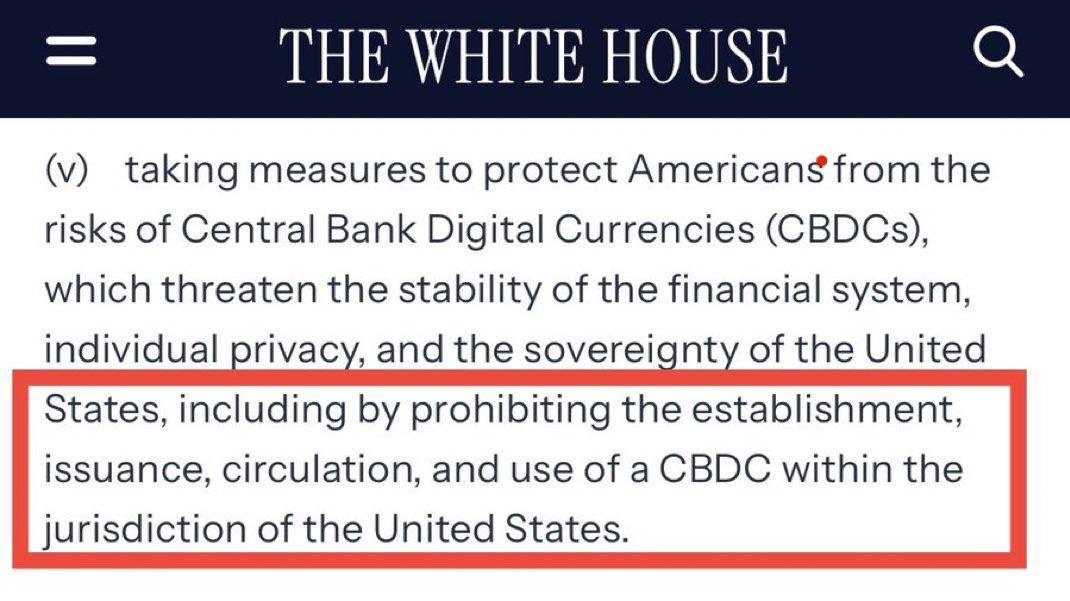
However, the U.S. trajectory points away from such scenarios. Congress has advanced multiple bans: the Senate tucked a temporary prohibition (through 2030) into a housing bill, while bills like the No CBDC Act and Anti-CBDC Surveillance State Act aim to block the Federal Reserve from issuing retail CBDCs outright. President Trump’s executive actions reinforce opposition, prioritizing stablecoin frameworks over government digital money.The Fed maintains no plans for a CBDC without explicit congressional approval, emphasizing privacy, intermediation through banks, and no replacement of cash. FedNow’s real-time payments expand without programmability concerns tied to food crises.

Resurfaced Childhood Photo of Hasan Piker Triggers Online Debate Over Wealth and Authenticity
An old photograph of political commentator and Twitch streamer Hasan Piker riding…

Shadow Capital: Inside the Whistleblower Lawsuits and Media Silence Surrounding Ideal Living LLC
LOS ANGELES — Inside the lucrative, highly competitive direct-to-consumer wellness industry, corporate…

‘Influencer’ tries to justify her 26-week abortion, sparking outrage online
A social media influencer has publicly documented the details of her abortion…
![Wanted: Suspects for Attempted Robbery in the 22nd District [VIDEO]](https://thephillypi.com/wp-content/uploads/2026/08/Wanted-Suspects-for-Attempted-Robbery-in-the-22nd-District-VIDEO-768x477.jpg)
Wanted: Suspects for Attempted Robbery in the 22nd District [VIDEO]
The Philadelphia Police Department-Central Detective Division is seeking the public’s help in…

Poland, US Discuss Establishing Permanent American Military Bases
Authored by Jill McLaughlin via The Epoch Times, Poland and Pentagon officials…
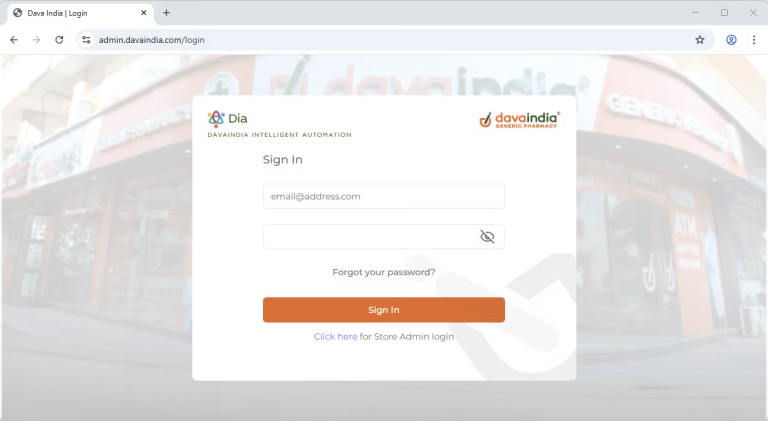
A security flaw at DavaIndia Pharmacy allowed attackers to access customers’ data and more
A security flaw at DavaIndia Pharmacy exposed customer data and gave outsiders…

While countries like India pilot CBDC-linked food subsidies (e.g., digital coupons for rations), U.S. lawmakers cite surveillance risks, loss of financial freedom, and threats to privacy as reasons to reject programmable controls. For now, food price relief hinges on traditional policy—supply boosts, trade adjustments, and monetary tools—rather than a digital dollar overhaul.The debate underscores tensions: could CBDCs tame inflation through precision, or risk overreach in rationing basics like food? With bipartisan resistance strong, a U.S. CBDC “coming for” the food crisis remains distant speculation, not imminent reality.