






In March 2026, President Donald Trump’s second term faces mounting chaos as his administration’s aggressive foreign policy triggers widespread energy devastation. The U.S.-led “Operation Epic Fury” against Iran, launched to crush Tehran’s nuclear ambitions and regime, has escalated into a full-scale conflict. Iran retaliated by disrupting the Strait of Hormuz—choking 20% of global oil flows—driving Brent crude prices above $110 per barrel and U.S. gasoline costs soaring over 20% in weeks.
Allied strikes damaged Iranian gas facilities, while Iranian forces targeted Gulf oil infrastructure, prompting evacuation warnings across Saudi Arabia, UAE, and Qatar. Oil executives privately warned the White House of deepening crises, contradicting Trump’s “energy dominance” promises of lower prices via fossil fuel expansion.
Compounding the turmoil, Russia’s intensified attacks on Ukraine’s energy grid—over 200 strikes in 2026 alone—have crippled power generation, leaving millions in subzero darkness and threatening economic collapse. Thermal plants lie in ruins, with capacity slashed dramatically.
Domestically, critics decry the war as a reckless “war of choice,” eroding Trump’s approval amid rising inflation fears and military casualties. Allies question U.S. reliability, while markets reel from supply shocks despite record American production. As energy blackouts spread globally, the administration’s bold gambit appears to accelerate its own unraveling, exposing vulnerabilities in a world hooked on fragile fossil infrastructure.

Was Kojima the saviour of PlayStation’s State of Play?
This week on the Eurogamer Newscast, we discuss yesterday's PlayStation State of…

Who is Roger Avary? The Unfiltered Architect of Cult Cinema
If Quentin Tarantino is the face of the 90s independent film revolution,…
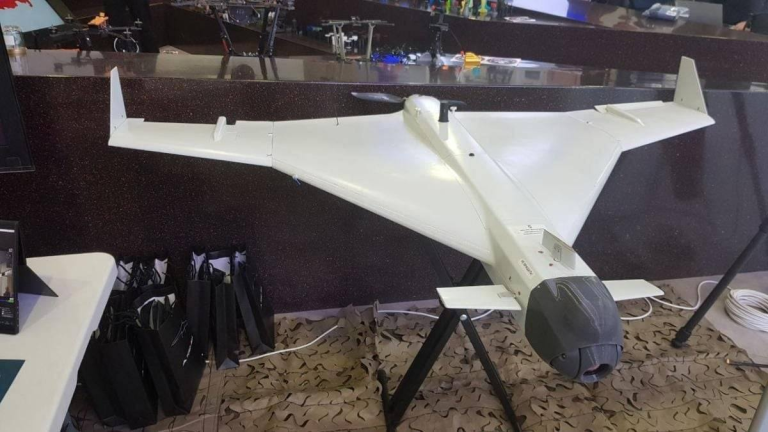
Captured: Ukraine Downs Russia’s Rare “Klin” AI Kamikaze Drone
In a significant intelligence win for Kyiv, Ukrainian forces have recovered the…
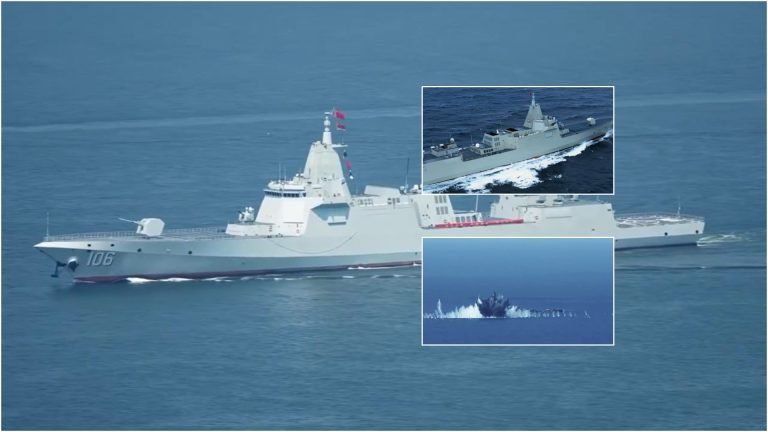
China’s PLA Navy just flexed hard: 10 Type 055 “super destroyers” now in the water, each packing 112 vertical launch cells loaded with hypersonic missiles that can scream 2,000 km.
That's not a fleet update. That's a statement. The post from PLA…

Critical Fortinet FortiClient EMS flaw exploited for Remote Code Execution
Attackers are exploiting a critical Fortinet FortiClient EMS flaw (CVE-2026-21643) that…
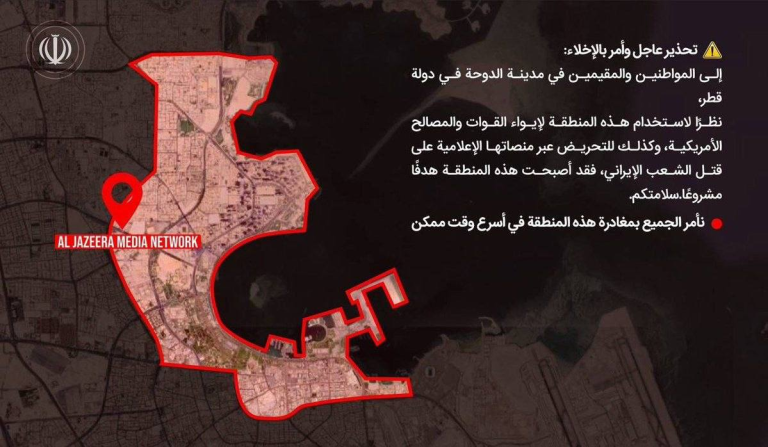
Fact Check: Fake IRGC “Evacuation Warning” Targets Al Jazeera in Doha
A viral infographic claiming that the Islamic Revolutionary Guard Corps (IRGC) issued…