

















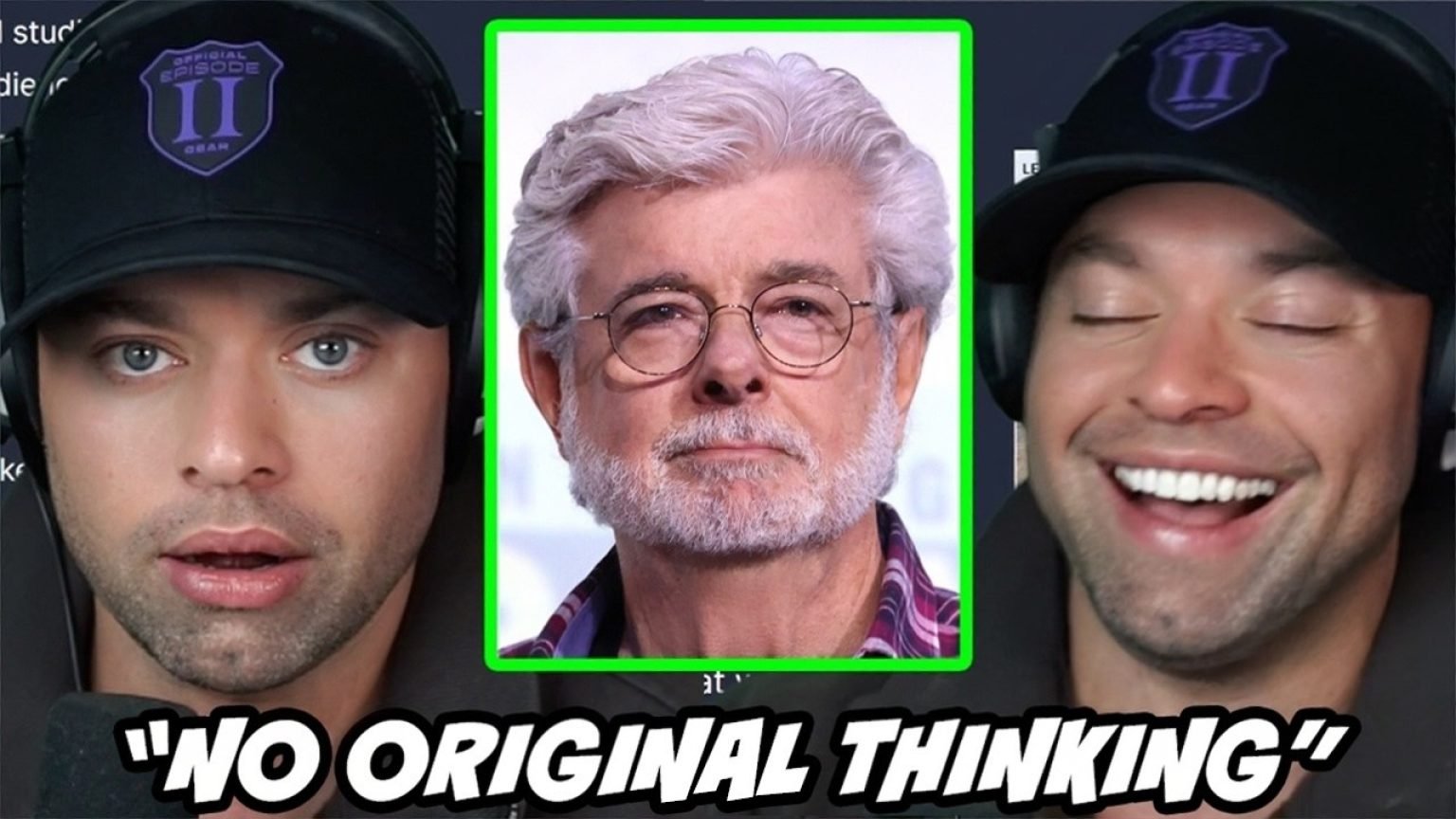
The debate surrounding the modern entertainment landscape continues to rage on, with industry veterans, creators, and audiences frequently weighing in on why contemporary blockbusters often miss the mark. When examining the current state of the film industry, conversations often pivot back to foundational storytelling principles. A recent discussion highlighting George Lucas’s perspective on modern cinema has once again sparked widespread debate across pop culture circles, forcing fans and critics alike to re-examine what truly makes a compelling cinematic experience.
The Core Philosophy of Visual Storytelling
At the heart of the ongoing discussion about artistic missteps in the movie business is a fundamental misunderstanding of the medium’s primary strengths. Cinema, by definition, is a visual medium. Long before synchronized sound revolutionized the silver screen, legendary directors proved that raw emotion, complex narratives, and character arcs could be communicated entirely through framing, movement, and imagery. According to insights associated with the creator of Star Wars, contemporary studio releases frequently rely too heavily on exposition and dialogue rather than letting the visuals drive the plot forward.
When filmmakers forget that pictures should tell the primary story, the magic of the cinematic experience begins to fade. Modern blockbusters often fall into the trap of over-explaining motivations, leaving little room for audience interpretation or visual wonder. This shift from showing to telling changes the fundamental relationship between the viewer and the screen, transforming an immersive journey into a passive lecture.
Prioritizing Spectacle Over Substance
Another major criticism leveled against contemporary filmmaking is the over-reliance on computer-generated imagery (CGI) as a substitute for genuine narrative depth. While technological advancements have given creators unprecedented tools to bring fantastical worlds to life, technical prowess alone cannot salvage a weak script. Iconic cinematic universes, such as the expansive lore documented on Wookieepedia, succeed not merely because of special effects, but because they are anchored by resonant themes, high stakes, and relatable character struggles.
- Character-Driven Plots: Great stories prioritize personal growth and emotional resonance over mere visual noise.
- Thematic Weight: Timeless narratives explore universal human truths, politics, morality, and sacrifice.
- World-Building Restraint: Leaving certain elements mysterious often enhances the audience’s engagement rather than explaining every minute detail.
The Shift From Risk-Taking to Corporate Formulas
Beyond creative choices, the financial mechanics of modern studio filmmaking play a massive role in artistic stagnation. Modern conglomerates prioritize risk aversion, relying on safe sequels, reboots, and established intellectual properties to guarantee box office returns. Unfortunately, this corporate-driven approach often suffocates originality. When every multi-million-dollar project must pass through countless executive notes and market research groups, the distinct voice of the auteur is frequently diluted.

Best RTX 5060 Ti Gaming PC Deal: Save $200 on This 1440p Intel i7 Rig Under $1,500
Score a 1440p-Ready Gaming PC with an RTX 5060 Ti 16GB for…

SoftBank Seeks $100 Billion from Gulf States for AI
SoftBank Group seeks to raise as much as $100 billion from Gulf…

Congressman Dan Meuser on National Report
In a recent media appearance on Newsmax’s National Report, U.S. Representative Dan…

Premature Swedish pride: The world's largest electric plane, the X1, has taken to the skies.
There have been no significant developments in the civil aviation industry for…

Walmart Pricing Error Score: $2,299 CyberPowerPC Gaming Rig With RTX Specs Slashed to $1,099
Lucky Shopper Scores $1,200 Discount After Walmart Honors Massive Price Mistake One…
Independent visions and daring narrative choices are what originally put powerhouse franchises on the map. By playing it safe, contemporary studios inadvertently alienate the very fanbase they hope to capture, proving that audiences crave authenticity and bold risks over polished mediocrity.
Moving Forward: Can Modern Cinema Reclaim Its Magic?
As the entertainment industry navigates changing viewer habits and streaming dominance, the path forward requires a return to foundational storytelling roots. Creators must remember that technology is merely a brush, not the painting itself. By focusing on compelling characters, immersive worlds, and trusting the audience’s intelligence, filmmakers can restore the wonder that defined generations of classic cinema.
Ultimately, the critique of modern entertainment serves as a vital reminder of what makes great art endure. Whether analyzing a galaxy far, far away or exploring ground-level human dramas, the core tenets of compelling narrative structure remain unchanged.
[tags]George Lucas, Hollywood Criticism, Filmmaking Philosophy, Star Wars Lore, Visual Storytelling, Modern Cinema, Movie Industry Trends[/tags]