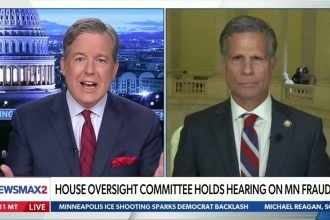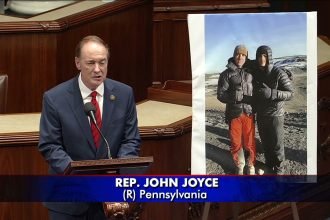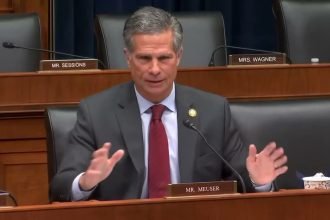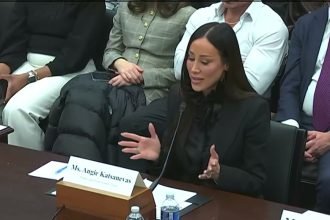














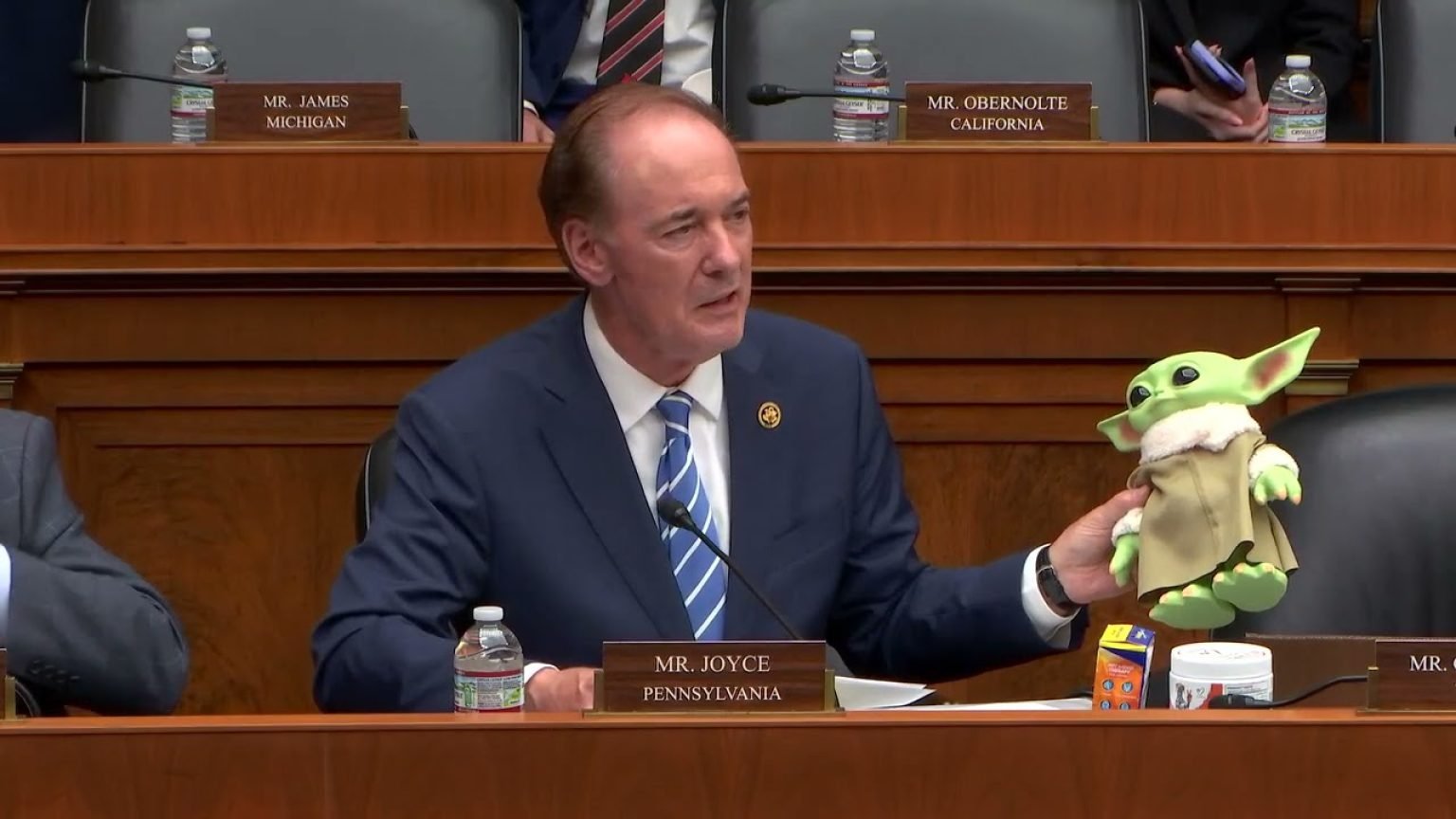
As American supply chains face mounting pressures from global trade dynamics, lawmakers on Capitol Hill are raising urgent alarms regarding the massive influx of counterfeit merchandise entering the United States from overseas markets. In a recent congressional address, officials focused heavily on the national security, economic, and public health threats posed by illicit goods flooding American commerce channels, particularly originating from manufacturing hubs in China.
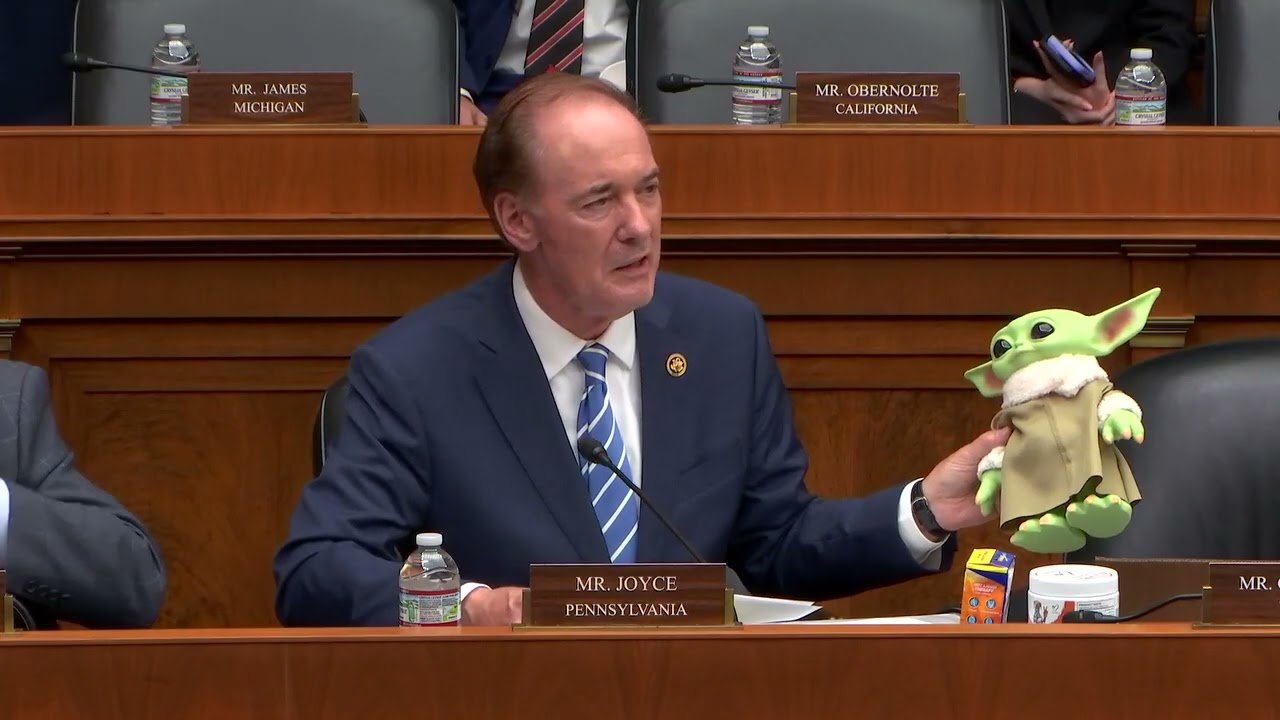
This growing crisis has spurred bipartisan concern among federal legislators who argue that current customs enforcement mechanisms, e-commerce loopholes, and lax international trade regulations are failing to protect American consumers and domestic manufacturers. As policy experts and congressional committees dig deeper into the issue, the pressure is mounting on federal agencies to overhaul import oversight and crack down on bad actors exploiting global shipping networks.
The Growing Threat of Counterfeit Goods to U.S. Markets
The proliferation of counterfeit products has transformed from a mere intellectual property concern into a sophisticated economic and security challenge. Illicit supply chains bypass rigorous safety standards, undercutting legitimate businesses that invest heavily in compliance, quality control, and domestic job creation. According to trade analysts and congressional briefings, billions of dollars in fraudulent merchandise flow into the country annually, masquerading as authentic consumer goods, electronics, pharmaceuticals, and industrial components.
Furthermore, these counterfeit operations often rely on unregulated labor practices and lack environmental safeguards. Lawmakers emphasize that the economic damage extends far beyond lost corporate revenue; it directly harms American workers whose livelihoods are threatened by unfair competition. The ease with which foreign counterfeiters can list and sell these items directly to U.S. buyers via online marketplaces highlights an urgent need for comprehensive regulatory reform.
Exploiting De Minimis and E-Commerce Loopholes
A primary driver behind the surge of illicit goods is the exploitation of customs loopholes, most notably the de minimis threshold. This trade rule exempts low-value shipments—often individual packages sent directly from foreign factories to consumers—from traditional tariffs, rigorous inspections, and detailed customs data collection.

Intel i5 Versus i7 Benchmarked: Which Processor Dominates 4K Video Editing?
When configuring a workstation for content creation, system integrators and video editors…

Shocking Surveillance Video Reveals Exact Moment School Bus Struck in Delco
UPPER DARBY, Pa. — Shocking new surveillance footage has emerged from Delaware…

RTX 5070 Ti & Ryzen 9800X3D Gaming PC Drops $450 to $2,549.99
Save $450 on the ABS Stratos II Ruby Gaming PC Featuring an…
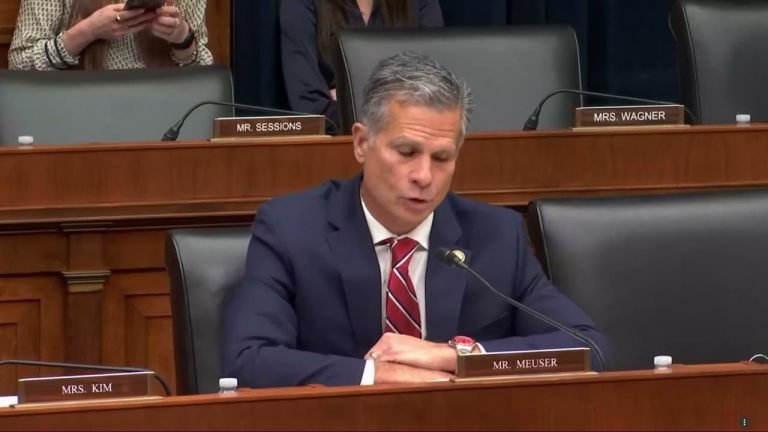
Meuser Speaks in Support of the Housing 21st Century Act
WASHINGTON — In a recent push addressing one of the most pressing…
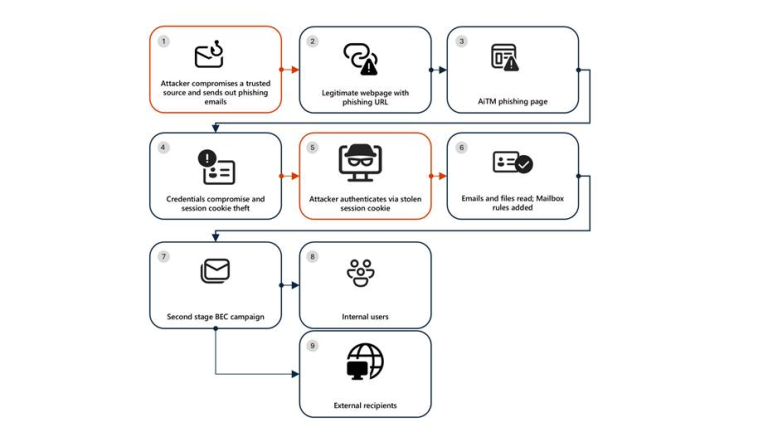
Energy sector targeted in multi-stage phishing and BEC campaign using SharePoint
Microsoft warns of a multi-stage phishing and BEC campaign hitting energy firms,…

A wingman who carries his wingmen: How Türkiye is making air war cheaper
On August 14, 2026, Turkish Aerospace demonstrated the ANKA III stealth UAV…
Bad actors have weaponized this provision by fragmenting massive commercial shipments into millions of individual parcels, effectively blinding customs officials to the sheer volume of illicit trade entering the nation. Federal policymakers are actively reviewing proposals to reform these outdated customs exemptions, arguing that closing the loophole is essential to restoring supply chain integrity.
- Strengthening data requirements for foreign e-commerce sellers.
- Increasing physical inspections at international mail facilities and ports of entry.
- Enhancing penalties for platforms that knowingly facilitate the sale of counterfeit merchandise.
- Coordinating with international allies to target the manufacturing origins of illicit goods.
National Security and Public Safety Implications
Beyond the economic fallout, the flood of unregulated products poses direct risks to American consumers. Counterfeit goods frequently evade mandatory safety testing, leading to hazardous incidents involving faulty electronics, toxic materials in children’s toys, and substandard automotive parts. In the realm of public health, counterfeit pharmaceuticals and medical devices present a lethal danger to patients relying on genuine treatments.
Intelligence and law enforcement agencies have also noted alarming connections between counterfeit distribution networks and transnational organized crime. The profits generated from selling fake goods are frequently funneled into illicit enterprises, including drug trafficking, cybercrime, and money laundering. Addressing these supply chain vulnerabilities is therefore viewed not just as a matter of consumer protection, but as a critical component of broader national security strategies.
Legislative Solutions and Congressional Action
To combat these escalating threats, members of Congress are pushing for targeted legislative interventions. Committees with jurisdiction over international trade and commerce are working to draft bills that empower agencies like U.S. Customs and Border Protection (CBP) with advanced screening technologies and broader enforcement authorities. Lawmakers are also urging online retail giants to adopt proactive verification protocols to prevent fraudulent third-party vendors from reaching American buyers.
As discussions continue in Washington, stakeholders are encouraged to monitor ongoing legislative developments and official federal resources. For more information on pending bills, congressional hearings, and legislative tracking, visit Congress.gov or review committee updates provided directly by House.gov.
Ultimately, safeguarding the U.S. economy from foreign counterfeit operations will require a coordinated effort between federal lawmakers, regulatory agencies, and the private sector. By closing regulatory loopholes and enforcing stricter accountability standards, the United States can better defend its markets, protect consumer safety, and ensure a level playing field for domestic enterprises.
[tags]Counterfeit Products, Supply Chain Security, China Trade, U.S. Congress, E-Commerce Loopholes, Consumer Safety, International Trade, Customs Enforcement[/tags]