















Choosing Buckshot for the Home Defense Shotgun: A Definitive Ballistic Breakdown
When seconds count in a critical home defense scenario, few platforms command the immediate psychological and physical authority of a 12-gauge shotgun. However, simply grabbing any box of shells off the shelf is a recipe for disaster. Pattern dispersion, over-penetration risks, and payload selection dictate whether your defensive tool functions as a life-saving asset or an uncontrolled liability. In this comprehensive gear review and ballistic analysis, we break down what makes an ideal defensive shotshell, examining pattern consistency, terminal mechanics, and payload distribution to help you make an informed decision for your primary home defense scattergun.
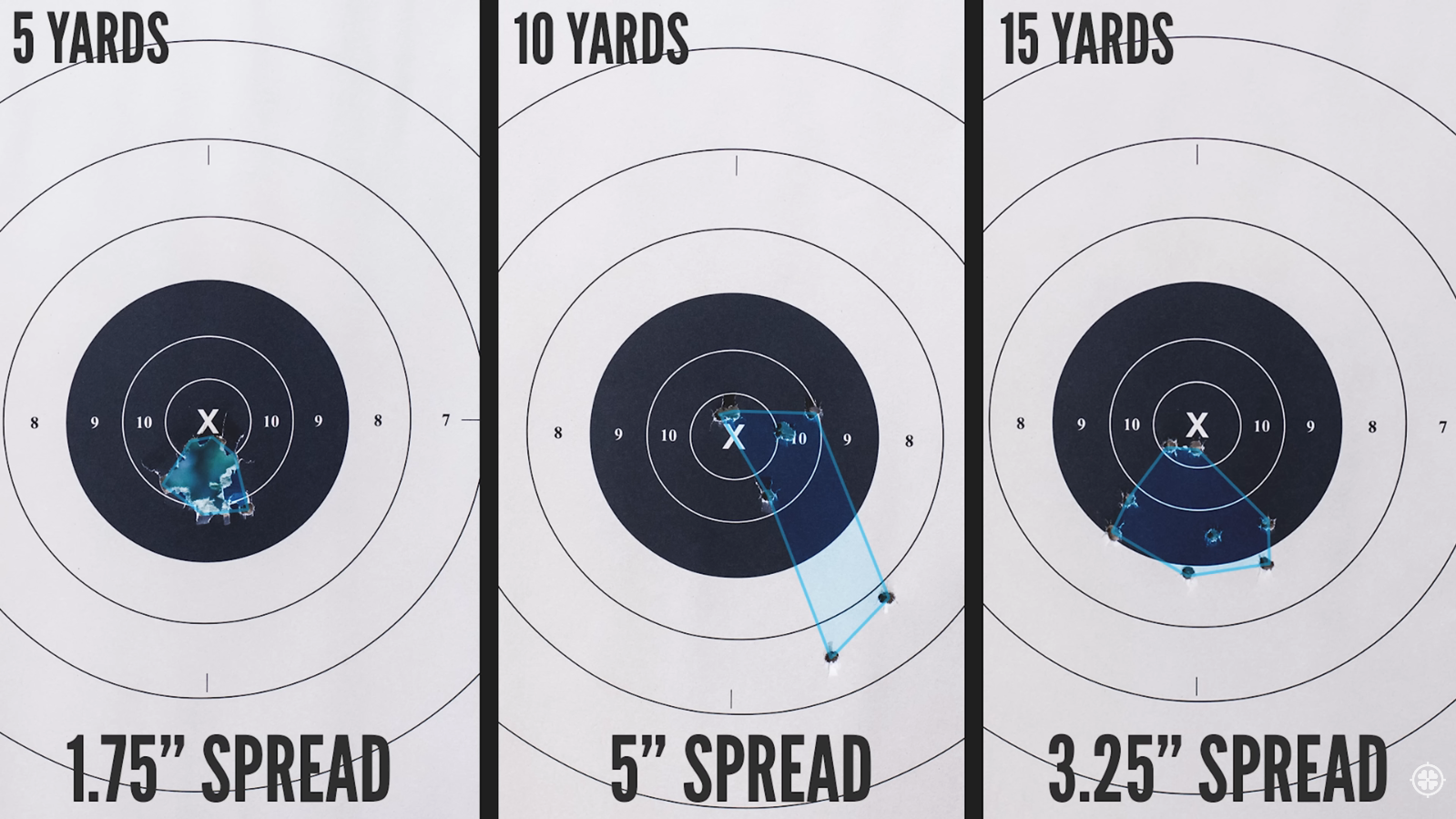
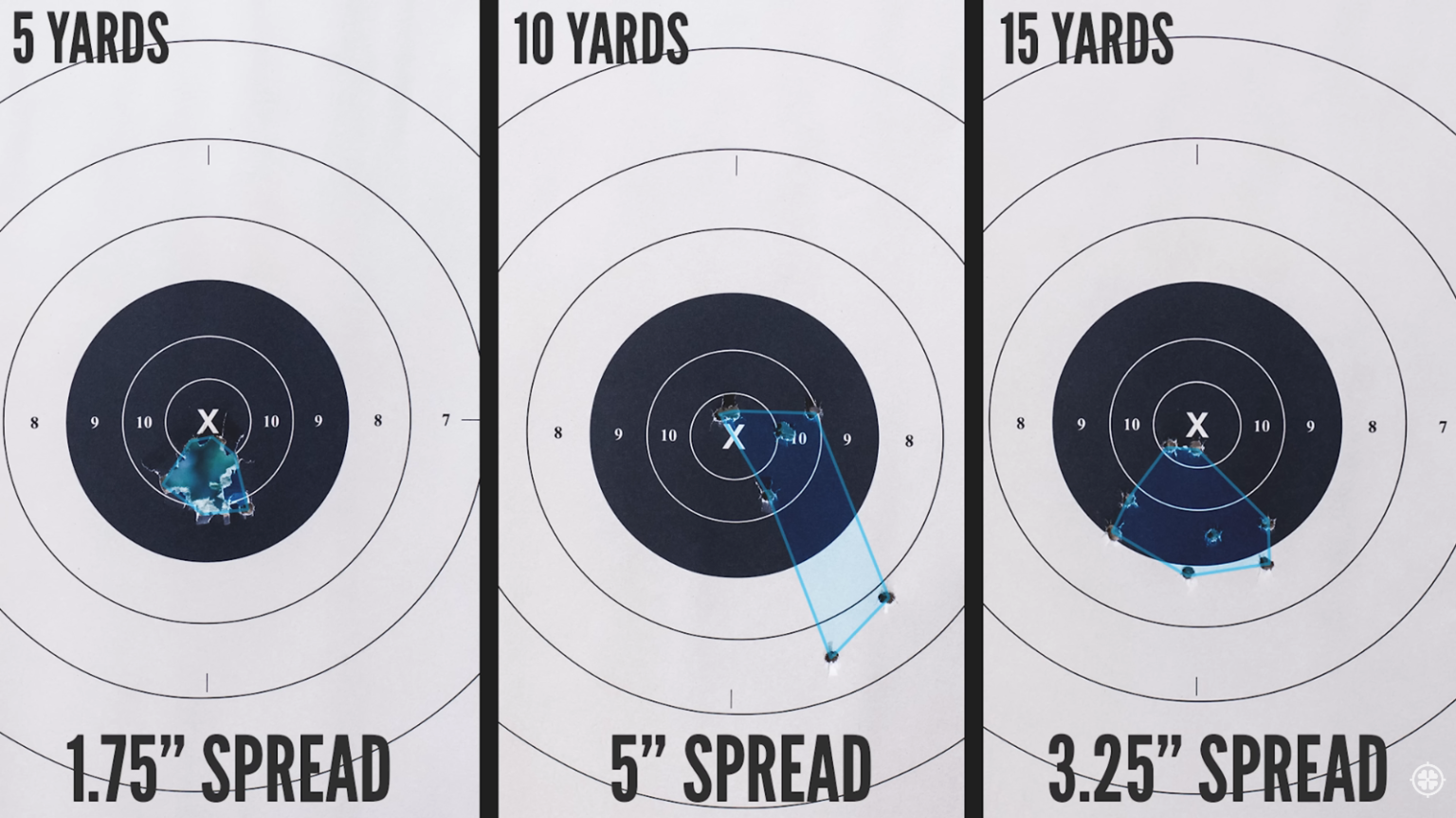
To evaluate how modern shotgun loads perform under realistic conditions, we subjected several leading factory rounds to rigorous range evaluations. Utilizing a standard pump-action and semi-automatic testing platform, our protocol measured muzzle velocity chronographically, pattern spread across typical indoor engagement distances (7 to 15 yards), and penetration depth inside calibrated 10% ballistic gelatin. The overarching objective is to identify loads that deliver maximum energy transfer while maintaining tight, predictable pellets grouped within vital zones, minimizing the risk of stray projectiles passing through interior drywall.
Understanding Shot Size: Why 00 Buck Remains King
When selecting a payload size for close-quarters protection, shooters are typically forced to choose between birdshot, smaller buckshot variants (like #4 buck), and standard 00 (double-zero) buck. While birdshot offers minimal penetration—often failing to reach vital organs through heavy winter clothing or intermediate barriers—and smaller buckshot trades mass for pellet count, 00 buck strikes the optimal balance.
Standard 12-gauge 00 buck typically contains eight or nine .33-inch lead pellets. Each individual projectile carries sufficient mass and velocity to penetrate the FBI-mandated 12 to 18 inches of ballistic gelatin. When fired in unison, these payloads create multiple simultaneous wound channels, exponentially increasing the probability of stopping a violent threat rapidly. However, standard unbuffered loads often suffer from “scrubbing” inside the barrel, leading to premature pellet deformation and wide, unpredictable pattern dispersion at distance.
The Evolution of Flight Control and Buffered Payloads
One of the most significant advancements in modern shotshell engineering is the introduction of specialized wad technologies, most notably Federal Premium’s FliteControl wad. Unlike traditional wads that separate immediately upon exiting the muzzle—allowing the column of pellets to disperse rapidly—FliteControl wads remain attached to the rear of the shot payload for several yards downrange. This mechanical design acts as a rear braking system, keeping the shot string tight and cohesive.
During our range testing, traditional unbuffered buckshot demonstrated a pattern spread exceeding 12 inches at a mere 10 yards. Conversely, loads featuring advanced wad designs kept all nine pellets clustered inside a fist-sized 4-to-5-inch group at the exact same distance. This tight grouping is vital for home defense, ensuring that every single projectile lands precisely where the shooter aims, mitigating collateral liability in tight residential layouts.

LeBron James Shocking 76ers Debut Highlights Revealed Against The Brooklyn Nets
PHILADELPHIA — The intersection of basketball royalty and Delaware Valley sports lore…

Raindrops Can Build an Electrical Charge Strong Enough to Corrode Metal in a Surprising Way
A water droplet sliding down a leaf can acquire enough electrical charge…

U.S. CISA adds SolarWinds Web Help Desk, Sangoma FreePBX, and GitLab flaws to its Known Exploited Vulnerabilities catalog
U.S. Cybersecurity and Infrastructure Security Agency (CISA) adds SolarWinds Web Help Desk,…

Stacy Garrity Slams Shapiro Policies During High-Stakes Hatfield Datacenter Roundtable
As the 2026 Pennsylvania gubernatorial race heats up, the intersection of economic…

Phillies name breakout shortstop prospect, current rookie reliever Paul Owens Award winners as minor-league players of year
Alex McFarlane will receive the Paul Owens Award. (Courtesy of the Reading…

Did Trump’s FDA pick just make a 180 on abortion pills?
President Donald Trump’s Food and Drug Administration (FDA) Commissioner nominee, Dr. Heidi…
Terminal Ballistics and Gelatin Performance
Terminal mechanics tell the ultimate story of a defensive round’s efficacy. In our ballistic gel tests, premium low-recoil 00 buck options consistently achieved an average penetration depth of 14.5 to 17 inches. Furthermore, the temporary cavity created by the simultaneous impact of multiple .33-inch projectiles induces massive hydrostatic shock and structural trauma.
Another critical metric is felt recoil. High-velocity 3-inch magnum loads certainly generate impressive muzzle energy, but they exact a heavy toll on the shooter, leading to severe muzzle climb and delayed follow-up shots. Modern 2-3/4-inch tactical reduced-recoil loads deliver identical terminal performance while allowing shooters to stay locked on target, cycling semi-automatic actions reliably without inducing short-stroking on pump-action platforms.

Featured Home Defense Ammunition
Caliber: 12 Gauge (2-3/4″ 00 Buck)
Payload: 9 Pellets (.33″ Diameter)
Ideal Application: Close-Quarters Home Defense, Law Enforcement, CQB Engagement
Equip your defensive shotgun with proven, reliable factory loads engineered for tight patterning and optimal terminal penetration.
Reliability, Feeding, and Practical Recommendations
No matter how impressive a round looks on a ballistic gel table, it is entirely worthless if it fails to feed, extract, or fire in your specific firearm. Shotgun chambers can be finicky, particularly with high-brass hunting loads or cheap bulk-pack shells featuring soft hull rims that swell under humidity. For serious defensive deployment, always run a minimum of 50 to 100 rounds of your chosen duty ammunition through your shotgun to verify functional reliability.
When finalizing your home defense loadout, look for factory offerings that utilize plated or hardened lead pellets. Plating prevents lead deformation during acceleration down the barrel, preserving aerodynamic integrity and ensuring tighter patterns. Pair these rounds with a reliable weapon-mounted light and a dependable platform, and you have an uncompromising defensive system.
To stock up on trusted tactical loads, browse available inventory at Ammunition Depot to ensure your gear is ready when it matters most.
[tags]Home Defense Shotgun, 12 Gauge Buckshot, Ballistic Gel Testing, 00 Buckshot, Shotgun Patterning, Terminal Ballistics, Defensive Ammunition, FliteControl Wad[/tags]