






The precision motor manufacturer’s yen bond due in mid-2032 has slumped to ¥77.7, the lowest among more than 3,000 local corporate notes.
The offering comes as Japan’s benchmark 10-year government bond yield topped 3% for the first time in about 30 years.
The 7-year bonds are expected to be priced on Sept. 4, with an indicative coupon range of 4.3% to 4.9%, according to a company filing.
Data suggests smaller firms that employ most of Japan’s workers are finding it increasingly difficult to withstand the currency’s prolonged weakness.
The yen-denominated bond sale is an early test of investor appetite for Japanese companies pursuing growth through large overseas acquisitions.
The Google parent sold ¥576.5 billion ($3.6 billion) of bonds as competition to fund centers and AI infrastructure intensifies.
The number of borrowers planning yen deals at the start of the new fiscal year is down about 60% from a year earlier.
Issuance from January to December totaled about ¥5.28 trillion, Ministry of Finance data has shown.
The sales are the latest sign that sticky inflation is causing households to shift more of their $14.3 trillion of financial assets into riskier investments.
The rate on the unsecured seven-year note was set near the upper end of the previously announced range of between 3.5% and 4.1%, according to a term sheet from the company.
The offering comes amid a sharp rise in benchmark government bond yields, driven by concerns over fiscal expansion under Prime Minister Sanae Takaichi’s administration.
The Omaha, Nebraska-based firm has been a regular issuer of yen bonds since its debut six years ago, making it the largest foreign issuer of yen notes in that period.
Japanese bond yields have climbed over concerns the next administration may pursue a more expansionary fiscal policy.
The push comes as tighter credit spreads and expectations for U.S. rate cuts fuel demand for investment-grade bonds, with premiums over government debt near the lowest since 2007.
The Japanese trading house raised ¥15.2 billion ($103 million) from the debt sale, more than the initial plan for a ¥10 billion offering.
Kioxia plans to raise as much as $3 billion via a dollar bond sale that would be its first corporate debt issuance, in the latest sign of investor appetite abroad.
The automaker is offering a record-high coupon on at least one part of its dollar- and euro-denominated junk bond sale to drum up demand.
As long as Rating and Investment Information maintains its top rating for the U.S., Hong Kong funds are allowed to invest over 10% of their assets in Treasurys.
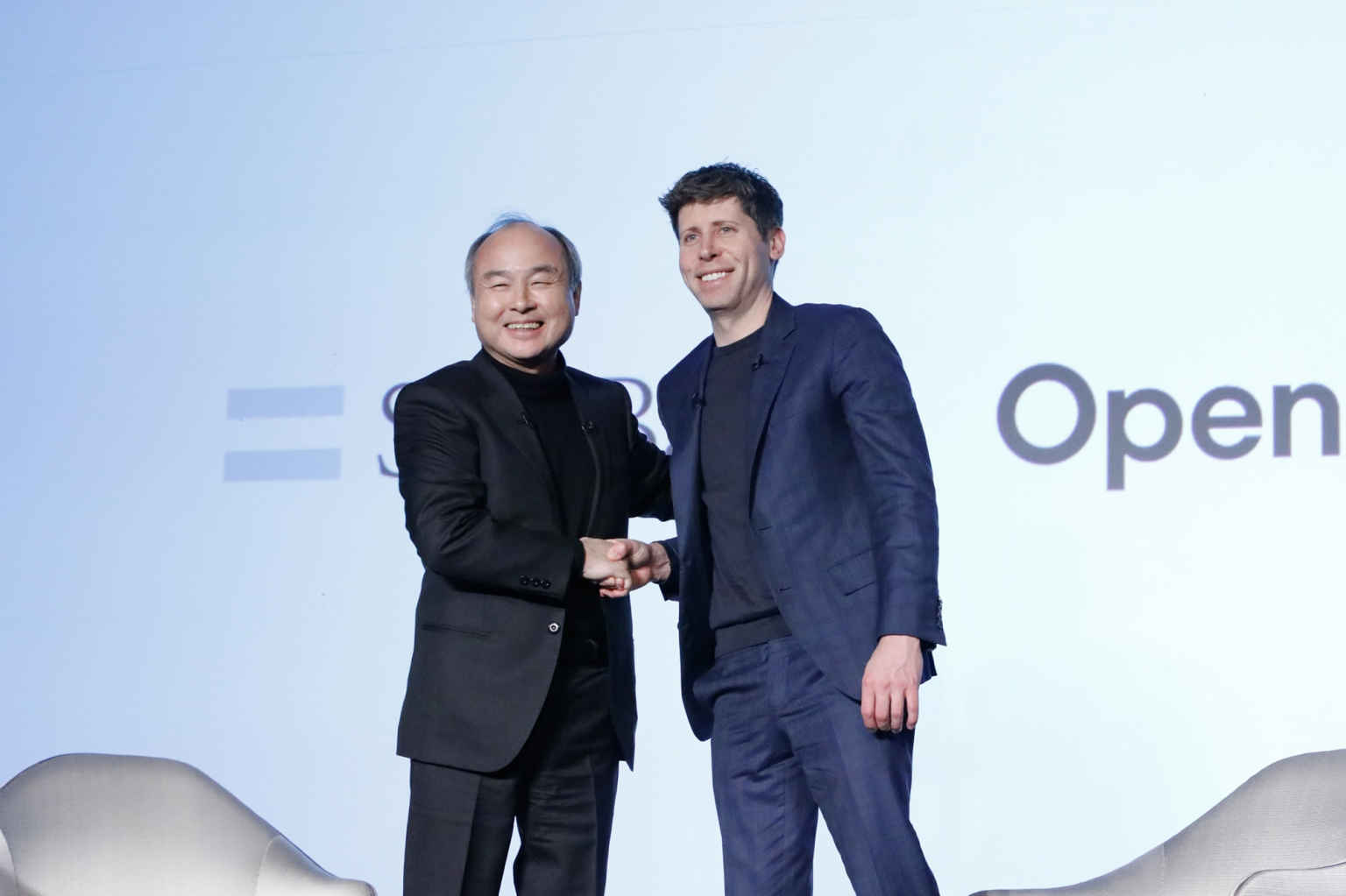
SoftBank Corp.’s five- and 10-year notes are set to respectively price 0.9 and 1.10 percentage points above Treasuries.
The probe marks a step toward ridding Japan’s primary bond market of opaque sales practices as rising interest rates boost investor appetite for debt with higher yields.