






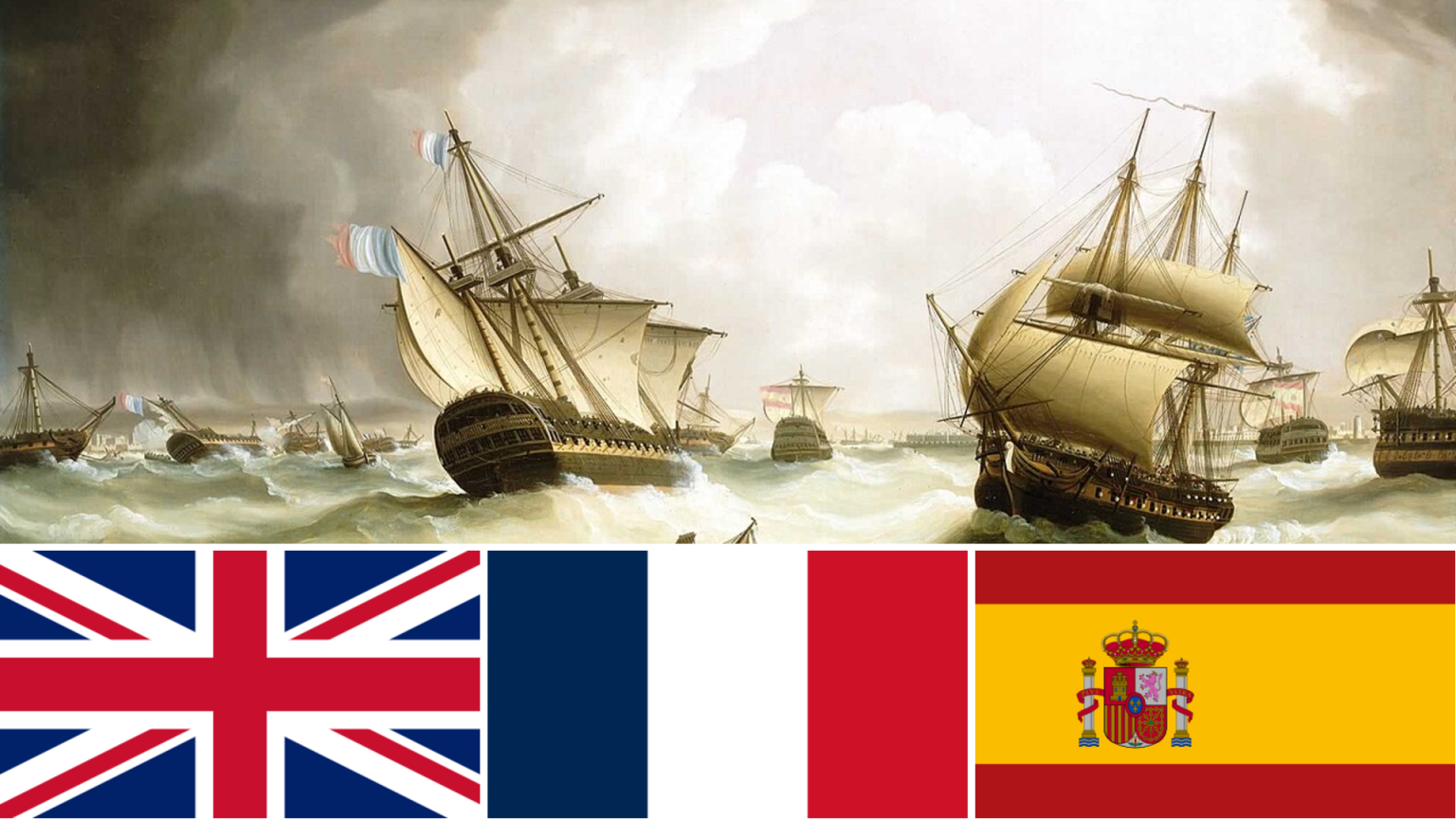
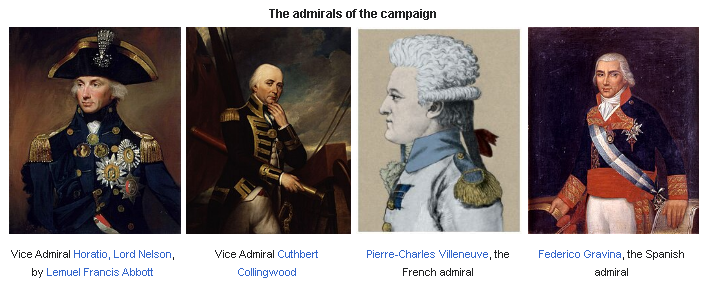
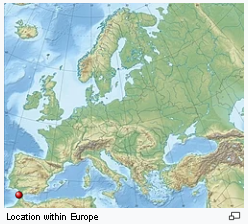
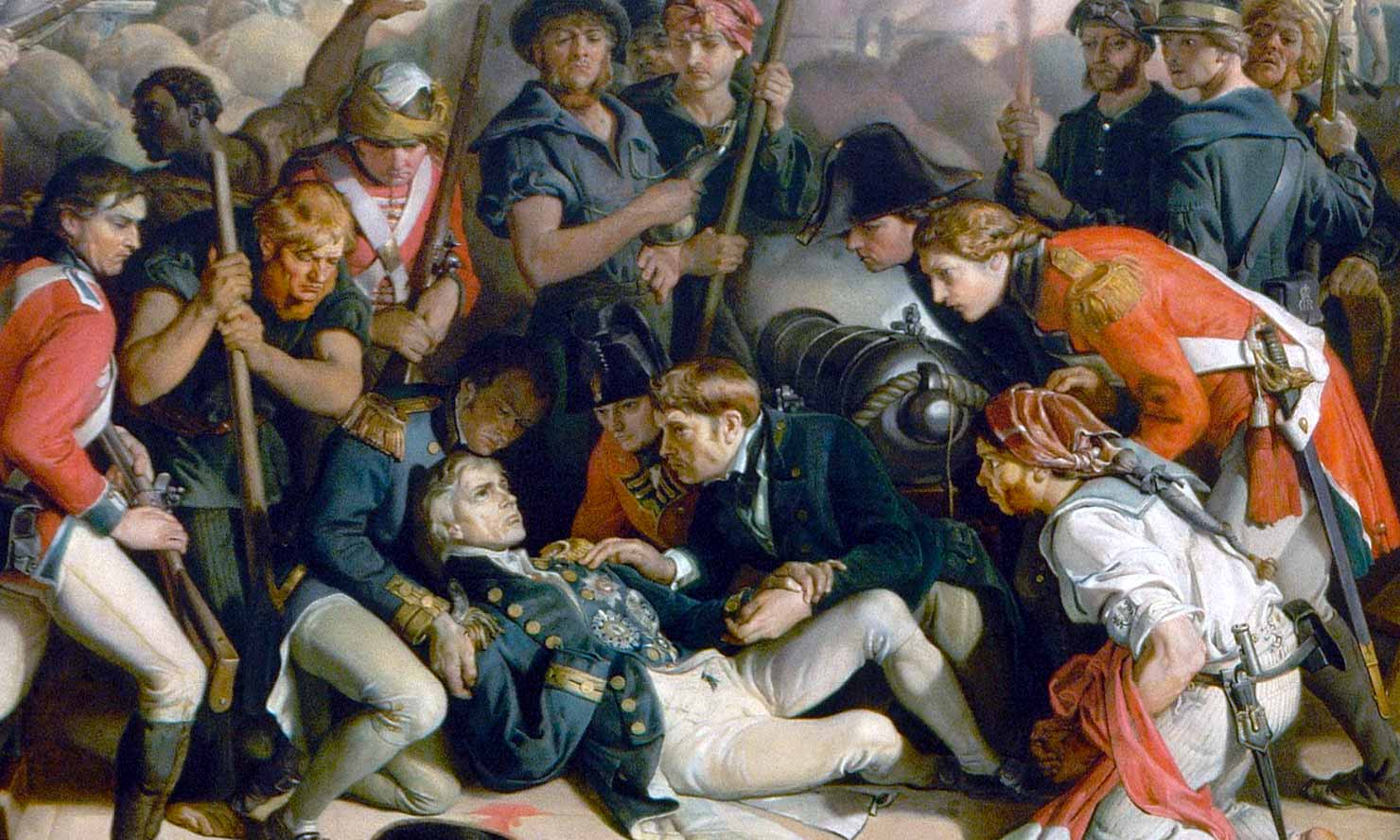
CAPE TRAFALGAR — On October 21, 1805, 27 British warships engaged a combined fleet of 33 French and Spanish vessels off the southwest coast of Spain. Led by Vice-Admiral Lord Horatio Nelson, the Royal Navy severed the allied line and destroyed or captured 22 French and Spanish ships without losing a single British vessel.
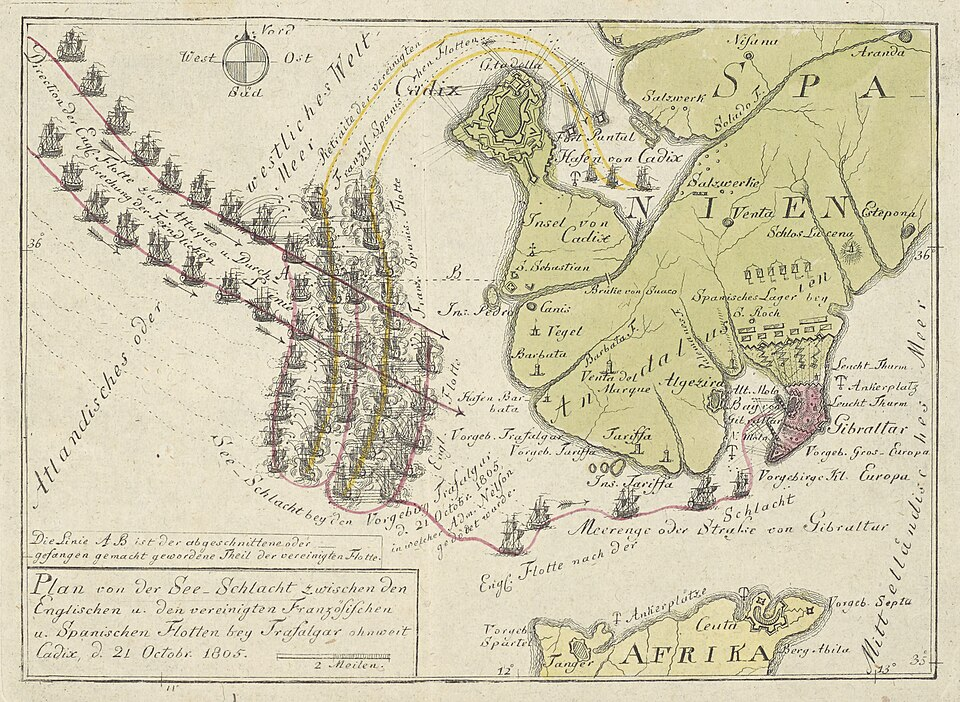
Prime Minister William Pitt the Younger hailed the engagement as a decisive victory that secured the British Isles from foreign invasion. However, political analysts and continental historians present two contrasting narratives regarding the motives, necessity, and wider impact of Britain’s aggressive offensive.
Perspective 1: A Necessary Act of Self-Defense and Economic Survival
Proponents of the British government’s military strategy argue that the strike off Cape Trafalgar was a vital defensive action.
- Neutralizing the Invasion Threat: Emperor Napoleon Bonaparte had massed roughly 160,000 troops along the French coast at Boulogne. To enable a Channel crossing, the French Navy needed to clear the Royal Navy out of the way. Destroying the Combined Fleet removed Napoleon’s ability to contest the English Channel.
- Protecting Global Trade Routes: As an island nation dependent on international commerce, Britain faced financial ruin if the combined Franco-Spanish fleets managed to control key Atlantic and Mediterranean shipping routes.
- Preemptive Coalition Defense: Prime Minister William Pitt the Younger funded the Third Coalition with Austria and Russia to counter French territorial expansion across Continental Europe. Striking the French and Spanish fleets at sea deprived France of its maritime arm, insulating the British homeland while continental allies engaged French armies on land.
Perspective 2: Aggressive Maritime Hegemony and Unnecessary Escalation
Continental critics, modern revisionist historians, and contemporary French diplomats offer a different interpretation of the conflict’s necessity.

Apple fixed first actively exploited zero-day in 2026
Apple fixed an exploited zero-day in iOS, macOS, and other devices that…

One Male Bird Is Almost Single-Handedly Keeping His Species Alive in Britain
Take six chicks, two different nests, and two females, and add one…

PATRIOT MISSILE SHORTAGE: FOUR-YEAR DELAY LOOMS FOR DEFENSE GIANT ORDERS
WASHINGTON — Pentagon planners and foreign military attachés face a sobering industrial…

Panic in the US Congress: Not enough planes!
It's been said many times that fighting with numbers is a complete…

U.S. CISA adds SolarWinds Web Help Desk, Notepad++, Microsoft Configuration Manager, and Apple devices flaws to its Known Exploited Vulnerabilities catalog
U.S. Cybersecurity and Infrastructure Security Agency (CISA) adds SolarWinds Web Help Desk,…

One of the World’s Most Neglected Killers Is Far Deadlier Than Official Numbers Suggest. Snakebites Could Be Killing 513,000 People a Year
Credit: Unsplash. Snakebite may be killing far more people than anyone realized.…
- The Invasion Was Already Abandoned: Prior to the clash at Trafalgar, Napoleon had already redirected his army away from the Channel toward Austria to counter Third Coalition forces in Central Europe. Skeptics argue that Britain’s aggressive intercept was an unnecessary battle of choice rather than a time-sensitive defensive necessity.
- Enforcing a Monopoly on the Seas: From the continental point of view, British naval blockades were an aggressive attempt to enforce economic dominion over global shipping lanes. Spain’s entry into the war was largely triggered by prior British attacks on Spanish treasure fleets in 1804 before an official declaration of war was made.
- Limited Impact on the Continental War: While Trafalgar secured British maritime control, it did not stop Napoleon from dominating Continental Europe. Just weeks after Trafalgar, Napoleon achieved a crushing victory on land at the Battle of Austerlitz, proving that Britain’s naval victory did not end the threat posed by the French Empire.
Historical Impact
While Prime Minister William Pitt the Younger’s government achieved its goal of maritime dominance—initiating over a century of global British naval supremacy (Pax Britannica)—the debate remains. Was Trafalgar the brilliant saving of a vulnerable island state, or a display of imperial maritime aggression? The answer often depends on which side of the English Channel you stand.