




In the high-stakes game of global energy security, the “Malacca Dilemma”—China’s long-standing fear of a maritime blockade—just hit a major structural reset. While the headlines focus on naval standoffs in the Strait of Hormuz, a quiet revolution is rolling across the Eurasian steppe.
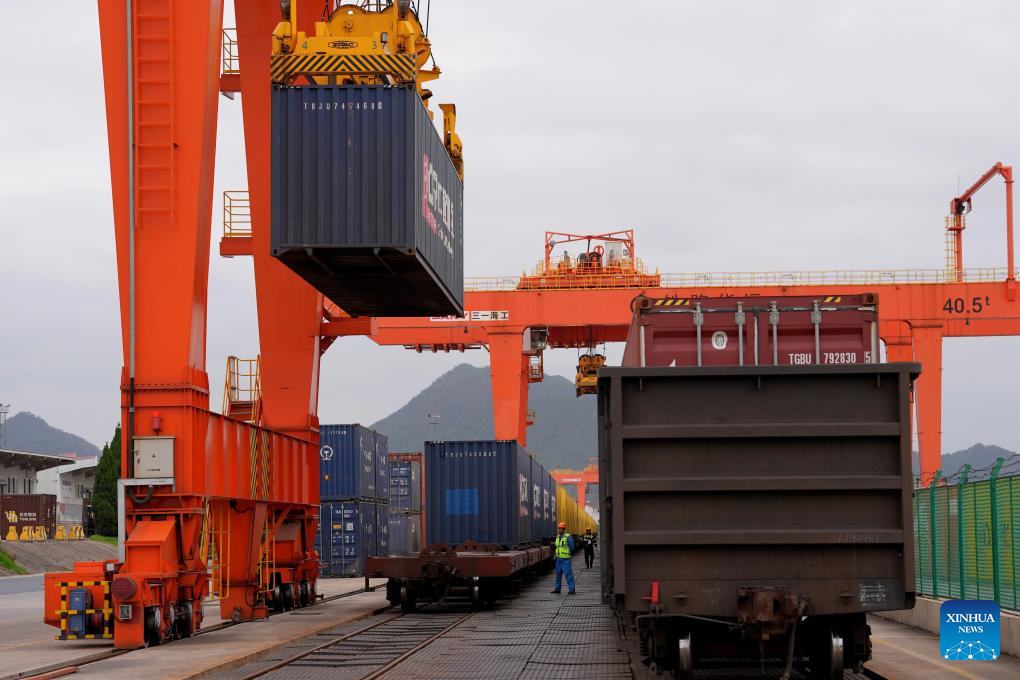
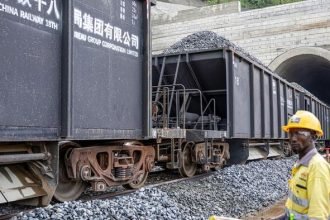
This month, the city of Shenzhen officially joined Yiwu and Xi’an in establishing a direct, high-capacity rail corridor to Tehran. For the first time, a PSP (Fast Freight) train left Shenzhen on March 4 and pulled into the Aprin Dry Port near Tehran just 15 days later.
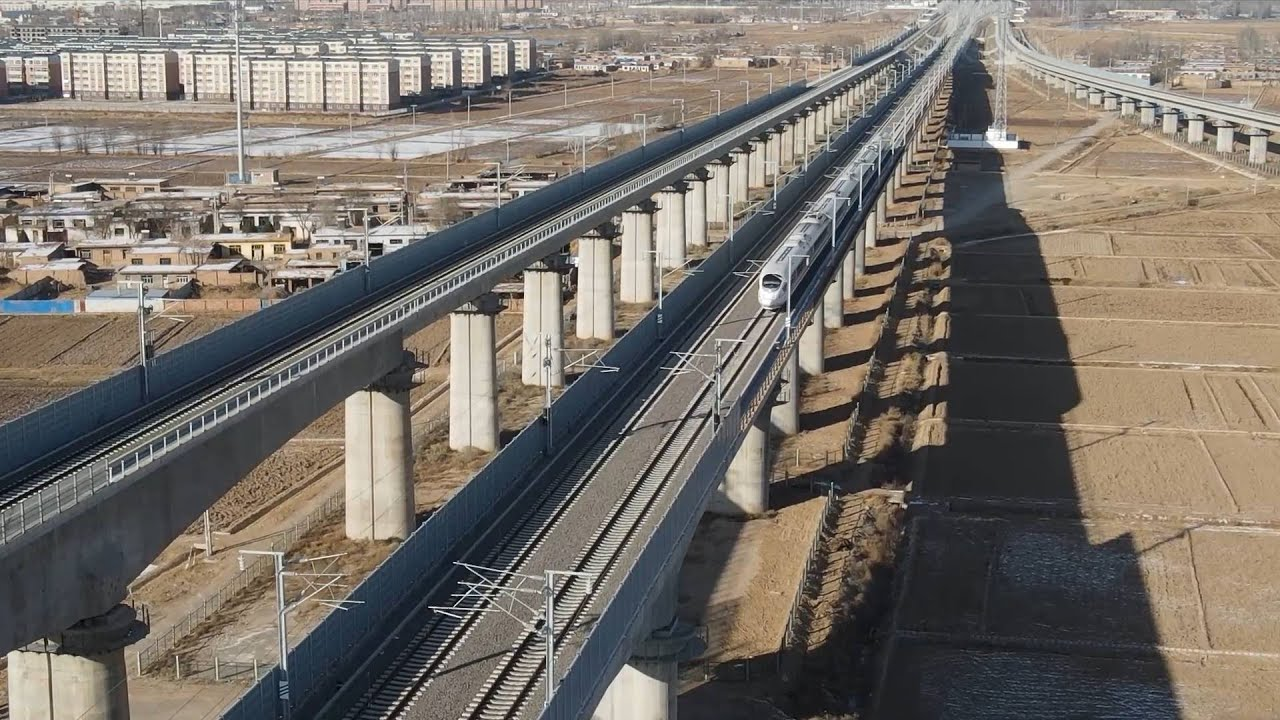
The message to the West is clear: The land-bridge is open, and it doesn’t need a single U.S. dollar or a deep-water port to function.
Intelligence Brief: The RMB-Energy Nexus
This isn’t just about moving toys and electronics. This is a tactical shift in how China secures its energy future. According to internal logistics reports from Shenzhen, over 80% of the trade on this specific rail line is now settled in RMB (Yuan).

New Fluke USB Acoustic Imager Smartphone Camera
Fluke has launched a more affordable acoustic imaging camera, model II01, that…

Senate Blocks Report on Deaths of 9 Americans in the West Bank After Key 47–51 Vote
WASHINGTON, D.C. — In a 47–51 roll-call vote, the United States Senate…

ApolloMD data breach impacts 626,540 people
A May 2025 cyberattack on ApolloMD exposed the personal data of over…

BREAKING: Lindsay Clancy mistrial threatened as male juror holds out
The Lindsay Clancy murder trial is expected to end with a hung…

Scientists Found an Amazing Reason Some Lava Worlds Can Keep Their Atmospheres Against All Odds
Worlds like 55 Cancri e seem almost designed to destroy an atmosphere.…
Turkey Recruits Trump Insiders For New Washington Lobbying Push
Via Middle East Eye The Turkish government hired a lobbying firm with close ties…
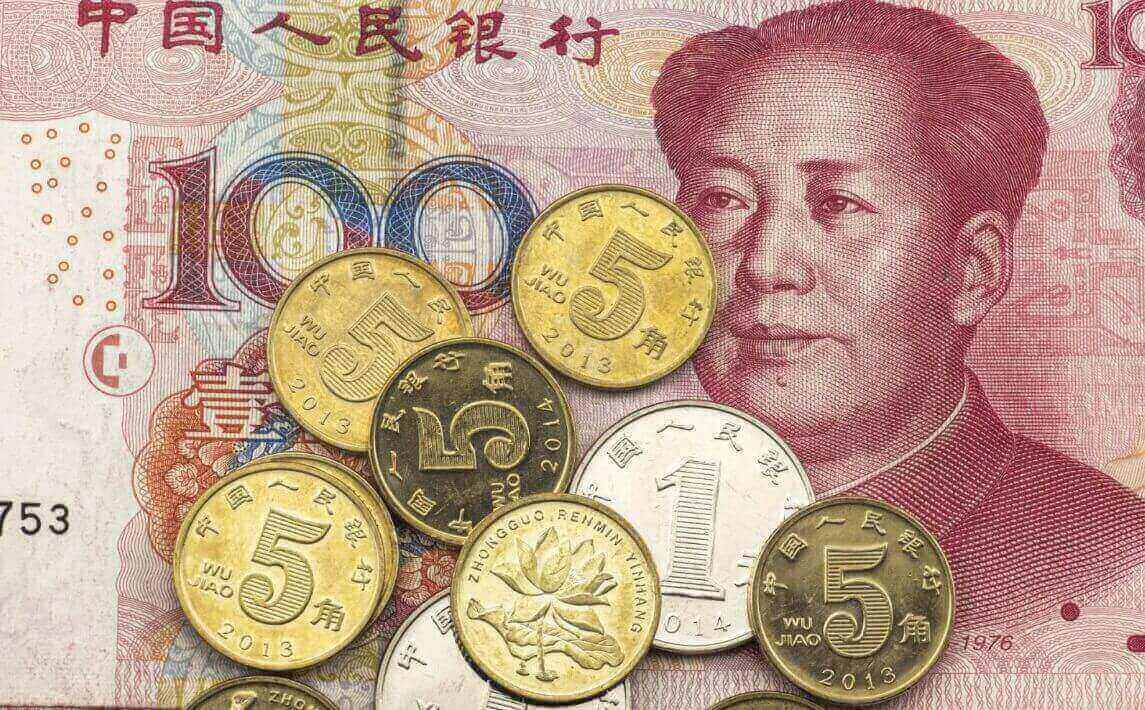
By bypassing the petrodollar and the vulnerable Strait of Malacca, China and Iran have created a “sanctions-proof” loop.
- The Cost Factor: Land transport is roughly 30% more expensive than sea freight, but in the current climate of “blockade fears,” that 30% is a small price for guaranteed delivery.
- The Speed Advantage: The rail journey cuts transit time from 35–40 days by sea to just 15 days by land.
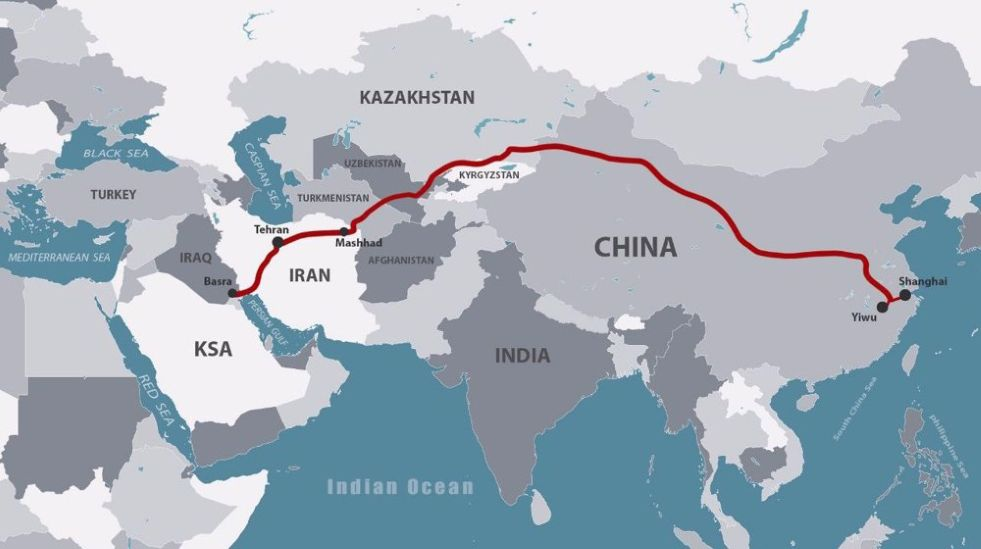
The Route of Deception: Bypassing Chokepoints
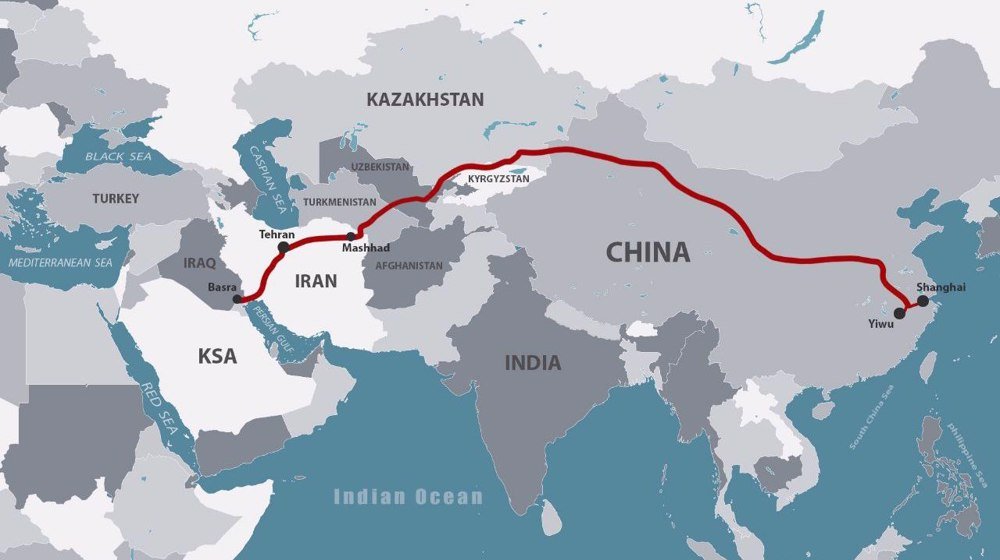
The Shenzhen-to-Tehran route follows a sophisticated path through Central Asia, intentionally staying far from any Western military footprint.
- Departure: Shenzhen / Xi’an / Yiwu.
- The Gate: Crossing at the Alataw Pass (Xinjiang) into Kazakhstan.
- The Transit: Moving through Turkmenistan and Uzbekistan.
- The Arrival: Sarakhs (Iran-Turkmenistan border) to the Aprin Dry Port near Tehran.
This 10,000-kilometer journey effectively turns the Iranian interior into a massive logistics hub that can feed the rest of the Middle East, even if every major port on the Persian Gulf were to go dark tomorrow.
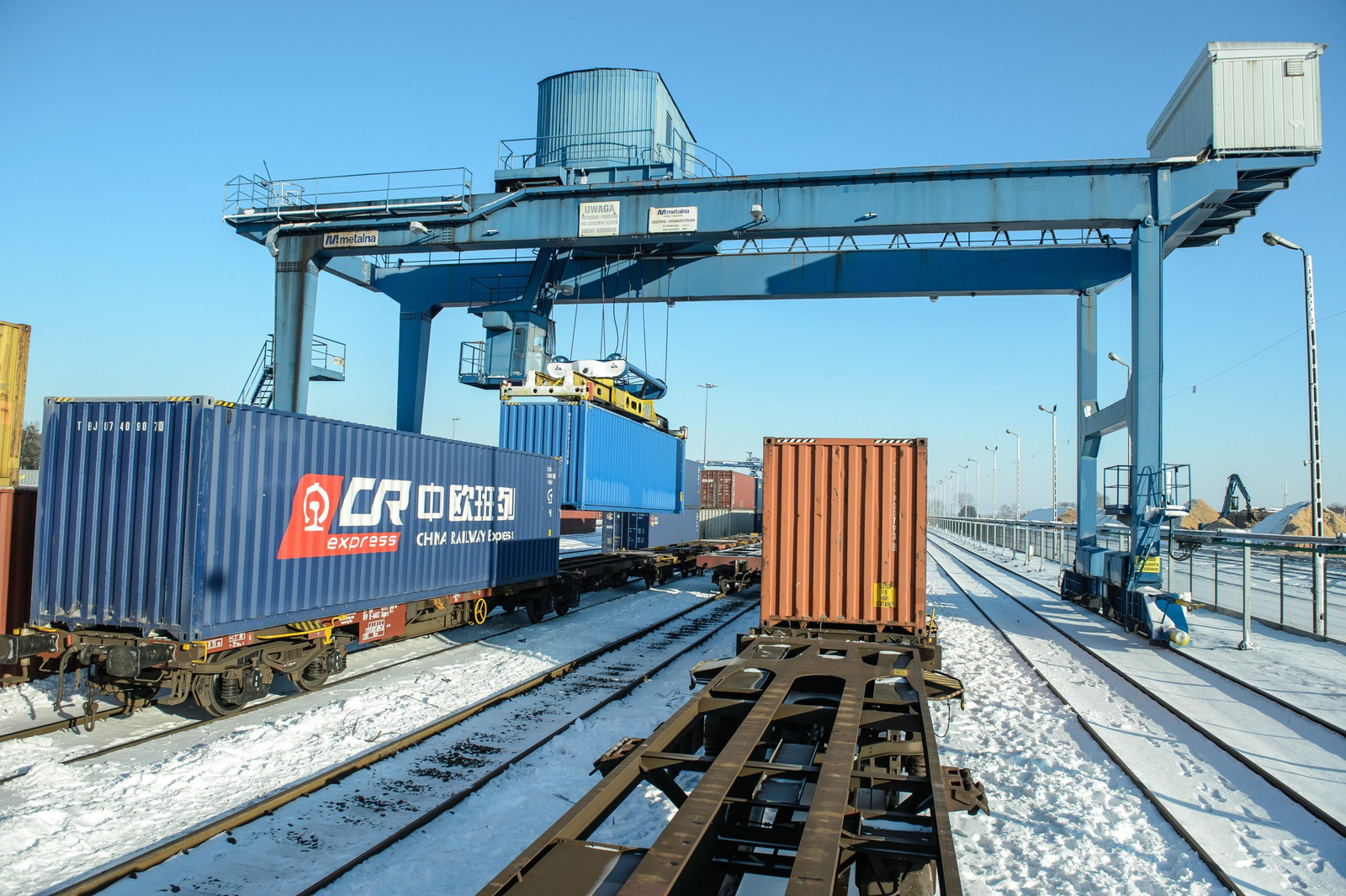
Tactical Analysis: Energy Security vs. Logistics
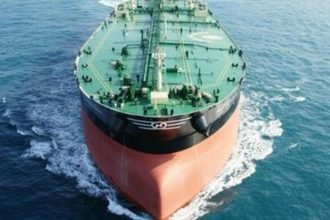
While rail cannot yet match the sheer volume of a 20,000 TEU containership or a VLCC supertanker, it provides a vital contingency channel.
- Military Hardware & Essential Parts: The rail line is the primary artery for specialized equipment, petrochemical catalysts, and industrial machinery that Iran needs to keep its energy infrastructure humming under pressure.
- The 25-Year Pact: This corridor is the physical manifestation of the $400 billion strategic partnership signed in 2021. It is the “Iron Silk Road” that ensures China remains the top buyer of Iranian crude, currently processing approximately 1.4 million barrels daily.
Why This Matters
Why does the U.S. care about a train in Kazakhstan? Because the U.S. is seeing the end of “maritime hegemony.”
For a century, the side that controlled the waves controlled the world. In 2026, the side that controls the rails—and the currency they run on—might just be the one holding the cards. When you see a “Made in China” sticker on a piece of Iranian-produced plastic, remember that it likely didn’t come through a port. It came through the mountains, settled in Yuan, and arrived while the world was still watching the waves.
The digital forecast for global trade is “unpredictable with a high chance of structural shifts.” Keep your eyes on the tracks.