

![Wanted: Suspect for Shooting Incident in the 15th District [VIDEO]](https://thephillypi.com/wp-content/uploads/2026/10/Wanted-Suspect-for-Shooting-Incident-in-the-15th-District-VIDEO-330x220.jpg)



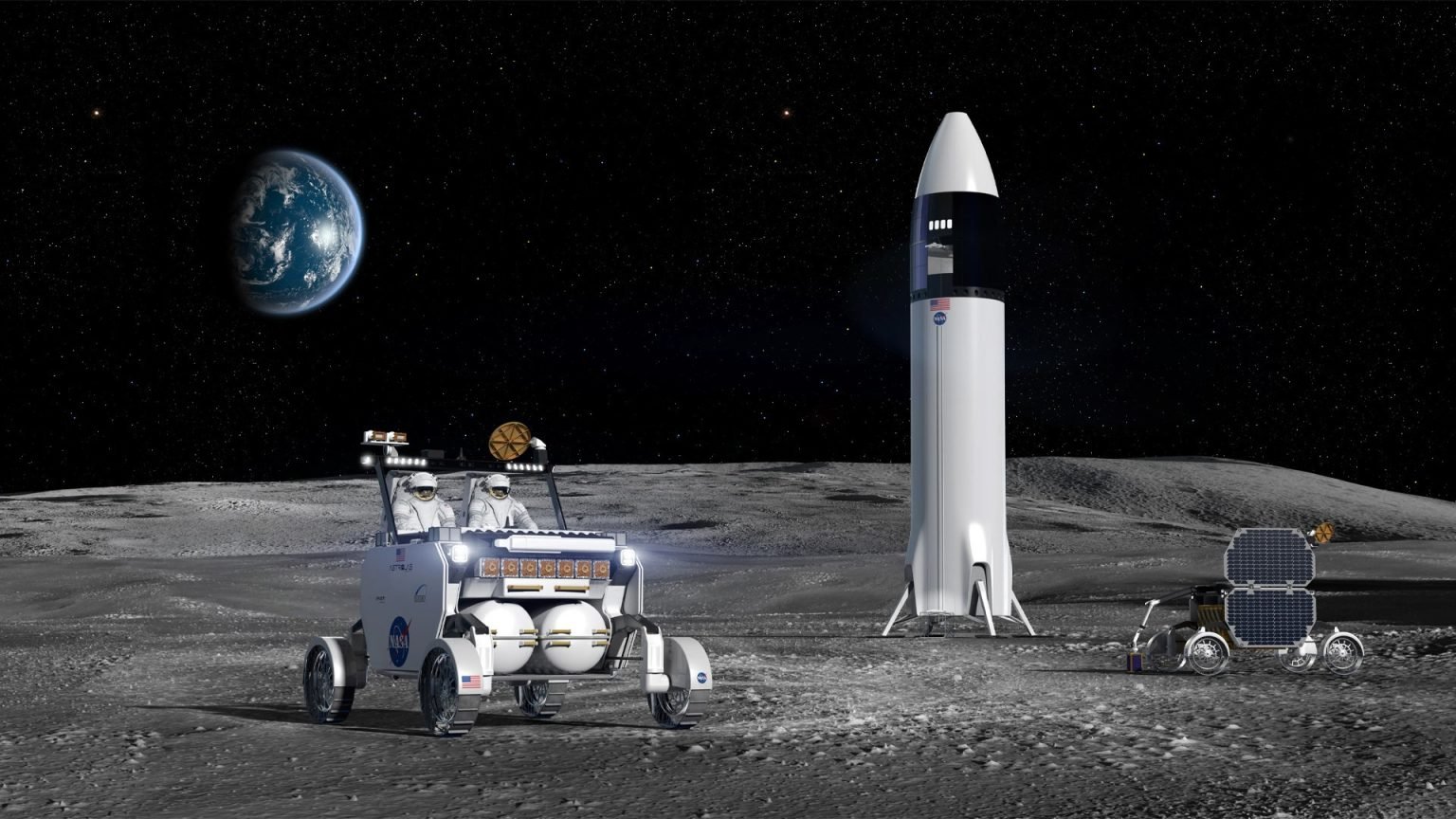
NASA just admitted the Artemis III mission is a total work of fiction.
After decades of “planning” and burning through billions of taxpayer cash, the geniuses in charge finally realized their 2026 moonwalk was physically impossible.
It’s the ultimate bureaucratic faceplant.
We’ve gone from landing on the lunar surface with tin foil and slide rules in 1969 to not being able to find our way back with supercomputers and Elon’s rockets.

ApolloMD data breach impacts 626,540 people
A May 2025 cyberattack on ApolloMD exposed the personal data of over…

Microsoft Patch Tuesday security updates for February 2026 fix six actively exploited zero-days
Microsoft Patch Tuesday security updates for February 2026 fix six actively exploited…

Phillies name breakout shortstop prospect, current rookie reliever Paul Owens Award winners as minor-league players of year
Alex McFarlane will receive the Paul Owens Award. (Courtesy of the Reading…

Conflict Hits 6 Months: Iran Says Diplomacy Can Return But "Pressure Doesn't Work"
In what will likely prove to be a very limited and ultimately…
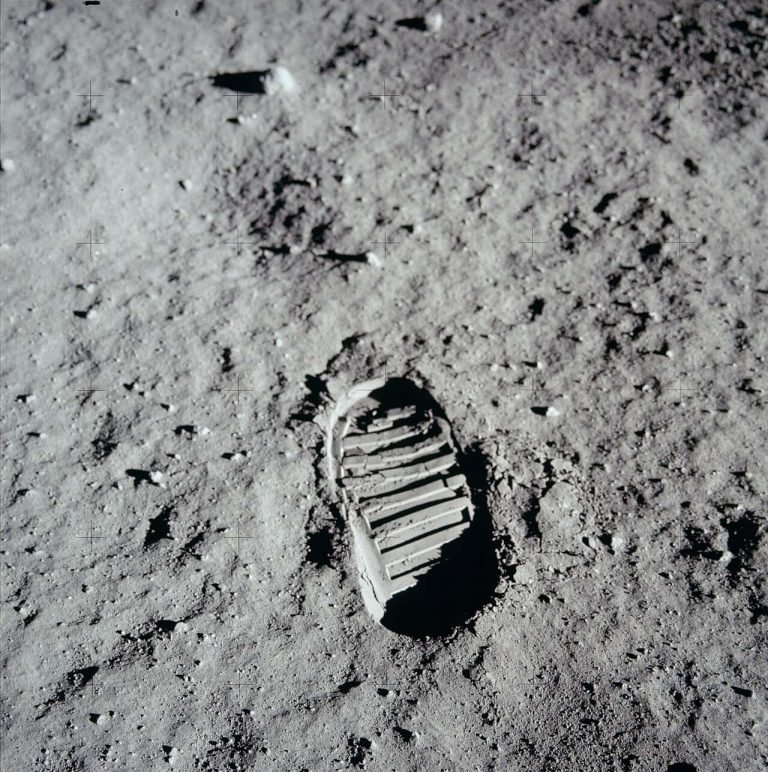
Earth Microbes Could Survive on the Moon’s Poles for Weeks and NASA Scientists Are Worried
The next astronauts to walk near the Moon’s south pole will bring…

China-linked APT UNC3886 targets Singapore telcos
China-linked group UNC3886 targeted Singapore ’s telecom sector in a cyber espionage…
But wait—there’s a plot twist that sounds like it was ripped straight from a Silicon Valley fever dream.
Jared Isaacman, the billionaire astronaut who basically has Musk on speed dial, supposedly whipped up a “Fix It” plan in just 48 hours to save the administration’s ego.

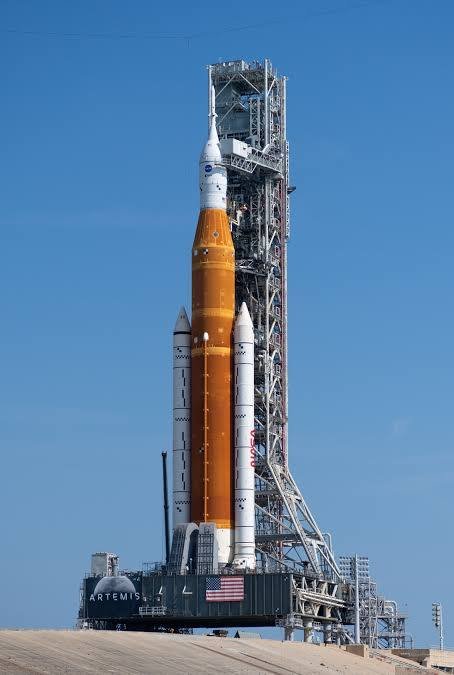
The new goal? Screw the slow-roll; let’s just yeet three missions into space and land twice before 2028.
Is it a sensible plan, or are we just watching a high-stakes game of “Lunar Chicken” where the prize is not losing to China?
The internet’s armchair scientists are already calling “BS” on the 2028 timeline, with most betting we won’t see a boot on the moon until 2030—if we’re lucky.
“If it doesn’t happen before 2030, it ain’t happening before China,” one skeptic noted, and honestly, they aren’t wrong.
We’re currently living in a timeline where we have more documentation on TikTok trends than we do on the actual surface of Mars.
Why did we regress so hard?
In the 60s, everything was “Space Age”—our cars looked like rockets and our scientists actually had, you know, ambition.
Now, we’re told that building a moon base is “too hard” or “too expensive,” while we spend trillions on things that definitely aren’t making us a multi-planetary species.
Critics say a moon colony is just a “cramped tin can” in a desert, but they said the same thing about crossing the Atlantic in the 1500s.
Newsflash: technology actually improves when you stop making excuses and start building things that explode (occasionally).
The Artemis delay isn’t just a scheduling conflict; it’s a vibe shift that proves we’ve lost our edge.
Are we really going to let the “Gateway to the Universe” be closed because of a few bad spreadsheets?
Maybe Isaacman’s “cowboy” approach is exactly the kick in the teeth NASA needs to stop acting like a library and start acting like an aerospace agency again.
Either way, 2028 is the new 1969, and the clock is ticking.