






In the hyper-accelerated world of 2026, where digital identities are minted and discarded like used subway tokens, certain names begin to flicker on the periphery of the “Modern Viral News” circuit. They appear in technical whitepapers, buried in the metadata of investigative reports, or floating in the digital ether of high-stakes cybersecurity.
Lately, that name is Noemi Bonazza.
If you’re looking for a polished LinkedIn profile or a curated Instagram aesthetic, you’re looking in the wrong place. Bonazza doesn’t exist in the world of “influencer” transparency. Instead, she operates in the trenches of the modern information war—a figure whose footprint is defined more by what she stops than what she broadcasts.
The Investigative Edge
Noemi Bonazza has emerged as a central figure in the documentation of advanced digital threats. While the mainstream media was busy chasing the latest TikTok dance craze, Bonazza was reportedly part of the analytical vanguard dissecting the AiTM (Adversary-in-the-Middle) phishing campaigns that recently gutted several high-profile TikTok Business accounts.
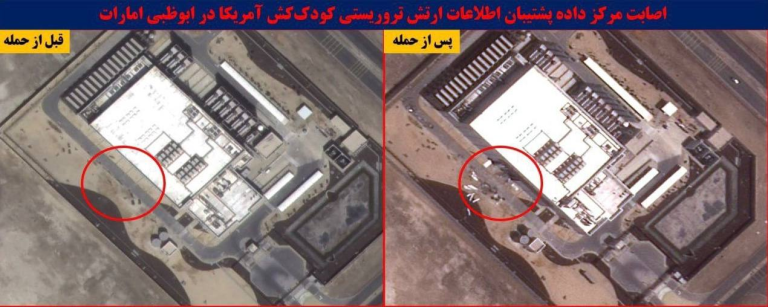
Cyber & Sky: Iranian Drone Strikes Hit Dubai Airport and AWS Data Centers
New satellite imagery has confirmed the extent of recent Iranian kamikaze drone…

Satellite Intel: Iranian Strikes Hit Airbases in Kuwait and Bahrain
New satellite imagery circulating through Iranian media has revealed the aftermath of…

Build Your Own Space Game Like Stellar Wanderer DX – Quick & Easy!
Want to make a space adventure like Stellar Wanderer DX? Unity makes…

Shillan & Duffy: UFC London preview
Keith and Ben preview UFC London with detailed predictions for all 14…
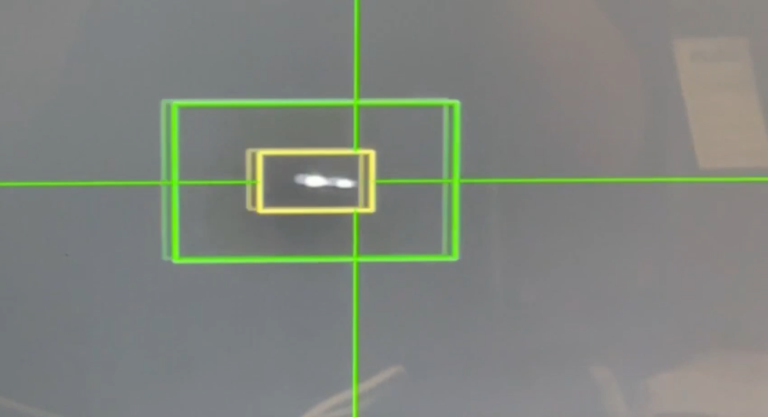
Close Call: US F-15E Evades Iranian Missile Near Strait of Hormuz
Tensions in the Strait of Hormuz reached a fever pitch this Sunday…

US Precision Strikes Dismantle Iranian EW and Missile Assets
U.S. Central Command (CENTCOM) has intensified its air campaign, deploying MLRS (Multiple…
I spoke with a source in the Greensboro tech corridor—a guy who spends his nights tracking bot protection bypasses—and he described Bonazza’s work as “surgical.”

“She doesn’t just report that a site is fake,” he told me, leaning over a lukewarm cup of black coffee. “She finds the redirect chain. She finds the silent Google Storage sites that the attackers are using as a springboard before the Cloudflare Turnstile even kicks in. She sees the scaffolding of the scam.”
A Skeptical Eye on the TikTok Frontier
Why does her work matter to the average business owner in Philly or North Carolina? Because the “TikTok-to-Malvertising” pipeline is the new front line of corporate espionage.
Bonazza’s research highlights a uncomfortable truth: we’ve become so reliant on single-sign-on (SSO) systems like Google that a single compromise can drain a company’s entire advertising budget in seconds. When Bonazza tracks a campaign, she isn’t just looking for Indicators of Compromise (IoCs)—which she famously noted are of “limited value” due to the speed of attacker rotation—she is looking at the psychology of the deception.
She understands that the “Schedule a call” fake landing page isn’t just a technical exploit; it’s a social one. It preys on the rhythm of the modern workplace. (I’ve nearly clicked on similar “urgent” calendar invites myself during a 3:00 PM slump; the lure of efficiency is a powerful weapon.)
The Anatomy of the Silent Redirect
One of Bonazza’s most impactful contributions is the exposure of “layered deception.” This isn’t the clumsy phishing of 2010. This is a sophisticated sequence:
- The Hook: A targeted email.
- The Pivot: A silent redirect through a legitimate-looking service.
- The Gate: A Cloudflare Turnstile check that keeps security bots out but lets victims in.
- The Harvest: A pixel-perfect login page that steals credentials in real-time.

Bonazza’s reporting on these “short-lived IoCs” has forced a shift in how we think about digital defense. We can’t just block URLs anymore; we have to understand the behavior of the attack.
What’s Next: The Human Behind the Data
So, who is Noemi Bonazza? Is she a lone-wolf researcher, a senior strategist for a firm like Push Security, or an alias for a team of analysts tired of the corporate spotlight?
In the “Gonzo” tradition of investigative reporting, the identity matters less than the output. In an era where malvertising can bankrupt a startup overnight, voices like Bonazza’s serve as the digital tripwires. She represents a shift toward a more cynical, technical, and human-centric form of journalism—one that prioritizes the “how” over the “who.”
The clouds are gathering over the Atlantic again, and the digital forecast looks just as stormy. But as long as researchers like Bonazza are digging through the code, the rest of us might just stand a chance of keeping our accounts.