












The once-unshakeable Franco-German-Spanish Future Combat Air System (FCAS) is fraying. With the core Next Generation Fighter (NGF) facing collapse amid industrial disputes—primarily between France’s Dassault and the German-led Airbus—Germany is being forced to activate its contingency plans.
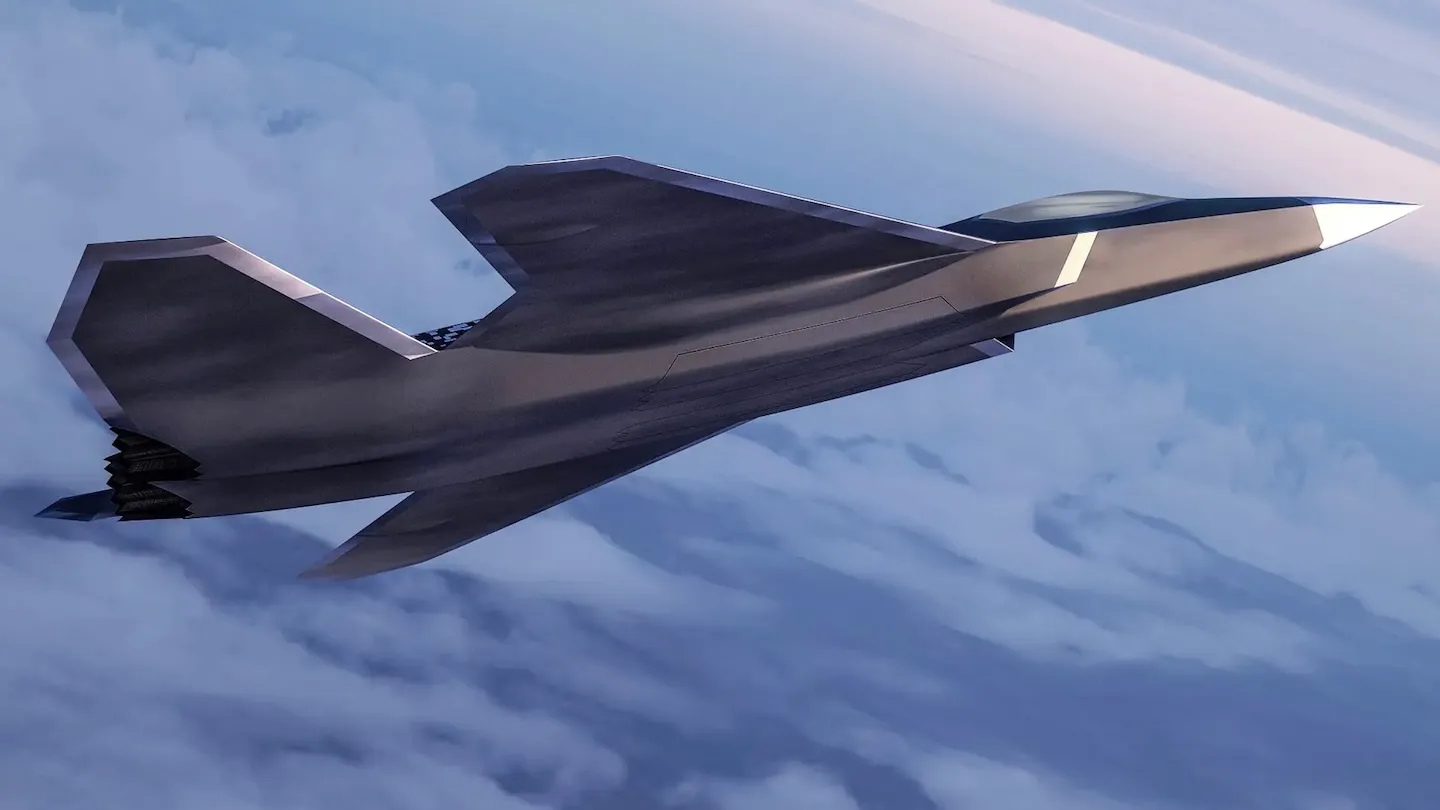
This is more than a diplomatic spat; it is a critical strategic crossroads for German defense and industrial policy. Germany’s alternatives are not just about which plane to fly, but what kind of military power, industrial base, and international partnerships it wishes to cultivate for the 2040s.
Here are the three primary alternative options Germany is actively considering or being courted into, marking a strategic pivot away from the original FCAS vision.
1. The Domestic Digital Gambit: The Combat Fighter System Nucleus (CFSN)
Instead of fighting for leadership on the physical plane, Germany is doubling down on its strengths: digital systems, sensors, and electronic warfare. The Combat Fighter System Nucleus (CFSN) is Berlin’s national answer, essentially an independent, modernized version of the FCAS “System of Systems” concept.
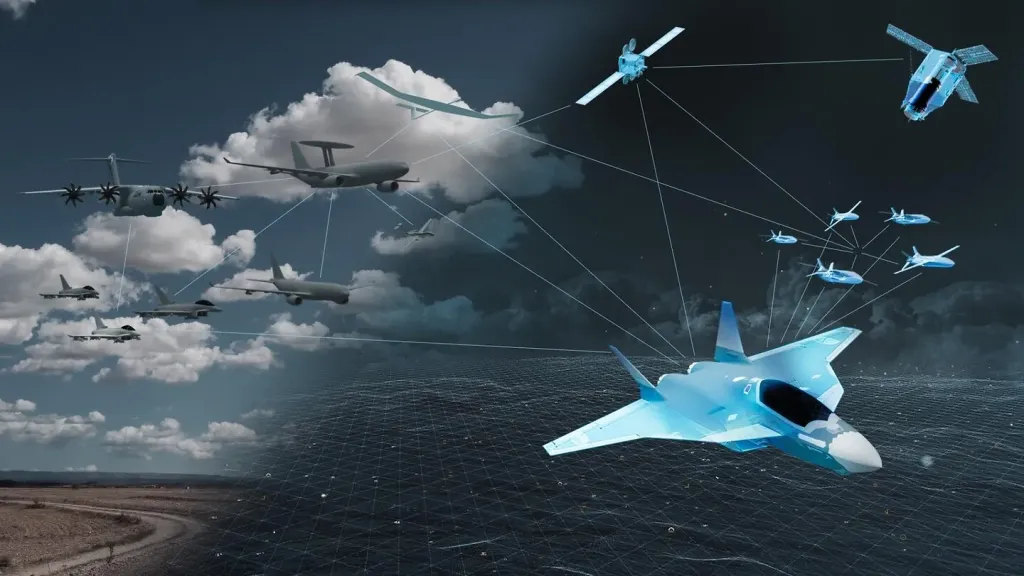
Core Focus: The Combat Cloud and Drones
- The Combat Cloud: CFSN’s immediate priority is delivering Europe’s first operational Combat Cloud. This is an AI-enabled, secure digital network designed to connect all air assets—manned fighters, drones, satellites, and ground stations—allowing them to share data in real-time. This ensures that even if the new manned fighter component is delayed, Germany’s existing Eurofighter Typhoons and newly purchased F-35As can operate as a highly connected, formidable force.
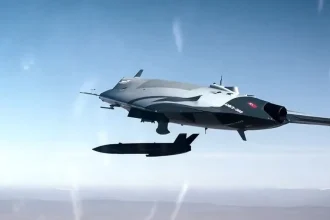
- Collaborative Combat Aircraft (CCA): CFSN includes developing a family of indigenous, unmanned drone systems. These CCAs—often called “loyal wingmen”—will fly alongside manned fighters, performing high-risk tasks like deep reconnaissance, electronic jamming, and carrying additional weapons. German industry is pushing for national leadership on at least one production line for these crucial unmanned assets.
- The Strategic Shift: This path allows Germany to secure industrial leadership in the digital and drone domains, which many analysts believe are the most consequential components of 6th-generation warfare. It reframes its contribution from being a junior partner on a crewed jet to a leader in the next-gen System of Systems.
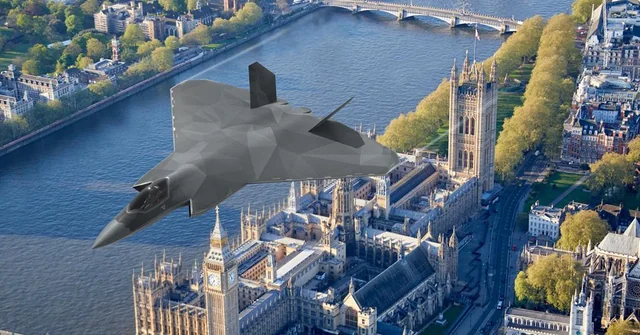
2. The Anglo-Italian-Japanese Invitation: The Global Combat Air Programme (GCAP)
The most discussed and diplomatically viable alternative is for Germany to join the rival Global Combat Air Programme (GCAP), led by the United Kingdom, Italy, and Japan. GCAP is developing its own next-generation fighter (formerly known as Tempest).
Why GCAP is Attractive to Berlin
- Established Partnership Model: Unlike the French-led FCAS, GCAP is founded on an equal partnership model. The UK, Italy, and Japan have established a formal governance body (GIGO) and clear industrial leads (BAE Systems, Leonardo, Mitsubishi Heavy Industries). This structure offers Germany a far more balanced and less politically fraught environment.
- Industrial Alignment: Germany already has deep industrial ties with the UK and Italy through the successful Eurofighter Typhoon consortium. Furthermore, German aerospace companies already manufacture structural components for the US F-35, which aligns GCAP’s focus on interoperability with existing NATO platforms.
- Technological Cohesion: GCAP’s emphasis on deep integration of uncrewed systems and advanced sensor fusion is highly compatible with the objectives of Germany’s own CFSN program. Italian officials have already publicly expressed a welcome for Germany to join at a later, defined stage.
The Challenge of Late Entry
While appealing, Germany’s entry into GCAP would likely be a late one. The initial workshare arrangements for the airframe, engine, and core mission systems are already being finalized. Germany would need to negotiate a role that secures meaningful industrial return without disrupting the program’s momentum, possibly by taking the lead on a specific, high-value subsystem like advanced sensors or electronic warfare suites.

RTX 5070 Ti Gaming PC Gets Massive $450 Price Cut With 32GB DDR5 RAM
ABS Stratos II Aqua Gaming PC Deal Overview There's a brilliant discount…

Russia-linked Sandworm APT implicated in major cyber attack on Poland’s power grid
Russia-linked APT Sandworm launched what was described as the largest cyber attack…
RTX 5070 Gaming PC Deal: Save $500 on This High-End Rig Under $1,800
Save $500 on This 1440p Gaming PC Featuring an RTX 5070 —…

Dr. Joyce Slams Retiring Official in Major House Floor Tribute and Farewell Address
As life on Capitol Hill frequently revolves around high-stakes legislative battles, bitter…

Monster Hunter Outlanders Buddy Guide: Essential Palico, Rutaco, and Trillan Team-Building Tips
Comprehensive Monster Hunter Outlanders Buddy guide detailing types, upgrades, and team strategies…

Rep. Meuser on National Report
As Capitol Hill navigates a dense legislative calendar and mounting economic pressures,…
3. The Transatlantic Option: Component Roles in US NGAD
A final, pragmatic option would be for Germany to abandon the pursuit of full design sovereignty altogether and cement its place as a crucial subsystem provider for a US-led program.
- Focus on NGAD: The US Air Force’s Next Generation Air Dominance (NGAD) program is rapidly developing its own 6th-generation fighter to manage its Collaborative Combat Aircraft (CCA) swarms. The platform is expected to field in the early 2030s, significantly sooner than FCAS or GCAP timelines.
- Industrial Security: By enlisting in NGAD as a Tier 1 or Tier 2 supplier, German companies like Hensoldt (sensors) and Diehl Defence (weapons integration) could secure long-term, high-volume contracts to provide cutting-edge German technology for the world’s most advanced fighter.
- Guaranteed Capability: This path guarantees the German Air Force (Luftwaffe) access to the world’s most capable and battle-ready fighter platform, ensuring its air superiority well into the future, and interoperability with its F-35 fleet.
The Trade-Off: This option would be the most difficult to sell politically, as it sacrifices the goal of European strategic autonomy and places Germany’s future air power squarely under US technological control and export constraints.

Conclusion: A Strategic Redefinition
Germany’s decision on the NGF will not be a simple choice between one fighter and another; it is a redefinition of its entire military-industrial strategy.
The most probable immediate action is a dual strategy:
- Accelerate CFSN: Rapidly develop the national Combat Cloud and CCA drone systems to secure domestic technological leadership in the digital domain.
- Evaluate GCAP: Use the industrial capabilities and Eurofighter heritage as leverage to secure a favorable, significant role in the GCAP consortium, thereby preserving a European component in its future crewed fighter capability.
By separating the digital backbone (CFSN) from the physical platform (GCAP), Germany can protect its industry, secure its strategic needs, and finally close the contentious chapter of the FCAS NGF.