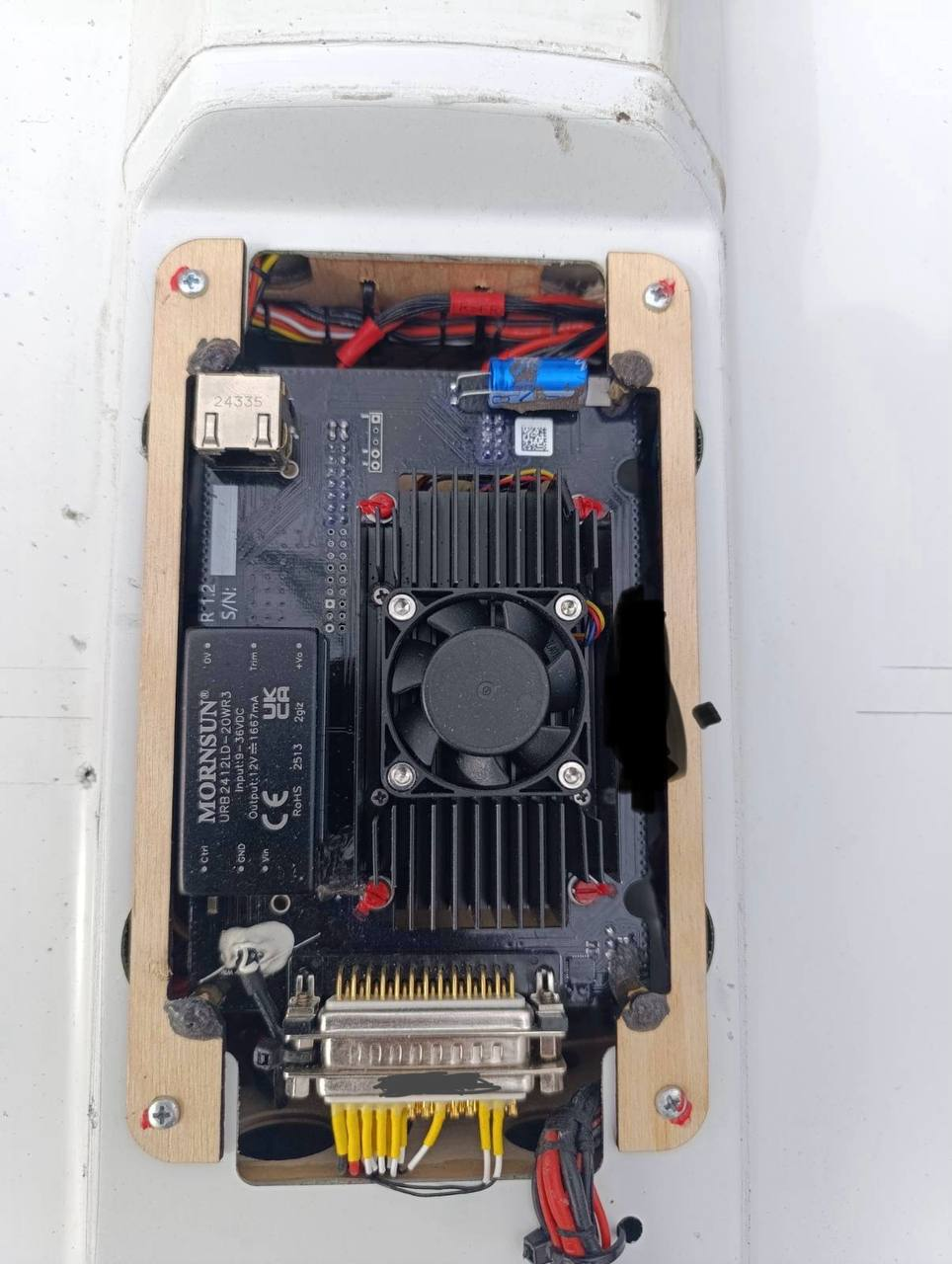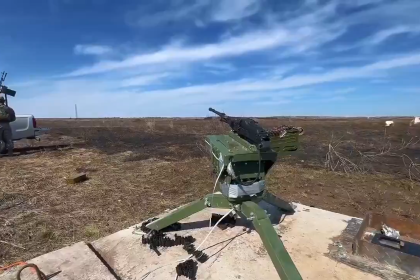







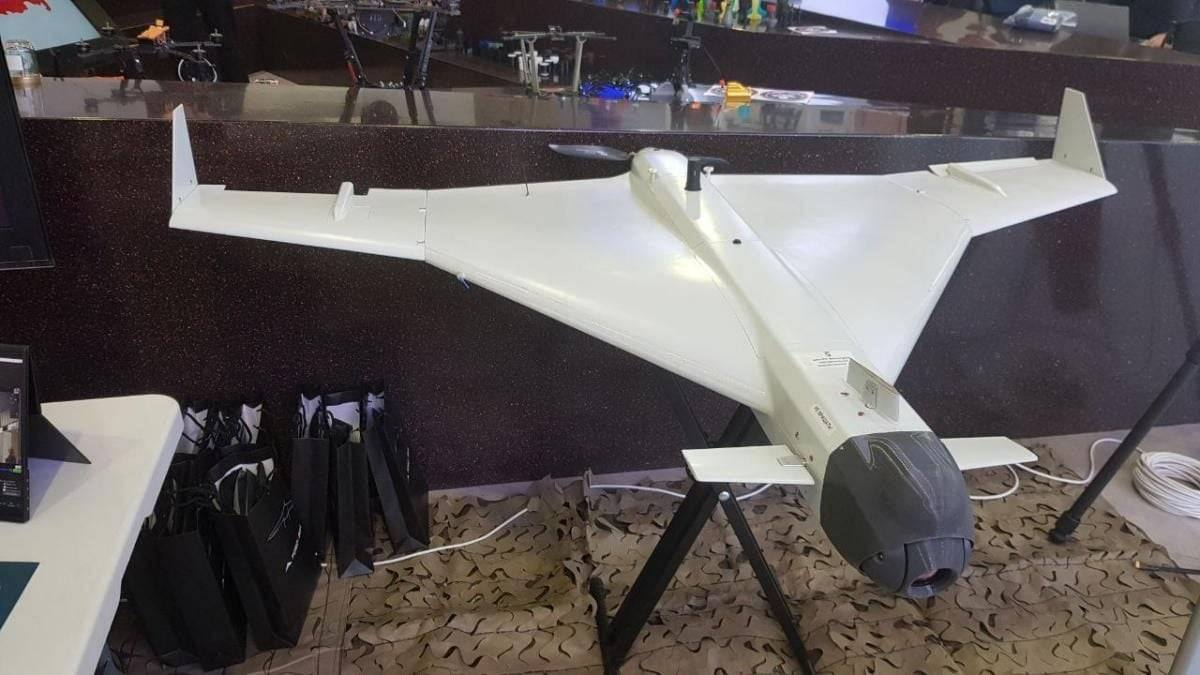
In a significant intelligence win for Kyiv, Ukrainian forces have recovered the wreckage of a rare and highly advanced Russian loitering munition known as the “Klin.” First unveiled in late 2025, this “Shahed-style” drone represents Moscow’s latest push into autonomous AI warfare, designed to hunt and strike targets without direct operator intervention.
The captured unit is currently being analyzed by technical specialists, including renowned expert Serhii “Flash” Beskrestnov. Initial reports confirm the drone is powered by cutting-edge Li-AFB battery technology, allowing for extended persistence over the battlefield.
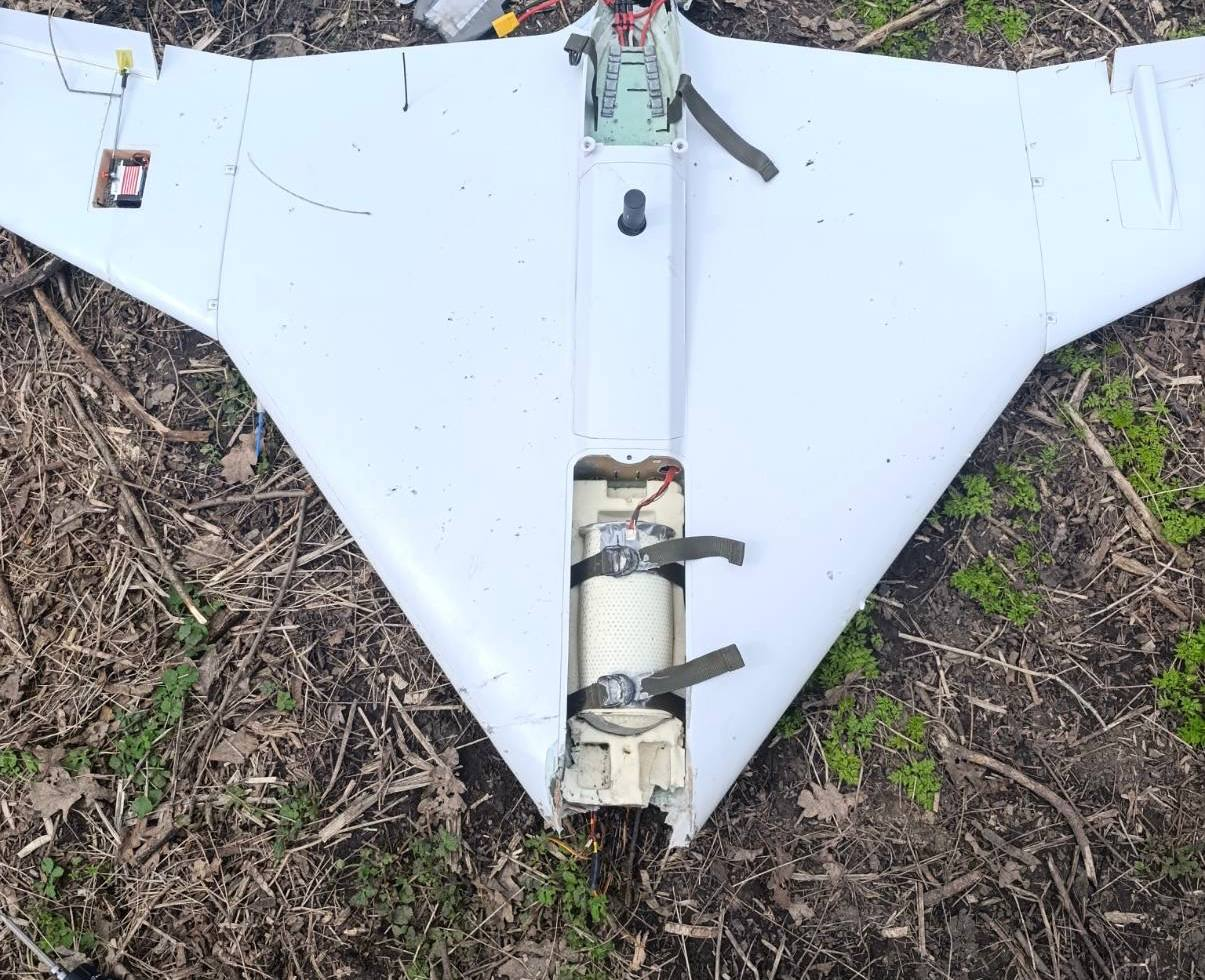
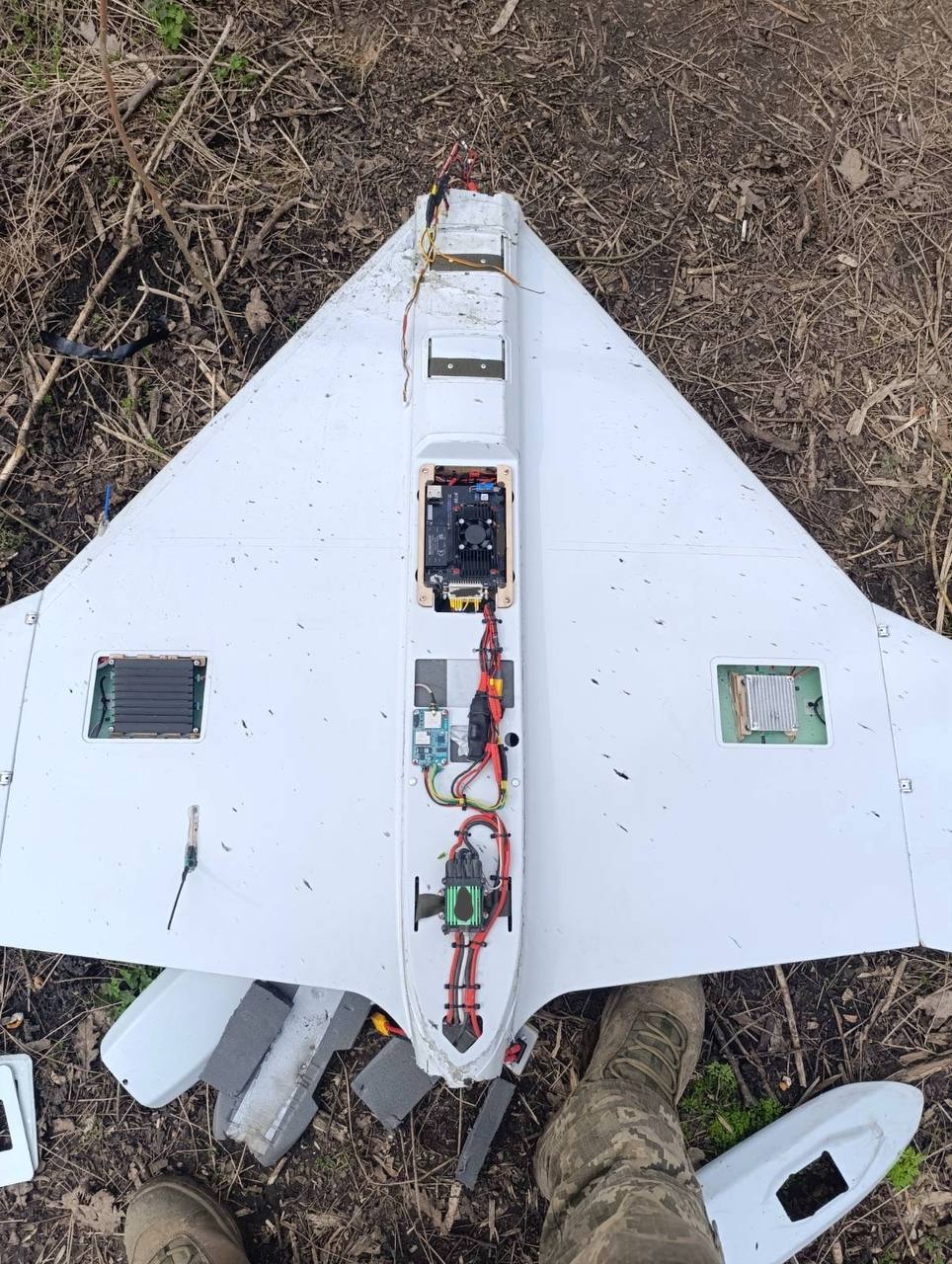
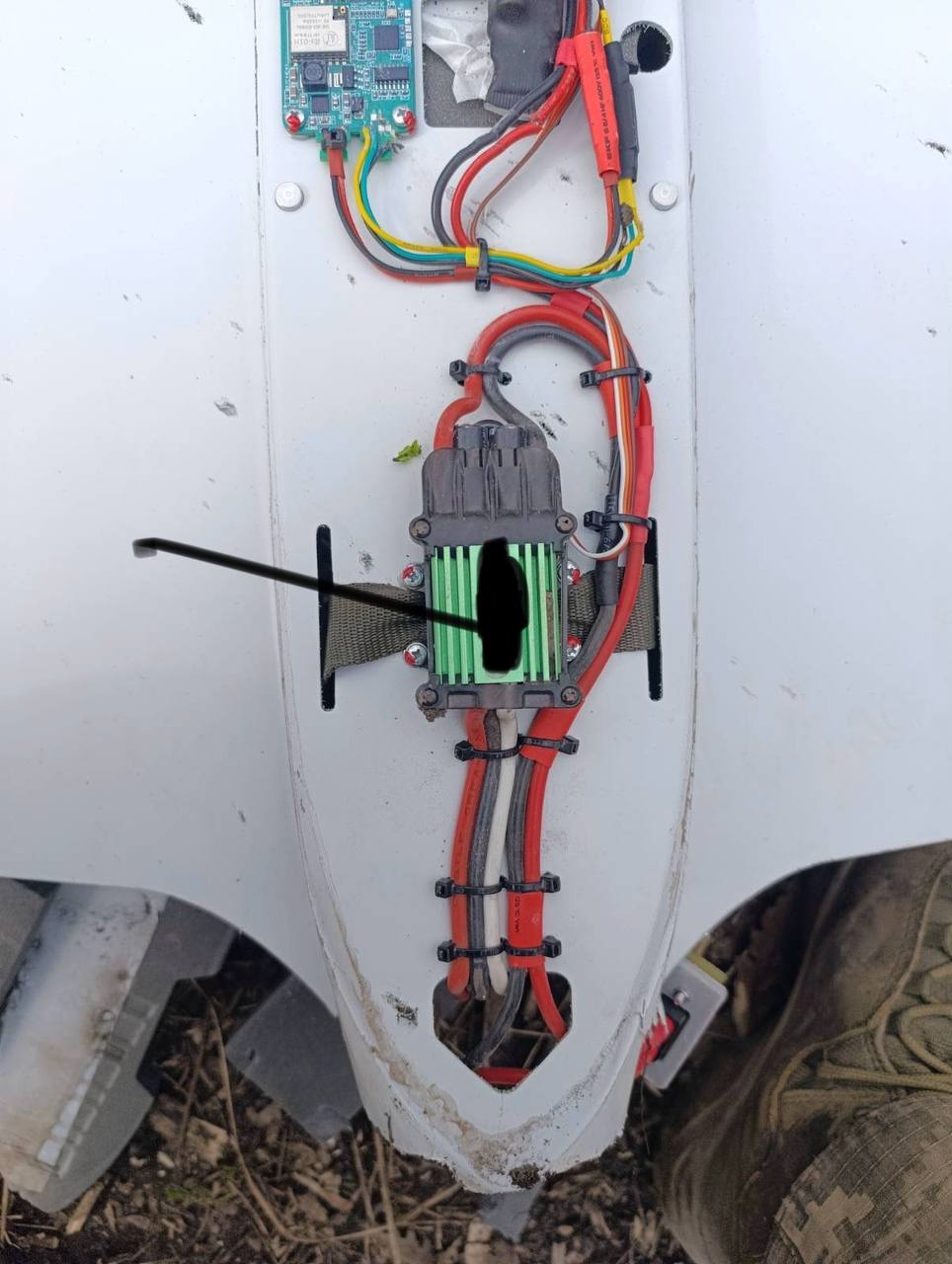

Klin Technical Specifications:
The Wyoming Blueprint: How a 2023 Highway Drill Predicted the Isfahan Rescue
The successful, high-stakes extraction of a downed F-15E pilot from the heart…

What is a ‘Metroidvania’? The Secret Recipe for Your Favorite Games
If you spend any time reading about games like Hollow Knight, Ori,…

Missing Juvenile Jeimi Martinez from the 35th District
The Philadelphia Police Department is requesting the public’s help in locating 17-year-old…

Woke Scam Alert: Jennifer Felix Used Fake Eskimo Status to Secure $16.7M via SBA 8(a) Program
The viral X post from @Theswampmonitor exposes Jennifer Felix, who allegedly faked…

How Electroluminescent Paint Works: A Guide to Sprayable Capacitive Lighting
Forget the "glow-in-the-dark" novelty. This is Solid-State Luminescence—a functional application of electroluminescence…

US wants ‘to colonize us again’ – Lula to Latin American leaders
Brazil’s president has slammed the US kidnapping of Nicolas Maduro and the…
- Autonomous Hunting: Integrated AI for automatic target acquisition and terminal guidance, even in GPS-jammed environments.
- Lethality: Equipped with a 5 kg warhead (shaped-charge or high-explosive) featuring aerial detonation capabilities for maximum fragmentation spread.
- Range & Endurance: An operational radius of 120 km with a flight time of up to 90 minutes.
- Tactical Speed: A cruising speed of 120 km/h, capable of “loitering” as an aerial mine before diving at speeds up to 300 km/h.
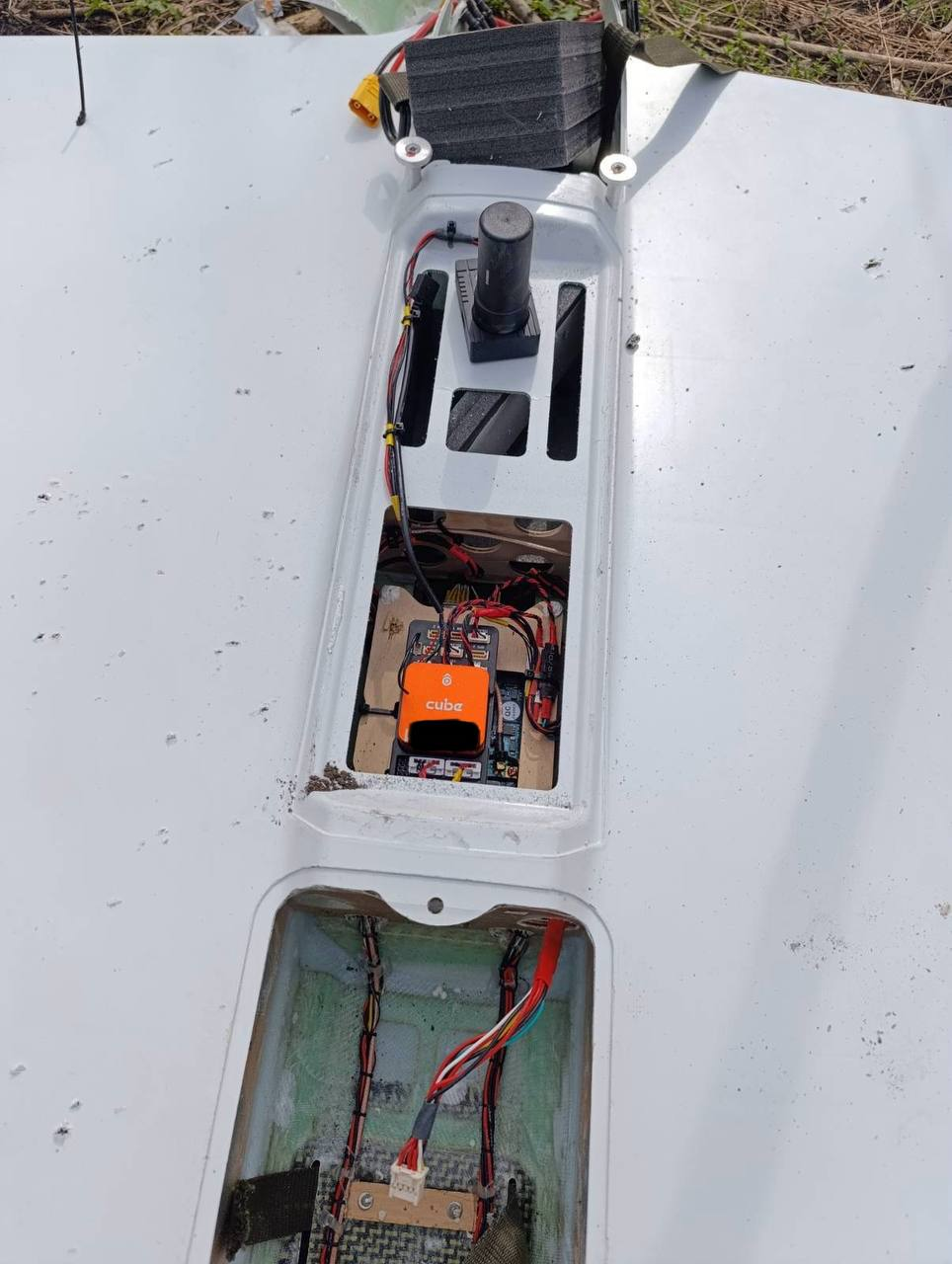
While Russian developers marketed the Klin as “invincible,” its recent interception by the 118th Separate Mechanized Brigade proves that Ukrainian electronic warfare and interceptor drones are quickly adapting to these autonomous threats. This is not the drone’s first appearance; it was previously linked to the destruction of Ukrainian naval assets in the Black Sea during a specialized aerial bombing campaign earlier this year.