





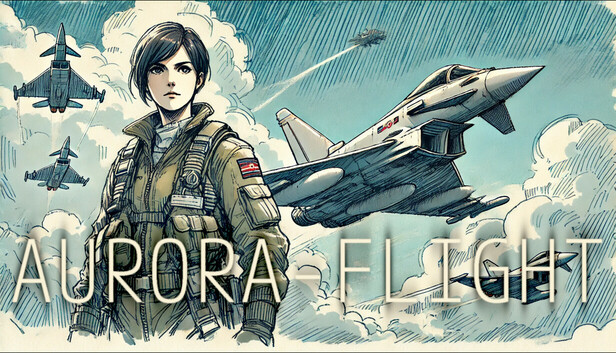
If the flight action genre is a spectrum, with the “on-rails” arcade experience at one end and the grueling complexity of a full-fidelity simulator at the other, Aurora Flight (オーロラ・フライト) is trying to occupy a very specific, very dangerous middle ground.
Developed by the solo outfit Studio Wakaru (すたじおわかる), the game recently transitioned from its February early access phase into a full 1.0 release. At first glance, it looks like a love letter to Ace Combat 3. But as I dug into the flight model this morning, I realized that beneath the futuristic UI and the “totally-not-Kei Nagase” aesthetic lies a much more technical beast.
The Simulation Sucker-Punch
The biggest trap Aurora Flight sets for the player is its visual language. It uses the brackets, the transmissions, and the mission structures we’ve associated with arcade flyers for decades. But then you pull the trigger.
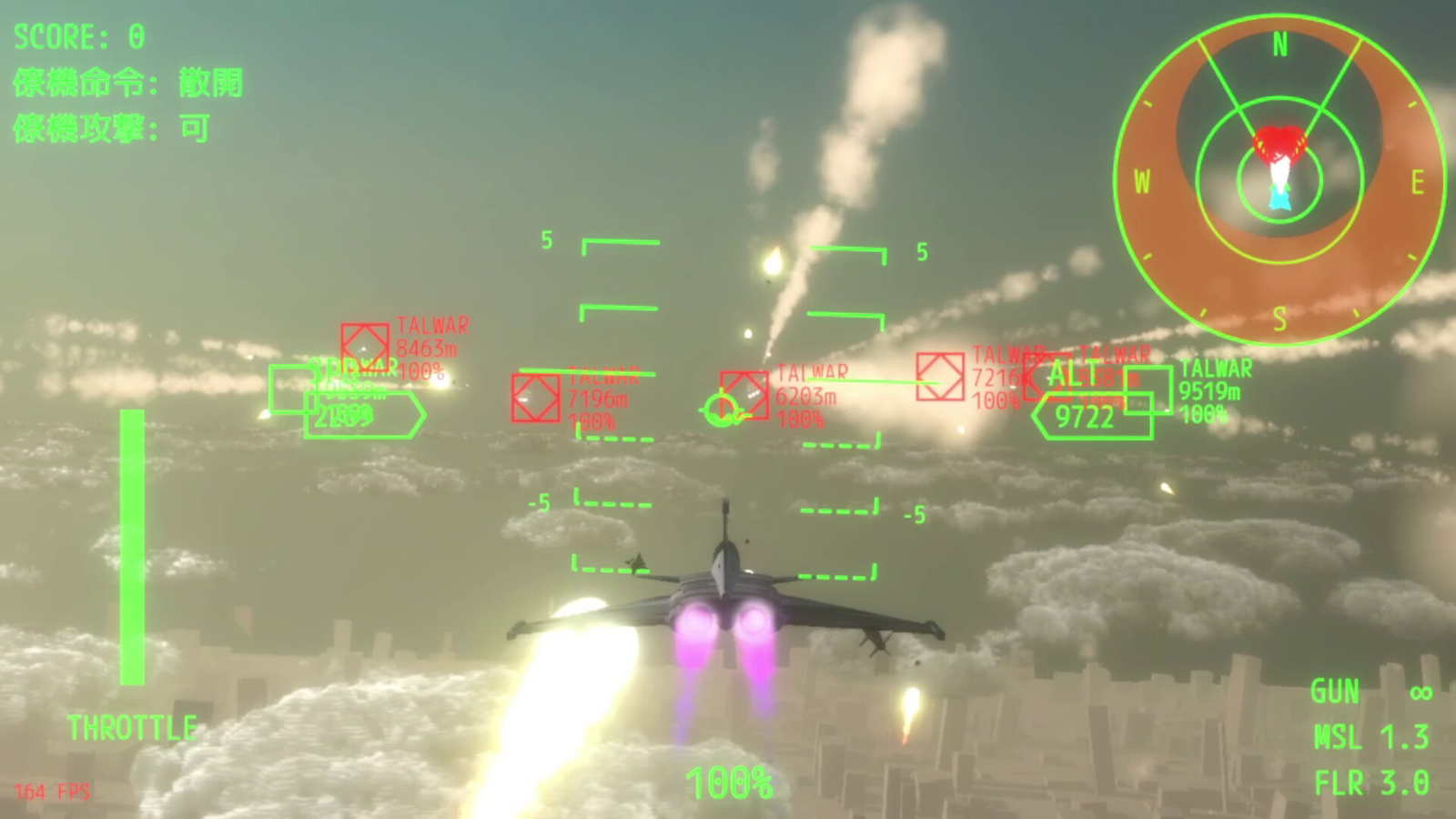
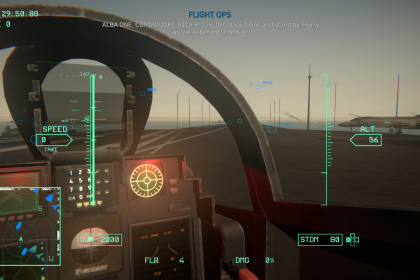
Unlike its contemporaries, Aurora Flight utilizes a physics-driven aerodynamics model. This isn’t just about “bleeding speed” in a turn; it’s about lift, drag, and airframe stability. As noted in the recent review by Skyward Flight Media, the control inputs are remarkably sensitive. If you’re used to the “frictionless” flight of a standard arcade game, your first five minutes in Aurora will likely involve a lot of unintended oscillations and “recoiling” through the air.

Ben Shapiro Says America Must Deploy Ground Troops
Just when you thought we might finally be done with the "forever…

Joe Kent Walks Out: Was Israeli Influence the Real Reason Behind Charlie Kirk’s Death?
WASHINGTON — March 17, 2026 — Internal divisions within the Trump administration…

The ‘Donbas Deal’: Is Russia Ready to Stop the War for One Specific Region?
The war in Ukraine has been going on for years, but today,…

M-Sport’s Rich Millener on Safari Survival: Lessons in “Mud Management”
The 2026 WRC Safari Rally Kenya has lived up to its reputation…

THE ETERNAL HARD DRIVE: Why Arweave is the Only Crypto Project That Actually Matters Right Now
The internet is a giant, crumbling library, and Arweave just walked in…

Ted Cruz Throws a Desperate Tantrum at Tucker Carlson – Labels Him America’s Top ‘Demagogue’ While Vowing a Pathetic Showdown
Ted Cruz, sweating under conference lights, just went into full meltdown mode.…
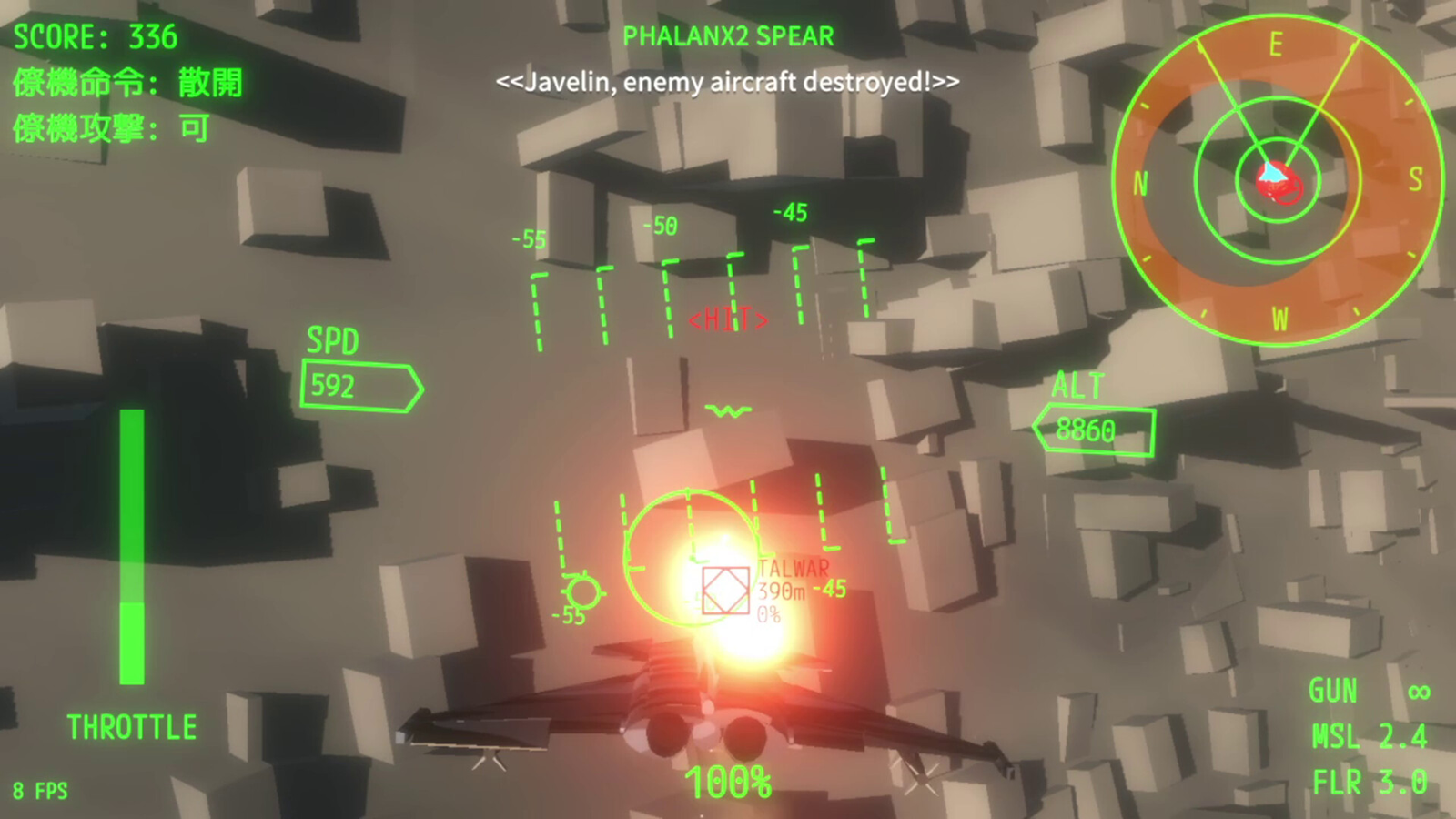
It’s a “sim-lite” experience that demands a lighter touch. You have to respect the energy of the aircraft. If you yank the stick, the plane doesn’t just turn; it reacts.
A New Approach to the “Ammo Problem”
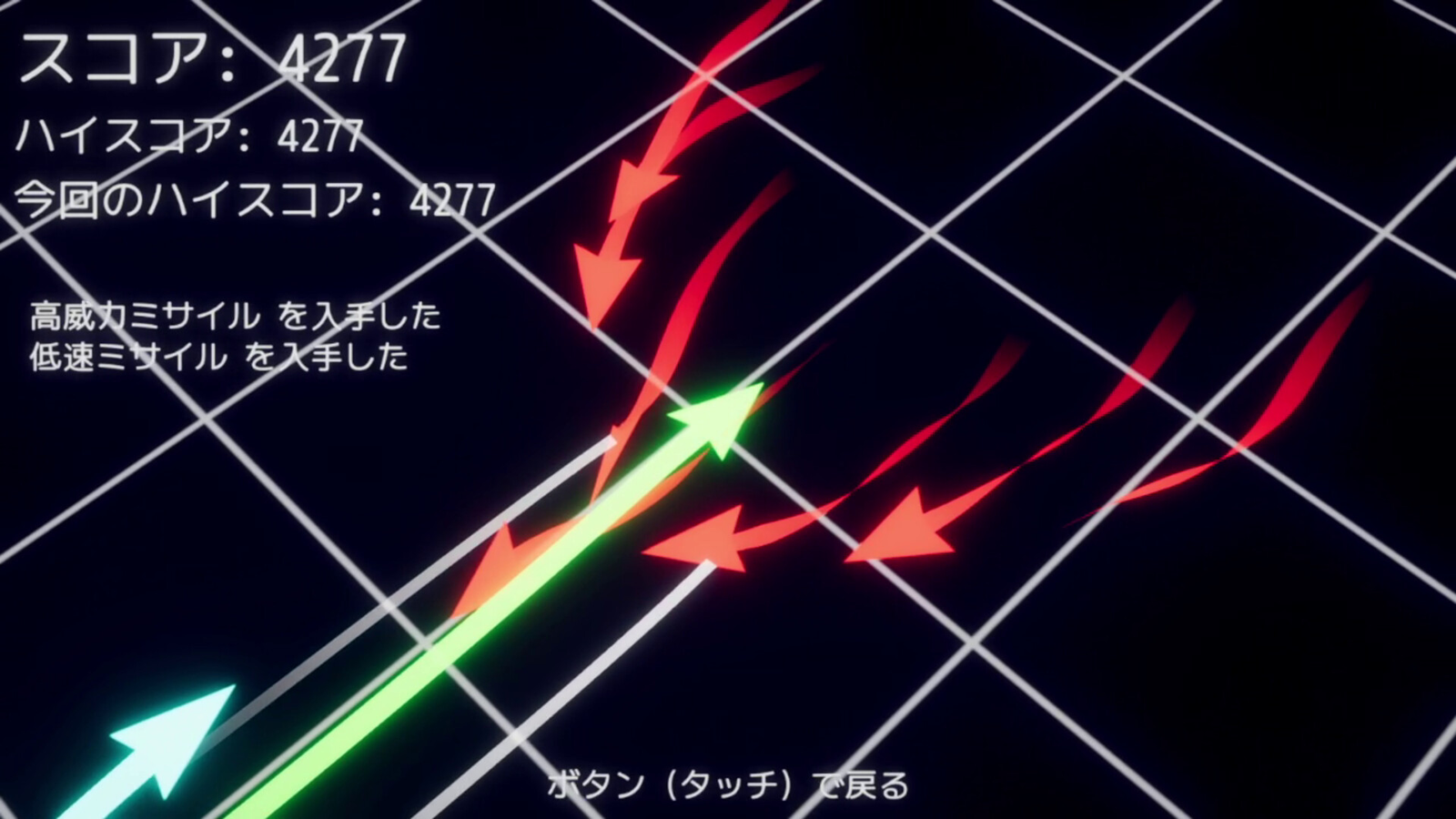
One of the most innovative—and controversial—decisions in Aurora Flight is the removal of traditional magazine limits. In a genre where “missile count inflation” has made numbers like 100+ missiles feel meaningless, Studio Wakaru has opted for recharge rates.
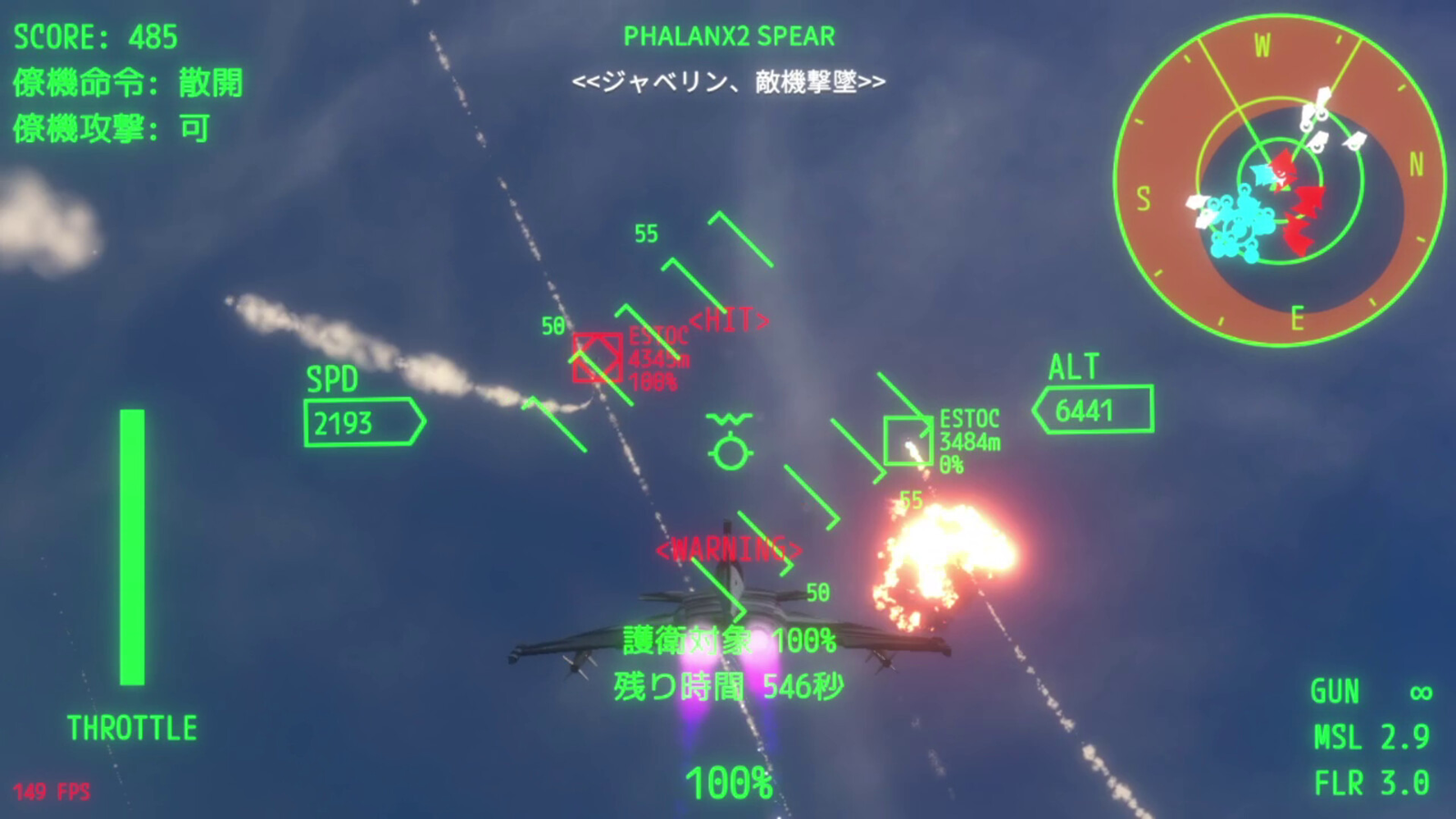
Every offensive and defensive option is on a cooldown. This shifts the gameplay from “resource management” to “tactical timing.” You can’t just spam missiles to clear a screen; you have to choose the exact right moment to fire, knowing that a miss means a vulnerable window while your system cycles. It’s a brave move for a solo developer, and in my sorties, it made the dogfights feel far more deliberate.
Rough Edges and Raw Talent
Let’s be honest: Aurora Flight is an indie game, and it wears its budget on its sleeve. The story, which follows corporate factions fighting over resources on the frontier planet Zenoa, is currently more of a “briefing room excuse” than a deep narrative. The voice acting is a cacophony of repeated lines, and the UI can be a struggle for those who don’t read Japanese (though the recent English sub patch has made the main menus much more accessible).
But here’s the thing—the bones are good.
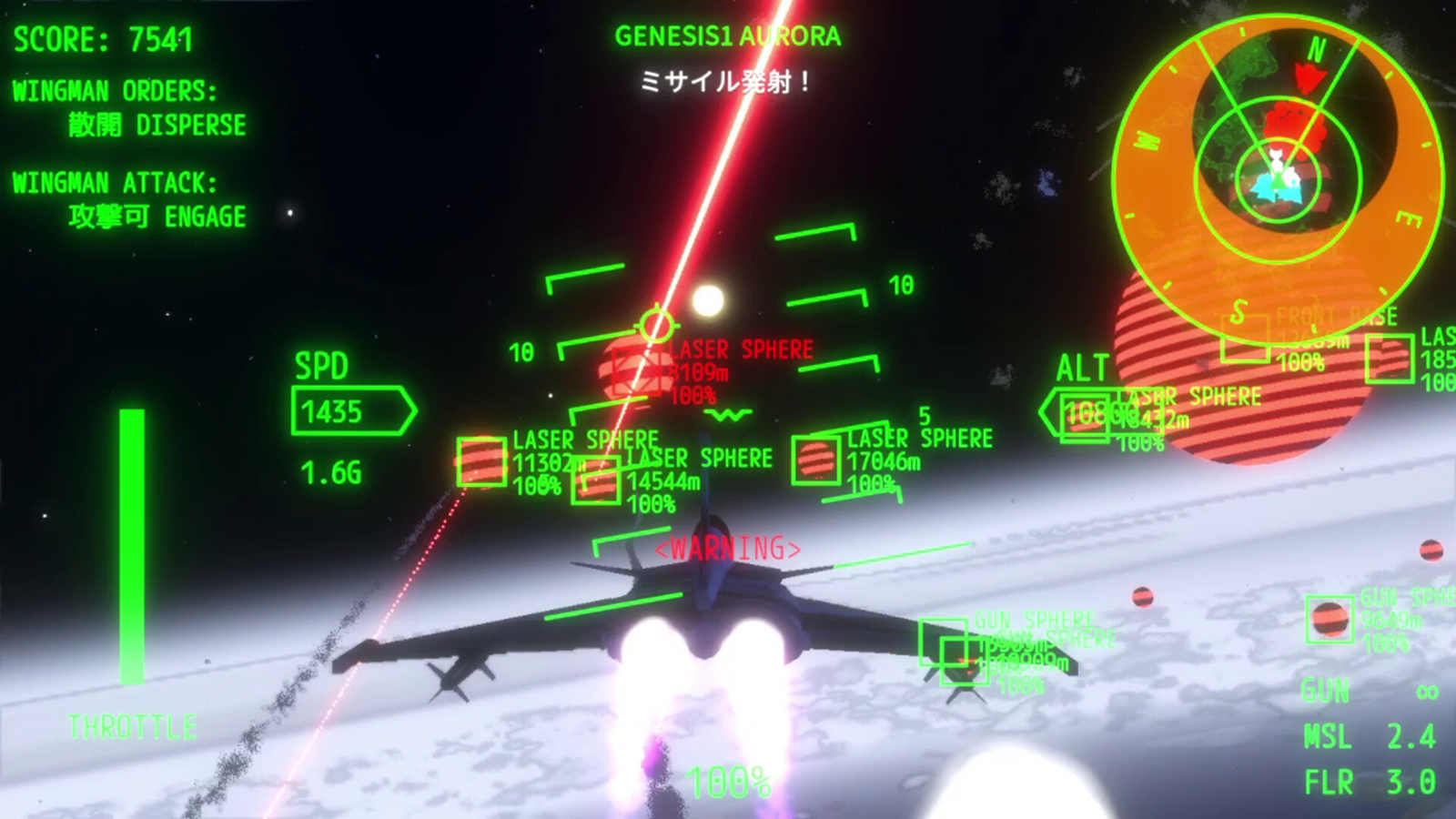
The game supports high-refresh-rate monitors and offers a sense of speed that many big-budget titles miss. The “gun kills” are genuinely difficult to earn, which makes them incredibly satisfying when they finally land. It’s a game that respects the player’s ability to learn a complex system.
The Comparison: Innovation vs. Polish
To see where Aurora Flight sits in the current 2026 landscape, we have to look at what it prioritizes compared to the “standard” flight action model.
| Feature | Standard Arcade Flyer | Aurora Flight (v1.0) |
| Flight Model | Scripted/Frictionless | Physics-Based Aerodynamics |
| Weapon System | Limited Ammo Count | Tactical Recharge Rates |
| Control Sensitivity | Dampened/Smooth | Raw/Responsive |
| Narrative Focus | High-Production Cinematic | Functional/World-Building |
| Development | Corporate Studio | Solo Developer (Studio Wakaru) |
The Light in the Dark
As the title of the Skyward review suggests—”I Can See the Light”—there is something brilliant shining through the unpolished exterior of Aurora Flight. It is a game for the pilot who is tired of the same old “circle-strafe” dogfights.
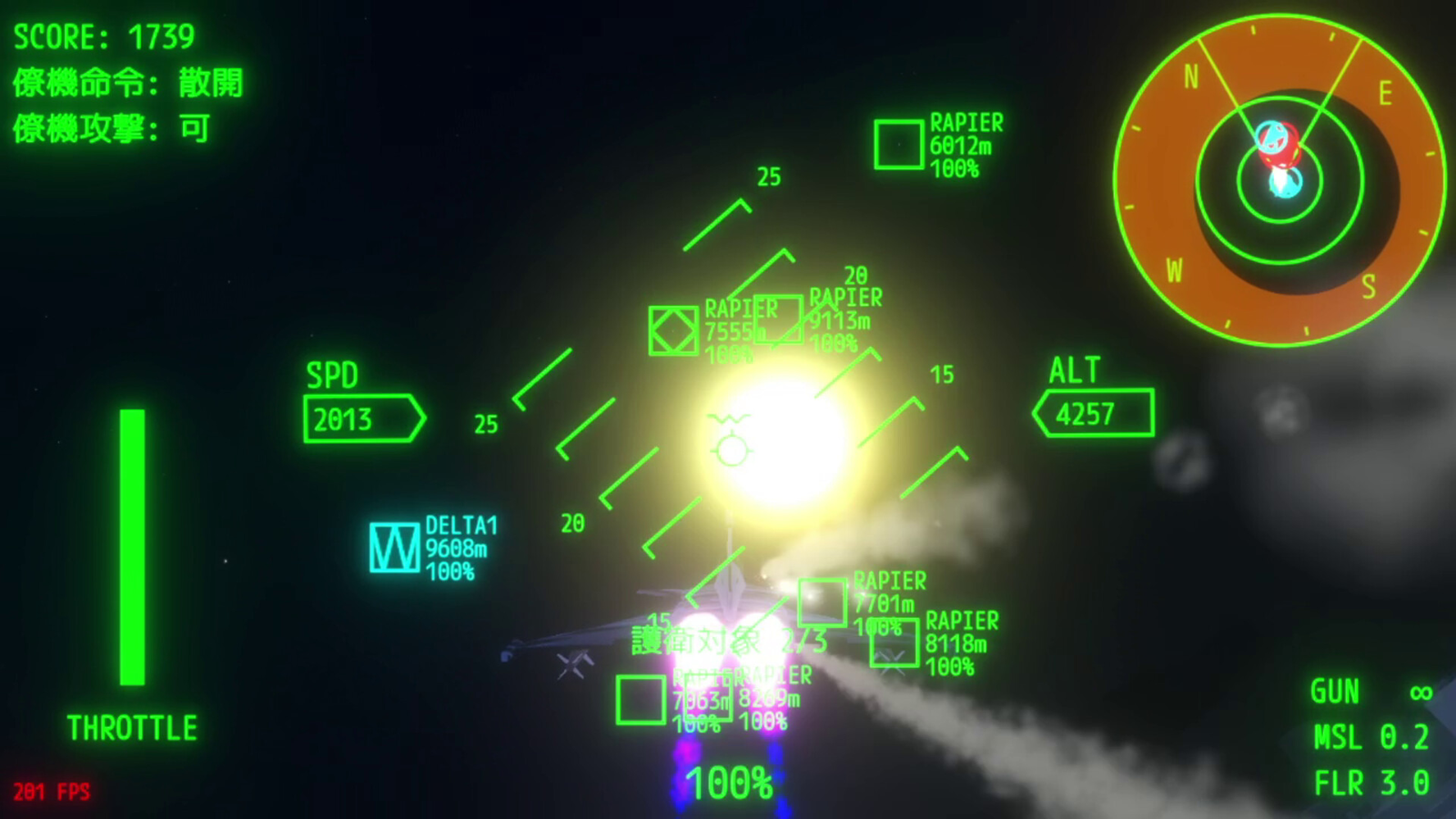
It’s twitchy, it’s difficult, and it’s occasionally frustrating. But it’s also new. In an industry obsessed with sequels and safe bets, a solo dev building a physics-driven sci-fi shooter from the ground up is exactly the kind of “Madman” energy we celebrate here at the Philly PI.
The sky says nothing—only the skilled survive. If you’re willing to put in the time to master the jerky controls and the recharge timers, Aurora Flight offers a view of the genre that you won’t find anywhere else.