
















NEWARK, Del. — In the heart of New Castle County, a powerful wave of student activism has swept across the campus of the University of Delaware. Following recent concerns regarding campus safety and interpersonal violence, undergraduate and graduate scholars are stepping up to demand systemic institutional changes. According to comprehensive reporting from our news partners at NBC10 Philadelphia, students are calling on university administrators to implement more robust, proactive measures for sexual assault prevention, improved survivor support systems, and transparent accountability frameworks.

The student-led demonstrations highlight a growing national and regional dialogue surrounding safety institutions within higher education. As universities across the Tri-State area navigate the complexities of student welfare, local communities and campus leaders are forced to reevaluate how protective policies are communicated, enforced, and funded.
Demands for Enhanced Campus Safety and Educational Reform
At the core of the recent demonstrations is a clear message from the student body: current preventative measures are simply not enough. Organizers and advocates argue that mandatory online training modules fall short of fostering a genuine culture of consent and awareness. Instead, students are pushing for interactive, in-person workshops, peer-led education initiatives, and readily accessible resources for anyone impacted by interpersonal violence.
Furthermore, student leaders have pointed to the necessity of expanding mental health services on campus. Counseling centers at major regional institutions often face high demand and understaffing, leaving vulnerable students waiting weeks for appointments. By demanding increased funding for professional psychological services, advocates hope to create a safer, more responsive safety net for the entire university community.
Navigating Institutional Response and Administrative Policies
In response to the growing pressure, university officials have issued statements emphasizing their ongoing commitment to student safety and compliance with federal guidelines, such as Title IX regulations. Under state and federal law, higher education institutions receiving federal funding must maintain strict protocols for investigating and adjudicating reports of sexual misconduct.

France and Japan Build a Stronger Air Power Bridge Between Europe and the Indo-Pacific
French Rafale F4 fighters trained with Japanese F-2A/B combat aircraft at Hyakuri…

Ultimate Dashcam Buyer’s Guide: Essential Hardware Breakdown and Top Picks Revealed
Modern vehicle security requires more than a basic lens taped to a…

Beyond the Sword: How Financial Cartels Control Empires—and How Sovereign Powers Fight Back
Throughout history, political leaders have discovered a cold, hard geopolitical reality: military…
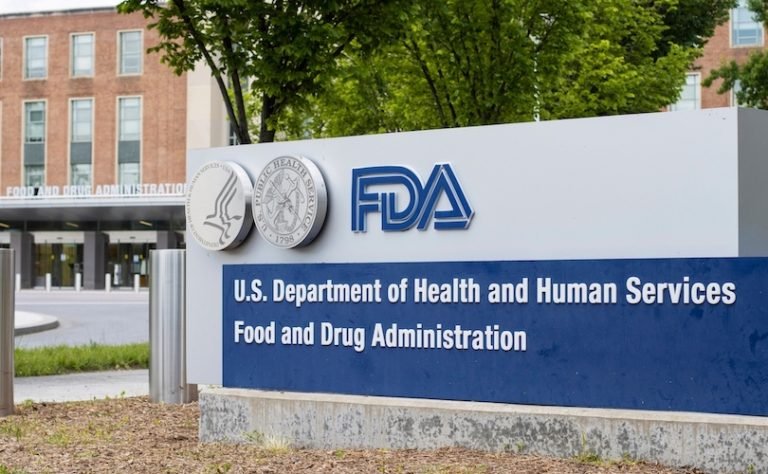
Did Trump’s FDA pick just make a 180 on abortion pills?
President Donald Trump’s Food and Drug Administration (FDA) Commissioner nominee, Dr. Heidi…

Bolivian river dolphins sometimes dangle anacondas in their mouths and scientists don’t know why
Not all dolphins live in the oceans. Some can be found swimming…
For individuals seeking detailed information regarding state-level resources, victim advocacy programs, and legal definitions, the Commonwealth of Pennsylvania official portal and neighboring Delaware state resources provide extensive public safety guides and support service directories. Local authorities encourage anyone experiencing an emergency to immediately contact local law enforcement or utilize campus security dispatch.
The Broader Impact on the Greater Philadelphia Academic Community
The student mobilization in Newark resonates far beyond the borders of New Castle County. Across Greater Philadelphia and surrounding suburban counties—from Temple and Penn to Villanova and regional state universities—student bodies are closely watching how University of Delaware leadership responds to these demands.
Local advocacy groups and regional non-profits specializing in survivor support have expressed solidarity with the student organizers. These coalitions stress that true prevention requires a collaborative approach involving campus security, local police departments, student organizations, and university administration working in tandem.
Looking Ahead: Next Steps for University Leadership and Students
As discussions between student representatives and university administrators continue, the community remains focused on actionable outcomes. Key benchmarks that local journalists and concerned community members will be tracking in the coming weeks include:
- Policy Revisions: Potential updates to the university’s student code of conduct and disciplinary procedures.
- Resource Allocation: Budget announcements regarding funding increases for the campus Title IX office and student counseling services.
- Community Forums: Scheduled town halls or open-door listening sessions between top-tier university executives and student leaders.
As this regional story continues to develop, our newsroom will provide updates on any formal policy changes or institutional announcements emerging from the University of Delaware campus.
[tags]University of Delaware, Campus Safety, Sexual Assault Prevention, NBC10 Philadelphia, New Castle County News, Higher Education, Student Activism, Delaware News[/tags]